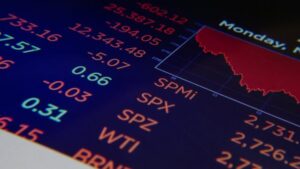
Buying the dip is a popular investment strategy where investors purchase an asset after its price has dropped, expecting a future rebound.
The idea is that temporary declines in value provide buying opportunities for assets that remain fundamentally strong.
This strategy is widely used in acciones, inmobiliario, and even materias primas, as financial markets tend to experience periodic fluctuations. But exactly when should you buy the dip?
Si desea invertir como expatriado o particular con un elevado patrimonio neto, que es en lo que estoy especializado, puede enviarme un correo electrónico (advice@adamfayed.com) o WhatsApp (+44-7393-450-837).
Esto incluye si busca una segunda opinión o inversiones alternativas.
Algunos hechos podrían cambiar desde el momento de la redacción. Nada de lo aquí escrito constituye asesoramiento financiero, jurídico, fiscal o de ningún tipo, ni una invitación a invertir.
Not all dips are worth buying. Some price drops occur due to market overreaction or short-term volatility, while others signal deeper fundamental issues or economic downturns.
In the end, is buying the dip a good strategy?
What is a Market Dip? Types and Causes
Not all market dips are the same. Some represent healthy corrections and short-term pullbacks, while others indicate serious economic distress or company-specific issues.
Identifying the cause of a dip is crucial in determining whether it presents a buying opportunity or a warning sign.
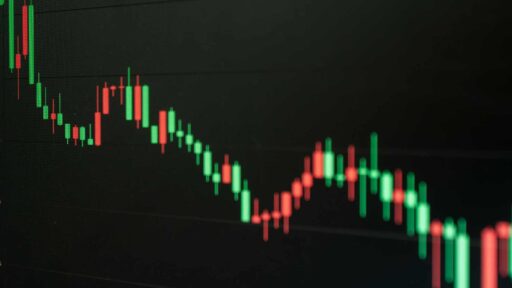
Short-Term Corrections
A market correction refers to a decline of 5-20% from recent highs, typically caused by profit-taking, temporary uncertainty, or technical market factors.
These dips often provide good buying opportunities, as they are usually short-lived and followed by a rebound.
Common Causes of Short-Term Corrections:
- Profit-taking – Investors sell assets to lock in gains after a strong rally.
- Technical retracement – Markets naturally pull back after becoming overbought.
- Minor economic concerns – News events, earnings reports, or interest rate changes can trigger temporary volatility.
Bear Markets
A bear market occurs when a stock or index declines by 20% or more over a sustained period, usually triggered by economic concerns or tightening monetary policy.
Unlike a short-term correction, knowing when is a bear market coming requires careful analysis before buying the dip.
Common Causes of Bear Markets:
- Economic slowdowns or recessions – GDP contraction, job losses, or weak corporate earnings reduce investor confidence.
- Rising interest rates – Higher borrowing costs slow economic growth, making stocks less attractive.
- Sector-specific downturns – Certain industries (e.g., tech or real estate) experience severe drawdowns due to market conditions.

Market Crashes
A market crash is a sudden and severe decline of 30% or more, often caused by geopolitical crises, financial system failures, or panic-driven selling.
These crashes can be fast-moving and unpredictable, leading to extreme volatility and liquidity crises.
Common Causes of Market Crashes:
- Black swan events – Unforeseen crises (e.g., pandemics, wars, terrorist attacks) disrupt global markets.
- Financial system failures – A collapse in banking, credit markets, or major financial institutions triggers widespread panic.
- Liquidity crises – Institutional investors rush to sell assets, causing further price declines.
Company-Specific Dips
Sometimes, a stock’s decline is due to company-specific issues rather than overall market conditions. Investors must differentiate between temporary setbacks and structural problems.
Common Causes of Company-Specific Dips:
- Earnings misses – A company reports lower-than-expected profits, leading to investor concerns.
- Management scandals or lawsuits – Leadership issues can damage investor confidence.
- Industry disruption – A company loses market share due to competition or innovation changes.

When Should You Buy the Dip? Strategies for Investors
Buying the dip is most effective when markets or individual assets are likely to recover, rather than continuing to decline.
Strong Fundamentals and Long-Term Growth Potential
One of the most important signals before buying a dip is whether an asset or market has strong underlying fundamentals. If a stock, index, or sector is declining due to external factors rather than internal weaknesses, it may present a good buying opportunity.
Company Fundamentals
Companies with solid financials and competitive advantages tend to recover faster from market downturns. Key indicators include:
- Steady revenue and earnings growth, showing the company remains profitable despite short-term volatility.
- A strong balance sheet with low debt, ensuring financial stability during economic downturns.
- A competitive advantage within its industry, allowing it to maintain market dominance and long-term growth prospects.
Market Fundamentals
Broad economic conditions also influence whether a dip is worth buying. Positive indicators include:
- Economic growth with rising GDP and employment rates, suggesting a strong macroeconomic environment.
- Sector resilience, as industries like tech, healthcare, and consumer staples tend to recover faster from dips.
- Temporary market overreactions rather than systemic issues, meaning the decline is likely to be short-lived.
If an asset remains fundamentally strong and the dip is driven by market noise rather than long-term weaknesses, it often represents a good opportunity to buy at a discount.

Oversold Market Conditions (Technical Indicators)
Technical indicators help investors identify when an asset is undervalued and due for a rebound. Some key metrics to watch include:
- Relative Strength Index (RSI) Below 30 – The RSI measures whether an asset is overbought or oversold on a 0-100 scale. If RSI is below 30, the asset is oversold and may be due for a technical rebound.
- Support Levels Holding – If a stock drops to a strong historical support level and holds, it suggests that buyers are stepping in to stabilize prices.
- Moving Averages – Assets that fall far below their 50-day or 200-day moving averages are often due for a reversal.
- High Trading Volume on the Bounce – Increased volume after a dip signals that institutional investors are accumulating shares, suggesting confidence in a recovery.
Using technical indicators alongside fundamental analysis can help investors determine whether a dip is a buying opportunity or a signal for further declines.
Market Sentiment Has Become Too Bearish (Contrarian Investing)
Markets often overreact to fear, leading to opportunities for contrarian investors who buy when sentiment reaches extreme lows. Indicators of excessive bearishness include:
- High VIX (Volatility Index) – The VIX, also called the “Fear Index,” rises during market sell-offs. A VIX above 30-40 suggests extreme fear, often signaling that the worst may be priced in.
- Put-Call Ratio Above 1.0 – When more investors buy put options (bets against the market) than call options, it signals excessive fear and potential reversal.
- Panic Selling & News Headlines – When major financial media predicts a market crash, history suggests the worst selling pressure may already be over.
Investors who use sentiment indicators can identify when markets are likely to stabilize and recover, making it a better time to buy.

Federal Reserve & Interest Rate Policy
Central bank policies heavily influence market movements and asset prices. Buying the dip is often more successful when:
- Interest rates are low or expected to be cut, making stocks and real estate more attractive due to cheaper borrowing costs.
- The central bank signals stimulus measures, as increased liquidity supports asset prices.
However, when interest rates are rising, markets tend to struggle. In such cases, waiting for a policy shift or economic stabilization before buying the dip is often the better strategy.
Institutional Buying and Insider Activity
Large institutional investors often provide signals about whether a dip is temporary or part of a deeper decline. Smart investors watch for:
- Hedge Funds & Pension Funds Accumulating Shares – Institutional buying suggests confidence in long-term recovery. SEC filings often reveal these movements.
- Corporate Insiders Buying Their Own Stock – When executives invest in their company’s stock, it signals confidence in future performance.
Following institutional and insider activity can help investors confirm whether a dip is a true buying opportunity or a potential trap.
When NOT to Buy the Dip
While buying the dip can be profitable, some dips should be avoided because they indicate deeper structural problems rather than temporary price declines.

The Falling Knife Pattern (When Prices Keep Dropping)
A falling knife refers to an asset that continues declining without a clear bottom. Buying too early can lead to further losses instead of gains.
Warning Signs:
- Repeated support levels breaking without recovery.
- RSI staying oversold for extended periods, without signs of reversal.
- Lack of institutional buying or any positive catalyst.
It’s often safer to wait for a confirmed bottom rather than trying to predict one.
Weak Fundamentals (Companies in Long-Term Decline)
Not all dips are temporary. Some stocks and markets decline due to fundamental weaknesses and may never recover.
Warning Signs:
- Declining revenue and shrinking profit margins, indicating poor business performance.
- High debt levels with no clear repayment plan, raising bankruptcy risks.
- Industry disruption, where a company is losing market relevance (e.g., Blockbuster, Kodak, Sears).
Buying a company in long-term decline often leads to permanent losses rather than a profitable rebound.
Economic Recession or Systemic Crisis
During deep recessions, dips may not be short-term corrections but rather signs of prolonged economic downturns. Buying too early in these cases can lock investors into long-term losses.
Warning Signs:
- Widespread corporate bankruptcies and job losses.
- High unemployment rates reducing consumer spending.
- Government intervention failing to stabilize markets.
In such cases, waiting for macroeconomic stability before buying aggressively is often the better approach.
Free Fall Market
If an asset continues making lower lows with no sign of stability, it’s often too early to buy. Waiting for confirmation of a bottom reduces the risk of further declines.
Buying without confirmation often results in holding losses for extended periods.
When to Buy:
- Sideways price movement after a drop, suggesting selling pressure is easing.
- Volume increase during a rebound, indicating new buyers are entering the market.
- Macroeconomic stability signals, such as central banks adjusting policies or key economic indicators improving.
Overall, buying the dip isn’t reliable and is quite a risky strategy. Prices can always tumble, and it doesn’t really make sense to time the markets. A more dependable approach might be to concentrate on dollar-cost averaging or lump-sum investments as soon as you have the funds.
Even for seasoned investors, it can be difficult to distinguish between a brief drop and a long-term plunge. Those who try to buy the dip run the risk of buying too early, misjudging market sentiment, or investing in an asset that continues to decline.
That said, you can buy the dip but not because you’ve waited for it but because you were targeting to make an investment anyway and you just took advantage of an opportunity as it happened.
For more guidance, consult a asesor financiero de confianza.
¿Le duele la indecisión financiera?

Adam es un autor reconocido internacionalmente en temas financieros, con más de 830 millones de respuestas en Quora, un libro muy vendido en Amazon y colaborador de Forbes.