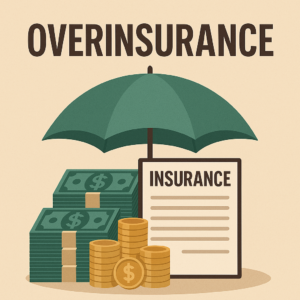
Over-insurance is a common pitfall—especially for high-net-worth individuals managing multiple properties, luxury assets, and international seguro policies.
What is over-insurance? Truly an essential question to answer.
While it may seem like a way to stay extra protected, over-insuring can lead to unnecessary costs and unexpected claim issues.
Si desea invertir como expatriado o particular con un elevado patrimonio neto, que es en lo que estoy especializado, puede enviarme un correo electrónico (hello@adamfayed.com) o WhatsApp (+44-7393-450-837).
Esto incluye si busca una segunda opinión o una alternativa inversiones.
Algunos hechos podrían cambiar con respecto al momento de la redacción. Nada de lo aquí escrito es financiero, ni asesoramiento jurídico, fiscal o de cualquier otro tipo, ni una invitación a invertir.
This guide breaks down everything you need to know about over-insurance—from its definition to how it compares with double insurance, legal implications, and how to avoid it.

Over-insurance Definition
Over-insurance occurs when the amount of insurance coverage on an asset exceeds its actual value. In simple terms, it’s when you insure something for more than what it’s worth.
This often happens with property, vehicles, or luxury items—especially among high-net-worth individuals who want to be extra cautious.
However, overinsuring doesn’t mean you’ll get more money from your insurer in case of a loss.
Most insurance contracts follow the principle of indemnity, which means they only reimburse you for the actual value or loss—not the over-insured amount.
Over Insurance vs Double Insurance: What’s the Difference?

Now that you understand what over-insurance is, it’s important to distinguish it from a similar but different concept—double insurance.
These two are often confused, but they carry distinct meanings and implications, especially when managing high-value coverage.
Over-insurance occurs when the insured amount exceeds the actual value of the item or asset.
For example, insuring a $1 million property for $2 million doesn’t mean you’ll receive the higher amount in case of a loss—you’ll still be compensated only for the real value.
Double insurance, on the other hand, means the same asset is insured by more than one policy or insurer—potentially leading to duplicate claims.
For instance, a rare painting insured under both a home contents policy and a standalone fine art policy might fall under double insurance.
Difference Between Over Insurance and Double Insurance
- Propósito: Over-insurance aims for excessive coverage under one policy; double insurance spreads coverage over multiple policies.
- Payout Rules: Over-insurance typically results in no added benefit; in double insurance, insurers may split the liability proportionally.
- Gestión de riesgos: Over-insurance leads to wasted premiums, while double insurance may cause claim complications or disputes between insurers.
Both can be problematic if not managed well, but knowing the distinction helps you avoid costly mistakes when insuring high-value or international assets.
What is an Example of Over-Insurance?
Let’s look at practical, real-world examples that high-net-worth expats may encounter:
Over-Insuring Luxury Real Estate
Imagine purchasing a vacation property in the north of Italy valued at €7 million. Due to an outdated or inflated appraisal, you insure it for €9 million.
If a total loss occurs, the insurance company will likely only reimburse you for the true market value of €7 million—despite you paying higher premiums based on the inflated €9 million coverage.
Insuring Rare Jewelry Beyond Its Appraised Value
Let’s say you own a rare jewelry appraised at $500,000, but you insure it for $800,000 hoping it appreciates.
If the jewelry is damaged or stolen, insurers typically use current appraised values, not speculative ones—leaving you with a claim based on $500,000 while paying premiums for $800,000 in coverage.
High-End Vehicles with Excess Coverage
Some expats insure their exotic cars for amounts exceeding their market value, either for peace of mind or prestige.
However, insurers often cap reimbursements based on depreciation or agreed value clauses, not sentimental or anticipated resale values.
How to Avoid Over-Insurance: Tips for HNW Expats
For high-net-worth (HNW) expats with diversified assets across multiple countries, avoiding over-insurance is essential for both risk management and financial efficiency.
Here are proactive strategies to help ensure you’re covered—without overpaying:
Regular Policy Audits
Consulte your insurance policies at least once a year. Asset values fluctuate, especially in volatile markets like inmobiliario or collectibles. Regular audits can help you adjust coverage based on current valuations and evolving lifestyle needs.
Independent Valuations
Engage third-party professionals to assess the current market value of your high-value assets—such as luxury homes, artwork, yachts, or jewelry.
Avoid relying solely on purchase prices or estimates from your insurer, which may no longer reflect true worth.
Work with International Insurance Advisors
Choose seguro advisors with expertise in cross-border wealth and expat-specific coverage.
They can tailor policies to your multi-jurisdictional lifestyle and help you navigate overlapping protections or tax implications that could lead to over-insurance.
Smart coverage is about accuracy—not excess. By staying on top of your policy details and valuations, you can protect your wealth without wasting money on unnecessary premiums.
Preguntas frecuentes
Is Over-Insurance Allowed?
Over-insurance is not technically illegal—but that doesn’t mean it’s always acceptable or beneficial. In most jurisdictions, insurers operate under the principle of indemnity, which means a policyholder cannot profit from a claim.
You’re only entitled to compensation equal to the actual value of the loss, regardless of how much coverage you bought.
What happens when you over-insure?
If you intentionally insure an asset for more than it’s worth with the aim of making a profit from a future claim, insurers may consider it insurance fraud.
Even if unintentional, excessive coverage can raise red flags, prompting stricter underwriting or reduced payouts during claims.
When over-insurance is detected, insurers may:
- Limit claim payouts to actual value
- Refuse to renew the policy
- Reassess the premium or coverage amount
- Launch an investigation into possible misrepresentation
Over-Insurance Provision in Insurance Law
Most countries allow individuals or companies to insure high-value assets, but policies typically include clauses that restrict overcompensation.
Courts in countries like the REINO UNIDO, Singapore, y el EAU often favor insurers if the insured amount appears excessive without proper justification.
¿Le duele la indecisión financiera?

Adam es un autor reconocido internacionalmente en temas financieros, con más de 830 millones de respuestas en Quora, un libro muy vendido en Amazon y colaborador de Forbes.