
Protección de activos offshore es un planteamiento estratégico para proteger el patrimonio de riesgos jurídicos, inestabilidad política o fiscalidad excesiva.
Al colocar sus activos en países offshore bien regulados para la protección de activos, como las Islas Cook o Suiza, las personas con grandes patrimonios y los expatriados pueden beneficiarse de una mayor privacidad financiera, separación legal de responsabilidades y ventajas en la planificación patrimonial.
Este artículo explora cómo funciona la protección de activos offshore y compara los mejores países para hacerlo para sus decisiones informadas.
Entre nuestros temas de debate figuran los siguientes:
- Activos offshore Significado
- ¿Cuál es el mejor país para crear una fundación?
- ¿Cuál es el coste mínimo del fideicomiso offshore de protección de activos en las diferentes jurisdicciones?
- ¿Cuál es la principal desventaja de un fideicomiso de protección de activos?
Mis datos de contacto son hello@adamfayed.com y WhatsApp +44-7393-450-837 si tiene alguna pregunta.
La información contenida en este artículo es meramente orientativa. No constituye asesoramiento financiero, jurídico o fiscal, ni una recomendación o solicitud de inversión. Algunos hechos pueden haber cambiado desde el momento de su redacción.

¿Qué es un activo offshore?
En en alta mar activo se refiere a cualquier inversión, fideicomiso, cuenta bancaria o propiedad mantenida en una jurisdicción fuera de su país de residencia o ciudadanía.
Los activos extraterritoriales más comunes son:
- Extranjero inmobiliario
- Cuentas bancarias extraterritoriales
- Entidades comerciales internacionales (IBC, LLC)
- Fideicomisos offshore o fundaciones
- Seguros de vida internacionales
Suelen utilizarse para protección de activos, privacidad y eficiencia fiscal.
¿Cuál es la diferencia entre activos offshore y onshore?
La diferencia clave radica en el alcance jurisdiccional y la capacidad de controlar la exposición al riesgo desde su sistema jurídico local.
- Los activos onshore están situados en su país de residencia o ciudadanía. Están sujetos a las leyes locales, a la fiscalidad y, a menudo, los acreedores pueden acceder a ellos más fácilmente.
- Los activos offshore están situados fuera de su país de origen, lo que ofrece más distancia legal, privacidad y, en muchos casos, ventajas fiscales.
¿Cómo funciona la protección de activos?
Protección de activos funciona estructurando estratégicamente la propiedad y el control de sus activos para reducir la exposición a demandas, acreedores, embargos del gobierno u otras reclamaciones legales.
El principio básico es separarle legalmente de sus bienes para que, incluso si se enfrenta a una sentencia o a una responsabilidad, esos bienes estén fuera de su alcance.
Esta separación suele lograrse transfiriendo la propiedad a entidades legalmente reconocidas como:
- Fideicomisos offshore - cuando un fideicomisario mantiene y gestiona activos en nombre de los beneficiarios en virtud de las leyes de una jurisdicción extranjera favorable.
- Sociedades de responsabilidad limitada (SRL) - que protegen a los propietarios de la responsabilidad personal y pueden combinarse con jurisdicciones extraterritoriales para una mayor privacidad.
- Fundaciones - similares a los fideicomisos, pero utilizados a menudo en países de derecho civil, sin propiedad formal por parte de ningún individuo.
- Envoltorios de seguros - estructuras de seguros de vida que envuelven legalmente las inversiones, lo que hace más difícil acceder a ellas a través de litigios.
Cuando se estructuran adecuadamente, especialmente en jurisdicciones conocidas por sus estrictas leyes de protección de activos, estas entidades pueden impedir la repatriación forzosa, limitar el acceso a los tribunales y dificultar enormemente que los acreedores prueben la transferencia fraudulenta o levanten el velo legal.
Esta es la razón por la que la protección de activos en paraísos fiscales es una estrategia popular entre las personas con grandes patrimonios que buscan mitigar el riesgo global.
¿Cuál es el objetivo de la protección de activos?
El objetivo principal es salvaguardar legalmente el patrimonio frente a amenazas como:
- Demandas civiles o divorcio
- Responsabilidad de las empresas
- Inestabilidad política o expropiación
- Fiscalidad excesiva
- Los herederos o beneficiarios gestionan mal los bienes heredados
La protección de activos ayuda a mantener el control financiero, garantizar la transferencia intergeneracional del patrimonio y proporcionar tranquilidad.
¿Cuánto cuesta un fideicomiso de protección de activos?
Los costes varían en función de la jurisdicción, la complejidad y los honorarios del fideicomisario. Las jurisdicciones de primer orden, como las Islas Cook o Suiza, pueden cobrar más debido a sus sólidos marcos jurídicos y reputación.
He aquí un desglose general:
- Gastos de instalación: $5.000 a $15.000 (una sola vez)
- Cuotas anuales de mantenimiento/fiduciario: $3.000 a $10.000
- Estructuración jurídica y cumplimiento: Puede añadir varios miles en función de las necesidades transfronterizas
¿Cuál es el mejor país para un fideicomiso offshore? Comparación de las principales jurisdicciones
Si su principal prioridad es la máxima protección de sus activos, las Islas Cook están ampliamente consideradas como el mejor país para un fideicomiso offshore.
Para quienes necesitan un equilibrio entre credibilidad y protección, Singapur y Suiza son las mejores opciones.
Otras alternativas más asequibles son Belice y Panamá, que siguen ofreciendo sólidas garantías jurídicas a menor coste.
He aquí una comparación entre las jurisdicciones más utilizadas:
Jurisdicciones clásicas de fideicomisos offshore
Estas jurisdicciones están diseñadas específicamente para la protección de activos y ofrecen algunas de las defensas más sólidas del mundo contra sentencias de tribunales extranjeros.
- Protección jurídica: Excepcional. La Ley de fideicomisos de las Islas Cook ofrece sólidas disposiciones cortafuegos que impiden la ejecución de sentencias de tribunales extranjeros. Los acreedores deben presentar sus reclamaciones a nivel local, lo que lleva mucho tiempo y es costoso.
- Privacidad: Muy alta. Los fideicomisarios no están obligados a revelar información sobre los clientes, salvo en virtud de una orden judicial local.
- Facilidad de instalación: Moderado. Se requiere un fideicomisario local autorizado y las normas de cumplimiento son estrictas, aunque manejables con un asesor experimentado.
- Estabilidad política: Alta. Las Islas Cook tienen un poder judicial independiente y una estrecha asociación con Nueva Zelanda, lo que garantiza un entorno jurídico estable.
- Coste: Elevados. Los costes de instalación oscilan entre $15.000 y $25.000, con cuotas anuales de mantenimiento. El coste elevado refleja el alto nivel de protección y especialización.
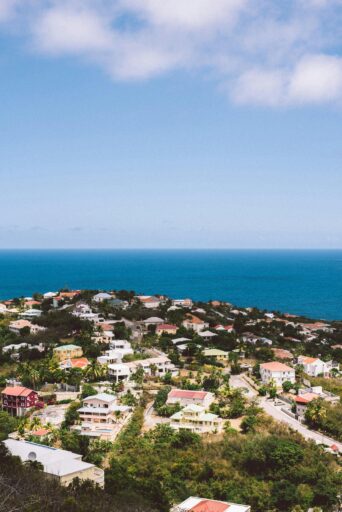
- Protección jurídica: Fuerte. Nieves ofrece algunos de los estatutos de protección de activos más fuertes del Caribe. Las leyes fiduciarias incluyen un breve plazo de prescripción de las reclamaciones de los acreedores, que suele ser de sólo uno o dos años, lo que dificulta a los acreedores extranjeros emprender acciones legales con éxito. Nieves también permite la protección de órdenes de cobro para las LLC, lo que significa que los acreedores no pueden hacerse con el control de la propia empresa.
- Privacidad: Alta. La jurisdicción no exige la divulgación pública de la titularidad real de fideicomisos o sociedades de responsabilidad limitada, lo que ofrece un alto nivel de confidencialidad a los titulares de activos.
- Facilidad de instalación: Fácil. Nieves es conocida por su eficiente y sencillo proceso de constitución. Los fideicomisos y las sociedades de responsabilidad limitada pueden registrarse en pocos días, a menudo sin necesidad de presencia física ni documentación exhaustiva.
- Estabilidad política: Estable. Como parte de la Federación de San Cristóbal y Nieves, el país disfruta de un clima político relativamente estable y de un sistema jurídico independiente que mantiene las tradiciones del derecho consuetudinario.
- Coste: Moderado. Constituir un fideicomiso o una SRL en Nieves es relativamente asequible en comparación con otras jurisdicciones de primer nivel. La constitución inicial suele oscilar entre $5.000 y $10.000, con gastos administrativos moderados dependiendo de la estructura y el proveedor de servicios.
Belice
- Protección jurídica: Sólida. La ley de fideicomisos de Belice ofrece sólidas características de protección de activos, incluido el no reconocimiento de sentencias extranjeras y un plazo de prescripción de dos años para las reclamaciones de acreedores. Sin embargo, la ejecución está menos probada que en jurisdicciones más consolidadas como las Islas Cook.
- Privacidad: Alta. Belice no exige la divulgación pública de los fideicomitentes o beneficiarios de fideicomisos, y su legislación hace hincapié en la confidencialidad financiera.
- Facilidad de instalación: Fácil. Los fideicomisos offshore pueden establecerse rápidamente, a menudo en unos pocos días, y los fideicomisarios locales están ampliamente disponibles para ayudar con el proceso.
- Estabilidad política: Razonable. Aunque en general es estable, la infraestructura legal y regulatoria de Belice está menos desarrollada y menos probada en disputas internacionales complejas en comparación con centros financieros más prominentes.
- Coste: De bajo a moderado (los costes de instalación suelen rondar los $1.500, con cuotas anuales relativamente bajas).
Centros financieros reputados con una sólida regulación
Estas jurisdicciones ofrecen tanto protección de activos como una sólida reputación internacional, ideal para personas con un elevado patrimonio neto y para quienes están sometidos a escrutinio.
- Protección jurídica: Fuerte. Aunque la legislación suiza no contempla los fideicomisos tradicionales, Suiza da cabida a los fideicomisos extranjeros y ofrece potentes alternativas de protección de activos, como las fundaciones suizas y las estructuras de inversión privada, a menudo acompañadas de servicios bancarios de alta seguridad. Estas estructuras pueden proteger los activos de reclamaciones extranjeras cuando se administran adecuadamente.
- Privacidad: Muy alto. Suiza es conocida por sus estrictas leyes de confidencialidad, especialmente en el sector bancario. Sin embargo, ha aumentado la transparencia en respuesta a iniciativas mundiales como la Norma Común de Información (CRS), aunque la privacidad de las estructuras legítimas sigue siendo fuerte.
- Facilidad de instalación: Complejo. El establecimiento de una estructura suiza requiere la coordinación con asesores profesionales, abogados e instituciones financieras reguladas. El cumplimiento de las normas y la documentación son rigurosos, por lo que es menos fácil para los principiantes.
- Estabilidad política: Extremadamente alta. Suiza tiene una larga reputación de neutralidad, seguridad jurídica y economía estable, lo que la convierte en una de las jurisdicciones más seguras del mundo.
- Coste: Alta (la instalación y el mantenimiento anual suelen superar los $20.000, especialmente con fideicomisario profesional o administración bancaria).
- Protección jurídica: Excelente. Singapur cuenta con un marco jurídico sólido y moderno en materia de fideicomisos, inspirado en parte en el common law inglés. Los fideicomisos establecidos en virtud de la Ley de sociedades fiduciarias se benefician de una sólida protección de los activos, y los tribunales de Singapur son conocidos por su imparcialidad y eficacia. Los fideicomisos bien redactados pueden proteger los activos de acreedores y litigios cuando se estructuran con una clara intención del fideicomitente y separación de control.
- Privacidad: Alta. Singapur mantiene estrictas normas de confidencialidad, y la información fiduciaria no forma parte de ningún registro público. Aunque el país cumple normas internacionales como CRS, las protecciones locales de la privacidad siguen siendo fuertes dentro de los límites legales.
- Facilidad de instalación: Moderado. La creación de un fideicomiso exige contratar a una sociedad fiduciaria autorizada, y los requisitos de diligencia debida son estrictos. Sin embargo, la jurisdicción está bien regulada y ofrece un proceso simplificado a quienes trabajan con profesionales experimentados.
- Estabilidad política: Muy alto. Singapur es un centro financiero respetado en todo el mundo, con un gobierno estable, escasa corrupción y un entorno jurídico predecible.
- Coste: De moderada a alta (suele rondar los $5.000-$15.000 anuales, dependiendo de la complejidad y los honorarios del fideicomisario).
- Protección jurídica: Fuerte. Liechtenstein ofrece un modelo híbrido único que combina las fundaciones de derecho civil con elementos de los fideicomisos de derecho anglosajón. Esta estructura permite una elevada protección de los activos, especialmente a través de fundaciones discrecionales en las que los beneficiarios tienen derechos limitados para hacer valer reclamaciones. Las sentencias extranjeras no se reconocen automáticamente, y la protección de activos puede ser eficaz cuando la entidad está debidamente estructurada y no se considera fraudulenta.
- Privacidad: Muy alto. Liechtenstein es conocido desde hace tiempo por su discreción financiera. Aunque cumple normas internacionales como el CRS, los detalles de las fundaciones no suelen divulgarse públicamente a menos que se dediquen a actividades comerciales.
- Facilidad de instalación: Moderada. Aunque la constitución de una fundación es relativamente sencilla, la estructura de derecho civil puede resultar desconocida para quienes estén acostumbrados a los sistemas de derecho anglosajón. Se recomienda asesoramiento jurídico para garantizar el pleno cumplimiento y una estructuración óptima.
- Estabilidad política: Muy alto. Como principado soberano con una sólida tradición financiera, Liechtenstein ofrece un entorno político y económico estable y un sistema jurídico muy desarrollado.
- Coste: Moderado a alto (normalmente $10.000-$20.000 dependiendo de la complejidad y los honorarios profesionales).
- Protección jurídica: Fuerte. La Isla de Man sigue un sólido marco fiduciario de derecho anglosajón, similar al del Reino Unido pero con su propio sistema judicial. Ofrece una base legal clara para los fideicomisos discrecionales e incluye disposiciones protectoras contra las reclamaciones de herencia forzosa.
- Privacidad: Alta. Los fideicomisos no se registran públicamente, y aunque la Isla de Man cumple con las normas mundiales de intercambio de información, conserva un alto grado de confidencialidad para las estructuras legítimas.
- Facilidad de instalación: Moderada. La jurisdicción cuenta con un sector de servicios fiduciarios bien desarrollado y estrictamente regulado, con fiduciarios autorizados que pueden establecer y gestionar fideicomisos de forma eficiente. Aun así, se recomienda una configuración profesional debido a las obligaciones de cumplimiento.
- Estabilidad política: Alta. Aunque es una dependencia de la Corona, la Isla de Man tiene su propio gobierno y sistema jurídico, lo que le proporciona una estabilidad financiera y política de larga data, al tiempo que se beneficia de estrechos vínculos con el Reino Unido.
- Coste: Moderado (alrededor de $5.000+ anuales, dependiendo de los honorarios del fideicomisario y de la complejidad).
Jurisdicciones flexibles y rentables
Estos países logran un equilibrio entre asequibilidad y niveles básicos de protección de los activos.
- Protección jurídica: Fuerte. Panamá ofrece una sólida protección de activos a través de fundaciones de interés privado, que se utilizan ampliamente para la planificación patrimonial y la protección de activos frente a juicios extranjeros. También se reconocen los fideicomisos, aunque normalmente se prefieren las fundaciones debido a su marco de derecho civil y flexibilidad añadida.
- Privacidad: Alta. Panamá ofrece fuertes protecciones de confidencialidad y se permiten directores o accionistas nominales, lo que aumenta la privacidad. Sin embargo, la reciente presión internacional ha impulsado una mayor transparencia en la información financiera.
- Facilidad de instalación: Fácil. Establecer una fundación es un proceso ágil que suele completarse en pocos días. Los fideicomisos requieren más precisión jurídica, pero también son accesibles con ayuda profesional.
- Estabilidad política: Relativamente estable. Aunque Panamá ha sufrido ocasionales disturbios políticos, sus sistemas financiero y jurídico siguen siendo estables y favorables a los negocios, especialmente en los sectores de la banca internacional y las empresas.
- Coste: De bajos a moderados, con unos costes de instalación que van de 1.000 a 2.500 euros, dependiendo de la estructura y el proveedor de servicios.
- Protección jurídica: Bien. Las Islas Caimán son la jurisdicción preferida para los hedge funds y las estructuras institucionales, ya que ofrecen sólidos marcos jurídicos para los fideicomisos y las SRL. Aunque es posible la protección de activos individuales, es menos sólida en comparación con las Islas Cook o Nieves, especialmente en lo que respecta a las protecciones contra sentencias extranjeras.
- Privacidad: Moderado. Las Islas Caimán han sido históricamente conocidas por su secreto financiero, pero los recientes acuerdos internacionales y el cumplimiento de las normas de la OCDE han reducido el anonimato. Los registros públicos de empresas y las obligaciones de información han disminuido ligeramente su ventaja en materia de privacidad.
- Facilidad de instalación: Fácil. La jurisdicción cuenta con un sector de servicios financieros bien establecido, y crear un fideicomiso, una fundación o una empresa a través de un proveedor autorizado es un proceso rápido y eficaz.
- Estabilidad política: Alta. Como territorio británico de ultramar, las Islas Caimán se benefician de un sistema político y jurídico estable, junto con un sólido marco regulador que se ajusta a las normas internacionales.
- Coste: Elevadas, especialmente por las tasas de cumplimiento y mantenimiento en curso, que pueden superar los $10.000 anuales, dependiendo de la complejidad de la estructura.
¿Cuál es la mayor protección de activos?
La protección de activos más sólida suele proceder de jurisdicciones que:
- No reconocer las resoluciones judiciales extranjeras
- Exigir umbrales legales elevados para las demandas por transferencia fraudulenta
- Imponer leyes estrictas sobre privacidad
- Ofrecer plazos de prescripción largos o estrictos
- Permitir fideicomisos discrecionales en los que los beneficiarios no tengan un interés fijo
Actualmente, las Islas Cook y Nieves son consideradas las más impenetrables por los juristas debido a sus leyes favorables a los fideicomitentes y a su resistencia a la ejecución externa.
¿Cuál es la desventaja de un fideicomiso offshore?
- Costes elevados: La creación de un fideicomiso offshore suele conllevar importantes gastos legales, administrativos y fiduciarios. El mantenimiento continuo también puede ser costoso, sobre todo en jurisdicciones bien reguladas como las Islas Cook o Suiza.
- Cumplimiento complejo: Los fideicomisos offshore deben cumplir tanto la normativa del país de acogida como los requisitos de información del país de origen del fideicomitente. Por ejemplo, los ciudadanos estadounidenses están obligados a declarar los fideicomisos extranjeros al IRS, a menudo a través de complejos formularios como el 3520 y el 3520-A.
- Mayor control: Algunos gobiernos e instituciones financieras consideran los fideicomisos extraterritoriales como vehículos para una planificación fiscal agresiva. Como resultado, pueden enfrentarse a un escrutinio adicional, especialmente durante las auditorías o al transferir activos.
- Riesgo para la reputación: Las estructuras extraterritoriales, en particular las que se encuentran en jurisdicciones asociadas con el secreto, pueden desencadenar señales de alarma durante las comprobaciones de diligencia debida. Aunque sean totalmente legales y conformes, pueden ser percibidas negativamente por los reguladores o las instituciones financieras.
- Sin beneficios fiscales garantizados: Los fideicomisos offshore no ofrecen un medio legal para evadir impuestos. Las jurisdicciones de los fideicomitentes (como EE.UU., Reino Unido o Australia) pueden gravar los ingresos mundiales con independencia de dónde se encuentre el fideicomiso. El incumplimiento puede acarrear graves sanciones.
- Riesgos jurídicos en caso de uso indebido: Si el fideicomiso no está bien estructurado (por ejemplo, reteniendo demasiado control o infringiendo las normas de transparencia), los tribunales o las autoridades fiscales pueden no tenerlo en cuenta. En tales casos, los acreedores o los gobiernos podrían acceder a los activos.
Conclusión
Los países offshore de protección de activos no son de talla única.
Aunque cada una ofrece ventajas jurídicas y financieras distintas, la jurisdicción adecuada depende en última instancia de su perfil único, como su ciudadanía, sus necesidades de planificación patrimonial y su exposición a litigios.
Antes de comprometerse, asegúrese de que la estructura elegida cumple todos los requisitos y cuenta con el apoyo de un asesor jurídico acreditado y familiarizado con la normativa transfronteriza.
Preguntas frecuentes
¿Puedo acceder a mis activos en un fideicomiso offshore?
Sí, puede beneficiarse de un fideicomiso offshore, especialmente si se trata de un fideicomiso discrecional.
Sin embargo, el fideicomisario suele controlar el acceso para mantener la protección de los activos. Mantener demasiado control puede debilitar las defensas legales.
¿Puede la protección de activos offshore ayudar en casos de divorcio?
Potencialmente. En algunas jurisdicciones, los fideicomisos offshore pueden proteger los activos de ser incluidos en los acuerdos de divorcio.
Sin embargo, el momento oportuno y una estructuración adecuada son fundamentales para evitar un revés legal debido a una transmisión fraudulenta.
¿Cuánto tiempo se tarda en crear un fideicomiso offshore?
Suele llevar de 2 a 6 semanas, dependiendo de la jurisdicción, la complejidad de la estructura y la diligencia debida requerida.
¿Le duele la indecisión financiera?

Adam es un autor reconocido internacionalmente en temas financieros, con más de 830 millones de respuestas en Quora, un libro muy vendido en Amazon y colaborador de Forbes.


