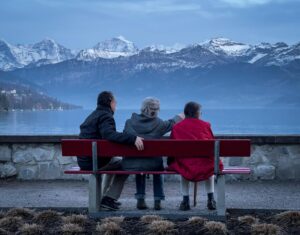
Switzerland offers a retirement visa for financially independent retirees, typically requiring proof of substantial wealth, such as an annual income of at least CHF 100,000 (varies by canton).
The Switzerland retirement visa is a popular option for high-net-worth expats seeking a secure, tax-efficient, and high-quality lifestyle.
Este artículo trata:
- What are the Swiss retirement visa financial requirements?
- How much money is required to retire in Switzerland?
- Is it good to retire in Switzerland?
- What is the most affordable place to live in Switzerland?
Mis datos de contacto son hello@adamfayed.com y WhatsApp +44-7393-450-837 si tiene alguna pregunta.
La información contenida en este artículo es meramente orientativa. No constituye asesoramiento financiero, jurídico o fiscal, ni una recomendación o solicitud de inversión. Algunos hechos pueden haber cambiado desde el momento de su redacción.

What is the retirement visa for Switzerland?
En Switzerland retirement visa is not a dedicated program like those in Portugal or Spain, but retirees can apply for a long-stay residence permit under the D visa category.
This option is typically granted to non-EU/EFTA nationals who can prove sufficient financial resources, stable accommodation, and comprehensive health seguro.
Can I move to Switzerland if I am retired?
Yes, retirees can move to Switzerland, but the eligibility criteria differ depending on whether you are an EU/EFTA citizen or a non-EU/EFTA national.
🔹 For EU/EFTA citizens
- Benefit from the right to free movement.
- Can apply directly for a residence permit (typically a B permit).
- Requirements are relatively simple: proof of financial self-sufficiency and health insurance.
- No strict age threshold or obligation to demonstrate ties to Switzerland.
🔹 For non-EU/EFTA nationals
- Must apply for a long-stay residence permit under the D visa category.
- Eligibility is stricter and often discretionary at the canton level. Applicants must:
- Show proof of adequate financial means to support themselves without working.
- Be at least 55 years old (in most cantons, though requirements may vary).
- Provide evidence of health insurance valid in Switzerland.
- Show proof of accommodation, such as a rental contract or property ownership.
- Convince Swiss authorities that they have strong ties to the country (such as frequent visits, family links, or cultural connections).
In short, EU/EFTA retirees enjoy a simplified pathway, while non-EU/EFTA nationals face more demanding requirements and closer scrutiny.
What is the D type visa for Switzerland?
The D visa is Switzerland’s long-stay national visa, designed for stays of more than 90 days.
It is the visa category that non-EU/EFTA retirees must apply for if they wish to settle in Switzerland.
Unlike the short-stay Schengen C visa (valid up to 90 days), the D visa serves as the first step toward obtaining a residence permit.
Approval is not automatic; applications are reviewed at both the cantonal and federal levels, and authorities assess whether the retiree meets the financial, health insurance, and accommodation requirements.
Once granted, the D visa allows entry into Switzerland, where the retiree can then apply for a residence permit (usually the B permit) for longer-term settlement.
What is the B visa in Switzerland?
The B permit (residence permit) is issued after entering Switzerland with a D visa.
It allows retirees to legally reside in Switzerland, usually on a one-year renewable basis, provided they continue to meet financial and legal requirements.
What are the retirement rules in Switzerland?
Key rules include:
- Age requirement: Applicants are usually expected to be 55 years or older, though this can vary by canton. Younger applicants may be considered only in exceptional cases if they demonstrate very strong financial capacity and close ties to Switzerland.
- No reliance on social welfare: Retirees must prove they have sufficient resources to cover all living expenses without accessing Swiss public funds.
- Mandatory health insurance: Comprehensive health insurance valid in Switzerland must be maintained for the entire stay.
- Annual renewal of permits: The initial residence permit (typically a B-permit linked to the D visa) is valid for one year and must be renewed annually, with proof of ongoing eligibility.
- Employment restrictions: Retirees are not permitted to work under this permit. Any employment, even part-time or consulting, requires a separate authorization.
- Accommodation requirement: Applicants must secure appropriate housing in Switzerland, such as a rental agreement or proof of property ownership.
- Ties to Switzerland: Authorities often expect evidence of genuine connections to the country; for example, prior frequent stays, family links, or cultural integration.
How to apply for a retirement visa in Switzerland?
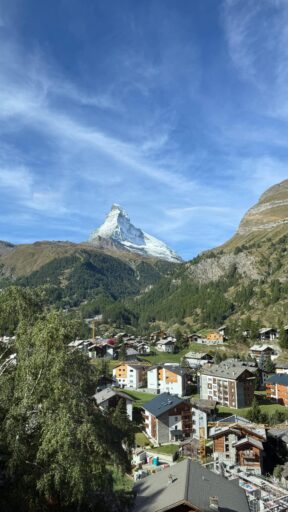
The process involves:
- Completing the Switzerland retirement visa application form at your local Swiss consulate or embassy.
- Submitting required documents, including passport, proof of income/assets, health insurance, and accommodation.
- Paying the applicable visa and residence permit fees.
- Awaiting approval from both cantonal and federal immigration authorities.
- Upon arrival, registering with the local communal authorities in your chosen canton.
How much money do I need to retire to Switzerland?
Financial requirements vary by canton, but retirees generally need:
- Annual income or assets: Retirees must demonstrate sufficient financial self-sufficiency, but amounts vary drastically by canton:
- Vaud: CHF 100,000 to 120,000 per year
- Zurich: Often expects assets of CHF 1.5 million, or a similar stable income
- Ticino: Requires around CHF 120,000 per year for single retirees, CHF 150,000 for couples
- Richmond Chambers emphasizes that no federal fixed rate exists; instead, applicants must show financial means that comfortably exceed what would qualify Swiss citizens for public assistance often amounting to millions in liquid assets or reliable pension income
- Proof of assets or income: Required documentation may include bank statements, pension details, or investment summaries
- Tasas: While not precisely standardized, visa and permit-related charges typically fall within an estimated range of CHF 100–400, depending on the type of permit and canton.
- Security deposit: Some cantons may mandate a financial guarantee held in a Swiss bank account; however, this requirement depends on local discretion
Switzerland retirement visa advantages and disadvantages
Ventajas:
- Exceptional quality of life: Switzerland consistently ranks among the top countries worldwide for safety, stability, and overall quality of life, offering retirees peace of mind.
- World-class healthcare system: Retirees benefit from one of the best healthcare systems globally, known for its efficiency and advanced medical facilities.
- Breathtaking environment: The country’s stunning alpine landscapes, pristine lakes, and picturesque villages create an ideal setting for a peaceful retirement.
- Cultural richness and connectivity: Major cities like Geneva, Zurich, and Lausanne are cultural hubs, while Switzerland’s central European location makes it easy to travel to France, Italy, Germany, and beyond.
- Political and economic stability: Switzerland’s strong economy and neutrality provide a secure environment for long-term planificación de la jubilación.
Desventajas:
- High cost of living: Everyday expenses from housing to healthcare premiums are among the highest in Europe, particularly in Zurich, Geneva, and Basel.
- Strict eligibility criteria: Unlike countries such as Portugal or Spain, Switzerland imposes high financial thresholds, age requirements, and strong scrutiny of applicants.
- Limited pathways for non-EU/EFTA retirees: Citizens from outside the EU face tougher requirements and fewer integration options than their European counterparts.
- Annual permit renewals: Residence permits linked to retirement visas must be renewed yearly, requiring ongoing proof of financial stability and compliance with rules.
- Language and cultural barriers: While English is widely spoken, integration into Swiss society can be challenging without knowledge of the local languages (German, French, or Italian depending on the canton).
Is Switzerland good for retirees?
Switzerland is ideal for wealthy retirees who value safety, healthcare, and lifestyle.
It is less suitable for those on moderate pensions, given the high cost of living.
Where is the cheapest place to live in Switzerland?
The cheapest regions for retirees include:
- Canton of Jura – One of the most affordable cantons in Switzerland, Jura offers the lowest average housing and rental prices in the country. It is a quiet, rural area, making it attractive for retirees seeking a slower pace of life.
- Valais – Known for its alpine beauty, Valais provides more affordable living in smaller towns and villages compared to luxury ski resorts like Zermatt. Retirees enjoy access to nature and outdoor activities without the price tag of major cities.
- Fribourg – This bilingual canton (French and German) offers relatively low property costs and rental prices compared to Zurich or Geneva, while still providing good access to urban amenities.
- Neuchâtel – Another canton with lower housing costs, Neuchâtel combines lake views, vineyards, and cultural attractions at a more moderate price point.
- Ticino (outside Lugano) – While Lugano can be expensive, smaller towns in Ticino offer more affordable living while still providing a mild climate and Italian cultural influence.
What is a cheaper alternative to Switzerland?
For retirees seeking similar landscapes at lower cost, alternatives include:
- Austria – With its alpine landscapes, well-developed infrastructure, and high standard of healthcare, Austria provides a similar mountain lifestyle to Switzerland. Housing and general living costs are significantly lower, especially outside Vienna. Retirees also benefit from Austria’s cultural richness and central location in Europe.
- Portugal – Popular among retirees for its warm climate and affordable living, Portugal combines lower taxation policies with retirement-friendly visa options like the D7 visa. Healthcare and real estate costs are more manageable compared to Switzerland, and English is widely spoken in expat communities.
- España – Offering both Mediterranean and inland lifestyles, Spain is one of Europe’s most affordable retirement destinations. It provides high-quality but affordable healthcare, accessible property markets, and multiple visa pathways for retirees, such as the non-lucrative visa. The cost of daily living is much lower than in Switzerland’s major cities.
- Eslovenia – A lesser-known option, Slovenia has alpine scenery, a lower cost of living, and proximity to both Austria and Italy. Retirees enjoy a peaceful lifestyle and more affordable housing options.
Conclusión
Switzerland retirement visa is best suited for retirees who prioritize exclusivity, long-term stability, and access to world-class infrastructure.
While the process is demanding and tailored to high-net-worth individuals, it also ensures that those who qualify enjoy a secure and privileged retirement environment.
For others, considering nearby alternatives may provide a balance between lifestyle and affordability.
Ultimately, the choice depends on whether retirees value Switzerland’s unique blend of prestige and security enough to meet its stringent entry requirements.
Preguntas frecuentes
What is the visa refusal rate for Switzerland?
The Schengen visa refusal rate for Switzerland hovers around 10–12% depending on the year.
Retirement visa approvals depend heavily on the applicant’s financial situation, documentation, and ties to Switzerland.
What is the difference between a C and D visa?
-C Visa: Short-stay Schengen visa, valid for up to 90 days.
-D Visa: National long-stay visa, required for residency purposes such as retirement, work, or study.
Which language is spoken in Switzerland?
Switzerland has four official languages: German, French, Italian, and Romansh.
The most widely spoken is Swiss German, followed by French (mainly in the west), Italian (in the south, Ticino), and Romansh (in parts of Graubünden).
The language you’ll use daily depends on the canton where you choose to retire.
How many years do I have to work in Switzerland to get pension?
To receive a full Swiss state pension (AHV/AVS), you generally need to contribute for 44 years (men) or 43 years (women).
Partial pensions are possible with fewer contribution years, but the amount is reduced accordingly.
Expats may also qualify for pension benefits depending on contribution history and applicable social security agreements with their home country.
¿Le duele la indecisión financiera?

Adam es un autor reconocido internacionalmente en temas financieros, con más de 830 millones de respuestas en Quora, un libro muy vendido en Amazon y colaborador de Forbes.