Aunque ya he examinado acciones frente a propiedades y si alquilar es dinero muerto, En este artículo analizaremos si es más barato construirse una casa.
Está claro que depende del país en el que vivas, pero en este artículo expondremos algunos argumentos generales.
Incluirá los mejores proveedores de hipotecas para expatriados y residentes en el país.
Si desea invertir de forma portátil, póngase en contacto conmigo a través de este formulario, o utilizando la función WhatsApp que aparece a continuación.
Introducción:
A menudo surge una pregunta entre las personas que desean tener una casa. La pregunta es si es más barato construir una casa. ¿O es más barato comprar una casa ya existente?
Bueno... no digas más a esas dudas... Para aclarar con tus dudas, hemos decidido aclarar esta duda entre nuestros lectores de una vez por todas.
Por lo tanto, en el artículo de hoy, vamos a discutir todos los aspectos relacionados con la compra de una casa, así como la construcción de una casa y le mostrará una comparación después de considerar todos los factores importantes.
Así que, sin perder más tiempo, entremos en el tema de hoy, es decir, “¿Es menos caro construir una casa? ¿O es menos caro comprar una?”.”
Es muy poco frecuente que la gente intente construir su casa desde el principio. Sin embargo, este tipo de personas cuentan con las ventajas de modificar sus casas en función de sus propias especificaciones.
Algunas personas consideran la compra de una casa, de todos modos, terminan con diferentes tipos de costos relacionados con la remodelación de sus hogares. Por otra parte, tendrían que comprometer la personalización basada en su deseo.
La compra de la primera vivienda puede parecer un proceso que implica mucho esfuerzo. Sin embargo, con la ayuda del abogado perfecto y de un agente inmobiliario eficiente, este proceso puede estar exento de complicaciones.
Para comprar una casa, la mayoría de la gente se pone en contacto con un prestamista que parece ofrecer una oferta ventajosa en un préstamo hipotecario antes de comprar una casa. A menudo, la gente opta por aprovechar este servicio de préstamo hipotecario de su banco.
De este modo, una persona podrá calcular su presupuesto para la compra de una nueva vivienda junto con todos los demás gastos que conlleva.
Tras elegir una vivienda que se adapte a sus necesidades, pueden mudarse a su nueva residencia una vez finalizado el proceso de firma del acuerdo. Se considera una buena opción para las personas que desean trasladarse rápidamente a otro estado o país.
Como ya se ha dicho, el mayor inconveniente de este proceso es la falta de personalización según las preferencias de cada persona. La personalización puede hacerse, sin embargo, lo que implica muchos costes de remodelación.
Construir una casa es una experiencia emocionante. Una persona consigue sentarse con un arquitecto y crear un diseño excelente para su hogar ideal. Esta estrategia requiere mucho tiempo, y la persona tendría que hacer frente a algunos problemas.
Según los estudios realizados por algunas fuentes fiables, construir una casa es 30% más barato por metro cuadrado que comprar una casa ya existente.
Por ejemplo, comprar una casa construida en los años 60 y con una superficie media de 1.500 m2 costará alrededor de $150 por m2. En cambio, construir una casa puede costar sólo $100 por pie cuadrado.
Sin embargo, en el precio de construir una casa influyen distintos tipos de factores, como el estado en el que se encuentra el terreno, el vecindario, etc. Sin embargo, hay quien afirma que no es así y que construir una casa puede costar más que comprarla.
Por término medio, la mayoría de las casas nuevas tienen una superficie media de 2.500 pies cuadrados, lo que significa que tienen menores costes de construcción, pero los costes totales serán mayores que comprando una casa ya existente.
Por el contrario, la superficie adicional compensará los costes adicionales y las personas que deseen construir una casa con bajos costes pueden optar por hacer que el arquitecto cree un diseño para una casa pequeña de unos 1.500 pies cuadrados.
Esto les hará ahorrar 30% dinero en comparación con la compra de una casa como se ha descrito anteriormente.
Ventajas de construir una casa:
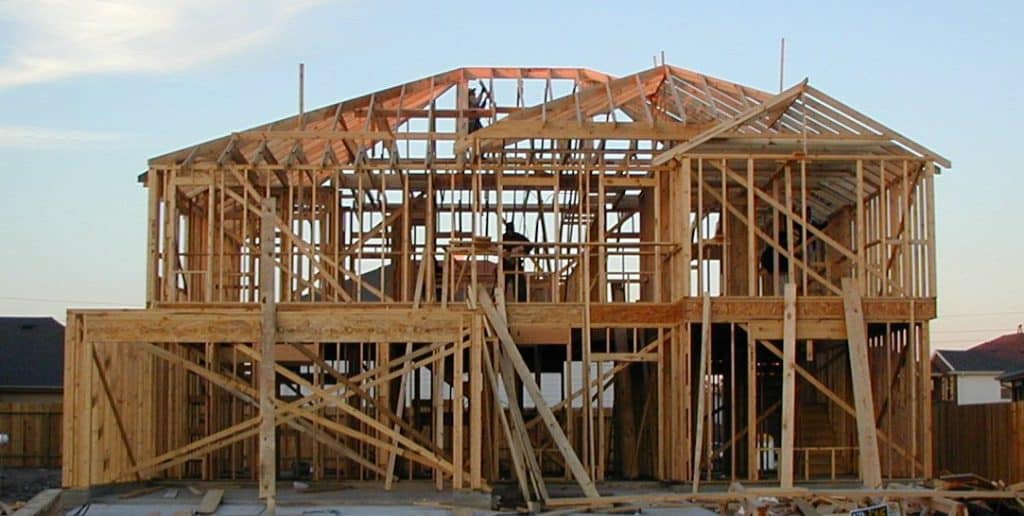
Aunque construir una casa no es tan cómodo como comprar una ya existente e implica un proceso que requiere menos esfuerzo.
Una persona tendría que buscar un terreno, contratar a un arquitecto, contratar a un constructor, encontrar los materiales de diferentes proveedores, etc. para construir una casa, y al elegir comprar una, puede evitar todo esto.
También existe el riesgo de salirse del presupuesto durante la construcción de una casa, lo que puede deberse a diversos factores, como los costes de mano de obra, los retrasos en las obras, la variación de los precios reales de los materiales con respecto a los precios estimados, etc.
Sin embargo, los riesgos mencionados de salirse del presupuesto podrían evitarse si la persona cuenta con un constructor reputado que sea eficaz en su línea de trabajo.
Optar por una casa que ya está en construcción puede acelerar las cosas, pero el nivel de elección puede llegar a ser limitado. Hay factores que deben tenerse en cuenta, como el alcantarillado, las condiciones ambientales, el entorno, etc.
La mayor ventaja de construir una casa es la posibilidad de personalizarla según las necesidades y deseos. Este es el principal factor que se considera muy beneficioso para las personas que desean construir su casa.
Ventajas de comprar una casa:
La compra de una casa tiene dos grandes ventajas, que son la comodidad y el coste. Una vez que la persona obtiene un préstamo preaprobado, puede buscar unas cuantas opciones, elegir una casa y hacer una oferta.
Después de hacer una oferta, un agente inmobiliario guiará a la persona y podrá llevar a cabo el proceso de forma bien organizada.
Esto significa que el agente encontrará algunas propiedades adecuadas para el cliente, le guiará en la negociación y le ayudará con el papeleo necesario.
Después de que la persona acepte la oferta, se confirmará el acuerdo. Después, la persona puede mudarse en un plazo de uno o dos meses, que varía en función de las circunstancias.
En el proceso de compra de una casa intervienen muchos pasos, como la financiación, la búsqueda de viviendas, la presentación de ofertas, la inspección de las casas, etc. Teniendo esto en cuenta, la mayoría de la gente opta por comprar una casa ya construida.
El coste medio de construcción de una casa:
Según las estadísticas de la Asociación Nacional de Constructores de Viviendas, el coste de construcción de una casa en EE.UU. es de unos $85,65 por pie cuadrado o $237.800 por una casa de 2.776 pies cuadrados (aprox.).
Pero un agente inmobiliario llamado Bill Gassett, que también es propietario de Maximum Real Estate Exposure, situada en Hopkinton, Massachusetts, afirma que construir una casa es bastante más complicado.
Cuando se construye una casa, la mejor opción para hacerse una idea de los costes que va a suponer es contar con un presupuesto exacto del arquitecto y el constructor, de modo que haya menos posibilidades de que los costes se salgan de lo previsto.
También puede ser útil ponerse en contacto con otros constructores y arquitectos y comparar los servicios que ofrecen para obtener el mejor presupuesto.
‘Construir una casa en un terreno de propiedad anterior’ - La principal diferencia en el coste medio entre construir una casa y comprarla es el coste del terreno. Al comprar una casa, la persona obtiene un precio que incluye también el terreno.
Por otra parte, una persona que construye una casa también tiene que hacer frente a los costes que conlleva la compra del terreno. Por lo tanto, el coste del terreno es un gasto añadido para las personas que construyen una casa.
‘Comprar la tierra’ - Como el precio de una casa ya existente también tiene en cuenta el valor del terreno, construir una casa supondría costes adicionales. Por lo tanto, una persona que quiera financiar su casa puede recurrir a un préstamo de construcción para comprar el terreno, la mano de obra y los materiales necesarios.
Posteriormente, una vez finalizado el proyecto, puede convertirse en una hipoteca tradicional. Los terrenos que no dispongan de servicios públicos in situ, como agua y electricidad, tendrán dificultades de financiación. Esto se debe a la dificultad en el proceso de venta del terreno, en caso de impago del préstamo.
‘Utilidades Las necesidades habituales que los propietarios suelen dar por sentadas pueden convertirse en gastos importantes para los constructores. Mucha gente ni siquiera piensa en los costes de obtener permisos y conectar los servicios públicos.
Una agente inmobiliaria de Seattle llamada Simran Chandok afirma que estos costes pueden superar las decenas de miles de dólares. Además, existe la posibilidad de encontrarse con problemas relacionados con los permisos municipales en función de la zona, lo que puede requerir mucho tiempo para completar la construcción, según ella.
Lo mejor para las personas es acceder a un terreno que tenga antes los servicios públicos y las carreteras. También se puede pedir al vendedor que realice estas obras al hacer la oferta.
‘Excavación Después de construir una casa, hay que tener en cuenta algunos aspectos importantes. Estos aspectos incluyen:
- Calidad del suelo.
- Comprobar si hay una roca bajo la superficie de hierba del terreno.
- Un sistema de drenaje eficaz en caso de inundación.
- La eficacia de la fundación, y muchas más.
Estas son las preguntas que nos vienen a la mente nada más empezar el proceso de construcción. Para comprobar estos aspectos y hacer cambios (si es necesario), una persona tendría que gastar mucho dinero.
Este tipo de problemas podrían ser superados por la persona si solicita al agente inmobiliario un periodo de inspección de 30 días mientras realiza la oferta.
Durante este tiempo, esa persona concreta podría obtener sugerencias de expertos sobre estos aspectos, obtener un coste estimado y asegurarse de que el terreno es una buena inversión.
Al solicitar un periodo de inspección, una persona puede rechazar la oferta si no está satisfecha con el estado del terreno.
‘Coste medio de los materiales de construcción’ - Las personas pueden ahorrar algo de dinero a la hora de elegir entre construir o comprar si son capaces de tener una idea exacta de lo que ocurre con su dinero.
Por lo que dice Gassett, al final todo se reducirá a los detalles y los acabados de la casa. Las viviendas se clasifican en 4 tipos: ‘Económica’, ‘Estándar’, ‘A medida’ y ‘De lujo’.
Dependiendo del nivel, los costes de construcción de una casa pueden variar más de lo que uno se imagina. Veamos en detalle los costes medios de la construcción de una casa:
Cimentación - Incluye excavación, hormigón y muros de contención, y su precio puede rondar los $26.000.
Armazón: incluye el revestimiento, las vigas, etc., y su precio puede rondar los $41.000.
Trabajo de sitio - Esto incluye honorarios del permiso, arquitectura, inspecciones, etc., y el precio para esto puede ser alrededor $16.000.
Acabado exterior: incluye tejados, puertas, ventanas, etc., y su precio puede rondar los $33.000.
Acabado interior: incluye pinturas, suelos, luces, electrodomésticos, etc., y su precio puede rondar los $68.000.
La fase principal de la construcción: incluye los servicios de fontanería, electricidad, calefacción, ventilación y aire acondicionado, etc., y su precio puede rondar los $33.000.
Toques finales - Esto incluye calzadas, jardinería, limpieza, etc., y el precio de esto puede ser de alrededor de $16, 500.
Estos precios son orientativos y los reales pueden variar en función de distintos factores.
Según la NAHB, sólo los acabados interiores suponen 30% de los costes totales de construcción. Otros costes, como el aislamiento o los paneles de yeso, son flexibles, pero los de pintura, suelos, iluminación y armarios dependen de las opciones elegidas.
Hacer un trabajo preliminar sobre las casas de una región antes de empezar puede ayudar a una persona a hacerse una idea y la persona debe intentar mantener los costes en la media o, de lo contrario, acabará perdiendo mucho dinero.
El coste medio de la compra de una vivienda:
Se calcula que el coste medio de construcción de una casa en Estados Unidos es de $238.000 sin incluir los gastos adicionales antes de mudarse.
‘Gastos de cierre’ - Los gastos de cierre consisten en diferentes tipos de comisiones y costes. Algunos de ellos son:
- Tasa de Tasación
- Tasa de encuesta
- Comisión por transferencia bancaria
- Comisión de suscripción y apertura
- Gastos de preparación de los documentos
- Seguro de título
Se prevé que, en conjunto, estos costes asciendan a unos 2% - 5% del valor de compra.
‘Comisión’ - No hay que olvidar la comisión del agente inmobiliario. Si el comprador y el vendedor tienen agentes inmobiliarios distintos, ambos se repartirán una comisión de unos 6% por la venta de la vivienda.
‘Impuesto sobre bienes inmuebles Una empresa de bases de datos de propiedades llamada ATTOM Data proporciona datos, que afirman que durante el año 2018, los impuestos a la propiedad en Estados Unidos se estimaron en $3,498 por casa.
Los impuestos actuales pueden ser superiores o inferiores a este valor en función del valor de la propiedad, su ubicación en el vecindario y los tipos impositivos estatales.
‘Seguro de hogar’ - Al igual que los impuestos sobre la propiedad, las tarifas del seguro de hogar pueden variar en función del estado y del valor de la propiedad. Además, la puntuación crediticia del propietario también se considera un factor importante.
El coste medio del seguro de hogar (al año) en Estados Unidos se estima en $1.083 según la información obtenida de Value Penguin, que es una empresa de Lending Tree.
‘Seguro Hipotecario Privado (PMI)’ - Si una persona compra una casa con un pago inicial inferior a 20%, tendrá que pagar el PMI de su hipoteca hasta que el valor sea igual a 20%.
El PMI cuesta alrededor de 0,5% a 1% del importe total del préstamo, lo que no debe tomarse a la ligera. Por ejemplo, si una persona una hipoteca de $500.000 tendría unos costes de PMI que oscilarían entre $2.500 y $5.000 anuales.
‘Cuotas de la Asociación de Propietarios (HOA)’ - Es posible que la gente tenga que compartir gastos con sus vecinos para mantener las zonas comunes. Si un vecindario tiene una asociación, es muy probable que haya cuotas comunes.
Es importante que una persona conozca la cantidad que debe pagar como HOA y para qué se utilizará el dinero.
Riesgos tanto de comprar como de construir:
Construir o comprar no se considera ventajoso en comparación con alquilar, según los datos de la Encuesta sobre la Comunidad Estadounidense realizada por la Oficina del Censo de Estados Unidos.
Estos datos rastrearon los costes medios de la vivienda de los años 2013 a 2017 y determinaron que las personas que poseen una casa gastaron más dinero mensualmente en comparación con los inquilinos en todos los estados.
Sin embargo, poseer una casa ofrece la estabilidad y el sentimiento de propiedad que la gente suele desear. Con el tiempo también tienen otras ventajas, como el patrimonio neto, las deducciones fiscales de la hipoteca, la posibilidad de tener el tipo de mascota que deseen, etc.
Dejando a un lado la comparación con el alquiler, tanto comprar como construir una casa entraña algunos riesgos. Veamos cuáles son esos riesgos.
‘Trabajo’ - Si existiera la posibilidad de que el propietario se quedara sin trabajo, podríamos observar un caso de pérdida de ingresos y puede ser bastante devastador. Cualquier incumplimiento en el pago de la hipoteca no sólo dará lugar a la ejecución hipotecaria, sino que la persona también perderá su casa y su crédito se verá afectado durante al menos siete años.
Por otro lado, un cambio en los planes profesionales o en la ubicación podría no ser tan desventajoso, pero la persona tendría que vender su casa por una cantidad que le reportaría menos de lo que ha gastado.
Es mejor saber sobre el trabajo como estabilidad, seguridad, etc., incluso mejor si la persona habla con su jefe sobre la situación y lo que la persona tiene que hacer para que su trabajo sea seguro.
‘Declive del mercado Según un estudio de la Universidad de Stanford, entre 2007 y 2013, el hogar estadounidense medio perdió 43% de su valor total. Esto se debió especialmente a la crisis inmobiliaria de 2008.
El valor de la vivienda retrocedió y siguió la corriente de las tendencias del mercado estadounidense y del empleo. Esto significa que una persona tiene un poder limitado sobre la estabilidad de sus activos. Antes de comprar, es mejor conocer las previsiones de crecimiento, la tasa de desempleo y los valores del vecindario.
‘Subida del impuesto sobre bienes inmuebles Siempre existe la posibilidad de que los impuestos sobre la propiedad experimenten una subida drástica y, especialmente para las personas que están construyendo una casa, la primera liquidación de impuestos podría afectar mucho a su presupuesto.
Es esencial reunirse con el agente inmobiliario o el constructor y discutir con ellos los tipos estimados del impuesto sobre bienes inmuebles. Preparar un presupuesto con antelación puede ser ventajoso.
‘Mantenimiento imprevisto La construcción de una casa puede conllevar gastos imprevistos e incluso es posible que la casa ya construida tenga gastos de renovación, como tejados, fontanería, cableado, etc.
Conclusión:
¿Qué es mejor, construir o comprar? Si quiere que le respondamos qué es mejor entre construir y comprar, le diremos que depende de usted.
Sí, factores como tu estabilidad financiera, tu capacidad para hacer frente a los cambios en los costes (si se produjera alguno), tu elección, etc., te ayudan a elegir la opción entre construir o comprar una casa que más te convenga.
Incluso es mejor decir que la mejor opción para usted se basa en si elige la comodidad o la personalización. Esto se debe a que la comodidad es el principal aspecto de la compra de una casa y la personalización es el mejor aspecto de la construcción de uno.
Por lo tanto, si quiere que su casa cumpla todos sus requisitos y tenga un diseño que le guste, debe optar por construir una casa. Si lo que quieres es mudarte cuanto antes y evitarte todas las complicaciones, lo mejor es que optes por comprar una casa.
Opción más barata - Como sugiere nuestro tema, el principal objetivo de este artículo es encontrar la forma menos costosa de tener una casa. Teniendo en cuenta todos los puntos mencionados, podemos decir que comprar una casa en la mayoría de los casos puede ser más barato que construirla.
Sin embargo, si usted es una persona que quiere construir su propia casa y se sintió decepcionado por la respuesta dada anteriormente, no se preocupe ... Usted puede ser capaz de construir una casa a bajo costo por tener un buen constructor y arquitecto, y siguiendo algunos de los métodos mencionados anteriormente que reduciría los costos.
Conclusión - Si aún necesita aclaraciones sobre este tema, no dude en ponerse en contacto con nosotros. Si necesita un asesor financiero personal o un gestor de patrimonios, puede recurrir a los servicios financieros especializados que ofrecemos.
Dicho esto, esperamos que haya podido encontrar la información que buscaba en el artículo mencionado.