El Derecho de sucesiones para extranjeros en Alemania permite a los no ciudadanos heredar bienes alemanes en el mismo marco jurídico que los nacionales alemanes.
Las normas sucesorias alemanas se aplican a las herencias que implican bienes alemanes o vínculos cualificados con Alemania, independientemente de la nacionalidad o residencia del heredero.
Este artículo trata:
- ¿Cuál es la legislación alemana sobre sucesiones?
- ¿Cuál es el importe de las herencias exentas de impuestos en Alemania?
- ¿Se aplica el impuesto de sucesiones a los no residentes?
- ¿Quién es el primero en heredar?
- ¿Qué es un certificado sucesorio en Alemania?
Principales conclusiones:
- Los extranjeros pueden heredar bienes alemanes sin ciudadanía ni residencia.
- Las clases de herederos legales determinan la herencia si no existe testamento.
- Los no residentes pueden seguir sujetos al impuesto de sucesiones alemán.
- A menudo se requiere un certificado Erbschein o equivalente para acceder a los activos.
Mis datos de contacto son hello@adamfayed.com y WhatsApp +44-7393-450-837 si tiene alguna pregunta.
La información contenida en este artículo es meramente orientativa. No constituye asesoramiento financiero, jurídico o fiscal, ni una recomendación o solicitud de inversión. Algunos hechos pueden haber cambiado desde el momento de su redacción.

¿Cuáles son las leyes sucesorias en Alemania?
El Derecho sucesorio alemán se basa en sucesión universal, Esto significa que todos los activos y pasivos del difunto pasan automáticamente a los herederos en el momento del fallecimiento.
Si no hay testamento válido, se aplican las normas legales de sucesión, que determinan los herederos en función del orden familiar y el grado de parentesco.
Los puntos clave son:
- Acciones obligatorias (Pflichtteil): Los parientes cercanos, como cónyuges e hijos, tienen garantizada una parte mínima aunque estén excluidos del testamento.
- Clases de herederos y orden: La legislación alemana especifica la jerarquía de los herederos, empezando por los hijos, luego los cónyuges, los padres y los parientes más lejanos.
- Testamentos y libertad testamentaria: Aunque los particulares pueden redactar un testamento para asignar sus bienes, las participaciones obligatorias para los herederos protegidos no pueden anularse totalmente.
- Herederos extranjeros: Los no nacionales tienen los mismos derechos sucesorios que los nacionales alemanes, pero deben seguir los requisitos procesales alemanes. Si la herencia afecta a varios países, también pueden aplicarse el Derecho internacional privado o la normativa de la UE en materia de sucesiones.
Este marco garantiza la claridad y la equidad, protegiendo a los familiares cercanos y permitiendo al mismo tiempo flexibilidad para la distribución de bienes mediante un testamento válido.
¿Puede un extranjero heredar en Alemania?
Sí, un extranjero puede heredar en Alemania. El Derecho sucesorio alemán no restringe la herencia en función de la nacionalidad.
Los extranjeros pueden heredar propiedades y cuentas bancarias alemanas, inversiones, y otros activos sobre la misma base jurídica que Ciudadanos alemanes.
Sin embargo, los herederos extranjeros pueden tener que hacer frente a trámites administrativos adicionales, como demostrar la identidad, el parentesco con el fallecido y el cumplimiento de las normas de Derecho internacional privado que determinan la ley sucesoria de cada país.
¿Pueden los no residentes ser propietarios en Alemania?
Sí, los no residentes pueden ser propietarios de inmuebles alemanes.
No existen restricciones que impidan a los extranjeros heredar o poseer bienes inmuebles, independientemente de su residencia o estatuto de ciudadanía.
Los bienes heredados pasan automáticamente a los herederos, pero hay que actualizar la inscripción en el Registro de la Propiedad alemán.
Esto suele requerir documentos notariales y traducciones juradas para los herederos extranjeros.
¿Quién es el primero en la línea de sucesión?
Los hijos del fallecido y sus descendientes son los primeros en la línea de sucesión según la legislación alemana.
Si los hijos están vivos, heredan antes que los padres, hermanos o parientes más lejanos. Si no hay hijos, heredan el cónyuge superviviente y los padres.
La parte del cónyuge depende del régimen económico matrimonial y de la existencia de hijos.
¿Quién no puede heredar de sus padres?
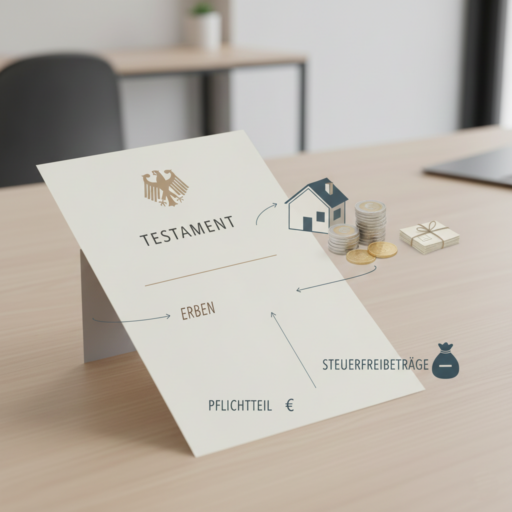
Las personas pueden quedar excluidas de la herencia si han sido desheredadas legalmente mediante un testamento válido, aunque pueden seguir aplicándose las acciones obligatorias.
Una persona también puede perder sus derechos sucesorios si es declarada indigna de heredar, por ejemplo por haber cometido una falta grave contra el fallecido, como un daño intencionado o coacción.
La nacionalidad o la residencia por sí solas no impiden heredar de los padres según la legislación alemana.
¿Pagan los no residentes el impuesto de sucesiones?
Sí, los no residentes pueden tener que pagar el impuesto de sucesiones alemán.
El impuesto de sucesiones en Alemania se aplica si el fallecido o el heredero tenían algún vínculo con el país, o si se heredan bienes situados en Alemania, como propiedades.
El alcance de la tributación depende del estatus de residencia, la ubicación de los activos y los convenios fiscales aplicables entre Alemania y el país de origen del heredero.
¿Cuánta herencia está libre de impuestos en Alemania?
Herencias en Alemania está libre de impuestos hasta 500.000 euros para los cónyuges, 400.000 euros para los hijos, 200.000 euros para los nietos (o 100.000 euros si su progenitor aún vive), y 100.000 euros para padres y abuelos, mientras que los hermanos y herederos no emparentados sólo reciben 20.000 euros.
Estas desgravaciones dependen del parentesco con el fallecido, no de la nacionalidad.
Los herederos extranjeros suelen tener derecho a las mismas exenciones que los extranjeros. Residentes alemanes, siempre que la herencia sea competencia fiscal alemana.
¿Qué es el documento sucesorio en Alemania?
El principal documento sucesorio en Alemania es el Erbschein, o certificado de herencia. Este documento oficial expedido por un tribunal acredita quiénes son los herederos legales y el alcance de sus participaciones.
Los herederos extranjeros suelen necesitar un Erbschein para acceder cuentas bancarias, vender bienes o transferir la propiedad de activos.
En algunos casos, un testamento notarial combinado con un Certificado Sucesorio Europeo puede sustituir al Erbschein.
Comparación del Derecho de sucesiones alemán con otras jurisdicciones clave
El derecho sucesorio alemán está muy estructurado, con cuotas obligatorias para cónyuges e hijos, principios universales de sucesión y requisitos formales de documentación.
La comparación con otras jurisdicciones clave pone de relieve los aspectos en los que destaca y en los que los herederos extranjeros podrían enfrentarse a normas diferentes.
Alemania contra Portugal
- Herencia forzosa: Alemania protege a cónyuges e hijos mediante el Pflichtteil; Portugal extiende las porciones obligatorias a hijos, cónyuges y padres (legítima).
- Fiscalidad: Alemania aplica un impuesto de sucesiones con exenciones en función del parentesco del heredero; Portugal aplica el impuesto de timbre 10% a herederos no familiares.
- Herederos extranjeros: Alemania aplica su ley a los bienes situados en su territorio, mientras que Portugal permite a los extranjeros elegir la ley sucesoria de su nacionalidad si así se establece en un testamento.
Alemania contra Estados Unidos
- Acciones obligatorias: Alemania aplica cuotas mínimas para cónyuges e hijos; la mayoría de los estados de EE.UU. permiten la desheredación total con un testamento válido.
- Proceso sucesorio: Alemania exige un Erbschein (Certificado de Herencia); la sucesión en EE.UU. varía según el Estado y puede ser más flexible pero también más fragmentada.
- Tratamiento fiscal: Alemania grava el impuesto de sucesiones con umbrales por parentesco; el EE.UU. impone un impuesto federal sobre el patrimonio para herencias de gran valor, además de diversos impuestos estatales.
Alemania contra Francia
- Herederos forzosos: Francia tiene una estricta ley de sucesión forzosa que protege a los hijos; la Pflichtteil de Alemania es similar pero de alcance algo más limitado.
- Documentación: Francia recurre en gran medida a las escrituras notariales; Alemania utiliza principalmente el Erbschein como prueba de la herencia.
- Consideraciones transfronterizas: Las normas sucesorias francesas pueden aplicarse automáticamente a los bienes situados en Francia, mientras que Alemania aplica su ley a los bienes situados en Alemania, independientemente de la nacionalidad del heredero.
Por qué es importante para los herederos extranjeros
Comprender estas diferencias ayuda a los beneficiarios extranjeros a planificar eficazmente a través de las fronteras y a elegir cuidadosamente sus testamentos, gestionar la exposición fiscal, y navegar por los requisitos de sucesión. Las familias transfronterizas deben prestar atención a:
- La ley de qué país rige qué bienes
- En qué se diferencian las acciones obligatorias
- Exenciones y obligaciones fiscales para no residentes
Conclusión
El Derecho de sucesiones en Alemania ofrece un sistema estructurado y muy regulado que se aplica por igual a ciudadanos y extranjeros.
Aunque las normas ofrecen claridad y protección a los parientes cercanos, los herederos extranjeros deben sortear las obligaciones fiscales, los requisitos de documentación y las consideraciones jurídicas transfronterizas.
Una planificación adecuada y un conocimiento temprano del Derecho sucesorio alemán pueden reducir significativamente los retrasos, los litigios y la exposición inesperada de las familias internacionales a los impuestos.
Preguntas frecuentes
¿Cuánto tarda una herencia en Alemania?
Los procedimientos de sucesión en Alemania suelen durar varios meses.
Los casos sencillos pueden resolverse en un plazo de tres a seis meses, mientras que las sucesiones complejas con herederos extranjeros, propiedades o litigios pueden llevar bastante más tiempo.
¿Cómo reclamar una herencia en Alemania?
Para reclamar una herencia en Alemania, los herederos deben aportar la prueba del fallecimiento, establecer su condición legal de herederos y solicitar un Erbschein si es necesario.
Los herederos extranjeros suelen necesitar documentos notariales, apostillas y traducciones juradas.
¿Cuántos impuestos se pagan por herencias en el extranjero?
El impuesto alemán sobre sucesiones en el extranjero oscila entre 7% y 50% cuando Alemania tiene derechos fiscales sobre los bienes.
Los familiares cercanos, como cónyuges e hijos, pagan por lo general entre 71 y 30%, mientras que los parientes más lejanos se enfrentan a entre 151 y 43%, y los herederos no emparentados pueden tributar entre 301 y 50%, dependiendo del valor de la herencia después de las desgravaciones.
¿Le duele la indecisión financiera?

Adam es un autor reconocido internacionalmente en temas financieros, con más de 830 millones de respuestas en Quora, un libro muy vendido en Amazon y colaborador de Forbes.