Getting dual citizenship in countries like Ireland and Dominica can be surprisingly easy for many people.
These nations offer clear paths through ancestry or investment, making a second passport accessible in months rather than years.
Este artículo trata:
- Which countries don’t allow dual citizenship?
- Where is the easiest place to get a second passport?
- Is it worth getting dual nationality?
- What are the disadvantages of dual citizenship?
Principales conclusiones:
- Ancestry, investment, and short residency routes are among the most accessible paths.
- Easiest investment programs can grant citizenship in 3–6 months; naturalization usually requires 2–5 years of residency.
- Not all countries allow dual citizenship, and some require renouncing your original nationality.
- Always confirm dual citizenship rules and potential tax or legal obligations before applying.
Mis datos de contacto son hello@adamfayed.com y WhatsApp +44-7393-450-837 si tiene alguna pregunta.
La información contenida en este artículo es meramente orientativa. No constituye asesoramiento financiero, jurídico o fiscal, ni una recomendación o solicitud de inversión. Algunos hechos pueden haber cambiado desde el momento de su redacción.

Key Criteria for Easy Dual Citizenship
The easiest countries to get doble nacionalidad are those with short residency requirements, generous ancestry rules, investment pathways, manageable language/cultural obligations, and fast processing times.
- Residency requirements – Some countries require only a few years of legal residence before you can apply for citizenship, while others may require a decade or more. Shorter residency periods make it much easier to plan your move and gain citizenship quickly.
- Ancestry rules – Several nations, like Ireland and Italy, allow citizenship through parents or even grandparents. This can bypass long naturalization periods and makes dual citizenship accessible without living in the country.
- Oportunidades de inversión – Countries such as Dominica or Saint Kitts and Nevis offer citizenship through economic contributions, including real estate or government donations. These programs provide a fast-track route for those who can afford the investment.
- Language and cultural requirements – Some nations require applicants to demonstrate proficiency in the local language or knowledge of the culture and laws. Meeting these criteria ensures successful integration and a smoother application process.
- Processing time and cost – The speed and affordability of obtaining citizenship vary widely. Countries with streamlined paperwork, low fees, or expedited programs can significantly reduce both the financial and time burden.
What Makes You Qualify for Dual Citizenship?
You can qualify for dual citizenship by birth, ancestry, residency, investment, or marriage.
- Ciudadanía por derecho de nacimiento – Automatically granted if you are born in a country that recognizes jus soli, like the US or Canada.
- Descent or ancestry – Citizenship through parents or grandparents.
- Naturalization – Citizenship after meeting a country’s residency requirements, sometimes as short as 2–5 years.
- Investment programs – Citizenship through financial contributions, such as real estate or government donations.
- Marriage – Citizenship eligibility after marrying a citizen and meeting any residency or duration requirements.
Check both countries’ laws to ensure dual citizenship is allowed.
What is the Easiest Country to Become a Dual Citizen?
Countries like Ireland and Dominica are among the easiest dual citizenship countries due to ancestry and investment programs.
These nations, along with others, offer fast, accessible paths to a second passport.
- Irlanda – Citizenship through Irish ancestry is one of the simplest in the world. Anyone with a parent or grandparent born in Ireland can apply, even without living in the country. The process is straightforward and does not require language or residency tests.
- Italia – Italian heritage allows multiple generations to claim citizenship. Applicants with Italian-born ancestors can obtain citizenship regardless of how long ago their family left Italy. Italy fully allows dual citizenship, making it ideal for those of Italian descent worldwide.
- Dominica – Citizenship by investment can be obtained in as little as 3–4 months. Applicants contribute to a government fund or invest in approved real estate. Dominica also provides visa-free travel to over 140 countries, making it a highly practical choice.
- Canadá – Citizenship through naturalization requires 3–5 years of legal residency, along with a language and knowledge test. Canada’s transparent process and political stability make it a reliable option for a second passport.
- Portugal – Citizenship is granted after 5 years of legal residence, one of the shortest in Europe. Portugal allows dual citizenship without renouncing your original nationality, making it particularly appealing for retirees and investors.
- Argentina – Citizenship is available after 2 years of permanent residency, one of the fastest naturalization routes in South America. The country’s flexible residency rules and welcoming immigration policies make it attractive for professionals, retirees, and remote workers.
- San Cristóbal y Nieves – Economic citizenship programs can grant a passport in 4–6 months. Applicants either donate to the government fund or invest in approved real estate. It is relatively affordable and provides visa-free access to over 150 countries.
These seven countries combine ancestry, residency, or investment options with fast processing and global mobility, making them the easiest choices for obtaining dual citizenship.
| País | Camino a la ciudadanía | Duration / Timeline | Why It’s Easy |
|---|---|---|---|
| Irlanda | Ancestry | 4–6 months | No residency or language tests; straightforward documentation |
| Italia | Ancestry | 1–2 years | Multi-generational ancestry |
| Dominica | Citizenship by investment | 3–4 months | Fast processing |
| Canadá | Naturalization | 3–5 years residency | Transparent process |
| Portugal | Naturalization / Residency | 5 years residency | Short residency requirement |
| Argentina | Naturalization / Permanent Residency | 2 years residency | Flexible residency; fast naturalization |
| Saint Kitts & Nevis | Citizenship by investment | 4–6 months | Quick processing |
What is the Cheapest Country to Get a Second Passport?
São Tomé and Príncipe offers the most affordable path to dual citizenship, with total costs including government contributions, processing fees, and administrative expenses, starting around $90,000 for a single applicant.
Its programs are fast, legally recognized, and provide a genuine second nationality, making it the lowest-cost option worldwide.
Other budget-friendly options include:
- Nauru – Citizenship through economic or development contributions typically costs $105,000–$130,000 all-in. While affordable, applications are highly selective and subject to government approval.
- Vanuatu – Total costs range from $130,000–$150,000, with processing taking 6–8 months. Vanuatu offers visa-free travel to over 100 countries but primarily focuses on investment applicants.
- Dominica – The minimum contribution for a single applicant is $200,000 to the Economic Diversification Fund or approved real estate, with additional government, due diligence, and legal fees. The program is fast, transparent, and globally recognized, offering strong passport mobility despite higher costs than São Tomé or Nauru.
- San Cristóbal y Nieves – Under the Sustainable Growth Fund (SGF) option, the minimum non‑refundable contribution for a single applicant starts around $250,000, with due diligence fees of about $10,000 and additional government, passport, and processing charges on top of that. These combined expenses typically bring total upfront costs into the low to mid‑$260,000+ range for a solo applicant.
- Paraguay – Citizenship is available after about 3 years of permanent residency. Total costs, including a $70,000 capital investment plus government and legal fees, are generally $50,000–$100,000+, making it one of the cheapest options in South America.
While São Tomé and Príncipe, Nauru, and Vanuatu are among the most affordable options, their programs are less straightforward for general applicants, with more restrictive eligibility, selective approvals, or limited global passport benefits.
Which Country is the Fastest to Get Dual Citizenship?
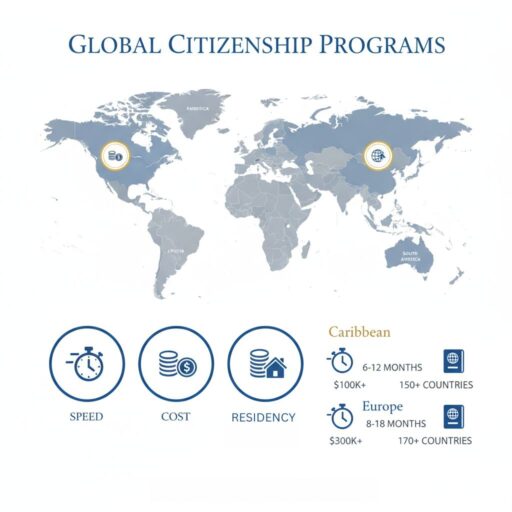
Dominica and Saint Kitts and Nevis offer the fastest paths to dual citizenship, granting a second passport in just a few months through their economic citizenship programs.
These countries are ideal for those who need quick access to global mobility.
- Dominica – Citizenship by investment is typically completed in about 3–6 months once a fully documented application is submitted and the investment is made, with no prior residency required.
- San Cristóbal y Nieves – The citizenship‑by‑investment application usually takes around 4–6 months for approval and passport issuance, with options to accelerate in some cases.
- Turquía – Through qualifying investment routes (e.g., real estate), the process to obtain citizenship and a passport generally ranges from about 3–6 months, though it can extend up to 6–8 months depending on documentation and background checks.
- Argentina – Citizenship by naturalization becomes legally available after 2 years of continuous legal residency, but the total process (including naturalization paperwork after residency) typically takes closer to 3–4 years in practice.
Fast processing times are crucial if you need a second passport quickly for travel, business, or family purposes, and these countries provide reliable, legal pathways to achieve that.
What is the Benefit of Having Dual Citizenship?
Dual citizenship gives you visa-free travel and greater global mobility, making international living and business easier.
- Viajes sin visado – Holders can enter multiple countries without applying for visas, saving time and opening more opportunities for work, leisure, and relocation.
- Tax planning flexibility – Dual citizens can optimize tax residency, take advantage of treaties, and legally reduce exposure to certain taxes.
- Work and residency rights – You can live, work, or retire in two countries without needing special permits or long-term visas.
- Education opportunities – Access public education and universities in both countries, often at local rates, which can reduce costs and broaden options.
- Security and stability – Dual citizenship provides an alternative nationality if political, economic, or social instability affects your home country.
What are the Challenges of Dual Citizenship?
Dual citizenship can complicate taxes, legal obligations, and international travel.
- Double taxation – Some countries tax citizens on worldwide income, requiring careful planning to avoid unexpected tax liabilities.
- Military obligations – Certain nations may require mandatory military service for citizens, which can affect dual nationals.
- Legal and bureaucratic complexities – Managing visas, residency, and compliance with two countries’ laws can be time-consuming and require professional advice.
- Potential passport restrictions – Some countries limit travel, entry, or consular protection if you hold another nationality.
Which Countries Don’t Allow Dual Citizenship?
Countries like China and Singapore do not permit dual citizenship, requiring citizens to hold only one nationality.
- China – Strictly prohibits dual citizenship; Chinese nationals must renounce any other nationality.
- India – Offers Overseas Citizenship, which provides limited rights, but does not allow full dual citizenship.
- Singapur – Citizens must renounce foreign citizenship to retain Singaporean nationality.
- Arabia Saudí – Dual nationality is not recognized, and holding another passport can lead to legal complications.
Regional Insights: Comparing Dual Citizenship Opportunities Worldwide
Europe prioritizes ancestry-based and long-term integration paths, offering extensive social, educational, and work benefits within the EU.
The trade-off is slower and more bureaucratic processes.
The Caribbean stands out for speed and simplicity, with investment programs granting quick passports and broad visa-free access.
However, these programs often provide limited long-term integration or residency incentives.
North and South America rely mainly on naturalization, balancing reasonable costs with predictable legal frameworks.
North America offers high-quality passports and stability, while South America emphasizes fast naturalization and lower living costs, though with somewhat less global mobility.
Conclusión
Dual citizenship opens doors to greater freedom, mobility, and access to opportunities that a single nationality may limit.
The choice of country should align with your personal circumstances, whether through ancestry, residency, or investment, and consider practical factors like legal obligations, tax responsibilities, and integration requirements.
En easiest citizenship is not defined solely by the fastest or cheapest path; true ease comes from how accessible, predictable, and beneficial the process is in the long term.
Beyond speed or cost, the lasting value lies in how a second passport supports your lifestyle, career, and family plans.
Approaching dual citizenship strategically ensures it enhances security and flexibility rather than creating unexpected burdens.
Ultimately, the right second citizenship can serve as both a safeguard and a gateway to global possibilities.
Preguntas frecuentes
What Are the 4 Types of Citizenship?
The four types of citizenship are birthright, based on birthplace; descent, through parents or grandparents; naturalization, through residency or marriage; and citizenship by investment, through a qualifying financial contribution.
Do You Lose Social Security if You Have Dual Citizenship?
No. US citizens, for example, can still receive Social Security abroad, but tax treaties may affect the amount or withholding.
Always verify rules for your specific countries.
Do dual citizens have to do military service?
Some countries, such as South Korea and Israel, require citizens including dual nationals—to complete mandatory military service.
Rules vary based on age, residency, and gender.
Can my kids get dual citizenship?
Yes, children born to parents with multiple nationalities automatically hold dual citizenship in countries that allow it.
Citizenship can also be passed through parents by descent under applicable national laws.
¿Le duele la indecisión financiera?

Adam es un autor reconocido internacionalmente en temas financieros, con más de 830 millones de respuestas en Quora, un libro muy vendido en Amazon y colaborador de Forbes.