Foreigners can retire in Italy by obtaining the Elective Residence Visa (ERV), a long-term visa for financially independent individuals with sufficient passive income, accommodation in Italy, and private health insurance.
Le guiaremos sobre cómo jubilarse en Italia, incluidos los pros y los contras, los documentos que debe presentar, además de otros requisitos que debe cumplir, si está meditando si sería un hermoso país en el que pasar el resto de su vida.
Italy is frequently chosen as one of the best places for expats to retire since it has a Mediterranean climate and an interesting food and wine culture.
Furthermore, the country is renowned for having a high standard of living, a laid-back attitude, and being less expensive than the majority of its European peers.
Este artículo trata:
- Can foreigners retire in Italy?
- What are the benefits of retiring in Italy?
- What is the downside of retiring to Italy?
- How much money do I need to retire in Italy?
- Is healthcare free in Italy?
- Where to retire in Italy cheaply?
Principales conclusiones:
- Italy offers retirement visas for non-EU citizens, primarily through the Elective Residence Visa.
- EU citizens can retire in Italy more easily, as they do not need a visa but must register residency after arrival.
- Popular retirement locations include Tuscany, Sicily, and smaller coastal towns, offering relatively lower living costs.
Mis datos de contacto son hello@adamfayed.com y WhatsApp +44-7393-450-837 si tiene alguna pregunta.
For digital nomad or residence visas that require income, assets, or qualifying investments, we can help structure suitable investment solutions that may align with those requirements, depending on your circumstances.
La información contenida en este artículo es meramente orientativa, no constituye asesoramiento financiero, jurídico o fiscal y puede haber cambiado desde el momento de su redacción.

Cómo jubilarse en Italia: ¿Quién puede jubilarse en Italia?
Ciudadanos no comunitarios
Cualquiera puede jubilarse en Italia. El país ha fijado la edad de jubilación tanto para hombres como para mujeres en 67 años. El visado de residencia electiva, también llamado visado de jubilación de Italia, debe ser solicitado por ciudadanos no comunitarios.
Si eres de un país no perteneciente a la UE y vivir en el extranjero, El primer paso es ponerse en contacto con el consulado italiano en su país de origen y concertar una cita en la embajada para solicitar un visado de residencia electiva.
A la cita tienes que llevar todos los documentos esenciales y la solicitud de visado cumplimentada y firmada. También tendrás que pagar la tasa de visado, de unos 116 euros.
Si eres de un país no perteneciente a la UE y vivir en el extranjero, Además del visado de residencia electiva, también tendrá que demostrar que dispone de dinero para mantenerse. Debes cumplir los siguientes requisitos específicos de ingresos para trasladarte a Italia:
- Debe tener más de 18 años
- Debe demostrar que dispone de fondos suficientes para mantenerse sin necesidad de trabajar
- No puedes realizar ningún trabajo remunerado durante tu estancia en Italia.
- Si entra en Italia con un visado de jubilación, deberá solicitar un permiso de residencia en la comisaría de policía en los ocho días siguientes a su llegada.
- Debe presentar una prueba de que dispone de alojamiento en Italia
- Debe comprar un seguro médico internacional que cubre un mínimo de 30.000 euros en toda Europa
- Debe presentar un pasaporte válido y fotos tamaño carné
- Cumplimentar una solicitud de visado de larga duración
- Debe presentar un certificado de nacimiento y un certificado de matrimonio (si procede)
- Debe obtener un Certificado de Control Policial de los países en los que haya pasado los últimos cinco años en
Además, para jubilarse en Italia como residente de un país no comunitario que vive en el extranjero:
- Debes tener unos ingresos anuales de al menos 31.000 euros si estás solo
- Tienes que demostrar unos ingresos de al menos 38.000 euros al año si eres pareja o estás casado
- Debes tener al menos 20.000 euros para cualquier hijo a cargo que lleves contigo
Tenga en cuenta que su empresa no puede proporcionarle ingresos, ya que el dinero tiene que proceder de otras fuentes, como un plan de pensiones, sus ahorros, los rendimientos de las inversiones, los beneficios de las propiedades que posea o cualquier tipo de ingresos pasivos, por ejemplo, una participación pasiva en una empresa.
Si es un ciudadano extracomunitario que ya vive en Italia, debe haber residido en el país durante 20 años como extranjero para poder solicitar el régimen de pensión completa, de modo que haya acreditado 20 años de cotización.
Después de 10 años viviendo en Italia con un permiso de residencia permanente, podrá solicitar la nacionalidad italiana. Si lo haces, podrás beneficiarte del régimen de pensiones italiano que ofrece el gobierno italiano.
Requisitos para jubilarse en Italia para ciudadanos de la UE
Si dispone de ingresos pasivos y cobertura sanitaria en Italia, tiene derecho a jubilarse libremente y vivir allí más de tres meses si es ciudadano de la UE.
No obstante, a continuación le indicamos algunos requisitos adicionales que debe cumplir:
- Tendrás que registrar tu residencia en Italia al cabo de tres meses.
- Debe llevar consigo en todo momento un documento de identidad o pasaporte. De lo contrario, podría ser multado o detenido temporalmente.
- Puede solicitar la residencia permanente después de haber vivido legalmente en Italia durante cinco años consecutivos. Dado que no tienes que cumplir todos los requisitos anualmente, esta es una opción mejor a largo plazo.
Debe tener en cuenta que corre el riesgo de perder su derecho a la residencia permanente si permanece fuera de Italia más de dos años seguidos. Sin embargo, esto no se ve afectado por las ausencias breves (menos de seis meses al año) y la ausencia de un mes durante un periodo de 12 meses por causas importantes, como el trabajo o una enfermedad potencialmente mortal.

Cómo jubilarse en Italia: Obtención del permiso de residencia para un visado de residencia electiva
Esto es lo que debe hacer para solicitar un permiso de residencia italiano:
- Ve a la oficina de correos más cercana y compra un kit amarillo.
- Rellene el kit y devuélvalo a la oficina de correos junto con la solicitud y todos los documentos necesarios.
- Se le entregará un recibo y una cita con la comisaría de policía.
- Asegúrese de llevar consigo todos los documentos esenciales durante su cita. También le tomarán las huellas dactilares.
- La comisaría de policía se pondrá en contacto contigo en un plazo de cuatro a seis semanas, momento en el que podrás ir a recoger tu permiso de residencia.
Cómo jubilarse en Italia: Alternativas al visado de residencia electiva en Italia
Puede presentar una solicitud de doble nacionalidad si tiene ascendencia italiana. Esto podría acelerar el procedimiento y darle acceso a ciertas ventajas de las que disfrutan los ciudadanos italianos.
Cómo jubilarse en Italia: Lo bueno y lo malo
Muchos expatriados deciden jubilarse en Italia. Pero antes de decidirte, debes saber que vivir en Italia tiene ventajas e inconvenientes, como en cualquier otro país.
Pros
- Estilo de vida relajado
- Sistema sanitario bien construido
- Los italianos son amables y serviciales
- La comida es deliciosa y asequible
- Obtener la nacionalidad italiana no es tan difícil como en otros países
- Alquilar una casa en la ciudad significa estar más cerca de los expatriados
Contras
- La burocracia es lenta
- El coste de la vida en grandes ciudades puede ser bastante caro
- No muchos italianos (sobre todo los mayores) hablan inglés.
- Los costes de combustible, gas y electricidad pueden ser muy elevados
- Optar por el visado de residencia electiva es costoso a largo plazo
- Alquilar o comprar una casa en los suburbios tendrás que aprender italiano, ya que estarás rodeado de mucha gente local
Cómo jubilarse en Italia: Otros aspectos a tener en cuenta
Comprar o alquilar en Italia
Para comprar una casa en Italia debe obtener una hipoteca de un banco local. Esto puede llevar algún tiempo, sobre todo si se ha trasladado a Italia recientemente. Una decisión que no debe tomar precipitadamente es la compra de una vivienda.
Lo mejor es empezar alquilando una casa en un barrio o zona que le guste para hacerse una idea de cómo es vivir allí. Cuando estés seguro, puedes investigar los trámites que conlleva la compra de una vivienda.
¿Pagan impuestos los jubilados en Italia?
Sí, aunque no puedas trabajar con un visado de jubilación, tendrás que pagar impuestos como residente italiano. Si te jubilas en Sicilia, Calabria, Campania, Basilicata, Abruzos, Molise o Apulia, deberás cumplir la legislación italiana y pagar un impuesto fijo de 7% sobre tus ingresos en el extranjero, que también incluye cualquier impuesto sobre el patrimonio. Los tipos impositivos italianos oscilan entre 23% y 43% si reside en otra ciudad.
Coste de la vida en Italia
Italia es conocida por tener un coste de la vida más bajo que otros países. Si te jubilas en el sur de Italia, además del clima cálido y los increíbles paisajes, puedes encontrar un coste de la vida más barato que en el norte.
A pesar de la gran diferencia entre el norte y el sur de Italia, se puede estimar que el coste medio mensual de la vida en Italia ronda los 1.600 euros.
El coste de la vida en Italia tiene fama de ser más bajo que en otros países. Aparte de los maravillosos paisajes y el clima cálido, jubilarse en el sur de Italia también le ahorrará dinero en gastos de manutención en comparación con el norte.
Aunque existe una importante diferencia de costes entre el norte y el sur de Italia, se puede calcular que el coste medio de la vida en Italia es de unos 1.600 euros al mes.
Sistema sanitario italiano
No es necesario inscribirse en el sistema sanitario italiano si no trabaja en el país. Sin embargo, debido al libre acceso a sus servicios y a las excelentes instalaciones médicas, puede ser muy útil.
Si cotiza al sistema nacional de salud, podrá disfrutar de las ventajas del sistema sanitario italiano, que también se denomina Servicio Sanitario Nacional (SSN). Se sabe que el SSN es eficaz y, en gran medida, gratuito. Tendrá acceso a él una vez que se haya registrado como residente en el ayuntamiento de su localidad.
Puede haber variaciones regionales en los costes o la calidad de la asistencia, ya que el SSN se rige a nivel regional.
Aprender italiano
Si alguna vez se encuentra en Italia, se dará cuenta de que muchos ciudadanos, sobre todo los ancianos, no saben o no quieren hablar inglés. Si les pide información, los italianos tratarán sin duda de ayudarle. No obstante, sería preferible que se familiarizara con la lengua local una vez allí o que aprendiera algunas frases básicas y cruciales antes de trasladarse y jubilarse en Italia.
Traiga a sus amigos peludos u otros animales de compañía
Los perros son bienvenidos en la mayoría de los restaurantes, en el transporte público y en los recintos cerrados, ya que Italia es un país muy amigo de las mascotas. Una de las normas fundamentales que hay que cumplir es llevar correa y bozal porque puede necesitarlos cuando salga a pasear o viaje en transporte público. Hay algunos documentos y requisitos que cumplir, como cartillas de vacunación y microchips, si pretende trasladarse y jubilarse en Italia con su/s mejor/es amigo/s.
Seguridad
En general, Italia se considera un país seguro para vivir. La policía está disponible en todas las ciudades por si necesita ayuda. Sin embargo, como en cualquier otro país, debe tener en cuenta las normas generales de seguridad que se aplican en todas partes. Para llamar a la policía, marque el 112, mientras que el 118 es el número de la ambulancia.
Cómo jubilarse en Italia: Los mejores lugares
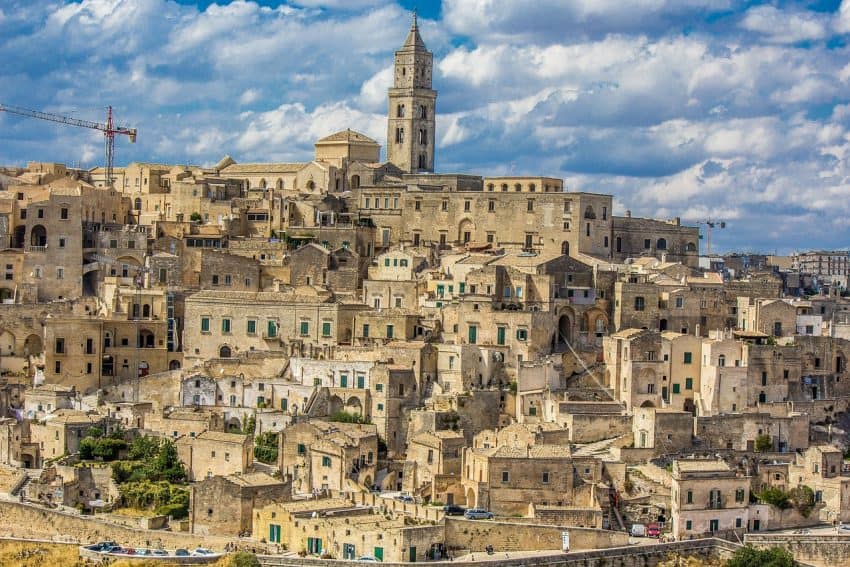
Basilicata, Campania, Apulia, Calabria, Las Marcas, Molise, Umbría y Sicilia son algunos de los mejores lugares de Italia para mudarse si buscas un bajo coste de vida. Los precios de alquiler de los apartamentos en estas zonas pueden ser tan bajos como 450 euros al mes.
Si no le importa gastar un poco más, elija una de las regiones más bonitas pero algo más caras, como Lombardía, Liguria, Trentino o Lacio.
La mayoría de los expatriados optan por instalarse en ciudades italianas como Milán, Roma y Florencia porque se encuentran entre los mejores lugares en cuanto a calidad de vida. Un apartamento puede costar hasta 1.300 euros de alquiler en ciudades tan caras.
¿Le duele la indecisión financiera?

Adam es un autor reconocido internacionalmente en temas financieros, con más de 830 millones de respuestas en Quora, un libro muy vendido en Amazon y colaborador de Forbes.