Cómo jubilarse en Croacia
Si desea invertir como expatriado o particular con un elevado patrimonio neto, que es en lo que estoy especializado, puede enviarme un correo electrónico (advice@adamfayed.com) o WhatsApp (+44-7393-450-837).
Introducción
Muchos desean jubilarse en Croacia por su aire y agua puros, deliciosa comida y vino, servicios médicos socializados y facilidad para viajar. También hay mucha cultura y entretenimiento, así que no se quedará sin cosas que hacer. La escasa población del país, un coste de la vida razonable y una excelente calidad de vida son también como guindas en el pastel.
Jubilarse en Croacia: Ventajas e inconvenientes
La jubilación en Croacia tiene sus ventajas y sus inconvenientes, como en cualquier otro territorio. En el lado positivo, los mayores croatas disfrutan de una actitud relajada, un clima agradable durante la mayor parte del año y un nutritivo marisco.
La logística de los documentos oficiales podría moverse lentamente, lo cual es un inconveniente. Puede ser difícil hacer los trámites, presentar formularios y realizar otras tareas pertinentes cuando se reside en Croacia. Puede llevar semanas o quizá meses terminarlo. Aunque se puede solicitar el visado por internet, hay que imprimir una copia en papel. De este modo, podrá firmar personalmente el documento y entregarlo a la organización pertinente.
Primero tendrá que obtener un residencia temporal permiso, que le permitirá permanecer en Croacia y posteriormente establecer su residencia. También debe explicar por qué quiere vivir en Croacia y respaldar su afirmación con muchas pruebas. No bastará con decir que quiere jubilarse allí porque adora la cultura mediterránea o el agua cristalina del mar. Debe ofrecer más justificaciones para satisfacer al gobierno.
Le resultará mucho más fácil adquirir al menos una residencia temporal si tiene familiares en el país, o dirige una empresa y tiene inversiones allí. Las adquisiciones inmobiliarias también le darán derecho a un permiso de residencia temporal.
Curiosamente, si decide solicitar la residencia temporal, tener un yate y atracarlo allí podría serle útil.
Jubilarse en Croacia: Opciones de residencia temporal
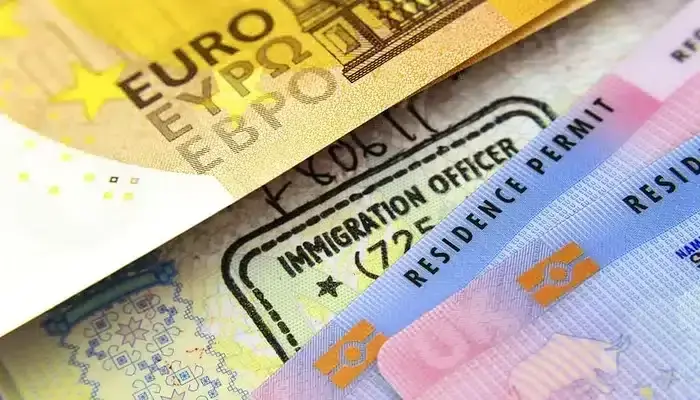
Los ciudadanos de la UE tienen derecho automático a residir en Croacia sin condición alguna.
Por otra parte, Croacia no expide actualmente un visado de residencia temporal para que los jubilados de fuera de la UE puedan permanecer en el país de forma permanente, lo que es lamentable no sólo para los jubilados, sino también para la república.
Los jubilados contribuyen al sistema mientras no buscan empleo, por lo que un mayor número de jubilados sería realmente beneficioso para Croacia. Mientras tanto, Croacia sigue siendo un lugar donde jubilarse, aunque no exista un visado de residencia temporal exclusivo para pensionistas.
Tienen a su disposición varias opciones para vivir en Croacia, como el pago por adelantado del alquiler, propiedad, y el voluntariado. Cada uno de ellos puede ayudarle en su solicitud de autorización provisional de residencia.
Pago anticipado del alquiler
En Croacia, los jubilados que pagan el alquiler íntegro por adelantado pueden optar a un permiso de residencia temporal de un año. Cuando llegues a Croacia, tendrás que encontrar un alojamiento (no un Airbnb) que no se alquile a visitantes para ganarse la vida. Se requiere una casa o apartamento donde el propietario te permita registrar la dirección.
Necesitarás un contrato de arrendamiento del casero en el que conste que puedes ocupar la vivienda durante un año. En raras circunstancias, los caseros han consentido que se escriba en el contrato que has pagado el alquiler por adelantado aunque en realidad pagues el alquiler mes a mes. Las comisarías suelen aceptar como pago completo una versión de este contrato que haya sido notariada.
A veces, no aceptarán el acuerdo notarial y, en su lugar, necesitarán que muestres un recibo bancario real que demuestre que ya has pagado el alquiler del periodo correspondiente.
Si es posible, prepárese para ambas posibilidades. La costumbre croata dicta que no se revele ninguna información hasta que se solicite expresamente. Un primer paso sería demostrar el pago por adelantado en el contrato; el plan B es para cuando el primero no funcionó.
El permiso de residencia temporal sólo tiene una validez de un año y no te permite trabajar mientras lo tengas. Tener ese permiso tampoco te garantiza residencia permanente o ciudadanía. Una vez que expire el permiso de residencia temporal, tendrá que abandonar el país durante 90 días y no podrá volver a solicitarlo hasta que hayan transcurrido 6 meses y un día desde que finalizó su permiso.
Hay que tener en cuenta que sólo se pueden expedir un máximo de dos permisos consecutivos, límite que el MUP podría fijar a su discreción. El MUP es un ministerio gubernamental que supervisa la seguridad del Estado, entre otras cosas.
Debe modificar su base para obtener un permiso de residencia temporal o salir durante 18 meses una vez transcurridos dos años.
Propiedad de un inmueble
Si desea jubilarse en Croacia, poseer una vivienda en el país puede ser su billete para una residencia temporal. Esto debería ser así siempre que residas en la propiedad y esta tenga una zonificación residencial.
Con este permiso puede residir temporalmente en Croacia seis meses al año. Además, puede prolongar su estancia 90 días más al año como turista, lo que le da un total de nueve meses en el país cada año. Puede solicitar el permiso tantas veces como quiera.
Sólo se aplican dos limitaciones a esta categoría: una, tiene que salir de Croacia 90 días después de que expire su permiso; dos, debe esperar seis meses después de que expire el permiso anterior antes de que se le permita solicitar uno nuevo.
Esta puede ser una alternativa fantástica para los jubilados, ya que les proporciona una base de operaciones estable en Croacia que pueden visitar con frecuencia. A inversión mínima no es necesario, por lo que da absolutamente igual cuánto hayas pagado por él.
Si está casado, tanto usted como su cónyuge deben figurar en el certificado de propiedad presentado en la oficina del registro de la propiedad. Este tipo de permiso sólo lo pueden solicitar los propietarios.
El permiso de residencia temporal sólo dura seis meses y, mientras lo tengas, no puedes trabajar. Este permiso no le asegura nacionalidad o residencia permanente también. Estará obligado a abandonar el país durante 90 días tras la expiración de su permiso de residencia temporal, y no podrá volver a solicitarlo hasta que hayan transcurrido 6 meses y un día desde la expiración de su permiso.
Voluntariado
Todos los ciudadanos extracomunitarios, incluidos los jubilados, deberían considerar el voluntariado como un método para permanecer en Croacia. Muchos no comunitarios jubilados desean mantenerse activos durante su estancia en Croacia y participar en la comunidad. Muchas organizaciones sin ánimo de lucro en Croacia acogen a voluntarios a largo plazo.
Para poder optar a este permiso es necesario tener un contrato como voluntario con una organización croata sin ánimo de lucro, conocida como udruga. Si tiene intención de permanecer en Croacia más de un año, la duración del contrato debe ampliarse para cubrir ese tiempo. La duración del contrato será la misma que la del permiso de residencia temporal.
El permiso de residencia temporal sólo tiene una validez de un año y está disponible para los mayores de 65 años. Tampoco te permite trabajar cuando lo tienes, salvo por cuenta ajena, que no es remunerada. Tener este permiso tampoco garantiza la residencia permanente ni la ciudadanía.
Dos permisos consecutivos es el máximo permitido bajo esta condición.
La primogenitura croata
Si tienes antepasados croatas y quieres solicitar la nacionalidad, puedes trasladarte a Croacia y quedarte allí mientras lo haces.
Para tener derecho a este permiso, debe estar emparentado con un antepasado croata en línea directa, y debe poder demostrarlo mediante partidas de nacimiento. Para solicitar la nacionalidad, debe seguir el mismo procedimiento.
El permiso de residencia temporal tiene una validez de un año, pero puedes volver a solicitarlo si aún no te han concedido la nacionalidad. Tener un permiso bajo esta base significa que usted debe definitivamente solicitar la ciudadanía, así como asegurar el certificado Miembros de la Oficina del pueblo croata para los croatas en el extranjero.
No es necesario que seguro de enfermedad y aportar pruebas de que puedes mantenerte. Puedes trabajar y estudiar legalmente si quieres.

Jubilarse en Croacia: Verificación de antecedentes
Las personas que solicitan la residencia temporal en Croacia por primera vez deben ahora presentar un certificado de antecedentes penales como parte de su solicitud.
Dependiendo de tu país de origen, es probable que te resulte más fácil obtenerlo cuando aún estás en tu país de origen. país de origen en lugar de una vez que llegues a Croacia. Si eres estadounidense, quieren una verificación de antecedentes federales, NO una de tu estado. Esto se hace a través del FBI e implica que te tomen las huellas dactilares.
Jubilarse en Croacia: Sanidad
Incluso el sistema sanitario croata tiende a fluctuar y tiene aspectos buenos y malos.
Croacia es un destino popular entre los turistas dentales por la gran calidad de sus tratamientos y sus precios increíblemente económicos. En cuanto a trasplantes de riñón, Croacia también es uno de los mejores del mundo.
Por otra parte, los médicos de familia tienen fama de tener menos formación y sirven sobre todo para remitirle a los expertos. Los especialistas suelen ser excelentes en lo que hacen, están muy informados y siempre tienen ecógrafos en sus consultas.
Croacia también ofrece asistencia médica privada de primera clase. Hay hospitales privados y poliklinika por todo el país. Una poliklinika es un tipo de centro médico privado que suele albergar varias especialidades, como ginecología, otorrinolaringología, medicina de familia y gastroenterología.
Los servicios médicos privados en Croacia cuestan una pequeña fracción de lo que costarían en Estados Unidos. Una visita a un especialista privado puede costar entre 400 y 700 kune ($55,1 y $96,45). Una clínica privada puede cobrar 2000 kune por una resonancia magnética o una colonoscopia.
Seguro de enfermedad
La Caja Croata del Seguro de Enfermedad, HZZO, obliga a todos los residentes a tener un seguro médico estatal llamado obavezno. En el momento de solicitar la residencia, hay que demostrar que se tiene un seguro privado.
Una vez aprobada su solicitud de residencia, deberá inscribirse para obavezno en HZZO. Debes inscribirte en persona en la sede de HZZO más conveniente para tu residencia.
Los ciudadanos de la UE son libres de decidir si quieren afiliarse a HZZO o mantener su seguro a través de sus países de origen. Normalmente, los ciudadanos de la UE muestran su tarjeta europea Seguro de enfermedad (TSE), que sirve como prueba de que están cubiertos por el sistema nacional de salud de su país.
Hay 3 costes sanitarios que debe tener en cuenta al planificar su traslado a Croacia: los atrasos, la prima mensual y los copagos.
Retribución
Todos los residentes extracomunitarios deben pagar un año de seguro de enfermedad primas del año anterior a su llegada. Está asegurado desde el momento en que HZZO tramita su inscripción. No tiene que cotizar en el sistema durante cierto tiempo antes de poder acceder a la asistencia sanitaria, por lo que le exigen 12 meses de atrasos.
Antes de entrar en Croacia, los ciudadanos de la UE deben certificar que han tenido seguro médico durante los 12 meses anteriores. Si pueden hacerlo, están exentos de pagar el año de atrasos.
Prima mensual
Seguirá pagando la cuota mensual cada mes en adelante. En coste de su seguro de enfermedad será el 16,5% de su mensualidad de pensión si percibe una pensión extranjera. Multiplique esta suma por 12 meses para determinar el importe del año de atrasos.
Recibirá una factura en su casa cada mes. Puede pagarla en un banco, en una oficina de correos o a través de un teléfono móvil croata. aplicación bancaria .Cabe destacar que, si lo desea, puede pagar todo de una vez cada año.
Copagos
Si sólo tiene seguro médico obavezno, tendrá que pagar copagos. El copago típico para la mayoría de los medicamentos recetados y las visitas médicas es de sólo 10 kune, mientras que el de los diagnósticos avanzados ronda los 50 kune. Mientras tanto, puede costar hasta 2.000 kune cada noche si se pasa la noche en el hospital.
Necesitará el dopunsko, una forma adicional de seguro de enfermedad, para prescindir de los copagos. El dopunsko debe estar a mano para todo el mundo en caso de emergencia, pero es crucial para las personas que requieren atención médica y medicación con frecuencia.
El precio mensual del Dopunsko oscila entre 40 y 80 kune. Se amortiza con creces si se visita al médico más de cuatro veces al mes, se recogen medicamentos recetados o se realizan pruebas diagnósticas.
Dodatno, un tercer tipo de seguro, también está disponible. Se trata de un seguro complementario que es voluntario y se centra en la atención preventiva, el diagnóstico y la atención especializada. Una enfermedad crónica o una alta probabilidad de desarrollar una enfermedad grave hacen que este tipo de seguro sea ideal. Sólo las empresas privadas pueden ofrecerlo.
Jubilarse en Croacia: Impuestos
Antes de reubicación a cualquier lugar, primero debe averiguar si sus ingresos -como pensiones, seguridad social e inversiones- van a estar sujetos a impuestos. Lo mismo ocurre cuando se jubila en Croacia.
A menos que exista un convenio de doble imposición entre Croacia y el país en el que se obtienen los ingresos, Croacia grava a todos los residentes por su renta global. Usted debe pagar impuestos en la nación en la que pase más de 183 días al año si su país tiene un acuerdo en vigor. Si su nación no participa en un tratado, deberá pagar impuestos en ambos lugares.
El PDV es otro impuesto que debe conocer en Croacia. PDV significa impuesto sobre el valor añadido (a veces conocido como impuesto sobre las ventas) que se añade a bienes y servicios. El PDV es de 25% para la mayoría de los productos, 10% para los servicios relacionados con el turismo y 0% para servicios como la banca, la sanidad y los servicios sociales.
Jubilarse en Croacia: Transporte
Saber cómo va a desenvolverse si se traslada al extranjero es crucial. La mayoría de los jubilados desean reducir los gastos al mínimo. Renunciar a conducir es una forma de hacerlo en Croacia. Afortunadamente, viajar sin vehículo es bastante sencillo en el país.
Croacia cuenta con una sólida red de autobuses que conecta todo el país. Son el modo típico de transporte público en la mayoría de las ciudades y los explotan varias empresas privadas.
Los croatas viajan en autobús cuando no tienen coche. Incluso si tienen coche, utilizan el autobús para los viajes largos, ya que es mucho más asequible que pagar la gasolina y los peajes. Un viaje de ida y vuelta en autobús entre las ciudades de Split y Zagreb puede costar tan sólo 120 kunas en temporada baja.
Mientras tanto, los trenes se utilizan con más frecuencia en la región norte de la nación, como en los condados de Zagreb y Slavonija. Hay una ruta de tren que va de Zagreb a Rijeka antes de continuar por la costa hasta Split.
Como parte de las recientes mejoras del sistema ferroviario, se han añadido varios trenes nuevos.
Los tranvías son otro medio de transporte disponible en varios lugares, como Zagreb y Osijek.
A lo largo de toda la costa de Croacia, los vehículos y las personas se transportan hacia y desde las islas a través de una amplia red de transbordadores estatales, un medio de transporte agradable y barato. Por apenas 28 kunas, se puede salir de Split y llegar a la isla de Brac en menos de una hora.
En cuanto a vuelos, hay nueve aeropuertos comerciales en el país y muchos de ellos utilizan Croatia Airlines para prestar servicio nacional a otras regiones del país. Croatia Airlines es una aerolínea de bandera estatal que debe cumplir rígidas normas operativas y de seguridad para que se le permita aterrizar en otras naciones.
La compañía vuela ahora a 23 países diferentes, además de las rutas nacionales.
Jubilarse en Croacia: Coste de la vida
El total mensual coste de la vida en Croacia para una persona puede alcanzar los 4.707 kune ($649) de media, sin contar el alquiler, según el agregador mundial de datos sobre el coste de la vida Numbeo.
En cambio, para una familia de cuatro miembros puede costar unos 16.264 kune al mes, sin contar el alquiler.
Si su pensión o unos ingresos moderados le permiten disponer de un mayor presupuesto mensual, puede prever vivir más cómodamente en Croacia.
Para mantener el mismo nivel de vida que se puede tener con $9.100 en Nueva York, hay que disponer de unos $2.894 en Zagreb, la capital croata.
Se calcula que una comida en un restaurante barato en Croacia cuesta 60 kune, mientras que un restaurante de gama media puede cobrar 300 kune por una comida de tres platos para dos personas.
Alquilar un apartamento de una habitación en el centro de Croacia cuesta unos 3.186 kune al mes y 2.477 kune fuera de esa zona.
Los costes de compra de un apartamento dentro y fuera del centro de Croacia pueden alcanzar unas 21.525 kune y unas 16.190 kune por metro cuadrado, respectivamente.
Jubilarse en Croacia: Reflexiones finales
Puede que Croacia no sea del gusto de todo el mundo. Jubilarse en Croacia dependerá totalmente de cómo te imagines tu vida. Como mínimo, conocer los aspectos básicos que puede ofrecerte un lugar determinado te ayudará a decidir si se ajusta tanto a tus necesidades como a tus deseos.
¿Le duele la indecisión financiera? ¿Quiere invertir con Adam?

Adam es un autor reconocido internacionalmente en temas financieros, con más de 830 millones de respuestas en Quora, un libro muy vendido en Amazon y colaborador de Forbes.