Inversiones islámicas en Sudáfrica: ¿Cuáles son las mejores opciones?
Los inversores interesados en las finanzas islámicas pueden diversificarse aún más con opciones offshore que cumplan sus normas éticas.
Si desea invertir como expatriado o particular con un alto patrimonio neto, que es en lo que estoy especializado, puede enviarme un correo electrónico (advice@adamfayed.com) o utilizar WhatsApp (+44-7393-450-837).
Introducción
¿Desea realizar inversiones islámicas en Sudáfrica? En este artículo se describen las mejores opciones y se analizan los pormenores de la inversión islámica.
Las finanzas islámicas son un término amplio que se refiere al sistema financiero basado en la ley islámica, e incluye las inversiones islámicas. El término engloba todo, desde el cumplimiento de la Sharia inversiones en bolsa a donaciones benéficas.
En su forma más simple, el islam finanzas es una forma alternativa de concebir el dinero y la inversión relacionando con principios religiosos.
Se basa en la idea de que es importante que los seres humanos nos tratemos bien y nos aseguremos de que nuestros semejantes reciben un trato justo mediante prácticas comerciales justas, prácticas empresariales éticas y otros principios del Islam.
La inversión islámica es distinta de otras formas de inversión socialmente responsables, ya que no distingue entre lo espiritual y lo secular. La realidad de que la religión influye en todos decisiones financieras significa que las prácticas de inversión están sujetas a un escrutinio considerablemente mayor.
Las inversiones deben atenerse a un conjunto preciso de normas si quieren ajustarse a la política de inversión islámica. Asegúrese de consultar a un experto financiero para que pueda tomar las decisiones adecuadas para alcanzar sus objetivos.
¿Cuáles son las mejores opciones de inversión islámica en Sudáfrica?
Bancos islámicos
La creciente popularidad de las inversiones islámicas en Sudáfrica ha animado a muchos bancos a ofrecer nuevos productos para satisfacer la demanda. Muchos de ellos ofrecen grandes opciones para su dinero.
En la 12ª edición anual de los Premios Globales de Finanzas Islámicas el año pasado, FNB Islamic Banking ganó el premio a la mejor ventanilla de banca islámica por sexto año consecutivo en una ceremonia de entrega de premios celebrada en el Kempinski Palace de Yibuti (África).
El año anterior, Standard Bank Group ha recibido el Premio a la Excelencia de la GIFA a la Banca Islámica de Primera Clase por segundo año consecutivo.
La GIFA reconoce a los mejores Banca islámica y Finanzas Islámicas y ha crecido hasta convertirse en uno de los premios más codiciados de la banca y las finanzas islámicas en todo el mundo.
Otras opciones que puede considerar son los productos bancarios de la sharia, seguro de vida, y ofertas de renta variable dirigidas por Old Mutual Albaraka Shari'ah Fund, Old Mutual Albaraka Income Fund, Al Baraka Bank y Franklin Templeton.
Bonos Sukuk (islámicos)
El Gobierno de Sudáfrica había dado el pistoletazo de salida a la demanda de inversiones islámicas cuando recaudó $500 millones de dólares de una emisión de bonos sukuk (islámicos) a 5,75 años en los mercados internacionales de capitales en 2014.
En 2020, en el punto álgido de la pandemia, redobló sus esfuerzos de impulsar la de emitir billetes islámicos para hacer frente al creciente déficit presupuestario del país. déficit.
Un sukuk es un certificado financiero islámico que cumple la sharia, o ley islámica, y es comparable a un bono en la banca occidental.
El emisor de un sukuk (normalmente un gobierno) básicamente vende a un grupo de inversores un certificado y luego utiliza el dinero para comprar un activo en el que el grupo inversor tiene una participación parcial directa porque no se permite la estructura convencional occidental de bonos que pagan intereses.
Además, el emisor debe comprometerse contractualmente a recomprar el bono a la par en el futuro.
Así pues, los bonos sukuk son inversiones islámicas fiables respaldadas por el gobierno de Sudáfrica.
Oro e inmuebles
La dificultad de realizar inversiones islámicas estriba en que los fondos conformes a la sharia están sujetos a una serie de normas que hay que cumplir.
Un fondo conforme a la sharia debe, entre otras cosas, excluir las inversiones que obtengan la mayoría de sus ingresos de la venta de alcohol, productos porcinos, pornografía, juegos de azar, armamento militar o armas de fuego.
Un fondo conforme a la sharia debe tener también un consejo de administración nombrado conforme a la sharia, una auditoría anual conforme a la sharia y purgar ciertos tipos de ingresos prohibidos, como los intereses, donándolos a una organización benéfica.
La especulación no está permitida en el Islam porque no crea valor, sino que sólo sirve para enriquecer a quienes se dedican a ella a costa de los demás (o simplemente se aprovechan de la ignorancia ajena). La prohibición de especular se extiende a los contratos de futuros.
Esto hace que las inversiones que tienen un valor ampliamente conocido, como el oro y los bienes inmuebles, sean excelentes opciones para las inversiones islámicas en Sudáfrica.
El oro, a lo largo de la historia, ha sido el activo más convencional en el que se puede invertir, y puede resultarle un vehículo fiable para su dinero.
La inversión inmobiliaria, que consiste en comprar una casa y alquilarla a inquilinos a cambio de unos ingresos mensuales fiables, es un método popular de generar ingresos. ingresos pasivos. Si no hay elementos prohibidos presentes, invertir en terrenos e inmuebles suelen ser admisibles.
Los problemas a los que se enfrentan los propietarios, sin embargo, son el trato con los inquilinos y el mantenimiento de la propiedad, que implica arreglar cualquier deficiencia y hacer la vivienda habitable.
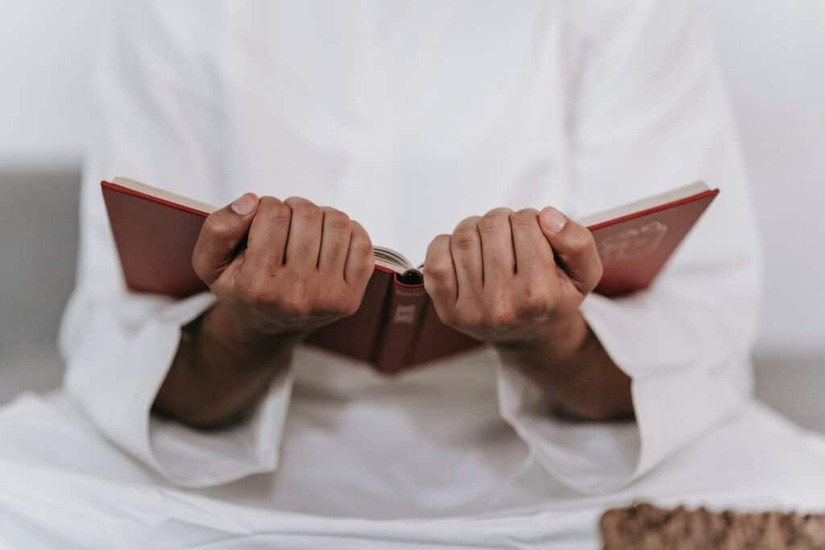
¿Qué son las inversiones islámicas y por qué hay tantas restricciones?
Una de las cosas más importantes que hay que saber sobre La inversión islámica es que la riba (interés) está prohibido en el Islam.
La palabra árabe “riba”, que significa “aumentar” o “exceder”, se utiliza con frecuencia para referirse a las comisiones y penalizaciones desleales en el comercio o los préstamos.
El interés, tal y como lo define el Islam, es una tasa que se paga por el uso del dinero. En la ley islámica, el interés sólo puede pagarse si hay un intercambio de bienes y servicios, o si una persona presta algo a otra sin esperar nada a cambio. La cantidad de intereses que debe pagarse varía según el tipo de transacción de que se trate.
Aunque el tipo de interés no es superior a los tipos del mercado, recibir intereses por préstamos o depósitos se denomina riba. La creencia generalizada es que el cobro de intereses implica una explotación desigual de los recursos y equivale a la usura.
El reparto de beneficios entre las partes es injusto, por ejemplo, cuando los “ingresos no devengados” favorecen a los acreedores con garantías y liquidez mientras que los morosos deben trabajar más para beneficiarse de estos préstamos.
La usura es un tema polémico en el mundo islámico. Mientras que algunos eruditos sostienen que la usura está prohibida, otros creen que está permitida en determinadas circunstancias.
La sharia prohíbe la usura por varias razones. Su objetivo es garantizar la equidad en las transacciones. Su finalidad es proteger la riqueza del pueblo ilegalizando los intercambios injustos y desiguales.
El Islam trata de fomentar la entrega a los demás y la realización de buenas acciones. de eliminar las actitudes egoístas y egocéntricas que pueden generar ira, desconfianza y hostilidad social.
La ley islámica anima a la gente a actuar de forma caritativa al declarar ilegal la riba, que abre situaciones en las que la gente puede prestar dinero sin cobrar intereses.
La murabaha, también conocida como financiación de coste incrementado, es un tipo de financiación islámica en la que tanto el vendedor como el comprador acuerdan el coste del activo y el margen de beneficio. En el margen de beneficio es donde se produce la acción.
Como resultado, la ley islámica reconoce la Murabaha como un tipo legal de venta a crédito en lugar de un préstamo con intereses (qardh ribawi). Al igual que en el alquiler con opción a compra, el comprador no es propietario de la propiedad hasta que no haya reembolsado la totalidad del préstamo.
Los instrumentos financieros basados en la sharia difieren de los instrumentos financieros convencionales. Por ejemplo, una sociedad con participación en los beneficios y las pérdidas se denomina mudarabah, mientras que una empresa conjunta se denomina musharakah.
Hay fondos que siguen las normas de la religión y cumplen la sharia. Es necesario crear un consejo de administración que respete los principios de la sharia y esté formado por académicos islámicos. Los miembros de la junta se encargan de evaluar las opciones de inversión de un fondo, incluida la empresas en las que invierte.
La palabra árabe para los certificados financieros es sukuk. Tanto los sukuk como los bonos ofrecen flujos de pagos a los inversores, pero los ingresos de un sukuk no pueden ser especulativos porque dejarían de ser halal.
Los sukuks basados en activos o respaldados por activos son ambas opciones. Los primeros incluyen los bonos islámicos, mientras que los segundos incluyen los activos titulizados. un vehículo de propósito especial (SPV) establecido específicamente con el fin de emitir certificados en los mercados de capitales. Los conceptos de Ijarah se aplican a los ingresos para comprar un activo.
Los sukuk son similares a los bonos, pero con algunas diferencias clave.
En primer lugar, no son acciones: Son una forma de inversión que implica la propiedad de activos, a diferencia de los bonos, que son obligaciones de deuda. Esto significa que si el activo que respalda un sukuk se revaloriza, el sukuk puede revalorizarse en consecuencia, a diferencia de un bono que está vinculado a su valor. tipo de interés.
En segundo lugar, no pagan intereses como cualquier otra forma de inversión islámica.
El activo es adquirido por un intermediario, que a su vez lo arrienda a la SPV. Antes del vencimiento del arrendamiento, la SPV tiene la opción (pero no la responsabilidad) de comprar el activo arrendado.
El producto de la venta inicial también puede invertirse según las reglas establecidas en una transacción Wakala. En este tipo de transacción, se utiliza un agente específico con el nombre de Wakeel para llevar a cabo la inversión, que es sólo temporal.
La sharia prohíbe invertir en empresas que trabajen contra el Islam.
Así que las empresas que realizan transacciones basadas en intereses también están prohibidas porque se consideran riba (usura). Pero también hay otras restricciones a la inversión islámica.
Productos como el alcohol, el cerdo, el juego y la pornografía se consideran haram (prohibidos) según la ley islámica. Lo mismo ocurre con cualquier empresa que se dedica a los juegos de azar o vende productos derivados del cerdo.
Las finanzas islámicas son una forma de invertir compatible con la ley islámica. Estas inversiones incluyen halal inversiones, que son las que se ajustan a esa ley. Inversiones halal se rigen por principios sostenibles y se centran en prácticas respetuosas con el medio ambiente y prácticas empresariales éticas.

¿Cómo funciona en la práctica la inversión islámica?
La inversión islámica es un tema complejo. Puede resultar difícil entender cómo funciona y qué implica, sobre todo si se desconoce la amplia gama de productos disponibles en el mercado.
Asegúrese de consultar con un experto financiero si necesita aclaraciones sobre los entresijos de la inversión islámica en Sudáfrica.
Muchos musulmanes simplemente invierten en empresas que siguen la ley islámica, es decir, empresas halal que no se dedican a ninguno de los negocios prohibidos mencionados anteriormente.
Debido a sus restricciones, el mercado de las inversiones islámicas es menor que los mercados de inversión convencionales. Sin embargo, está creciendo con bastante rapidez a medida que más inversores con conciencia social empiezan a replantearse sus inversiones.
Según el Banco Asiático de Desarrollo, En 2015, los activos mundiales del sector ascendían al menos a $1,9 billones.
Las finanzas islámicas han adquirido una importancia sistémica en varios países asiáticos, como Brunei, Bangladesh y el Reino Unido. Malasia, donde ha alcanzado al menos 15% de cuota de mercado en el sector bancario nacional como resultado de la continua expansión de la industria.
Además, las naciones sin una población musulmana significativa están empezando a acoger el dinero islámico.
Existe un mercado importante para la financiación conforme a la sharia en todo el mundo, como demuestra la introducción de sukuks soberanos en Luxemburgo, Hong Kong, China, Reino Unido y Sudáfrica. Todas estas emisiones fueron suscritas al menos dos veces en exceso.
La práctica ha ido creciendo incluso antes.
En los diez primeros años de este siglo, los fondos conformes a la sharia se expandieron a un ritmo anualizado de 26%, según un estudio de 2011 estudio de la consultora PricewaterhouseCoopers (PwC).
Según la investigación, su expansión alcanzó “un punto de inflexión” entre 2002 y 2003, al aumentar la liquidez del petrodólar y desarrollarse los mercados de capitales de las naciones del Consejo de Cooperación del Golfo (CCG) para apoyar la inversión.
Mientras tanto, El Centro Financiero Islámico Internacional de Malasia que a finales del primer trimestre de 2017, había $70,8 billones en activos islámicos mundiales totales bajo gestión (AUM), frente a los $47 billones de 2008.
Sin embargo, como gran parte de la inversión se realiza a través de colocaciones privadas, es difícil determinar con exactitud el tamaño o el valor del sector. Además, como la los fondos no se negocian en mercados secundarios, tenemos un acceso limitado a la información sobre sus electores.
Esta normativa puede aumentar la dificultad y los gastos de gestionar un fondo conforme a la sharia. Las juntas de la sharia, por ejemplo, están formadas por eruditos islámicos, cuyos honorarios anuales pueden ascender a un total de 1.000 euros. millones de dólares, Aumentando el coste global de la gestión del fondo.
Llegar a un acuerdo sobre el análisis y la aplicación de una determinada línea de actuación supone un reto y requiere mucho tiempo para los eruditos, ya que tienen diferentes interpretaciones de la ley islámica.
Si está interesado en aprender más sobre la inversión islámica, lo mejor es empezar con un corredor local o en línea que tenga experiencia con la tipo de inversión que quieras hacer.
¿Le duele la indecisión financiera? ¿Quiere invertir con Adam?

Adam es un autor reconocido internacionalmente en temas financieros, con más de 830 millones de respuestas en Quora, un libro muy vendido en Amazon y colaborador de Forbes.