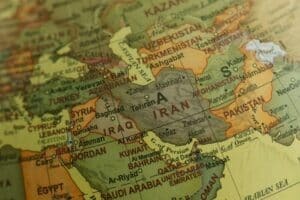
Which countries have the most expats in the Middle East? This is a question that many individuals considering a move to the region may be asking themselves.
Understanding the answer to this question is crucial for anyone looking to live and work in the Middle East.
With a significant number of expats residing in the region, knowing which countries have the highest expat populations can help individuals make informed decisions about where to look for job opportunities and where to settle down.
This blog aims to provide a comprehensive overview of the six Middle Eastern countries with the highest number of expats, their unique characteristics and cultures, and the opportunities they offer to expats.
Si desea invertir como expatriado o particular con un elevado patrimonio neto, que es en lo que estoy especializado, puede enviarme un correo electrónico (advice@adamfayed.com) o WhatsApp (+44-7393-450-837).
Which countries have the most expats in the Middle East?
Several countries in the Middle East attract a significant number of expats. These countries offer a range of employment opportunities and benefits that make them attractive to foreign workers.
From tax-free income and generous benefits packages to high salaries and a good standard of living, these six Middle Eastern countries continue to be popular destinations for expatriados from around the world.
Emiratos Árabes Unidos (EAU)
The UAE has the largest expat population in the Middle East, with approximately 88% of the country’s population being foreign nationals. Dubai and Abu Dhabi are the most popular cities for expats in the UAE, with many attracted by the country’s strong economy, tax-free income, and modern infrastructure.
According to the World Bank, the UAE has the 32nd-highest GDP per capita in the world, making it an attractive destination for workers seeking high salaries and a high standard of living.
Arabia Saudí
Saudi Arabia is home to a significant expat population, particularly from South and Southeast Asia. Many expats work in the oil and gas industry, construction, or as domestic workers.
The country’s economy is heavily dependent on oil, and as a result, many foreign workers are employed in the energy sector. According to the World Bank, the country’s GDP per capita was $1.732 trillion in 2022
Qatar
Qatar is a popular destination for expats, particularly those working in the oil and gas industry, construction, and hospitality sectors. The country has the highest GDP per capita in the world, according to the World Bank, with a figure of $258 billion in 2022. This has made it an attractive destination for workers seeking high salaries and a good standard of living.
Kuwait
Kuwait is home to a significant number of expats, particularly from India, Bangladesh, and the Philippines. Many work in the oil and gas industry, healthcare, or as domestic workers. The country has a high GDP per capita, with a figure of $211 billion in 2022 according to the World Bank.
Omán
Oman is home to a growing number of expats, particularly from South and Southeast Asia. Many work in the oil and gas industry, construction, or as domestic workers. The country has a relatively high GDP per capita of $160 billion in 2022, according to the World Bank.
Bahréin
Bahrain is a popular destination for expats, particularly those working in the finance and banking sectors. The country has a strong economy, with a high GDP per capita of $75 billion in 2022, according to the World Bank.
What are some of the most popular industries for expats in the Middle East?
There are several industries that are popular among expats in the Middle East, and the best country for a particular industry may depend on a variety of factors, including job demand, salary, and visa requirements.
Here are some of the most popular industries for expats in the Middle East and some countries that may be good options for those looking to work in these industries:
Petróleo y gas
The oil and gas industry is one of the largest employers in the Middle East, with many expats working in the sector. Saudi Arabia, the UAE, Qatar, and Kuwait are among the top countries in the region for oil and gas jobs.
Finance and Banking
The finance and banking sector is another popular industry for expats in the Middle East. Bahrain is considered one of the top financial hubs in the region, with many global financial institutions having a presence there. Dubai is also a popular destination for those looking to work in finance, as it is home to the Dubai International Financial Centre (DIFC).
Sanidad
The healthcare industry is growing in the Middle East, with many expats working in hospitals, clinics, and other healthcare facilities. Saudi Arabia and the UAE are among the top countries for healthcare jobs in the region.
Educación
The education sector is another popular industry for expats in the Middle East, particularly for those who are interested in teaching English as a foreign language. Qatar and the UAE are among the top countries for teaching jobs in the region.
Hospitality and Tourism
The hospitality and tourism industry is also a popular choice for expats in the Middle East. Dubai is a popular destination for those looking to work in the sector, as it is a hub for tourism in the region. Oman and Bahrain are also good options for those looking for work in the hospitality industry.
How do the regulations and requirements for working in the Middle East vary from country to country?
Regulations and requirements for working in the Middle East can vary significantly from country to country.
It is important for expats to be aware of the specific requirements of the country they plan to move to. Here are some factors to consider:
Requisitos de visado
Expats will typically need a visa to work in the Middle East. Visa requirements can vary depending on the country and the type of work the expat will be doing. Some countries may require medical examinations, background checks, or other documentation before issuing a visa.
Work permits
In addition to a visa, expats may also need a work permit to legally work in the country. Work permit requirements can vary depending on the country and the type of work the expat will be doing.
Sponsorship
Many countries in the Middle East require expats to have a sponsor to work in the country. The sponsor may be an employer, a family member, or a government agency.
Employment contracts
Expats should carefully revise their employment contract before signing. The contract should outline the terms of employment, including salary, benefits, and working hours.
Language requirements
Depending on the job, expats may be required to speak the local language or English. Some countries may require expats to take a language proficiency test before they can work.
Cultural differences
Expats should be aware of cultural differences when working in the Middle East. For example, working hours may be different from what expats are used to in their home country, and certain behaviors may be considered inappropriate or disrespectful.
It is important for expats to research the regulations and requirements for working in the specific country they plan to move to.
They should also seek advice from other expats, immigration lawyers, or recruitment agencies to ensure they understand the requirements and have all necessary documentation in place.
By being prepared and informed, expats can have a smoother transition to working in the Middle East.
What is the quality of life like for expats in the Middle East?
The quality of life for expats in the Middle East can vary depending on a range of factors, including the country they are living in, their income level, and their personal preferences.
However, there are several countries in the Middle East that are known for offering a high standard of living for foreign workers.
The UAE is a popular destination for expats, and many find the quality of life to be high. Dubai and Abu Dhabi are modern and cosmopolitan cities, with a range of amenities and entertainment options. The coste de la vida can be high, but tax-free income and good salaries can offset this.
Qatar is a small but wealthy country, with a high standard of living. Many expats are attracted to Qatar for its high salaries and tax-free income, as well as its modern infrastructure and excellent healthcare system.
Bahrain is a small island country, but it has a relatively high standard of living. The cost of living can be lower than in some other Gulf countries, and expats can enjoy a range of amenities and activities.
Oman is known for its natural beauty and cultural heritage, and expats can enjoy a good quality of life in the country. Salaries can be lower than in some other Gulf countries, but the cost of living is also lower, and expats can enjoy a range of outdoor activities and cultural experiences.
Saudi Arabia is a large country, and the quality of life can vary depending on the city or region. Many expats are attracted to Saudi Arabia for its high salaries and tax-free income, but there may be restrictions on social activities and cultural differences to adjust to.

How do the cultures and customs of Middle Eastern countries differ from those in other parts of the world?
The cultures and customs of Middle Eastern countries can differ significantly from those in other parts of the world.
It is essential for expats to be aware of these differences before relocating to the region. Here are some key cultural differences to be aware of:
Religion
The Middle East is predominantly Muslim, and religion plays a central role in daily life. Expats should be respectful of Islamic customs, such as dressing modestly and refraining from drinking alcohol during Ramadan.
Gender roles
Gender roles in the Middle East can be different from those in other parts of the world. In some countries, women are expected to dress modestly and may face restrictions on their behavior in public.
Social customs
Social customs in the Middle East can vary depending on the country and region. Expats should be aware of local customs and norms, such as removing shoes before entering a home or greeting someone with a kiss on each cheek.
Language
Arabic is the official language in many Middle Eastern countries, although English is also widely spoken. Expats may want to learn some basic Arabic phrases to help them communicate with locals.
Work culture
Work culture in the Middle East can be different from that in other parts of the world. For example, the work week may be Sunday through Thursday, and working hours may be longer than in other countries.
Family values
Family values are important in many Middle Eastern countries, and expats should be aware of the importance of family ties and respect for elders.
By being aware of cultural differences and respectful of local customs, expats can have a more positive experience living and working in the Middle East.
What are some tips for expats looking to adjust to life in the Middle East?
Adjusting to life in the Middle East can be a challenge for expats, but there are several tips that can help them make the most of their experience living and working abroad.
One of the most important things expats can do is to be open-minded and receptive to new experiences. This can help them adjust to the local culture and make the most of their time in the Middle East.
Learning the local language, or at least some basic phrases, can help expats communicate more effectively with locals and feel more at home in the new culture.
Expats should make an effort to meet and befriend locals, as this can help them better understand the local culture and customs. Joining local clubs or organizations can be a good way to meet new people.
It is important for expats to respect local customs and traditions, even if they do not fully understand or agree with them. This can help them build positive relationships with locals and avoid cultural misunderstandings.
Participating in local activities and events, such as festivals or cultural celebrations, can help expats immerse themselves in the local culture and make new friends.
Expats should also make an effort to stay connected with friends and family back home, as this can help them feel less homesick and more connected to their home culture.
Adjusting to a new culture can be stressful, so it is important for expats to take care of themselves by getting enough sleep, eating well, and engaging in regular exercise.
How do salaries and benefits for expats in the Middle East compare to those in other parts of the world?
Salaries and benefits for expats in the Middle East can vary significantly depending on the country, industry, and job.
However, in general, salaries and benefits in the Middle East tend to be quite competitive and can often be higher than those in other parts of the world.
One of the biggest advantages of working in the Middle East is tax-free income. This means that expats can take home more of their salary than they would in other countries.
Many employers in the Middle East offer generous benefits packages, which can include seguro de enfermedad, housing allowances, transportation allowances, and education allowances for children.
Salaries for expats in the Middle East can also be quite high, particularly in industries such as oil and gas, finance, and healthcare.
However, similarly, the cost of living can also be quite high, particularly in cities like Dubai and Abu Dhabi.
Some countries in the Middle East require expats to have a certain level of income to qualify for residency or other benefits.
In terms of which countries offer the best compensation packages, this can vary depending on the industry and job.
However, the United Arab Emirates (UAE), Qatar, and Saudi Arabia are generally considered to offer some of the highest salaries and most generous benefits packages for expats.
What are some common challenges that expats may face when living and working in the Middle East?
Living and working in the Middle East can be an exciting and rewarding experience, but it can also present some challenges for expats.
Adjusting to a new culture can be difficult, particularly if the expat has never lived outside their home country before.
To overcome culture shock, expats can try to learn as much as possible about the local culture and customs, and make an effort to meet and befriend locals.
Depending on the country, expats may face language barriers when trying to communicate with locals.
Learning some basic phrases in the local language can help overcome this challenge, as can using translation apps or working with a translator.
Visa and residency requirements can be complex and confusing, particularly if the expat is not familiar with the local regulations.
Working with an immigration lawyer or seeking advice from a local embassy can help overcome this challenge.
Some countries in the Middle East may have security concerns, particularly around political instability or terrorism.
Expats can stay safe by staying informed about local security risks, avoiding high-risk areas, and following any security guidelines provided by their employer or the local authorities.
Depending on the country, finding suitable housing can be a challenge. Working with a local real estate agent or seeking advice from other expats can help overcome this challenge.
By being prepared and informed about the challenges they may face, expats can better adapt to living and working in the Middle East and have a more positive experience.

What resources are available to expats in the Middle East?
Expats can find housing in the Middle East through a variety of sources, including inmobiliario agents, online classifieds, and word-of-mouth. Some employers may also provide housing as part of an expat’s benefits package.
Healthcare in the Middle East can be quite good, and many countries have modern hospitals and medical facilities. Expats can access healthcare through private or public hospitals, and may be required to have health insurance to cover the cost of medical care.
Many countries in the Middle East also have international schools that cater to expats. These schools may follow a curriculum from the expat’s home country or an international curriculum, and can provide a high-quality education for expat children.
Many expats in the Middle East also form social or support groups to help each other navigate the challenges of living and working in a país extranjero. These groups can provide a sense of community and support for expats.
Conclusión
The Middle East is a diverse region that offers many opportunities for expats to live and work abroad.
While there may be some challenges to living in the region, there are also many resources available to help expats adjust and thrive. With its growing economy, tax-free income, and generous benefits packages, the Middle East continues to attract expats from around the world.
By being prepared, open-minded, and respectful of local customs, expats can have a positive and rewarding experience living and working in the Middle East.
Whether it is for a short-term assignment or a long-term move, the Middle East offers a unique and exciting opportunity for expats to explore a new culture, make new friends, and build a successful career abroad.
¿Le duele la indecisión financiera?

Adam es un autor reconocido internacionalmente en temas financieros, con más de 830 millones de respuestas en Quora, un libro muy vendido en Amazon y colaborador de Forbes.