¿Busca la casa de sus sueños en zonas rurales de Australia? Tal vez anhele un apacible retiro en el campo, lejos del ajetreo de la vida urbana. Si la asequibilidad es una prioridad, conocer las zonas rurales más baratas para comprar una casa en Australia resulta crucial.
En este blog, le invitamos a embarcarse en un viaje para explorar las joyas ocultas de la propiedad rural asequible en el Land Down Under.
Desde pintorescas ciudades rurales a idílicas regiones del interior, le descubriremos los destinos con mejor relación calidad-precio, que ofrecen la combinación perfecta de tranquilidad, encanto y asequibilidad.
Si desea invertir como expatriado o particular con un alto patrimonio neto, que es en lo que estoy especializado, puede enviarme un correo electrónico (advice@adamfayed.com) o utilizar WhatsApp (+44-7393-450-837).
¿Qué factores debo tener en cuenta a la hora de buscar zonas rurales asequibles para comprar una casa en Australia?
A la hora de buscar zonas rurales asequibles donde comprar una casa, hay que tener en cuenta varios factores. Estos factores pueden ayudarle a evaluar el potencial de un lugar concreto y a tomar una decisión con conocimiento de causa. He aquí algunos factores clave a tener en cuenta:
Precios inmobiliarios
Compare los precios de las propiedades en distintas zonas rurales para encontrar opciones asequibles dentro de su presupuesto. Investiga los datos de ventas de propiedades recientes, las tendencias y el rango de precios medios en las zonas que te interesan.
Ubicación y accesibilidad
Considere la proximidad de la ubicación a instalaciones y servicios esenciales como colegios, centros sanitarios, centros comerciales y transporte público. Evalúe la accesibilidad de la zona a las principales ciudades o centros de empleo, así como la calidad de las infraestructuras locales, como carreteras y servicios públicos.
Oportunidades de empleo
Evaluar la disponibilidad de puestos de trabajo y oportunidades de empleo en la zona o en las ciudades cercanas. Considere las industrias locales, las tendencias del mercado laboral y el potencial de crecimiento futuro o diversificación de los sectores de empleo.
Instalaciones y servicios
Investigar la disponibilidad de comodidades y servicios esenciales como tiendas de comestibles, bancos, oficinas de correos, instalaciones recreativas y servicios comunitarios. Evalúe la calidad y la proximidad de estos servicios para garantizar un estilo de vida cómodo y confortable.
Desarrollo de infraestructuras
Investiga cualquier desarrollo de infraestructuras previsto o en curso en la zona, como ampliaciones de carreteras, nuevas escuelas o mejoras de los servicios públicos. Estos avances pueden indicar un crecimiento potencial y un aumento del valor de la propiedad en el futuro.
Comunidad y estilo de vida
Explore el ambiente de la comunidad y el estilo de vida de la zona rural. Considere factores como la cultura local, las actividades de la comunidad, las oportunidades recreativas (por ejemplo, parques, senderos, instalaciones deportivas) y cualquier característica o atracción única que contribuya al atractivo de la zona.
Potencial futuro
Busque indicios de crecimiento, inversión o desarrollo potenciales en la zona. Tenga en cuenta factores como las tendencias demográficas, las iniciativas del gobierno local, las perspectivas turísticas o cualquier proyecto previsto que pueda repercutir positivamente en el valor de la propiedad y el atractivo general del lugar.
Normativa local y zonificación
Familiarícese con la normativa local, las leyes de zonificación y las restricciones de planificación que puedan afectar al uso de la propiedad, el potencial de desarrollo u otras consideraciones específicas de las zonas rurales.
Entorno natural y medio ambiente
Evalúe el entorno natural y el medio ambiente de la zona. Tenga en cuenta factores como los paisajes pintorescos, la proximidad a parques, bosques o masas de agua, y cualquier característica medioambiental que contribuya al atractivo general del lugar.
Estado del inmueble y posibles renovaciones
Evalúe el estado de las propiedades disponibles en la zona y considere la posibilidad de realizar reformas o mejoras. Determine si hay propiedades asequibles que requieran actualizaciones cosméticas o reparaciones menores, lo que puede ofrecer oportunidades de ahorro.

Varias zonas rurales de Tasmania, como el Valle de Huon, la Costa Oeste y las Midlands, suelen tener viviendas más asequibles que otras partes del país.
¿Cuáles son las zonas rurales más baratas para comprar una casa en Australia?
Determinar cuáles son las zonas rurales más baratas para comprar una casa en Australia puede ser todo un reto, ya que los precios de los inmuebles pueden variar en función de varios factores, como la ubicación, las condiciones del mercado y los tipos de propiedad.
Sin embargo, hay algunas regiones conocidas por ofrecer opciones de vivienda más asequibles en zonas rurales. He aquí algunos ejemplos:
Tasmania
Varias zonas rurales de Tasmania, como el Valle de Huon, la Costa Oeste y las Midlands, suelen tener viviendas más asequibles que otras partes del país.
Australia Meridional
Regiones como la península de Eyre, Riverland y el valle de Clare, en Australia Meridional, son conocidas por sus opciones de vivienda relativamente asequibles en entornos rurales.
Queensland
Ciertas zonas rurales de Queensland, como Darling Downs, la región de Wide Bay-Burnett y partes de Atherton Tablelands, ofrecen opciones de vivienda asequible.
Nueva Gales del Sur
Aunque generalmente se consideran más caras, algunas zonas rurales de Nueva Gales del Sur, como Riverina, Central West y partes de Northern Rivers, pueden ofrecer oportunidades de vivienda más asequibles.
Victoria
Algunas zonas rurales de Victoria, como la región de Mallee, Gippsland y partes del Distrito Occidental, pueden ofrecer opciones de vivienda más asequibles.
Australia Occidental
Las zonas rurales de Australia Occidental, como la región de Wheatbelt, Great Southern y partes de Kimberley, pueden ofrecer oportunidades de vivienda relativamente asequibles.
Territorio del Norte
Algunas zonas rurales del Territorio del Norte, como Katherine, Tennant Creek y partes del Top End, pueden tener opciones de vivienda más asequibles en comparación con grandes ciudades como Darwin.
¿Qué comodidades y servicios puedo esperar en estas zonas rurales asequibles?
Las comodidades y servicios disponibles en las zonas rurales asequibles de Australia pueden variar según la región concreta y su proximidad a los centros urbanos.
Aunque las zonas rurales suelen tener menos comodidades que las grandes ciudades, siguen ofreciendo servicios e instalaciones esenciales para atender las necesidades diarias de los residentes. Estos son algunos de los servicios y comodidades más comunes:
Tiendas de comestibles y mercados
Las zonas rurales suelen tener tiendas de ultramarinos, supermercados y mercados locales donde se pueden comprar alimentos básicos y comestibles. Estos establecimientos pueden ser de menor tamaño que los supermercados urbanos, pero pueden satisfacer las necesidades alimentarias básicas.
Centros sanitarios
Las zonas rurales suelen contar con dispensarios médicos, médicos de cabecera y centros de salud comunitarios que prestan servicios de atención primaria. Aunque las instalaciones médicas especializadas pueden ser limitadas, las zonas rurales suelen tener acceso a servicios sanitarios esenciales, como médicos, enfermeras y farmacias.
Escuelas e instituciones educativas
En las zonas rurales hay escuelas primarias, secundarias y, a veces, incluso centros de enseñanza superior. Estas instituciones imparten educación a niños y adolescentes, garantizando el acceso a una educación de calidad dentro de la comunidad local.
Servicios postales y bancarios
La mayoría de las zonas rurales cuentan con oficinas de correos que ofrecen servicios postales, incluida la entrega de correo y paquetes. También hay servicios bancarios a través de sucursales o agentes locales, que ofrecen servicios bancarios básicos y acceso a cajeros automáticos.
Instalaciones recreativas
Las zonas rurales suelen ofrecer instalaciones recreativas como parques, campos deportivos, centros comunitarios y piscinas. Estos espacios promueven el compromiso de la comunidad y ofrecen oportunidades para actividades de ocio, deportes y reuniones sociales.
Transporte público
Aunque las opciones de transporte público pueden ser limitadas en comparación con las zonas urbanas, las zonas rurales suelen contar con servicios de autobús o redes regionales de transporte que las conectan con los pueblos o ciudades cercanos. Estos servicios permiten a los residentes desplazarse y acceder a servicios esenciales en zonas cercanas.
Bibliotecas y centros culturales
Muchas zonas rurales cuentan con bibliotecas públicas que ofrecen acceso a libros, recursos y programas educativos. También puede haber centros culturales y museos locales que muestren la historia, el arte y el patrimonio cultural de la región.
Comercios y restaurantes
Las zonas rurales suelen contar con tiendas, cafeterías, restaurantes y pequeñas empresas locales que atienden las necesidades de los residentes en cuanto a comercios y restaurantes. Estos establecimientos ofrecen la oportunidad de apoyar a las empresas locales y disfrutar de los productos o la cocina locales.
Servicios de emergencia
Las zonas rurales cuentan con servicios de emergencia como comisarías de policía, parques de bomberos y servicios de ambulancia para garantizar la seguridad y el bienestar de los residentes. Sin embargo, los tiempos de respuesta ante emergencias pueden variar debido a la distancia de los grandes centros.
¿Cómo se compara el coste de la vida en las zonas rurales con el de las zonas urbanas de Australia?
El coste de la vida en las zonas rurales de Australia suele ser inferior al de las zonas urbanas.
Sin embargo, es importante tener en cuenta que el coste de la vida puede variar dependiendo de la ubicación específica dentro de cada categoría. Estos son algunos factores a tener en cuenta al comparar el coste de la vida en zonas rurales y urbanas:
Gastos de vivienda
El coste de la vivienda en las zonas rurales suele ser más asequible que en las urbanas. Los precios de la vivienda, tanto de compra como de alquiler, suelen ser más bajos en las zonas rurales, lo que permite optar a viviendas potencialmente más espaciosas y asequibles.
Transporte
Las zonas rurales pueden tener costes de transporte más bajos que las urbanas. Los precios del combustible y las distancias de desplazamiento suelen ser más bajos en las regiones rurales, pero el acceso a las opciones de transporte público puede ser más limitado.
Servicios
Los costes de los servicios públicos, como la electricidad, el agua e Internet, suelen ser comparables entre zonas rurales y urbanas. Sin embargo, las tarifas de conexión y los costes de mantenimiento de las infraestructuras pueden variar en función de la lejanía de la zona rural.
Alimentación y comestibles
El coste de los comestibles y alimentos puede ser ligeramente superior en las zonas rurales debido a factores como los costes de transporte de las mercancías y la escasa competencia entre los proveedores. Sin embargo, los productos locales y de temporada pueden ser más asequibles y fáciles de conseguir en las zonas rurales.
Sanidad
Los costes sanitarios en las zonas rurales pueden verse influidos por la disponibilidad de servicios e instalaciones médicas. Aunque los servicios de atención primaria pueden ser más accesibles, la atención especializada y determinados tratamientos médicos pueden requerir desplazamientos a centros urbanos, lo que puede acarrear costes adicionales.
Educación
Los costes de la educación pública, como las tasas escolares, suelen ser los mismos en las zonas rurales y urbanas. Sin embargo, las zonas rurales pueden tener opciones limitadas de educación privada o especializada, lo que podría repercutir en las opciones y los costes de las familias que buscan oportunidades educativas específicas.
Entretenimiento y estilo de vida
El coste de las actividades de ocio y estilo de vida puede variar en función de las preferencias personales y de los servicios específicos disponibles en la zona. Las zonas rurales pueden tener menos opciones de ocio, restauración y eventos culturales, pero las actividades al aire libre y las atracciones naturales pueden ser más accesibles y asequibles.

El coste de los comestibles y artículos alimentarios puede ser ligeramente superior en las zonas rurales debido a factores como los costes de transporte de las mercancías y la escasa competencia entre los proveedores.
¿Existen posibles retos o inconvenientes a la hora de comprar una casa en una zona rural?
Sí, comprar una casa en una zona rural puede plantear problemas o inconvenientes. Es importante tener en cuenta estos factores antes de tomar una decisión. Éstos son algunos de los problemas más comunes:
Comodidades y servicios limitados
Las zonas rurales suelen tener menos comodidades y servicios que las urbanas. El acceso a instalaciones sanitarias, centros educativos, centros comerciales y opciones de ocio puede ser más limitado o requerir desplazarse a pueblos o ciudades cercanos.
Oportunidades de empleo
Las zonas rurales suelen tener menos oportunidades de empleo, sobre todo en sectores especializados. Esto puede dificultar la búsqueda de empleos adecuados, sobre todo si tienes requisitos profesionales específicos o dependes de una industria concreta.
Transporte y distancia
Las zonas rurales suelen estar más alejadas, lo que implica distancias de viaje más largas y opciones de transporte público potencialmente limitadas. Esto puede repercutir en la duración de los desplazamientos, el acceso a los servicios y la comodidad de viajar a las zonas urbanas.
Aislamiento social
Vivir en una zona rural puede llevar al aislamiento social, sobre todo si hay una comunidad local más pequeña o actividades sociales limitadas. Puede llevar tiempo crear una red social, y mantener las conexiones con amigos y familiares en zonas urbanas podría requerir más esfuerzo.
Mercado de reventa limitado
El mercado de reventa de casas en zonas rurales puede ser más reducido y restringido que el de las zonas urbanas. Puede llevar más tiempo encontrar compradores si decides vender tu propiedad, y los valores inmobiliarios pueden apreciarse a un ritmo más lento.
Internet e infraestructuras
Las zonas rurales pueden tener un acceso limitado a Internet de alta velocidad y a otras infraestructuras esenciales, lo que puede afectar a la conectividad y al acceso a los servicios en línea. Además, los cortes de electricidad y los problemas de mantenimiento pueden tardar más en resolverse en las zonas remotas.
Mantenimiento y servicios
Algunas zonas rurales pueden tener una disponibilidad limitada de comerciantes y servicios especializados, lo que hace más difícil encontrar contratistas para reparaciones o renovaciones. Los proveedores de servicios pueden tardar más en llegar a las zonas rurales, lo que puede provocar retrasos.
Riesgos naturales
Dependiendo de su ubicación, las zonas rurales pueden estar más expuestas a riesgos naturales como incendios forestales, inundaciones o condiciones meteorológicas extremas. Es importante tener en cuenta los riesgos potenciales y tomar las medidas adecuadas para mitigarlos.
¿Cuál es el precio medio de las viviendas en estas zonas rurales asequibles?
El precio medio de las propiedades en zonas rurales asequibles de Australia puede variar considerablemente en función de la región, la ubicación, el tipo de propiedad y las condiciones del mercado.
Sin embargo, como pauta general, las propiedades rurales asequibles suelen situarse en los tramos de precios más bajos o medios en comparación con las zonas urbanas. Es importante tener en cuenta que estos rangos son aproximados y pueden fluctuar con el tiempo. He aquí un resumen de la horquilla de precios medios de las propiedades en zonas rurales asequibles:
Casas
En muchas zonas rurales asequibles, el precio de las casas puede oscilar entre 150.000 y 400.000 dólares australianos o más, dependiendo de factores como la ubicación, el tamaño, el estado y la extensión del terreno. Algunas regiones pueden tener propiedades más caras, mientras que otras pueden ofrecer oportunidades para casas de menor precio.
Terreno
Si desea comprar un terreno en una zona rural asequible, los precios pueden variar en función de factores como el tamaño, la ubicación, la accesibilidad y la normativa urbanística. Los precios pueden oscilar entre los 30.000 dólares australianos de las parcelas más pequeñas o los lugares más remotos, y los cientos de miles de dólares de las parcelas más grandes o cercanas a los servicios.
Hectáreas y granjas
El precio de las parcelas y las propiedades agrícolas en zonas rurales asequibles puede variar considerablemente en función de factores como el tamaño del terreno, las infraestructuras, la disponibilidad de agua y la idoneidad agrícola. Los precios de las parcelas más pequeñas pueden oscilar entre 200.000 y 500.000 dólares australianos, mientras que las propiedades agrícolas más grandes pueden oscilar entre varios cientos de miles de dólares y millones de dólares, dependiendo de la escala y la productividad de la tierra.
¿Existen iniciativas o programas gubernamentales que apoyen a los compradores de propiedades rurales en Australia?
Sí, el Gobierno australiano ofrece diversas iniciativas y programas de apoyo a los compradores de propiedades rurales. El objetivo de estas iniciativas es fomentar la inversión, estimular el desarrollo regional y prestar asistencia a particulares o empresas interesados en adquirir propiedades en zonas rurales. Éstas son algunas de las iniciativas y programas gubernamentales más destacados:
Programa de Desarrollo Regional de Australia (RDA)
El Programa RDA apoya el desarrollo económico y el crecimiento de las regiones australianas. Proporciona financiación, recursos y asesoramiento a empresas, organizaciones y comunidades de zonas rurales, ayudando a crear oportunidades de empleo y a mejorar las infraestructuras regionales.
Subvención para el primer propietario (FHOG)
El FHOG es un programa de ámbito nacional que concede una subvención a los compradores de su primera vivienda, incluidos los que adquieren una propiedad en zonas rurales. El importe de la subvención y los criterios de elegibilidad pueden variar entre estados y territorios, por lo que es importante comprobar los requisitos específicos de la región que te interese.
Subvención HomeBuilder
La subvención HomeBuilder es una iniciativa temporal introducida por el Gobierno australiano para estimular el sector de la construcción. Aunque se centra principalmente en nuevas construcciones o renovaciones sustanciales, la subvención puede ser aplicable a los compradores de propiedades rurales que cumplan los criterios del programa.
Programas de financiación rural
Existen varios programas de financiación rural para apoyar a las empresas agrícolas y a las comunidades rurales. Estos programas proporcionan ayuda financiera, préstamos, subvenciones y subsidios para apoyar el desarrollo agrícola, la planificación de la sucesión de explotaciones y la mejora de las infraestructuras en las zonas rurales.
Becas para empresas rurales y regionales
El programa de Becas para Empresas Rurales y Regionales ofrece ayuda financiera a estudiantes de zonas rurales y regionales que cursan estudios superiores. El programa ayuda a sufragar los gastos de educación y pretende aumentar el acceso a las oportunidades de educación superior para las personas de las comunidades rurales.
Corporación Regional de Inversiones (RIC)
En RIC es una organización gubernamental que proporciona ayuda financiera a agricultores, productores primarios y agroindustrias que reúnan los requisitos necesarios. La RIC ofrece préstamos a bajo interés para diversos fines, como mejoras agrícolas, proyectos de resistencia a la sequía e inversiones en infraestructuras hídricas.
Iniciativas estatales y territoriales
Además de los programas nacionales, los distintos estados y territorios pueden tener sus propias iniciativas para apoyar a los compradores de propiedades rurales. Entre ellas pueden figurar las subvenciones, fiscal incentivos, desgravaciones fiscales y programas de desarrollo regional. Se recomienda investigar los programas específicos disponibles en el estado o territorio que le interese.
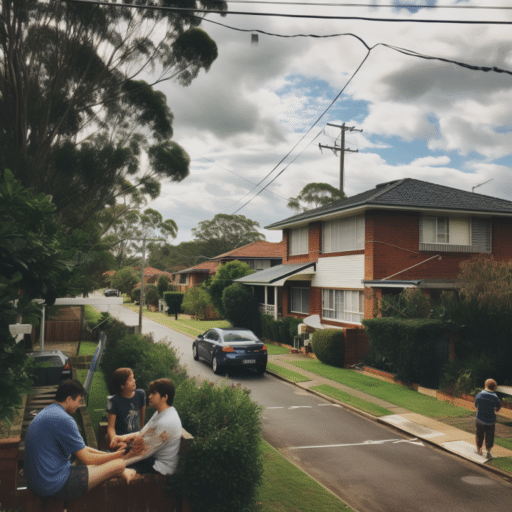
Investigue a fondo el mercado inmobiliario de la zona rural que le interese.
¿Cuáles son algunos consejos para navegar por el proceso de compra y obtener una hipoteca para una propiedad rural en Australia?
Navegar por el proceso de compra y conseguir una hipoteca para una propiedad rural en Australia requiere una cuidadosa planificación y consideración. Aquí tienes algunos consejos que te ayudarán en el camino:
Defina sus necesidades
Defina claramente sus requisitos para la propiedad rural, incluida la ubicación, el tamaño, las comodidades y cualquier característica específica que desee. Esto le ayudará a acotar su búsqueda y a centrarse en las propiedades que satisfagan sus necesidades.
Investigar el mercado inmobiliario
Investigue a fondo el mercado inmobiliario de la zona rural que le interese. Comprenda las tendencias del mercado, los datos de ventas recientes y los valores de las propiedades para asegurarse de tomar una decisión informada.
Contacte con agentes inmobiliarios locales
Los agentes inmobiliarios locales con experiencia en propiedades rurales pueden proporcionar valiosos conocimientos y orientación a lo largo del proceso de compra. Póngase en contacto con agentes que tengan experiencia en la región específica para acceder a sus conocimientos y experiencia.
Preaprobación financiera
Antes de iniciar la búsqueda de una propiedad, obtenga la preaprobación de una hipoteca de una entidad crediticia de confianza. Esto le ayudará a determinar su presupuesto, proporcionará confianza a los vendedores y agilizará el proceso de compra cuando encuentre la propiedad adecuada.
Trabajar con un conveyancer o solicitor con experiencia
Contrate los servicios de un agente de la propiedad inmobiliaria o un abogado especializado en transacciones de fincas rústicas. Le ayudarán a abordar los aspectos legales y a realizar búsquedas de propiedades, revise contratos, y garantizar una transacción fluida.
Inspección de la propiedad y diligencia debida
Organice una inspección exhaustiva de la propiedad para evaluar su estado, límites y posibles problemas. Considere la posibilidad de contratar a profesionales como inspectores de edificios, topógrafos o inspectores de plagas para obtener informes exhaustivos.
Factores específicos del medio rural
Las propiedades rurales suelen tener consideraciones únicas, como el acceso a los servicios públicos, las fuentes de agua, la calidad del suelo y las normas de zonificación. Conozca estos factores y las posibles restricciones o implicaciones que puedan tener para su propiedad.
Busque asesoramiento profesional
Consulte a profesionales como agrónomos, expertos en suelos o asesores rurales, sobre todo si va a comprar una propiedad con fines agrícolas. Su experiencia puede ayudarte a evaluar la idoneidad del terreno para el uso que pretendes darle.
Evaluar los requisitos del seguro
Las propiedades rurales pueden tener consideraciones específicas en materia de seguros, como el riesgo de incendio forestal o las zonas propensas a inundaciones. Busque proveedores de seguros especializados en propiedades rurales y conozca las opciones de cobertura disponibles para proteger su inversión.
Negociación y consideraciones contractuales
Colabore estrechamente con su agente de la propiedad inmobiliaria o abogado para negociar el precio de compra, los términos y las condiciones del contrato. Considere la posibilidad de incluir cláusulas apropiadas para abordar cualquier preocupación o contingencia específica relacionada con el medio rural.
Supervisar las opciones de financiación
Explore varias opciones hipotecarias y compare los tipos de interés, las comisiones y las condiciones de amortización de los distintos prestamistas. Considere la posibilidad de contratar a un agente hipotecario que pueda ayudarle a identificar productos de préstamo adecuados a sus necesidades.
Comprender los requisitos de seguridad de los préstamos
Las fincas rústicas pueden tener requisitos de garantía de préstamo únicos, como activos adicionales o avalistas. Comprenda los criterios del prestamista y asegúrese de que cumple las condiciones necesarias para garantizar la hipoteca.
¿Le duele la indecisión financiera?

Adam es un autor reconocido internacionalmente en temas financieros, con más de 830 millones de respuestas en Quora, un libro muy vendido en Amazon y colaborador de Forbes.