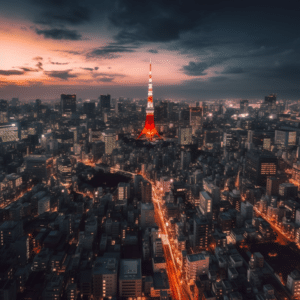
Al principio, el sistema de pensiones japonés puede parecer abrumador, sobre todo para los expatriados que se enfrentan a una nueva cultura y costumbres. Sin embargo, conocer a fondo este sistema financiero vital es crucial para planificar una jubilación segura y cómoda.
Esta completa guía pretende desmitificar para usted el sistema de pensiones japonés, ofreciéndole ideas prácticas e información para ayudarle en su viaje financiero.
Si desea invertir como expatriado o particular con un alto patrimonio neto, que es en lo que estoy especializado, puede enviarme un correo electrónico (advice@adamfayed.com) o utilizar WhatsApp (+44-7393-450-837).
Este artículo está en línea sólo con fines informativos, y los hechos pueden haber cambiado desde que lo escribimos.
Se recomienda hablar directamente con los departamentos gubernamentales para obtener información actualizada.
Introducción al sistema de pensiones japonés
El sistema de pensiones japonés desempeña una función crítica, salvaguardando la seguridad financiera de la población anciana de Japón. Como expatriado que vive y trabaja en Japón, entender este intrincado sistema es crucial para su futuro financiero. El sistema de pensiones, junto con el seguro de enfermedad y el seguro de desempleo, constituye la base del sistema de seguridad social de Japón.
Este sistema consta de múltiples partes, cada una de ellas diseñada para garantizar a las personas unos ingresos estables durante sus años de jubilación. Esto es crucial en un país como Japón, que presume de tener una de las esperanzas de vida más largas del mundo. Por eso, tener un sistema de pensiones fiable no es sólo un lujo, sino una necesidad. El sistema de pensiones japonés se considera un sistema de prestaciones definidas, lo que significa que las prestaciones se determinan mediante una fórmula basada en el historial de ingresos del individuo, su antigüedad en el servicio y su edad.
La estructura del sistema de pensiones japonés
El sistema de pensiones japonés funciona principalmente a través de tres planes distintos: el Kosei Nenkin (Seguro de Pensiones de los Empleados), el Kokumin Nenkin (Sistema Nacional de Pensiones) y el Kyosai Nenkin (Plan de Pensiones de Ayuda Mutua). Cada uno de estos planes está diseñado para atender a diferentes grupos demográficos dentro de la diversa población de Japón.
Kosei Nenkin (Seguro de Pensiones de los Trabajadores)
En Kosei Nenkin cubre principalmente a los trabajadores del sector privado. Trabaja en colaboración con los empresarios, que comparten la carga de las cotizaciones de jubilación con los trabajadores, garantizando así a los empleados unos ingresos de jubilación estables en el momento de la jubilación.
Kokumin Nenkin (Pensión Nacional)
Por otro lado, el Kokumin Nenkin está destinado a los autónomos, desempleados y trabajadores a tiempo parcial que no pueden acceder al Seguro de Pensión de los Trabajadores por Cuenta Ajena. Proporciona una pensión básica a todos los residentes en Japón, independientemente de su situación laboral, siempre que hayan cotizado al sistema durante un periodo mínimo de carencia.
Kyosai Nenkin (Pensión de ayuda mutua)
El Kyosai Nenkin atiende a los empleados del sector público, garantizando que los funcionarios y otros empleados de la Administración tengan acceso a las prestaciones de jubilación en el momento de la jubilación. jubilación. En Servicio de Pensiones de Japón, el principal organismo administrativo que supervisa estos planes de pensiones, gestiona estos diversos regímenes de pensiones, proporcionando información detallada, gestionando las cotizaciones y dispensando las prestaciones de jubilación.
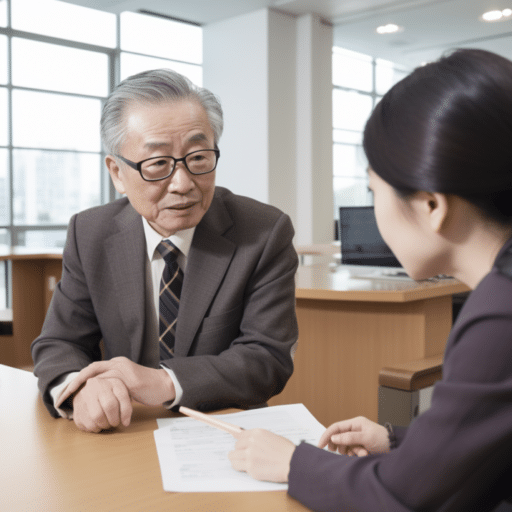
Las cotizaciones al sistema de pensiones japonés varían en función de sus ingresos y su situación laboral.
Requisitos del sistema de pensiones japonés para expatriados
En lo que respecta al sistema de pensiones japonés, los expatriados deben ser muy conscientes de los criterios de elegibilidad. En general, cualquier residente en Japón, de entre 20 y 60 años, está obligado a inscribirse en uno de los sistemas de pensiones. Esto es válido independientemente de su nacionalidad o situación laboral.
Por ejemplo, aunque sea un expatriado que trabaja por cuenta propia o ajena, tiene que afiliarse a la Pensión Nacional (Kokumin Nenkin). Del mismo modo, los empleados expatriados de empresas suelen estar obligados a afiliarse al Seguro de Pensiones de los Empleados (Kosei Nenkin). Comprender estos criterios es vital para asegurarse de que cumple con sus obligaciones y puede beneficiarse del sistema de pensiones cuando llegue el momento.
Tipos de cotización y formas de pago del sistema de pensiones japonés
Las cotizaciones al sistema de pensiones japonés varían en función de sus ingresos y su situación laboral. Para los trabajadores asalariados acogidos al Kosei Nenkin, el tipo de cotización actual es de unos 18,3% del salario mensual. Este importe se reparte a partes iguales entre el empresario y el trabajador.
En cambio, las personas acogidas al Kokumin Nenkin pagan una prima a tanto alzado. En 2021, la cuantía fija era de 16.540 yenes mensuales, pero es posible que haya variado en los últimos años. Es importante comprobar las tarifas actuales en el Servicio de Pensiones de Japón o en su empresa.
Estas contribuciones pueden pagarse a través de diversos métodos, como transferencias bancarias automáticas o incluso en tiendas de conveniencia. Para muchos expatriados, la opción más cómoda puede ser concertar reintegros automáticos en sus cuentas bancarias.
Edad de jubilación del sistema de pensiones japonés
Normalmente, puede empezar a percibir las prestaciones del sistema de pensiones japonés a los 65 años. No obstante, el sistema ofrece cierta flexibilidad. Puede optar por una pensión ‘anticipada’ o ‘diferida’. El inicio anticipado de la pensión puede comenzar a partir de los 60 años, pero con mensualidades reducidas. Por el contrario, si opta por retrasar el cobro de la pensión hasta después de cumplir los 65 años, las mensualidades aumentarán.
Cálculo de las prestaciones del sistema de pensiones japonés
La cuantía de la pensión que percibe del sistema de pensiones japonés se calcula en función de su remuneración media mensual estándar y del número de meses que ha cotizado al sistema. Hay ciertos factores que pueden afectar a la cuantía de la pensión que percibe, como la edad a la que empieza a cobrar la pensión y el total de años cotizados.
Cómo reclamar sus prestaciones de jubilación
Para solicitar las prestaciones del sistema de pensiones japonés, debe solicitar al Servicio de Pensiones de Japón. Este proceso implica rellenar un formulario de solicitud y presentarlo junto con la documentación necesaria, incluida su cartilla de pensiones, los datos de su cuenta bancaria y su identificación personal.
El sistema de “pago único por retiro” para expatriados
Una característica única del sistema de pensiones japonés adaptado a los expatriados es la Sistema de pagos a tanto alzado por retirada de fondos. Este sistema ofrece a los expatriados que han cotizado al sistema de pensiones pero han decidido marcharse definitivamente de Japón la oportunidad de percibir una cantidad a tanto alzado en lugar de esperar a que les paguen la pensión.
Para tener derecho a esta prestación, los expatriados deben cumplir una serie de requisitos. En primer lugar, debe haber cotizado al sistema de pensiones durante al menos seis meses. Debe tener en cuenta que este periodo de tiempo excluye cualquier periodo de cobertura en un país extranjero en virtud de un Convenio de Seguridad Social. En segundo lugar, debe marcharse de Japón sin intención de regresar.
Por último, deberá presentar la solicitud de Pago Único por Retiro dentro de los dos años siguientes a su salida de Japón. Este plazo comienza el día de su salida. Si no presenta la solicitud dentro de este plazo, no podrá optar al Pago Único por Retiro.
Es esencial recordar que el sistema de pago de cantidades a tanto alzado no es una prestación automática. Debe solicitarla activamente.
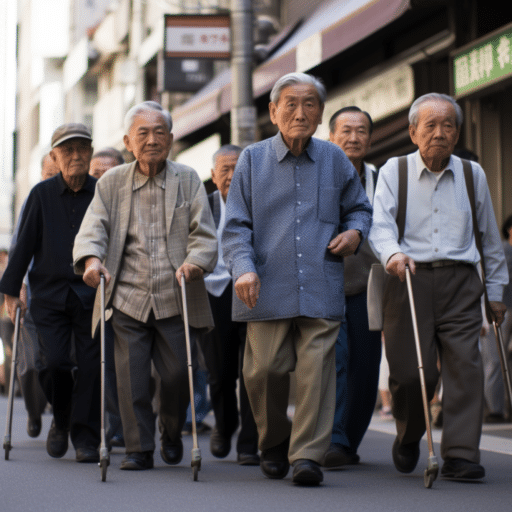
Para los expatriados en Japón, entender el papel de su empresa puede ayudarle a comprender mejor el proceso y darle la tranquilidad de saber que su pensión se gestiona adecuadamente.
El papel de los empresarios en el sistema de pensiones japonés
A la hora de entender el sistema de pensiones japonés, el papel de los empresarios es crucial, sobre todo cuando cotizan al Seguro de Pensiones de los Trabajadores por Cuenta Ajena (Kosei Nenkin). Los empresarios desempeñan un papel activo en la gestión de las cotizaciones a la pensión de sus empleados. Deducen la parte de las cotizaciones al seguro de pensiones que corresponde al trabajador directamente de su salario y la combinan con su parte antes de efectuar un único pago consolidado al Servicio de Pensiones de Japón.
El papel del empresario difiere ligeramente en función del tamaño de la empresa. Las grandes empresas suelen tener un departamento de recursos humanos que gestiona las cotizaciones a la pensión. En el caso de las empresas más pequeñas y las de nueva creación, el empresario puede encargarse de estas responsabilidades. Es esencial que los expatriados mantengan una conversación abierta con sus empleadores o departamentos de recursos humanos sobre cómo se gestionan sus contribuciones a la pensión.
Para los expatriados en Japón, entender el papel de su empresa puede ayudarle a comprender mejor el proceso y darle la tranquilidad de saber que su pensión se gestiona adecuadamente.
Implicaciones fiscales del sistema de pensiones japonés
El sistema de pensiones japonés, como cualquier otro sistema financiero, tiene sus implicaciones fiscales. Los expatriados que cotizan al sistema de pensiones japonés deben conocerlas para evitar sorpresas fiscales.
Las cotizaciones al sistema de pensiones japonés suelen ser desgravables. Esto significa que el importe que paga por su pensión se deduce de su renta imponible, lo que puede reducir su deuda tributaria total. Sin embargo, es esencial consultar con un profesional fiscal o con el Servicio de Pensiones de Japón para entender exactamente cómo funciona esto y cómo puede afectar a su declaración de la renta.
En la otra cara de la moneda, las prestaciones de jubilación se consideran ingresos imponibles en Japón. Cuando empiece a percibir las prestaciones de jubilación, es posible que tenga que declarar estos ingresos en su declaración de la renta.
Repercusiones de los cambios profesionales en su pensión
Los cambios profesionales pueden tener un impacto significativo en su pensión en el sistema de pensiones japonés. Esto se aplica tanto si cambias de trabajo dentro de Japón como si sales del país y regresas más tarde.
Si cambia de trabajo en Japón, su nuevo empleador suele encargarse de la transferencia de su cuenta de pensiones. Ellos se encargarán de que sus cotizaciones continúen sin problemas, siempre que su nuevo empleo también esté incluido en el Seguro de Pensiones de los Trabajadores (Kosei Nenkin).
Quienes se marchen de Japón y tengan previsto regresar, pueden solicitar el reembolso a través del sistema de Pago Único por Retiro, tal y como hemos comentado anteriormente. Sin embargo, cuando regrese a Japón y se reincorpore a la vida laboral, tendrá que volver a inscribirse en el sistema de pensiones correspondiente y empezar a cotizar de nuevo.
Es crucial comprender estas repercusiones y planificar en consecuencia para garantizar que sus cotizaciones a la pensión se gestionen eficazmente a lo largo de las transiciones de su carrera profesional.
Disposiciones especiales para cónyuges en el sistema de pensiones japonés
El sistema de pensiones japonés incluye varias disposiciones especiales para los cónyuges, diseñadas para proporcionar apoyo financiero y estabilidad. Entre ellas figuran el Sistema de Prestaciones para Cónyuges y la Pensión de Viudedad.
En virtud del sistema de prestaciones para cónyuges, el cónyuge que no trabaja o que gana por debajo de un determinado umbral de ingresos tiene derecho a prestaciones de pensión cuando el cónyuge que trabaja alcanza la edad de jubilación. Esto es crucial para las familias en las que uno de los cónyuges ha optado por quedarse en casa o trabaja a tiempo parcial.
La pensión de viudedad está concebida para ayudar económicamente al cónyuge en caso de fallecimiento de su pareja. El cónyuge superviviente tiene derecho a percibir una parte de la pensión del difunto, lo que le proporciona una seguridad financiera fundamental en un momento difícil.
Conocer estas disposiciones especiales puede ayudarles a usted y a su cónyuge a planificar su futuro, garantizando que ambos estarán cubiertos por el sistema de pensiones japonés.
Convenios internacionales de seguridad social
El Gobierno japonés ha creado la Acuerdos de Seguridad Social con 23 países (1 de abril de 2023). Estos acuerdos protegen los derechos de los trabajadores internacionales impidiendo la imposición de una doble cobertura de pensiones.
Si es usted un expatriado que trabaja temporalmente en Japón y su país de origen tiene un Convenio de Seguridad Social con Japón, puede estar exento de cotizar al sistema de pensiones japonés. En su lugar, puede seguir cotizando para la pensión en su país de origen mientras trabaja en Japón.
Para beneficiarse de un Convenio de Seguridad Social, necesita obtener un certificado de cobertura de la autoridad de seguridad social de su país de origen y presentarlo al Servicio de Pensiones de Japón. Este certificado servirá como prueba de su cobertura en el sistema de seguridad social de su país de origen y le eximirá de cotizar a la pensión en Japón.
Recuerde que estos acuerdos son recíprocos, lo que significa que también benefician a los ciudadanos japoneses que trabajan temporalmente en otros países.
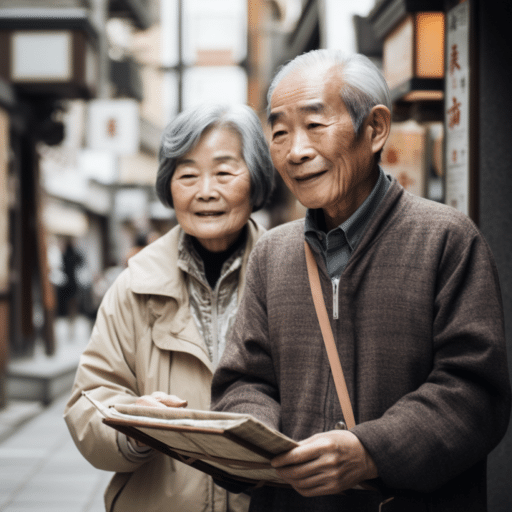
Japón se enfrenta actualmente a los retos que plantea el rápido envejecimiento de su población.
Tendencias futuras y reformas del sistema de pensiones japonés
El sistema de pensiones japonés, como todos los sistemas sociales dinámicos, evoluciona con el tiempo. Esta evolución viene determinada por una serie de factores, como el cambiante panorama demográfico japonés, la situación económica, los compromisos internacionales y los debates políticos internos.
Japón se enfrenta actualmente a los retos que plantea el rápido envejecimiento de su población. A medida que aumenta la proporción de personas mayores en relación con la población en edad de trabajar, se ejerce una mayor presión sobre el sistema de pensiones japonés. En respuesta a este reto demográfico, ha habido debates en curso sobre posibles reformas.
Algunas de estas reformas propuestas incluyen el aumento de la edad de jubilación, el ajuste de las tasas de cotización y la introducción de cambios estructurales en la forma de calcular y desembolsar las pensiones. A medida que se vayan aplicando, estos cambios pueden afectar significativamente a la forma en que los expatriados interactúan con el sistema de pensiones japonés.
Si usted es un expatriado que vive en Japón, es importante mantenerse al día con estos cambios. Participe activamente en los recursos disponibles, consulte con asesores financieros o personal de recursos humanos y manténgase al corriente de las actualizaciones de la política del Servicio de Pensiones de Japón. Tomando estas medidas proactivas, puede asegurarse de que navega por el sistema de pensiones japonés con eficacia, asegurando su futuro financiero en sus años de jubilación.
Conclusión
Al finalizar este análisis del sistema de pensiones japonés, es importante recordar que mantenerse informado y proactivo es la clave para navegar con éxito por este sistema. Como cualquier estructura burocrática, el sistema de pensiones japonés parece complejo e intimidante, pero con la información adecuada, es una parte manejable e integral de su vida en Japón.
Recuerde que, aunque esta guía sirve de introducción exhaustiva, es fundamental que consulte a profesionales o asesores para obtener asesoramiento personalizado adaptado a sus circunstancias específicas. El sistema de pensiones japonés evoluciona continuamente, y mantenerse al día de estos cambios garantiza su seguridad financiera en sus años dorados.
Trasladarse a un nuevo país, adaptarse a una nueva cultura y comprender sistemas complejos como las pensiones puede ser todo un reto, pero usted no está solo.
Millones de expatriados han recorrido este camino antes, y con la información adecuada y un poco de paciencia, usted puede asegurar su futuro financiero en Japón. Recuerde que cada aportación que haga al sistema de pensiones japonés es un paso más hacia una jubilación segura y cómoda.
¿Le duele la indecisión financiera?

Adam es un autor reconocido internacionalmente en temas financieros, con más de 830 millones de respuestas en Quora, un libro muy vendido en Amazon y colaborador de Forbes.