Incorporating a company in Cambodia is a crucial step to establishing a legal entity for conducting business activities in the country.
In this guide, we will walk you through the process of incorporating a company in Cambodia and highlight the key legal requirements and procedures involved.
Si tiene alguna pregunta o desea invertir como expatriado o particular con un elevado patrimonio neto, puede enviarme un correo electrónico (advice@adamfayed.com) o utilizar estas opciones de contacto.
Understanding the Legal Framework for Company Incorporation in Cambodia
To begin the process of incorporating a company in Cambodia, it is essential to familiarize yourself with the different types of companies recognized by the Cambodian legal system. Here are the main types of companies in Cambodia:
Empresario individual
A sole proprietorship is a business structure where an individual operates a business on their own. In this case, the individual assumes full responsibility for the company’s operations, profits, and debts. While incorporating a sole proprietorship is relatively straightforward, it offers limited liability protection.
General Partnership
A general partnership involves two or more individuals or entities who come together to carry out a business venture. In a general partnership, all partners share equal responsibility for the company’s operations, profits, and debts. It is crucial to have a partnership agreement that outlines the rights, responsibilities, and profit-sharing arrangements between the partners.
Limited Partnership
A limited partnership is formed by at least one general partner and one or more limited partners. The general partner has unlimited liability, while the limited partners’ liability is limited to their investment in the partnership. This structure provides flexibility in terms of management and investment involvement.
Sociedad de responsabilidad limitada
A private limited company, often referred to as a limited liability company (LLC), is a separate legal entity from its shareholders. This structure offers limited liability protection to its shareholders and requires at least two shareholders and a minimum share capital. Private limited companies are the most common type of business entity incorporated in Cambodia.
Public Limited Company
A public limited company, also known as a joint stock company, allows its shares to be publicly traded on the stock exchange. This structure is suitable for large-scale businesses seeking to raise capital from the public. The incorporation process and ongoing obligations for public limited companies are more complex compared to other types of companies.
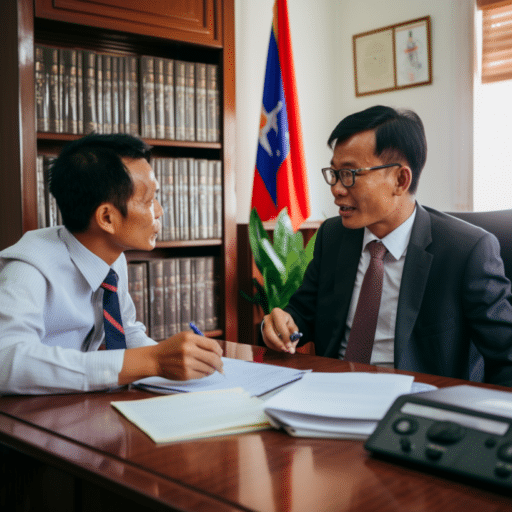
Legal Requirements and Procedures
Incorporating a company in Cambodia involves several legal requirements and procedures. Here are the key steps to follow:
Reservation of Company Name
The first step in the company incorporation process is to reserve a unique name for your company. The name should not be similar to any existing registered company in Cambodia. The reserved name is valid for 30 days and can be extended for an additional 30 days if necessary.
Estatutos
Prepare the Memorandum and Articles of Association, which outline the company’s structure, objectives, and internal regulations. These documents need to be notarized by a notary public in Cambodia.
Appointment of Directors and Shareholders
Appoint at least one director and one shareholder for your company. The director(s) must be at least 18 years old and can be of any nationality. The shareholders can be individuals or legal entities.
Registered Office and Company Secretary
Provide a registered office address in Cambodia where the company’s official documents will be kept. Additionally, appoint a company secretary who will handle administrative and compliance matters.
Minimum Share Capital Requirements
Determine the minimum share capital required for your chosen company structure. The share capital should be deposited in a Cambodian bank account in the company’s name.
Licensing and Permits
Depending on the nature of your business activities, you may need to obtain different kinds of licenses and permits.
Industry-Specific Licenses and Permits
Different sectors in Cambodia have specific licensing requirements. For example, industries such as banking, insurance, telecommunications, and construction require special permits and licenses. It’s crucial to identify the specific licenses applicable to your industry and ensure timely compliance.
Special Economic Zones (SEZs)
Cambodia has established Special Economic Zones (SEZs) to attract foreign direct investment and promote industrial development. SEZs offer various incentives, including tax breaks, streamlined administrative processes, and access to skilled labor. If your business falls within the designated SEZs, you may enjoy additional benefits and a supportive business environment.
Tax Registration and Compliance
Tax registration is an important step for any company in Cambodia. After incorporating your business, you need to register for tax purposes with the General Department of Taxation (GDT).
This process involves obtaining a Tax Identification Number (TIN) and complying with ongoing tax obligations. Adhering to tax regulations ensures legal compliance and avoids potential penalties.
Steps to Incorporate a Company in Cambodia
Now let’s explore the step-by-step process of incorporating a company in Cambodia. Following these procedures will help you establish your business presence in the country effectively.
Pre-Incorporation Steps
- Conducting Market Research and Feasibility Study: Before starting the incorporation process, it’s crucial to conduct comprehensive market research and feasibility studies. This helps assess the market demand, competition, and potential risks.
- Developing a Business Plan: A well-structured business plan is vital for success. It outlines your company’s objectives, market strategies, financial projections, and operational plans.
- Choosing a Company Name: Selecting a unique and appropriate company name is an important consideration. It should reflect your business identity and comply with the Ministry of Commerce’s guidelines for company names.
Company Registration Process
- Preparation of Required Documents: Gather the necessary documents for company registration, including the Memorandum and Articles of Association, identity proofs of directors and shareholders, lease agreements for office space, and other supporting documents.
- Submission to the Ministry of Commerce: Submit the completed registration documents to the Ministry of Commerce for revise. Ensure that all the required information is accurate and up to date.
- Review and Approval Process: The Ministry of Commerce will review the submitted documents and conduct necessary checks. Upon successful completion of the review, you will receive the approval for company incorporation.
- Obtaining a Certificate of Incorporation: After approval, you will receive a Certificate of Incorporation from the Ministry of Commerce, indicating the legal establishment of your company in Cambodia.
Post-Incorporation Steps
- Opening a Bank Account: As a registered company, you can open a business bank account in Cambodia. Choose a reputable bank and provide the necessary documents to complete the account opening process.
- Registering for Tax Purposes: Register your company for tax purposes with the General Department of Taxation. Obtain a Tax Identification Number (TIN) and comply with ongoing tax obligations.
- Obtaining Necessary Licenses and Permits: If your business requires industry-specific licenses or permits, complete the necessary applications and fulfill the requirements to obtain them.
- Registering with Relevant Authorities: Depending on your business activities, you may need to register with other relevant authorities, such as the Ministry of Labor and Vocational Training, to ensure compliance with labor laws and regulations.

Financial Considerations for Company Incorporation
When incorporating a company in Cambodia, it is crucial to consider various financial aspects to ensure a smooth and successful establishment.
Share Capital and Financing
One of the initial steps in incorporating a company is determining the minimum capital requirements.
In Cambodia, there are no specific minimum capital requirements for most industries, allowing business owners flexibility to decide on the appropriate amount. However, it is essential to consider the nature and scale of the planned business activities when determining the amount of capital needed.
To finance capitalization, business owners have several funding options available. These include personal savings, loans from financial institutions, investments from shareholders, or venture capital funding.
Careful consideration of the financing method is crucial to ensuring adequate resources are available to support the company’s operations and growth.
Equity distribution and shareholding structure should also be planned carefully. Business owners must determine the ownership percentages of shareholders and define the rights and responsibilities associated with each share class. This step is critical to maintaining transparency and avoiding conflicts in the future.
Taxation and Accounting
Understanding the Cambodian tax system is essential for effective financial management and compliance with legal requirements. Cambodia follows a territorial taxation system, where companies are taxed only on income generated within the country.
The corporate tax rate for companies in Cambodia is a flat 20%. However, certain sectors, such as agriculture, tourism, and manufacturing, may qualify for special tax incentives, reducing the effective tax rate. It is important to explore these incentives and understand the eligibility criteria for your specific industry.
To comply with tax regulations, companies are required to file annual tax returns with the General Department of Taxation. Additionally, maintaining proper accounting records and financial statements is crucial to ensuring compliance with Cambodian accounting and financial reporting standards.
Financial Incentives and Investment Opportunities
Cambodia offers various financial incentives and investment opportunities to attract businesses and foster economic growth.
The government has introduced special tax incentives for specific sectors, including tax holidays, accelerated depreciation, and reduced tax rates.
For example, companies investing in priority industries such as manufacturing, agriculture, and infrastructure development may benefit from tax breaks and import duty exemptions on certain equipment or raw materials.
Moreover, Cambodia encourages Foreign Direct Investment (FDI) and provides several benefits for foreign investors. These include full foreign ownership, repatriation of profits and capital, and access to international arbitration for dispute resolution.
Understanding the FDI regulations and benefits can help businesses make informed decisions when incorporating a company in Cambodia.
Compliance and Ongoing Obligations
Complying with statutory requirements is crucial for the smooth functioning of your company in Cambodia. As an incorporated entity, you must fulfill certain ongoing obligations to maintain legal and regulatory compliance.
Statutory Compliance
Annual Tax Filing and Audits
Once your company is incorporated in Cambodia, you will be required to file annual tax returns. This involves submitting financial statements, income details, and other relevant documents to the General Department of Taxation. It is essential to keep accurate financial records and meet filing deadlines to avoid penalties or legal complications.
Corporate Governance Requirements
Adhering to corporate governance principles ensures transparency, accountability, and proper management of your company. Implementing sound governance practices involves establishing a board of directors, holding regular meetings, maintaining accurate minutes, and complying with reporting obligations outlined by the Ministry of Commerce.

Compliance with Labor Laws and Regulations
When incorporating a company in Cambodia, it is important to understand and comply with the country’s labor laws and regulations. These include minimum wage requirements, employee benefits, working hour limitations, and occupational safety standards. Additionally, registering your employees with relevant authorities and obtaining necessary work permits and visas are essential for employing both local and foreign workers.
Employment and HR Considerations
Hiring Local and Foreign Employees
As your company grows, you may need to hire both local and foreign employees. It is important to follow Cambodian labor laws, including fair recruitment practices, non-discrimination, and proper employment contracts. Understanding the labor market and ensuring compliance with employment regulations will contribute to a harmonious work environment.
Work Permits and Visa Requirements
Foreign employees working in Cambodia must obtain the appropriate work permits and visas. The company should assist employees in securing the necessary documentation, such as employment cards and long-term visas, to ensure compliance with immigration laws. Staying up-to-date with the latest requirements is crucial to avoiding any legal issues.
Employment Contracts and Benefits
Drafting comprehensive employment contracts that align with Cambodian labor laws is essential to protecting both the company and its employees. These contracts should outline employment terms, responsibilities, compensation, and benefits. Providing competitive employee benefits can help attract and retain skilled professionals, contributing to the long-term success of your business.
Conclusión
Incorporating a company in Cambodia can be a rewarding venture, offering access to a growing market and business opportunities. However, it is crucial to navigate the legal and regulatory landscape with care.
By following the step-by-step guide outlined in this article and ensuring compliance with ongoing obligations, you can establish a strong foundation for your company’s success in Cambodia.
Remember, proper planning, a thorough understanding of the legal framework, and seeking professional advice when needed are key to a smooth and successful incorporation process.
¿Le duele la indecisión financiera?

Adam es un autor reconocido internacionalmente en temas financieros, con más de 830 millones de respuestas en Quora, un libro muy vendido en Amazon y colaborador de Forbes.