
Mapa del sitio: Vivir en el extranjero > Japan
Investing and living in Japan offers expats a unique and enriching experience, blending modern amenities with rich cultural traditions.
The comprehensive page delves into everything from living expenses and healthcare to top international schools and thriving culture for expats. It discusses transportation, climate, and expat communities in Japan, which may interest potential residents.
Specifically, the talking points include:
- Cost of Living in Japan
- Culture in Japan
- Expat Life in Japan
- Expat Communities in Japan
- Taxes in Japan
- Investing in Japan
The page also covers work permits, job opportunities, investment strategies, and planificación financiera for a successful and fulfilling expat journey in Japan, whether you’re working, investing, or retiring.
Si desea invertir como expatriado o particular con un elevado patrimonio neto, que es en lo que estoy especializado, puede enviarme un correo electrónico (advice@adamfayed.com) o WhatsApp (+44-7393-450-837).
Living in Japan 101
Cost of Living in Japan
Tokyo consistently ranks among the world’s top 10 most expensive cities. Central Tokyo has some of the world’s most expensive land, with exquisite apartments in key places, although suburban and regional rentals are cheaper.
Central Tokyo rents one-room apartments for roughly 100,000 yen, while the statewide average is 50,000 to 70,000. Gaijin dwellings are cheap and easy.
Without rent, utilities cost roughly 12,000 yen each month, with electricity being the most expensive and gas and water following.
Healthcare in Japan
Japan provides free healthcare to nationals, expats, and long-term foreign residents. Japanese and international residents staying over a year can join the National Health Insurance System or an employer-sponsored plan.
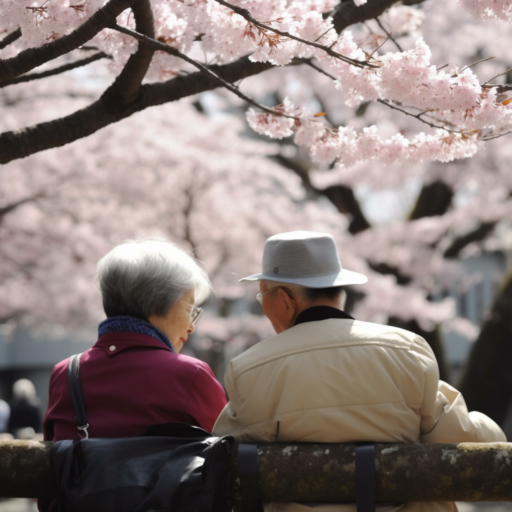
Employers automatically deduct contributions. National Health Insurance is available at local government offices for self-employed and jobless people.
Free screenings, infectious disease management, and prenatal care are provided. Patients pay 30% of medical costs, while the government pays 70%. Coverage requires regular NHI tax payments.
Education in Japan
After completing 12 years of compulsory education (6 years in primary and six years in secondary), students in Japan are eligible to enroll in post-secondary institutions.
Colleges of technology, junior colleges, vocational schools, undergraduate universities, and graduate schools are the five categories of educational institutions that welcome overseas students.
National, local, and private institutions are classified according to their originating bodies.
There are also numerous international schools in Japan.
Contenido relacionado: 20 Best International Schools In Japan
Transportation in Japan
Japan’s public transportation relies on trains, subways, and buses, with the shinkansen and car rentals for longer journeys. In major cities like Tokyo, local trains and subways are prevalent, while rural areas favor buses.
Taxis and rentals offer immediacy but at a higher cost. Long-distance choices include the Shinkansen, intercity buses, and flights. As an island nation, water transport plays a crucial role in river travel and inter-island ferries.
Climate in Japan
Japanese climate is temperate, with four three-month seasons. Mountains, ocean currents, latitude, and longitude affect regional climate.
Honshu, the largest island in the south, has hot, humid summers and milder winters due to ocean currents and mountains.
Winter brings heavy snow to northern Hokkaido due to cold winds and ocean currents.
Watery and humid, Japan has cherry blossoms in spring, a rainy season in June, sweltering summers, colorful autumns, and dry winters.
Culture in Japan
In Japan, foreigners, or gaijin, are generally treated as honored guests, but adapting to the culture’s strict codes is crucial.
Learning customs, including removing shoes before entering homes or using slippers on Tatami mats, is essential. Japanese society has numerous procedures, from table etiquette to toilet use.
While making cultural mistakes is forgivable for expats, putting effort into learning and speaking some Japanese is appreciated by locals, even if mastering the language is challenging.
Contenido relacionado: Expat Guide for Moving to Japan
Expat Life in Japan
Japan, a powerhouse with a US$5 trillion GDP and US$42,940 per capita GDP, is known for its high quality of living.
Japan ranks 13th in quality of life in 2023, but healthcare (third) and safety (sixth) are tops. Japan has the joint-highest life expectancy of 84 years and values clean food, exercise, and nature. Japan is known for its family-friendliness to expats.
From Hokkaido’s highlands to Okinawa’s tropical beaches, the mainland offers something for everyone, including thriving cities like Tokyo.
Expat Communities in Japan
Surrounding yourself with supporting communities can greatly ease the move. Connecting with like-minded people is a great first step in this direction.
For many foreigners residing in Japan, this entails making connections with fellow expats.
Some of the Places with Most Expats in Japan
Tokyo
As the capital and economic hub, Tokyo attracts a diverse expat community with opportunities in finance, technology, and culture.
Osaka
Known for its vibrant food scene and economic activity, Osaka is a popular choice for expats seeking a lively urban lifestyle.
Yokohama
As a major port city near Tokyo, Yokohama’s international atmosphere appeals to expats working in various industries.
Kobe
Renowned for its international influences, Kobe has a significant expat population drawn to its multicultural environment.
Nagoya
With a strong industrial base, Nagoya attracts expats working in the manufacturing and automotive sectors.
Fukuoka
As a gateway to Asia, Fukuoka appeals to expats due to its strategic location and thriving startup scene.
Sapporo
Known for its winter sports and quality of life, Sapporo attracts expats interested in a more relaxed pace.
Sendai
A major economic center in northeastern Japan, Sendai offers opportunities in education and technology.
Naha (Okinawa)
Expats are drawn to the unique culture and subtropical climate of Okinawa, making Naha an attractive destination.
Hiroshima
Besides its historical significance, Hiroshima’s economic growth and peaceful ambiance attract expats seeking a balance of culture and career opportunities.
Expat Taxes in Japan
Non-resident Japanese taxpayers pay a 20.42% national income tax on Japan-source remuneration, plus a 2.1% surtax.
If registered on the local municipality ledger by January 1, a 10% local inhabitant tax may apply. Non-residents pay a 20% withholding tax, with self-assessed exclusions at progressive rates.
Non-residents pay a 20% withholding tax on dividends, salary, interest, annuities, and awards.
The 2020 national income tax’s highest bracket rate is 45.945% due to a 2.1% surtax for Tohoku disaster reconstruction assistance.
Local inhabitant tax includes a 4% prefectural tax and ¥1,500 per capita levy, as well as a 6% municipal tax and ¥3,500 per capita charge for individuals enrolled in a municipality on January 1.
Working in Japan
Major language schools in Japan actively recruit English-speaking foreigners as language instructors due to high demand.
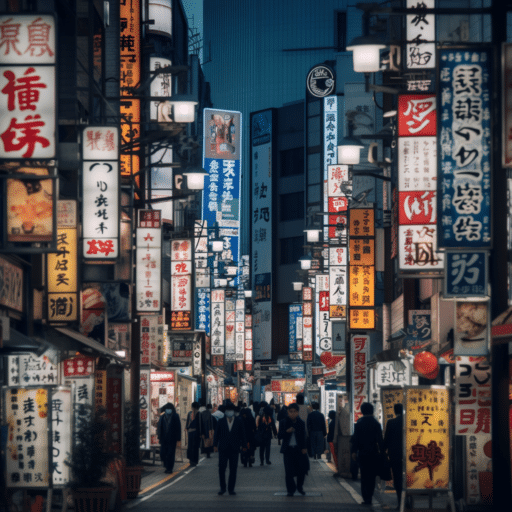
Foreign residents can also work in translation, IT, modeling, gastronomy, and entertainment. Job hunting in Japan and speaking Japanese improves opportunities.
Foreigners seeking paid labor must get a work visa, as tourist visas prevent it. Certain professional working visas require a job offer.
Permanent residents and spouse visa holders can work. Students need immigration office authorization to work limited hours, while 18–30-year-olds from certain countries can apply for a working holiday visa in Japan for one year.
Contenido relacionado: Working In Japan As An Expat
Work Permit for Expats in Japan
To work in Japan, foreign individuals need a valid work visa sponsored by a locally licensed entity. Common types include the Specified Skilled Worker Visa, catering to labor shortages, and the Specified Skills Visas 1 (SSV1) and 2 (SSV2), requiring language and technical exams.
A Certificate of Eligibility (COE) is crucial for the work permit and must be obtained before applying for the visa, serving as proof of eligibility.
Standard requirements include a job offer, a valid passport, a completed application form, and a recent photograph. The COE is essential for the visa application process and should be obtained in advance.
Investing in Japan
Investing in Japan Stock Market
The Tokyo Stock Exchange (TSE) ranks as the third-largest globally, boasting a market capitalization of around $6.8 trillion and hosting nearly 3,800 companies.
Following its 2013 merger with the Osaka exchange, it formed the Japan Exchange Group (JPX). Foreign investors seeking TSE involvement may collaborate with advisors familiar with non-U.S. markets.
While direct TSE participation requires Japanese citizenship or permanent residency, investors can access major TSE companies through American Depositary Receipts (ADRs) on U.S. exchanges.
Exchange-traded funds (ETFs) tracking TSE indices, such as JPX-Nikkei and TOPIX, offer a more convenient avenue for international investors.
Contenido relacionado:
Invertir en Japón: Guía del expatriado en 2023
Los 11 mejores fondos de inversión en acciones de Japón
Las 14 mejores acciones japonesas para invertir
Investing in Real Estate in Japan
In Japan, unique among Asian markets, foreigners can not only buy freehold property but also own land with the same rights as Japanese citizens, distinguishing it from countries like China and Vietnam, where foreigners are restricted to long-term leases.
Japan’s real estate taxes, at 1.7% annually, are moderate globally, though higher than some Asian countries without property taxes.
It’s crucial to consider these taxes, including the 15% flat rate for rental income tax on non-residents, before purchasing property in Japan, emphasizing the importance of comprehensive financial planning for expats.
Contenido relacionado:
Las 10 mejores oportunidades de inversión en Japón para extranjeros
8 Reasons why you shouldn’t invest in Japan real estate projects
Setting Up a Business in Japan
Setting up a business in Japan requires numerous stages for expats. First, they must choose a business structure like Godo Kaisha or Kabushiki Kaisha.
Registering the company name and seal, opening a business bank account, and finding office space is next. Licenses and permits for commercial activities are essential.
They must also register with tax authorities, get a company seal (hanko), and submit documentation to the Legal Affairs Bureau.
A legal professional or local business consultant can help expats negotiate Japanese business legislation and ensure a smooth startup procedure.
Banking in Japan
Stable, well-regulated, and providing a wide variety of account types for both individuals and businesses, Japan’s banking system is on pace with that of other industrialized nations. Banks that offer services in English are few and far between.
The Financial Services Agency oversees the banking industry and is responsible for enforcing the laws laid out in the Banking Act.
Contenido relacionado:
Los mejores bancos digitales de Japón
Los mejores bancos para extranjeros en Japón en 2023
Los 10 mejores bancos de Japón
Retiring in Japan
Expats can jubilarse en Japón, but the process involves careful planning and adherence to specific visa requirements.
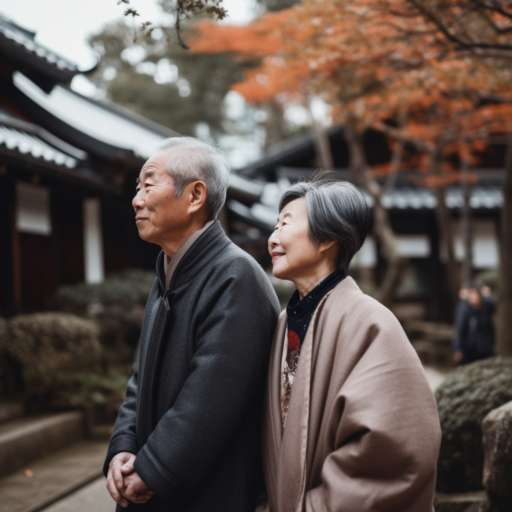
To retire in Japan, expats typically need a “Designated Activities” visa, which allows them to reside in the country for activities such as retirement.
Applicants usually must demonstrate financial stability, proving they have sufficient savings or a pension to support themselves without relying on Japanese public assistance.
The retiree visa also mandates a clean criminal record and, in some cases, a health check.
While Japan does not have a specific retirement visa, the Designated Activities visa serves this purpose, enabling expats to enjoy their retirement in the culturally rich and diverse environment that Japan offers.
Contenido relacionado:
¿Cuáles son los 5 mejores lugares para jubilarse en Japón para expatriados?
Sistema japonés de pensiones para extranjeros
Financial Planning in Japan
Financial planning for expats in Japan is crucial, especially regarding life and health insurance. Adequate coverage ensures protection against unforeseen medical expenses and provides financial security for loved ones.
Expats should prioritize obtaining comprehensive health insurance to navigate Japan’s healthcare system effectively, ensuring a smooth transition and peace of mind.
Life Insurance in Japan
Life insurance for expats in Japan serves as a crucial financial safeguard, providing security for loved ones in the event of the policyholder’s unexpected demise.
Beyond offering emotional relief, it grants beneficiaries the flexibility to adjust gradually without immediate financial strain.
Life cover addresses various needs, including debt settlement, mortgage payments, and children’s education.
Additionally, for expats navigating Japan’s high inheritance taxes, a whole-of-life insurance policy becomes essential, ensuring beneficiaries can cover tax obligations without the need to sell assets hastily, preserving their financial stability.
Contenido relacionado: Life Insurance in Japan: Top 10 Points to Consider for Foreigners
Health Insurance in Japan
Japan’s healthcare system, open to both citizens and foreigners, has operated on a universal coverage model since 1961.
The government covers 70% of medical costs, with patients responsible for the remaining 30%, and possibly less based on income.
Employees of medium and large companies are enrolled in Social Health Insurance (SHI), contributing about 5% of their salary, matched by employers.
Self-employed or small business workers join the National Health Insurance (NHI).
Foreign residents, including those working for SHI-associated companies, initially opt for NHI, which is more cumbersome but necessary until SHI comes into effect.
Expats teaching English should be wary of employers manipulating working hours to evade SHI obligations, emphasizing the importance of contract scrutiny.
Reflexiones finales
Beyond embracing the vibrant culture and securing top-notch healthcare and education, expats should explore diverse investment avenues, considering the Japanese and Thai stock markets, real estate ventures, and entrepreneurial opportunities.
Understand the intricacies of banking, delve into expat taxes, and craft a retirement plan. Embrace the community, tap into valuable resources, and cultivate a fulfilling expat life.
Prioritize comprehensive life and health insurance coverage to safeguard against uncertainties. By balancing the intricacies of living, working, and investing in Japan, expats can truly make this experience a rewarding chapter in their life’s journey.
¿Le duele la indecisión financiera?

Adam es un autor reconocido internacionalmente en temas financieros, con más de 830 millones de respuestas en Quora, un libro muy vendido en Amazon y colaborador de Forbes.
