
Mapa del sitio: Vivir en el extranjero > Vivir en Indonesia
Invertir y vivir en Indonesia ofrece a los expatriados una vibrante mezcla de riqueza cultural y promesas económicas.
Descubra los entresijos de la inversión en el diversificado terreno indonesio con esta completa guía que aborda importantes puntos pertinentes a nuestro tema, entre ellos:
- Coste de la vida en Indonesia
- Cultura en Indonesia
- Vida de expatriado en Indonesia
- Comunidades de expatriados en Indonesia
- Impuestos en Indonesia
- Invertir en Indonesia
- Visado de jubilación en Indonesia
Conozca los principales bancos para expatriados, Sumérjase en la cultura local y aproveche las ventajas de las industrias emergentes.
Explore mercados en auge, sumérjase en la vida cotidiana y aprenda a combinar el atractivo de la belleza natural de Indonesia con métodos financieros inteligentes.
Viaje desde las bulliciosas metrópolis hasta las tranquilas islas. Tanto si está pensando en invertir en bienes raíces como si solo quiere repasar la etiqueta comercial local, esta guía tiene todo lo que un expatriado necesita para vivir la buena vida en este tesoro del Sudeste Asiático.
Si desea invertir como expatriado o particular con un elevado patrimonio neto, que es en lo que estoy especializado, puede enviarme un correo electrónico (advice@adamfayed.com) o WhatsApp (+44-7393-450-837).
Vivir en Indonesia como extranjero
Aunque Indonesia tiene ciudades modernas y tecnológicamente competentes como Yakarta, centro financiero mundial, 10% de la población vive en la pobreza.
Aunque la economía flaquea, Indonesia es conocida por la amabilidad de sus gentes y su genuina simpatía. Indonesia tiene unas 17.000 islas, siendo Java, Borneo y Sumatra las más grandes.
Indonesia, el mayor archipiélago del mundo, ofrece a los expatriados una gran variedad de experiencias culturales y urbanas.
Coste de la vida en Indonesia
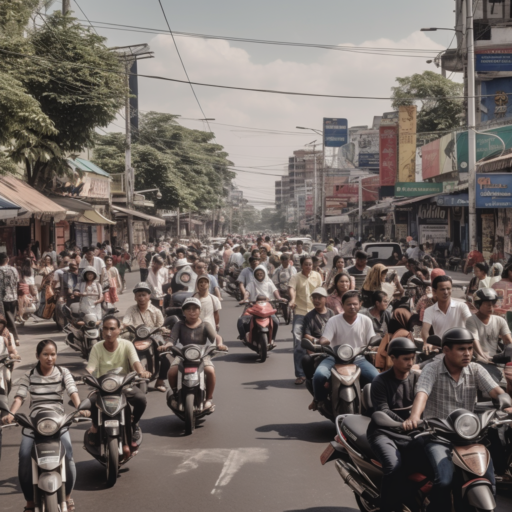
Vivir en Indonesia suele ofrecer un coste de la vida inferior al de los países occidentales, sobre todo en las grandes ciudades.
Yakarta, la capital, es unos 60% más barata que Londres o Nueva York.
Fuera de Yakarta, lugares como Bandung y Denpasar son aún más asequibles.
Comer fuera es barato, pero el alcohol, los productos importados y los artículos de lujo pueden resultar caros.
El transporte público es barato pero está abarrotado.
La electricidad puede ser cara y el suministro algo inestable. La educación internacional de los hijos supone un gasto importante. Negociar un paquete de reubicación que cubra la escolarización puede ser beneficioso para los padres expatriados en Indonesia.
Contenido relacionado: 2023 Coste de la vida en Indonesia, otros datos básicos
Sanidad en Indonesia
El sistema sanitario de Indonesia es uno de los peores del mundo desarrollado. Sin embargo, el Gobierno ha invertido mucho más en sanidad, y en 2014 se puso en marcha un sistema nacional de salud.
Y, sin embargo, muchos indonesios siguen dependiendo de seguros médicos privados, sobre todo para servicios como la salud mental, que no están cubiertos por el seguro médico normal del país.
Extranjeros vivir en el extranjero necesitan tener un seguro médico internacional. Esto se debe a que les ayuda a obtener la mayoría de los servicios médicos disponibles, y también es un requisito para obtener un visado de trabajo.
Educación en Indonesia
Indonesia comienza la escolarización con la enseñanza preescolar no obligatoria (Taman Kanak-Kanak) a los cuatro o cinco años. Se exigen seis años de educación primaria (Sekolah Dasar), tres de secundaria (Sekolah Menengah Pertama) y tres de bachillerato.
Sekolah Menengah Kejuruan es una escuela secundaria de formación profesional. En Indonesia hay escuelas públicas, privadas e internacionales. En 2014, el Gobierno restringió el acceso de los estudiantes locales a las escuelas internacionales.
Las principales ciudades contratan a profesores con licenciatura y certificación TEFL/TESOL. Las escuelas privadas e internacionales cobran entre 113.135.000 y 306.500.000 IDR al año, mientras que las públicas son gratuitas.
El Ministerio de Educación y Desarrollo Cultural supervisa la educación, mientras que el Ministerio de Asuntos Religiosos supervisa las instituciones religiosas.
Contenido relacionado: 25 mejores colegios internacionales de Indonesia
Transporte en Indonesia
El transporte público de Indonesia es limitado y poco fiable, lo que dificulta los desplazamientos. El alquiler de bicicletas es popular, pero las carreteras abarrotadas ponen nerviosos a los clientes.
Si no tienes experiencia con scooters, puede que te convenga más un chófer, un taxi o compartir coche. Vivir en una región rural puede requerir coches, lo que hace que la planificación sea aún más crucial.
Hay pocas opciones de tren, así que estudia bien tu destino. Al comprar una moto, prioriza la seguridad con casco y carné de conducir internacional.
Respetar las leyes de tráfico es crucial, ya que la policía suele sancionar a los conductores que las incumplen. Planificar con antelación garantiza unas vacaciones seguras y agradables en Indonesia.
Clima en Indonesia
Indonesia tiene un clima tropical cerca del Ecuador, con mucho calor y humedad. Se alternan una estación húmeda de octubre a abril (cambiante en algunas partes) con lluvias vespertinas y una estación seca de mayo a septiembre con chubascos tropicales.
Las temperaturas se mantienen constantes en las islas: en la costa, 28ºC; en el interior y las montañas, 26ºC; y en las montañas altas, 23ºC. Sin embargo, las tardes lluviosas de la estación húmeda pueden provocar temporales.
Cultura en Indonesia
La rica cultura y las activas costumbres de Indonesia atraen a los visitantes por su sabrosa comida y sus magníficos templos. Vestir con modestia es crucial para las costumbres locales.
Los saludos amistosos y las presentaciones son cruciales. Aunque algunos platos son picantes, la comida indonesia destaca por sus especias y su variedad.
Siga las normas de los templos y lugares sagrados, como hablar en voz baja y vestir correctamente. Bali es culturalmente distinta de la Indonesia musulmana por su influencia hindú. Esto ilustra la diversidad cultural de Indonesia.
Vida de expatriado en Indonesia
En Indonesia sólo viven unos 350.000 extranjeros, la mayoría en Yakarta. A los extranjeros les gusta más vivir en los barrios de Sudirman, Kuningan y Menteng porque están cerca de los centros culturales y empresariales de la ciudad.
Comunidades de expatriados en Indonesia
Bali
Conocida por su vibrante cultura y sus pintorescos paisajes, Bali atrae a expatriados que buscan un estilo de vida relajado y una comunidad diversa.
Contenidos relacionados:
Guía para expatriados de la Mudanza a Bali
Expatriados en Bali: Los 7 mejores consejos prácticos antes de mudarse
Yakarta
Como capital, Yakarta es un centro de negocios y empleo que atrae a expatriados en busca de vida urbana y perspectivas profesionales.
Surabaya
La segunda ciudad más grande de Indonesia, Surabaya, atrae a los expatriados por sus actividades industriales y económicas, junto con una creciente comunidad de expatriados.
Bandung
Reconocida por su clima fresco y su ambiente creativo, Bandung atrae a expatriados interesados en la educación, las artes y las experiencias culturales.
Yogyakarta
Centro cultural y educativo, Yogyakarta atrae a los expatriados que buscan un rico entorno histórico y artístico en un ambiente más relajado.
Medan
Medan, puerta de entrada a Sumatra del Norte, atrae a los expatriados por sus oportunidades económicas y sus diversas influencias culturales.
Semarang
Con su estratégica ubicación en Java Central, Semarang está ganando popularidad entre los expatriados por su crecimiento económico y su encanto histórico.
Contenido relacionado: Los mejores lugares para vivir en Indonesia
Impuestos para expatriados en Indonesia
Los indonesios deben autoliquidar y pagar su Declaración Anual del Impuesto sobre la Renta de las Personas Físicas (AIITR). A los titulares de un NIF, vivan o no en el país, se les cobra en función de sus ingresos globales.
Sin embargo, la nueva Ley del Impuesto sobre la Renta de Indonesia permite a los residentes expatriados con determinadas vocaciones y aptitudes solicitar una base territorial durante un máximo de cuatro ejercicios fiscales.
Los expatriados extranjeros pueden tener que compartir datos y hacer un seguimiento de sus obligaciones fiscales con socios de tratados fiscales como Indonesia en virtud de acuerdos bilaterales y multilaterales.
Contenido relacionado: Impuesto sobre la renta de los expatriados en Indonesia - 2021 - ¿cuánto podría pagar?
Trabajar en Indonesia
Aunque no parezca un entorno empresarial típico, trabajar en Indonesia es una mezcla única de belleza natural y posibilidades laborales.
El país posee bellos paisajes, y su tasa de paro del 6,6% demuestra la solidez de su economía. Se recuperó rápidamente de la crisis financiera asiática de 1997.
Con más de 259 millones de personas viviendo en Indonesia, puede resultar difícil encontrar trabajo. Sin embargo, el fuerte crecimiento económico del país demuestra que las personas que buscan trabajo o que ya trabajan deberían tener buena suerte.
Contenido relacionado: Trabajar en Indonesia como expatriado

Permiso de trabajo para expatriados en Indonesia
Obtener un permiso de trabajo en Indonesia es un proceso complejo debido a los recientes cambios legislativos.
Hay dos visados de trabajo principales, el Permiso de Trabajo (IMTA) y el Visado de Negocios, que responden a necesidades diferentes.
El proceso de solicitud exige el cumplimiento del Plan de Colocación de Expatriados y varias aprobaciones, lo que requiere un informe detallado de la necesidad de experiencia en el extranjero.
Las pequeñas empresas se enfrentan a restricciones en la contratación de expatriados, y las medianas y grandes deben respetar los límites de empleados.
El proceso incluye la obtención de patrocinio, la solicitud de un visado de trabajo de estancia temporal y los pasos posteriores como la obtención de un informe policial, el empadronamiento en el municipio y el pago de la tasa del Fondo de Cualificaciones y Desarrollo.
Invertir en Indonesia
Las empresas están considerando Indonesia como segundo destino de sus inversiones en Asia, especialmente en los sectores minorista, sanitario y financiero.
Indonesia es uno de los principales candidatos a China+1 debido a las interrupciones de la cadena de suministro mundial y al aumento de los precios de la mano de obra. Su amplia mano de obra, su creciente clase media y sus recursos naturales hacen que el país resulte atractivo.
Standard Chartered Bank prevé que el PIB de Indonesia crezca de $4,2 billones en 2020 a $10,1 billones en 2030, lo que la convertiría en la cuarta potencia mundial en paridad de poder adquisitivo y atraería a los inversores extranjeros más allá de China.
Invertir en el mercado de valores de Indonesia
Los ciudadanos indonesios y los expatriados con permiso de residencia pueden crear una cuenta de valores en un corredor indonesio presentando una copia del pasaporte, un formulario de acuerdo, un depósito de $5.000 y la aprobación de la cuenta.
Abrir una cuenta es difícil para los inversores extranjeros sin un KITAS y un número de identificación fiscal indonesio. Algunos corredores permiten cuentas de expatriados sin un NPWP, pero necesitan un KITAS.
Debido a las malversaciones ocasionales, la Bolsa de Indonesia enumera los corredores activos, pero advierte a los inversores de los peligros.
Invertir en bienes inmuebles en Indonesia
Los extranjeros no pueden ser propietarios de terrenos en Indonesia; sólo pueden serlo los ciudadanos. Los “SHP”, o “títulos de derecho de uso”, son arrendamientos accesibles a los extranjeros durante 25 años con opción a 70 años.
La legislación inmobiliaria indonesia está mejorando, pero los elevados gravámenes, como el 20% sobre las viviendas de lujo, dificultan las cosas.
Según Invertir en Asia, En Indonesia, los vendedores pagan un impuesto de transferencia de 2,5%, mientras que los propietarios no residentes pagan un impuesto fijo de 20% sobre los ingresos por alquiler. El valor de la propiedad determina los impuestos, que oscilan entre 0,1% y 0,3%.
Contenido relacionado: Guía para expatriados sobre la compra de inmuebles en Indonesia
Crear una empresa en Indonesia
En Indonesia, los extranjeros no pueden poseer 100% de un negocio; por tanto, se asocian con una empresa local. El gobierno quiere que el dinero extranjero cree empleo y mejore las infraestructuras con sencillez de uso, seguridad, eficacia y apertura.
Para crear una empresa, debe obtener los documentos de registro de la empresa. Como extranjero que inicia un negocio en EE.UU., primero debe investigar el mercado y luego elegir una estructura empresarial, como una Sociedad de Responsabilidad Limitada.
Para burlar las leyes de Indonesia se necesitan fondos, licencias, permisos y visados. El cumplimiento de la legislación laboral y la contratación de expatriados son cruciales para el éxito empresarial.
La banca en Indonesia
Si vives en Indonesia, necesitas un ITAS (Izin Tinggal Terbatas) para crear una cuenta bancaria. A continuación, debes llevar una copia de tu pasaporte y los documentos del visado a tu entidad financiera local.
Como prueba de empleo, puede necesitar una carta de su empleador y el aval de un supervisor. Algunos bancos exigen que se fotografíen los recibos de sueldo recientes.
Los bancos suelen tener pagos mínimos. Esta partida suele costar 350 £/ 250 £, aunque, en el caso de cuentas de gran valor, puede llegar a costar 35.000 £/ 25.000 £.
Contenido relacionado: Los mejores bancos de Bali: Las 5 mejores opciones para expatriados
Jubilarse en Indonesia
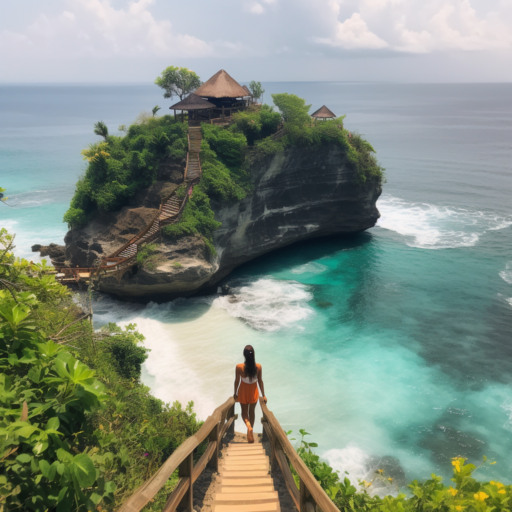
Los expatriados desean jubilarse en Indonesia porque ofrece un estilo de vida perfecto, servicios de lujo no demasiado caros y bellos paisajes.
Pero una mudanza a largo plazo que salga bien necesita una planificación cuidadosa, sobre todo en lo que se refiere a las normas de visado. En Visado de jubilación en Indonesia, que sólo se concede a personas de determinados países, es el documento más importante para una jubilación de ensueño en el país.
Aunque no cubra todo el periodo de jubilación, puede conducir al codiciado KITAP o permiso de residencia permanente, que puede abrir más oportunidades a los expatriados que sepan desenvolverse en el complicado sistema administrativo indonesio.
Contenidos relacionados:
Pensiones en Indonesia
Indonesia estableció en 2014 un sistema universal de asistencia sanitaria y pensiones para ciudadanos y expatriados.
Más de 246 millones de personas participan en el mayor programa sanitario del mundo.
Los participantes, incluidos los extranjeros, reciben tratamiento dental, médico y ejercicio físico gratuitos.
También se ofrecen tratamientos de urgencia y de larga duración, como trasplantes de órganos. Los empleados en el extranjero deben inscribir a sus familias. Las prestaciones incluyen asesoramiento laboral y un estipendio monetario.
Esto les beneficia económica y profesionalmente. Esta ambiciosa iniciativa aspira a proporcionar seguridad social plena a todos los indonesios.
Cómo obtener un visado de jubilación en Indonesia
Indonesia permite a los mayores de 55 años obtener un visado de jubilación, pero necesitan un defensor local y demostrar que pueden permitirse pagar al menos $1.500 al mes.
Las agencias pueden ayudar a los jubilados a encontrar patrocinadores, pero tienen que asegurarse de que tienen suficiente dinero para cubrir el límite anual de $18.000 porque no se les permite trabajar con este visado.
Estos visados cuestan menos de $1.000 y pueden renovarse por $800 adicionales. Son válidos durante un año y pueden prorrogarse hasta cinco años, lo que da lugar a un estatuto permanente.
Los jubilados también pueden obtener un permiso múltiple de salida y entrada, que les da más libertad para moverse por el país.
Planificación financiera en Indonesia
Seguro de vida en Indonesia
La rentabilidad de los seguros de vida en Indonesia es buena gracias a la estabilidad del sector y a la cobertura de 1,5% de seguros de vida, según McKinsey & Company.
Esto permite una rivalidad basada en el segmento de mercado y la región, no en el precio. El índice de penetración de Indonesia es de 3%, inferior al de la India.
El país tiene margen para crecer. La fidelidad de los consumidores a las marcas estabiliza los mercados. Los estudios demuestran que hasta tres cuartas partes de los distintos grupos de clientes tienen una marca preferida. Esto mantiene el seguro de vida estable y competitivo en todo el país.
Seguro de enfermedad en Indonesia
La iniciativa Jaminan Kesehatan Nasional (JKN) de 2014, que mezcla seguros privados con asistencia pública, pretende crear un sistema sanitario universal en Indonesia.
Los pacientes deben navegar por múltiples instituciones debido a problemas de participación hospitalaria. Los centros de salud comunitarios, los subcentros y los puestos integrados en las aldeas conforman el sistema escalonado.
La mayoría de los expatriados buscan un seguro médico extranjero, ya que la sanidad pública es deficiente. Pueden acudir a hospitales y clínicas privadas con equipos avanzados y personal que habla inglés.
En caso de emergencia, el seguro privado proporciona evacuación aérea a Singapur y otras zonas lejanas.
Contenido relacionado: Asesores financieros para expatriados que viven en Bali, Indonesia - ¿Cuáles son las mejores opciones?
Reflexiones finales
Invertir y vivir en Indonesia presenta una mezcla única de oportunidades y retos. Con una economía próspera, una cultura diversa y paisajes pintorescos, el archipiélago resulta tentador.
Sin embargo, es fundamental conocer los matices normativos y los mercados locales. Para quienes buscan aventura y crecimiento, Indonesia puede ser un destino gratificante, pero una estrategia de inversión bien informada es primordial para que el viaje del expatriado tenga éxito.
¿Le duele la indecisión financiera?

Adam es un autor reconocido internacionalmente en temas financieros, con más de 830 millones de respuestas en Quora, un libro muy vendido en Amazon y colaborador de Forbes.
