Desde la antigüedad, los metales preciosos (concretamente el oro) han tenido mucho valor entre diversas culturas y civilizaciones. Incluso ahora, los metales preciosos son muy valiosos y se están convirtiendo en una opción popular para las carteras de inversión. Debido a su rareza, tienen un alto valor económico y se consideran una buena inversión.
Pero, ¿qué son estos metales preciosos y cómo se puede invertir en ellos? ¿Cuáles son los posibles beneficios e inconvenientes de invertir en metales preciosos?
Si usted también tiene preguntas similares, este artículo le resultará útil.
Si desea invertir como expatriado o particular con un elevado patrimonio neto, que es en lo que estoy especializado, puede enviarme un correo electrónico (advice@adamfayed.com) o WhatsApp (+44-7393-450-837).
Esto incluye si busca una segunda opinión o inversiones alternativas.
Algunos de los hechos pueden cambiar desde el momento de la redacción, y nada de lo aquí escrito constituye asesoramiento financiero, jurídico, fiscal o de cualquier tipo, ni una invitación a invertir.
¿Qué son los metales preciosos?
Al contrario de lo que la mayoría de la gente cree, hay muchos metales que entran en esta categoría. Veamos cada uno de ellos por separado y por qué son tan valiosos.
Inversión en oro
Desde tiempos inmemoriales, el oro es uno de los metales preciosos más populares e invertibles. Ganó fama por su excepcional durabilidad, maleabilidad y capacidad para conducir el calor y la electricidad.
Aunque tiene algunos usos industriales en campos como la odontología y la electrónica, se utiliza sobre todo en joyería y como moneda.
Durante siglos, ha sido un depósito de valor fiable, que atrae a los inversores durante las turbulencias económicas o políticas. También se sabe que es el mejor activo que actúa como cobertura contra la subida de la inflación.
Las inversiones en oro se presentan en múltiples métodos. El primer método consiste en adquirir oro físico en forma de monedas, lingotes o joyas.
Independientemente del método de inversión en oro que elija, cada uno tiene sus propias ventajas e inconvenientes.
Desafíos entre los que se incluyen los costes asociados al almacenamiento y aseguramiento del oro físico y el posible rendimiento inferior de las acciones auríferas y los fondos cotizados en bolsa en comparación con el precio del oro.
Por otro lado, el oro físico sigue de cerca la cotización del metal precioso, y las acciones y los ETF de oro tienen potencial para superar al mercado.
Inversión en plata
La plata es el segundo metal más abundante y desempeña un papel crucial en diversas industrias como la electrónica, la electricidad y la fotografía. Por ejemplo, sus propiedades eléctricas hacen de la plata un componente indispensable en la fabricación de paneles solares.
Además de su importancia industrial, la plata también sirve como reserva de valor, empleada en la creación de joyas, platería, monedas y lingotes.
La doble naturaleza de la plata, como metal industrial y como depósito de valor, la hace más propensa a las fluctuaciones de precios que el oro. Esta mayor volatilidad puede influir significativamente en las cotizaciones de la plata.
En determinadas ocasiones, los precios de la plata pueden superar a los del oro, sobre todo en periodos marcados por una importante demanda industrial y de los inversores.
Invertir en metales del grupo del platino (MGP)
Hay seis metales diferentes en el grupo de los MGP, que son comparativamente raros.
Sólo se producen colectivamente 400 toneladas (aprox.) de MGP al año, cifra inferior a la producción individual de oro o plata.
Los MGP se extraen en los siguientes porcentajes de media:
- Platino (40%)
- Paladio (50%)
- Rodio (5.75%)
- Rutenio (3.75%)
- Iridio (0.875%)
- Osmio (0,375%)
Esto nos ayuda a comprender la extrema rareza de estos metales en comparación con los metales preciosos tradicionales, es decir, el oro y la plata.
Los MGP tienen usos variados, que incluyen joyería fina, monedas, lingotes, catalizadores, metales resistentes a la corrosión, etc. Para sorpresa de la mayoría, también se utilizan en pilas de baterías, tratamientos contra el cáncer, seguridad de los automóviles, productos médicos, productos de cuidado personal, etc. Estos PGM son resistentes al desgaste, al deslustre, a las interferencias químicas y a las altas temperaturas.
De los MGP, el platino es conocido por tener una mayor demanda como activo de inversión debido a su uso en joyería y con fines industriales.
Cómo invertir en metales preciosos
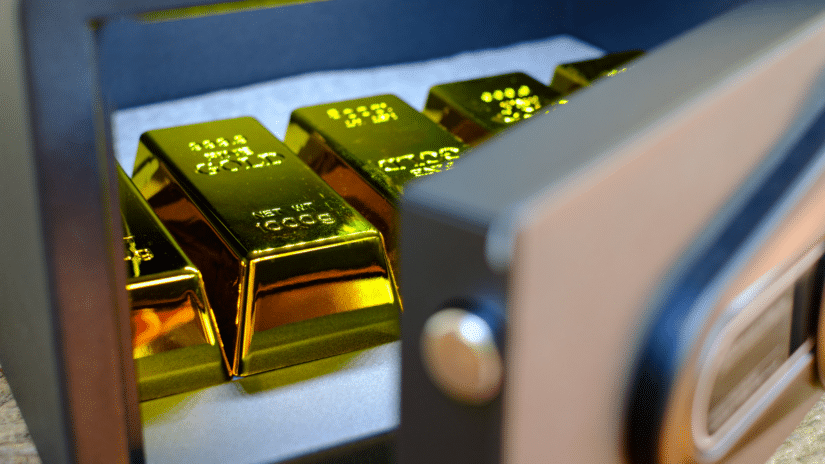
A mayor escala, las inversiones en metales preciosos pueden realizarse a través de dos métodos diferentes.
Metales preciosos físicos
Este enfoque implica la compra de artículos tangibles como lingotes, monedas y joyas elaboradas con metales preciosos, que se mantienen como inversiones.
Se espera que estas inversiones físicas en metales preciosos se revaloricen a medida que suba el precio del metal precioso subyacente. Tenga en cuenta que las inversiones en lingotes son aptas para quienes disponen de las instalaciones de almacenamiento necesarias.
- Ventajas de los lingotes
Las inversiones en lingotes, es decir, la compra de lingotes y monedas, proporcionan la propiedad directa de la mercancía. Se pueden adquirir en cantidades variables, tanto grandes como pequeñas, y son fáciles de transferir entre propietarios.
Sin embargo, un inconveniente de los lingotes es su tratamiento fiscal como objeto de colección en muchos países. Si se conservan durante más de un año, se puede incurrir en un impuesto sobre las ganancias de capital sobre cualquier beneficio neto de la venta de lingotes.
En la mayoría de los casos, los lingotes de oro mantenidos durante menos de un año tributan como ingresos ordinarios.
Contenido relacionado: Análisis de BullionVault - ¿Debería poseer oro y plata físicos?
Productos de inversión en metales preciosos
También puede optar por productos de inversión centrados en los metales preciosos. Estos pueden incluir acciones de empresas dedicadas a la extracción de metales preciosos, streaming o acuerdos de royalties.
Otra opción es invertir en fondos cotizados (ETFs) o fondos de inversión específicamente dedicados a los metales preciosos.
Además, los contratos de futuros pueden utilizarse con fines de inversión.
Todos estos productos de inversión están diseñados para aumentar su valor en sincronía con la subida del precio del metal precioso subyacente.
- Ventajas de los ETF (fondos cotizados)
Los ETF sobre metales preciosos ofrecen mayor liquidez y resultan cómodos para comprar y vender. Incluso puede comprar en pequeños incrementos, lo que supone una fracción del importe total.
Los ETF de metales preciosos se negocian al valor liquidativo del activo subyacente.
Los ETF de oro ofrecen acceso a metales preciosos con la ventaja añadida de la liquidez. Como valores cotizados en bolsa, los ETF de oro pueden comprarse y venderse fácilmente, representando el valor equivalente del metal físico.
No obstante, para determinados inversores y empresarios, los ETF de metales preciosos pueden no resultar tan atractivos como sus homólogos físicos. La razón principal es la falta de propiedad física del activo subyacente. En el caso de los ETF, los lingotes están en manos de un banco de lingotes, lo que supone un riesgo de contrapartida si el banco incumple sus obligaciones.
Como consecuencia, los inversores en ETF de oro o plata no poseen plenos derechos de propiedad sobre sus inversiones y no pueden utilizar sus lingotes o monedas como moneda en caso de crisis o catástrofes económicas.
Contenido relacionado: Los 12 ETF de oro más importantes
Comprar lingotes frente a métodos alternativos
Numerosas fuentes ofrecen lingotes de oro físico, incluidas las bolsas locales y las plataformas en línea que venden monedas y lingotes.
Al comprar lingotes de oro o metales preciosos, sea precavido y asegúrese de que las barras o monedas se exhiben:
- Nombre del fabricante
- Peso
- Grado de pureza
Los lingotes de oro legítimos suelen llevar una marca de pureza “99,99%” en la cara.
Adquirir ETF de oro y metales preciosos es un proceso más sencillo y relativamente menos arriesgado. Los ETF cotizan en bolsa y pueden negociarse a través de terceros o de entidades financieras.
Antes de iniciar inversiones en metales preciosos, es aconsejable consultar a su asesor financiero sobre ETF de oro o metales preciosos populares y de bajo riesgo.
Contenido relacionado:
Oro físico vs ETFs vs acciones mineras de oro
Las 5 mejores inversiones como alternativa al oro
Factores que influyen en el precio de los metales preciosos y selección óptima de inversiones
Indicadores económicos influyentes
Múltiples factores influyen en los precios de los metales preciosos, como el oro y la plata. Entre ellos, dos indicadores económicos clave revisten una importancia significativa:
- Tipos de interés: Los bajos tipos de interés tienden a impulsar a los inversores hacia los metales preciosos como opción de inversión segura. Esto se debe al menor atractivo de los bonos y otras inversiones de renta fija en entornos de tipos de interés bajos. Por el contrario, cuando los tipos de interés suben, puede producirse una disminución de la demanda de metales preciosos.
- Valores monetarios: Las fluctuaciones del valor de las divisas pueden repercutir notablemente en los precios de los metales preciosos. Por ejemplo, un descenso del valor del dólar estadounidense en comparación con otras divisas suele traducirse en un repunte de los precios del oro.
Dinámica de la oferta y la demanda
La dinámica de la oferta y la demanda desempeña un papel fundamental en la formación de los precios de los metales preciosos:
- Demanda de los inversores: En épocas caracterizadas por la incertidumbre económica o la agitación política, la demanda de activos refugio como el oro por parte de los inversores suele experimentar un repunte. Esta mayor demanda puede provocar una escalada de los precios de los metales preciosos.
- Abastecimiento del mercado: La disponibilidad de metales preciosos en el mercado también influye en sus precios. Si hay escasez de oferta debido a factores como interrupciones en las operaciones mineras o tensiones geopolíticas, puede traducirse en precios más altos.
Análisis comparativo de las inversiones en metales preciosos y acciones: Enfoques de riesgo e inversión
Características de riesgo: Acciones frente a metales preciosos
A la hora de evaluar las ventajas de invertir en metales preciosos, es fundamental hacer una comparación entre sus atributos de riesgo y los de las acciones.
Existen varias distinciones fundamentales entre estas dos clases de activos:
- Volatilidad del mercado: En general, las acciones son más susceptibles a las fluctuaciones del mercado y a las condiciones económicas que los metales preciosos. En tiempos de incertidumbre, los inversores pueden recurrir a los metales preciosos como refugio frente a las turbulencias.
- Riesgo de crédito: Las acciones conllevan riesgo de crédito, es decir, la posibilidad de que una empresa incumpla sus obligaciones o se declare en quiebra. Los metales preciosos son inmunes a este problema, ya que poseen un valor intrínseco.
- Protección contra la inflación: Los metales preciosos como el oro tienden a funcionar bien durante los periodos de inflación, mientras que las acciones pueden enfrentarse a dificultades.
Estrategias de asignación de carteras
La asignación eficaz de sus inversiones entre acciones y metales preciosos es imprescindible para la diversificación de la cartera y la gestión del riesgo.
Una estrategia muy extendida consiste en dividir sus inversiones en distintas clases de activos en función de su tolerancia al riesgo. Por ejemplo:
Inversores conservadores - Destinar 10% de las inversiones a metales preciosos y 90% a acciones.
Inversores moderados - Asignar 20% de las inversiones a metales preciosos y 80% a acciones.
Inversores agresivos - Dedican 30% de las inversiones a metales preciosos y 70% a acciones.
Es importante reconocer que estos porcentajes pueden adaptarse en función de sus objetivos y preferencias específicos.
Ventajas e inconvenientes de invertir en metales preciosos
Ventajas de invertir en metales preciosos
- Cobertura frente a los riesgos de inflación
- Protección contra la inflación: Los metales preciosos, como las monedas de oro y plata en lingotes, se consideran históricamente una salvaguardia contra la inflación, ya que conservan su valor incluso cuando se erosiona el poder adquisitivo de la moneda.
- Bancos centrales e inversores: Los bancos centrales suelen poseer lingotes de oro para protegerse de las fluctuaciones monetarias. Cuando la inflación es alta, los particulares recurren a los metales preciosos, como el oro físico, los lingotes, los ETF de oro y las cuentas IRA de oro, como refugio para su patrimonio.
- Protección de activos: Invertir en metales preciosos como los lingotes protege los activos y el dinero de los efectos perjudiciales de la inflación y ofrece una alternativa a las inversiones respaldadas por el Estado.
- Valor en tiempos de incertidumbre económica
- Retención del valor: Los metales preciosos, incluidos los lingotes, mantienen su valor en tiempos de incertidumbre económica, ofreciendo un nivel de seguridad inigualable por el dinero o las cuentas IRA.
- El legado del oro: Los lingotes de oro, con miles de años de uso como depósito de valor y en las cuentas IRA de metales preciosos, son un símbolo de seguridad financiera.
- Riesgos y preservación del valor: Los lingotes y los metales preciosos son resistentes a estos riesgos y protegen su cartera. Por el contrario, las monedas fiduciarias son susceptibles de devaluación debido a acciones gubernamentales o acontecimientos económicos.
- Rentabilidad histórica como inversión a largo plazo
- Fuerte rendimiento: Los metales preciosos, como los lingotes, poseen un historial de sólido rendimiento debido a sus propiedades únicas y aplicaciones industriales.
- Demanda industrial: El oro se utiliza ampliamente en diversas industrias, como la electrónica, la joyería, la odontología y la aeroespacial. La plata tiene aplicaciones en paneles solares, baterías, dispositivos médicos y purificación de agua. El platino y el paladio son esenciales en los catalizadores.
- Demanda estable: El uso industrial garantiza una demanda constante de metales preciosos, mientras que la oferta limitada asegura su viabilidad como inversión a largo plazo.
- Movimientos independientes de los precios: Los precios de los metales preciosos se mueven a menudo con independencia de las tendencias bursátiles, lo que los hace atractivos durante las recesiones económicas y las tensiones geopolíticas. Además, diversifican la cartera y reducen el riesgo global.
- Ventajas de diversificación y liquidez de las inversiones en metales preciosos
- Reducir la volatilidad de la cartera: Los metales preciosos pueden ayudar a mitigar la volatilidad respondiendo de forma diferente a los acontecimientos del mercado y sirviendo de cobertura frente a la inflación, la devaluación de la moneda y la incertidumbre económica.
- Correlación baja: Los metales preciosos suelen tener correlaciones bajas o negativas con los activos tradicionales, lo que los hace valiosos para la diversificación.
- Variedad de activos: Opciones como el oro, la plata, el platino y el paladio ofrecen opciones diversificadas.
- Estabilidad y protección del patrimonio: La inclusión de metales preciosos mejora la capacidad de su cartera para capear las fluctuaciones del mercado y proteger su patrimonio a lo largo del tiempo.
- Fácil conversión en efectivo: La liquidez de los metales preciosos garantiza una conversión rápida y eficaz en efectivo, una característica ideal para los inversores que buscan un acceso rápido a los fondos sin sacrificar el valor.
- Aceptación y demanda mundiales: El reconocimiento mundial del oro y la plata como divisas, su demanda durante las turbulencias económicas, las reservas de los bancos centrales y las aplicaciones industriales como la plata, el platino y el paladio subrayan su atractivo universal. La aceptación y la demanda mundiales de metales preciosos los convierten en una atractiva adición a cualquier cartera de inversión.
- Ventajas de la titularidad directa
- Control: Poseer metales preciosos físicos le proporciona un control total sobre su inversión, permitiéndole decidir cuándo comprar, vender o mantener sus activos.
- Privacidad: La posesión física ofrece un nivel de privacidad que no está disponible con otras inversiones, ya que puede elegir no revelar sus tenencias a menos que lo desee.
Inconvenientes de invertir en metales preciosos
- Mayores gastos
Al invertir en metales preciosos, tendrá que hacer frente a un aumento de los costes. Entre ellos se incluyen las comisiones al vendedor, que pueden variar en función de las tarifas del vendedor.
Buscar en Internet las mejores tarifas puede ayudarle a ahorrar dinero.
Además, el tipo de metal precioso que elija influye en el coste; por ejemplo, las monedas con diseños intrincados suelen ser más caras.
Prepárese para unos gastos iniciales más elevados cuando opte por invertir en metales preciosos.
- Dificultad para vender
Si posee metales preciosos físicos, puede tardar algún tiempo en venderlos, y no todos los Estados los consideran de curso legal. Encontrar un comprador a precios de mercado puede ser un compás de espera.
Para agilizar el proceso, considere la posibilidad de invertir en cuentas de almacenamiento en línea, que agilizan la venta de su inversión.
- Gastos de almacenamiento
A diferencia de las acciones y los bonos, los metales físicos requieren almacenamiento. Almacenar metales valiosos en casa puede suponer un riesgo de robo y requerir un seguro caro.
Una alternativa es alquilar espacios de almacenamiento o cajas de seguridad de los bancos, pero esto conlleva comisiones que varían según el banco.
Sopese sus opciones en cuanto a rentabilidad y considere servicios profesionales como seguros y seguridad.
- Tipo impositivo más alto
La venta de metales preciosos para obtener ingresos puede dar lugar a impuestos sobre las plusvalías en la mayoría de los países, que suelen ser más elevados.
- riesgo de fraude
Cuando se trata de metales preciosos físicos, hay que tener cuidado con las falsificaciones y los fraudes. Las falsificaciones de lingotes o monedas de oro y plata pueden parecer auténticas pero carecer del mismo valor que las auténticas.
Los comerciantes sin escrúpulos pueden intentar engañar a los compradores inexpertos con productos falsificados o cobrando precios excesivos.
- Sin ingresos
A diferencia de otros instrumentos de inversión, los metales preciosos no tienen flujo de caja y, por tanto, no ofrecen ingresos.
- Rendimiento insuficiente
Cuando selecciona un vehículo de inversión inadecuado, puede experimentar una irrelevancia en el rendimiento a la par que el activo subyacente. Por ejemplo, aunque suba el precio del oro, el ETF que ha comprado puede no ofrecer el mismo valor.
- Volatilidad
En general, la volatilidad de los precios es habitual en los metales preciosos, ya que cambian a diario.
En los metales preciosos influyen varios factores, como los cambios económicos, las cuestiones geopolíticas y las fluctuaciones de la oferta y la demanda.
- Riesgos reglamentarios
En la industria de los metales preciosos se aplican normativas como la minera y la fiscal, que repercuten en el valor de los metales preciosos.
Conclusión
Invertir en metales preciosos no es adecuado para todo el mundo. Debe aclarar sus motivos, ya sea para protegerse de la inflación, almacenar valor, diversificar la cartera o beneficiarse de las subidas de precios.
Elija cuidadosamente el tipo de metal y el método de inversión que se ajuste a sus objetivos.
Cada método de inversión tiene sus ventajas e inconvenientes.
Un riesgo importante es elegir una inversión que obtenga malos resultados a pesar de su correcta visión de los movimientos del precio de los metales preciosos. Asegúrese de comprender a fondo los riesgos asociados a la inversión elegida.
Uno de los mayores atractivos de los metales preciosos reside en su capacidad para proteger las inversiones de la inflación. A diferencia de las monedas fiduciarias, los metales preciosos poseen un valor intrínseco, no están sujetos a riesgos crediticios y no pueden inflarse artificialmente. En esencia, no se puede simplemente imprimir más oro o paladio.
Este valor intrínseco y el aislamiento frente a las turbulencias económicas y políticas las hacen atractivas para quienes buscan seguridad financiera.
Desde el punto de vista de la teoría de la inversión, los metales preciosos presentan una correlación baja o negativa con otras clases de activos, como las acciones y los bonos. Incluso una pequeña asignación de metales preciosos en una cartera puede reducir sustancialmente la volatilidad y el riesgo, lo que aumenta su atractivo para los inversores preocupados por el riesgo.
A pesar de sus ventajas, invertir en metales preciosos no está exento de riesgos. Sus precios pueden experimentar fluctuaciones debido a factores como desequilibrios técnicos, cambios en la oferta y la demanda, inestabilidad geopolítica y otras influencias relacionadas con el mercado.
También es importante recordar que los metales preciosos no generan ingresos, ya que carecen de flujo de caja.
Además, la posesión de metales físicos puede acarrear costes de almacenamiento, lo que repercute en la rentabilidad global de la inversión.
Al sopesar los beneficios de los metales preciosos frente a las acciones tradicionales, destacan varias ventajas.
Invertir en metales preciosos suele implicar comprar el propio metal físico u optar por fondos cotizados (ETF) con una exposición sustancial a metales preciosos o empresas asociadas. La decisión depende de las preferencias individuales, los objetivos y la tolerancia al riesgo.
Los metales preciosos ofrecen una forma única de mitigar los riesgos y aumentar la estabilidad de una cartera, siempre que se aborden con detenimiento y una estrategia de inversión clara.
¿Le duele la indecisión financiera?

Adam es un autor reconocido internacionalmente en temas financieros, con más de 830 millones de respuestas en Quora, un libro muy vendido en Amazon y colaborador de Forbes.