Asesoramiento financiero y planificación de inversiones para expatriados irlandeses: ese será el tema del artículo de hoy.
Nada de lo aquí escrito debe considerarse asesoramiento jurídico, financiero, fiscal o de ningún otro tipo.
Para cualquier pregunta, o si desea invertir como expatriado, puede ponerse en contacto conmigo utilizando este formulario, o a través de la función WhatsApp.
Introducción

Para comprender mejor el tema, veamos en detalle algunas definiciones importantes y algunas informaciones cruciales que se consideran útiles para los expatriados.
Expat - Un expatriado es una persona que vive fuera de su país de origen. La gente se traslada fuera de su país de origen por diversos motivos, entre los que destacan el empleo, la educación, la jubilación, etc.
Ya que vamos a hablar de las opciones de inversión para los expatriados irlandeses, también es mejor que hablemos de algunos aspectos relevantes como los consejos para expatriados que viven en Irlanda, las opciones de inversión para los expatriados irlandeses que regresan a Irlanda, etc.
Por lo tanto, vamos a entrar en algunas de las informaciones importantes con respecto a este tema sin perder más tiempo.
Información importante sobre Irlanda:
Ahora, vamos a discutir algunos factores importantes que son útiles para las personas que son expatriados y están viviendo en Irlanda y las personas que son expatriados irlandeses y están regresando a Irlanda.
No sólo en Irlanda, sino que los expatriados que viven en cualquier parte del mundo tendrían que obtener información útil sobre alojamiento, sanidad, educación, banca, impuestos, etc.
De este modo, podrán enfrentarse fácilmente a la situación del país y no sentirán ningún tipo de malestar por la falta de información.
Uno de los mayores retos a los que se enfrentan los expatriados es el de sus necesidades financieras, como la banca, los impuestos, las inversiones, etc.
Veamos ahora toda la información que consideramos necesaria para un expatriado que vive en Irlanda.
Irlanda es un país situado en el Atlántico Norte y el tercero más grande de Europa, con una población de unos 5,4 millones de habitantes. Sin embargo, Irlanda del Norte es una parte que está bajo la administración del Reino Unido.

Moneda - La moneda de Irlanda es el euro (EUR), que es la moneda oficial de 19 de los 27 países miembros de Europa, lo que se conoce como la Eurozona o la Zona Euro.
En Irlanda están disponibles las siguientes denominaciones del euro, que se han enumerado a continuación.
1.Notas:
- 5 EUR
- 10 EUR
- 20 EUROS
- 50 EUROS
- 100 EUR
- 200 EUR
- 500 EUR
2.Monedas:
- 1 EUR
- 2 EUR
- 1 céntimo
- 2 céntimos
- 5 céntimos
- 10 céntimos
- 50 céntimos
Coste de la vida - Otro aspecto importante que todo expatriado debe conocer es el coste de la vida. Se calcula que la mayoría de los expatriados que viven en Irlanda cobran sueldos elevados (con un salario medio anual de 38.500 EUR).
Sin embargo, los gastos de una persona pueden irse de las manos si quiere una sanidad privada y una educación privada excepcional para su familia.
Aunque no es obligatorio, la mayoría de los expatriados optan por la educación y la sanidad privadas. Comer en un buen restaurante puede resultar más caro de lo esperado, sobre todo si vives en el centro de la ciudad.
- Alojamiento:
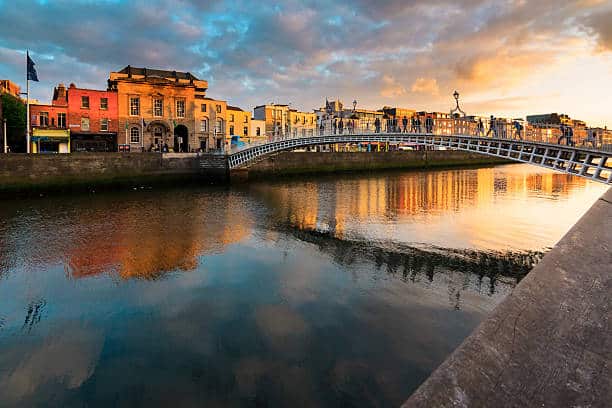
Un apartamento de un dormitorio costaría entre 1.100 y 1.700 euros en el centro de la ciudad, y entre 1.000 y 1.400 euros si está situado fuera del centro.
Por otro lado, un apartamento de 3 dormitorios costaría entre 1.900 y 3.100 euros en el centro de la ciudad y entre 1.500 y 2.400 euros fuera de él.
1.Comestibles:
- Leche: de 1 a 1,2 euros
- Pan: 1,50
- Pollo: de 8 a 8,60 euros
- Huevos(docena): De 2,90 a 3 euros
- Carne de vacuno (1kg): €10
- Queso (1kg): €8
- Manzanas (1kg): €2.2
- Plátanos (1kg): €1.8
- Naranjas (1kg): €2.2
- Agua (1,5ltr): €1.3
- Vino: 10
2.Transporte:
- Coste del taxi (por km): de 1,35 a 1,50 euros
- Billete de autobús: de 2,60 a 3 euros
- Gasolina (1ltr): €1.40
- Abono mensual (local): 100
3. Utilidades:
- Factura del móvil (por minuto): de 0,28 a 0,32 euros
- Servicios básicos: de 150 a 160 euros
- Internet (al mes): €50
Banca - También hay que prestar atención a los servicios bancarios, sobre todo cuando se vive en otros países.
Al optar por los servicios bancarios, debe asegurarse de que el dinero puede transferirse fácilmente a otros países y de que se puede acceder a él mientras se vive en ese país.
A la hora de elegir un banco, debe recordar que su familia o amigos siguen viviendo en su país y es posible que tenga que transferir dinero entre países. En estos casos, elige un banco que te permita hacer transferencias de dinero fácilmente.
En lugar de seguir adelante con algún banco local, es aconsejable adquirir los servicios de un banco que sea financieramente seguro. Por lo tanto, le sugerimos que opte por un banco con presencia internacional y que cumpla la normativa mundial.
En la mayoría de los casos, los expatriados eligen un banco offshore, que suele estar situado fuera del país, en una jurisdicción de baja tributación y con estabilidad política y económica.
Muchos expatriados prefieren la banca offshore, ya que les permite ahorrar su dinero e invertirlo de una manera fiscalmente eficiente.
Hay que recordar siempre que evadir impuestos es un delito, independientemente del país en el que se viva. Por lo tanto, una persona siempre debe revelar todos los detalles necesarios de ingresos a las autoridades fiscales y pagar impuestos a tiempo.
Al abrir una cuenta bancaria como expatriado en Irlanda, el proceso puede implicar algunos pasos adicionales en comparación con el proceso de apertura de una cuenta bancaria como residente.
Mientras que algunos bancos permiten abrir una cuenta en línea, incluso a los expatriados, otros pueden exigir que la persona visite una sucursal del banco. Los documentos necesarios para abrir una cuenta bancaria en Irlanda son un documento de identidad y un justificante de domicilio.
Si ha podido encontrar un banco que le permita completar el proceso de creación de una cuenta bancaria en línea, hay algunas formas de demostrar al banco que sus documentos son válidos.
- En primer lugar, el método más común para certificar la validez de los documentos exigidos es presentar copias notariadas de sus documentos.
- Si no es posible, puede enviar una carta oficial obtenida de su embajada.
- Incluso puede enviar un selfie con el pasaporte en la mano, que puede bastar como prueba de identidad.
Después de haber tratado toda la información relativa a la banca en Irlanda, ahora vamos a echar un vistazo a algunos de los mejores bancos de Irlanda.
- Los mejores bancos nacionales de Irlanda:
- Banco de Irlanda
- Allied Irish Banks (AIB)
- Ulster Bank
- DePfa Bank Irlanda
- TSB permanente
- Mejores bancos internacionales en Irlanda:
- Citibank Europa
- Banco KBC
- Banco Danske
- Bank of Montreal Ireland PLC.
- Los mejores bancos en línea de Irlanda:
- Allied Irish Banks (AIB)
- N26
- Banco KBC
- TSB permanente
- Banco de Irlanda
Fiscalidad - Otro aspecto financiero importante que vamos a tratar es la fiscalidad en Irlanda. Cuando una persona cumple determinados criterios, se le considera residente fiscal en Irlanda, que se indican a continuación.
- Persona que reside durante un periodo de 183 días en un ejercicio fiscal determinado.
- Persona que reside durante un periodo total de 280 días en Irlanda a lo largo de dos ejercicios fiscales consecutivos, residiendo durante un periodo de al menos 30 días en el segundo año.
- Un expatriado que pertenece a alguna de las categorías entre residencia, residencia ordinaria y domicilio.
- Según la prueba de agregación, una persona se considera residente fiscal cuando pasa a tener la condición de residente en el segundo ejercicio fiscal. Se consideraría un día presente en Irlanda, aunque la persona viva durante una parte concreta del día, como por la mañana o por la tarde.
- Se considera residencia habitual cuando una persona reside en Irlanda durante un ejercicio fiscal después de haber vivido en el Estado durante un periodo de 3 años consecutivos.
- El domicilio es una situación más bien permanente en comparación con la residencia. La mayoría de las personas tienen el mismo domicilio durante toda su vida, incluso después de haber vivido en el extranjero durante un periodo prolongado.
- El domicilio se adquiere al nacer del padre del individuo.
- Cuando la persona no está domiciliada, existen algunas oportunidades de planificación fiscal dignas de mención, para las que se necesita asesoramiento.
- Si una persona es residente, residente habitual y no domiciliada, está sujeta a tributación por los rendimientos del trabajo internacionales que adquiera mientras realiza las tareas desde Irlanda.
- Tipos impositivos:
Las personas solteras, viudas y sin hijos a cargo tributan a un tipo de 20% para una renta de hasta 35.300 euros y a un tipo de 40% por encima de esa renta.
Un matrimonio, en el que un solo individuo obtiene ingresos, tributaría a un tipo de 20% por unos ingresos de hasta 44.300 euros y a un tipo de 40% por encima de esos ingresos.
Un matrimonio, en el que ambos miembros perciben unos ingresos de al menos 26 300 EUR cada uno, tributa a un tipo de 20% por unos ingresos de hasta 70 600 EUR y a un tipo de 40% por encima de esos ingresos.
Las personas de 65 años o más están exentas del impuesto sobre la renta de las personas físicas. Sin embargo, estas personas también están sujetas a impuestos si sus ingresos superan un límite específico.
Hipotecas - Puede ser un poco difícil para la gente adquirir una hipoteca en Irlanda como expatriado, y por lo tanto, el proceso de adquisición de una hipoteca debe ser entendido por los expatriados con precaución.
Normalmente, los bancos prestan una cantidad de alrededor de 65% del precio de compra de la vivienda y el particular tendría que hacerse cargo de los 35% restantes.
Incluso los no residentes podrían adquirir una hipoteca en Irlanda, para lo cual tendrían que estar buscando un alojamiento de vacaciones o ser irlandeses que deseen trasladarse a Irlanda y vivir en la propiedad a corto o medio plazo.
Los tipos de interés oscilan entre 2,75% y 3,2% (variables o fijos en función de determinadas condiciones).
Los prestamistas e hipotecarios radicados en Irlanda deben cumplir las normas y reglamentos establecidos por el Banco Central de Irlanda.
Pensiones - Como todo el mundo sabe, una pensión es una contribución al ahorro a largo plazo que conlleva ventajas fiscales. En Irlanda, los pensionistas gozan de una desgravación fiscal al tipo marginal 40%, mientras que no existe desgravación por la Seguridad Social Remunerada (PRSI) ni por la Carga Social Universal (USC).
Para poder acogerse a un plan de pensiones, los datos son los siguientes:
- Cotizaciones voluntarias mientras reside en el extranjero:
- Haber cotizado 10 años.
- Haber reclamado en los 5 años siguientes a la baja.
- 6,6% de ingresos brutos en un año antes de salir del país o 500 euros si el individuo trabaja por cuenta propia en un año antes de salir del país.
- El individuo debería haber abandonado el país en 2015 o después.
- Enfoque de las contribuciones totales (TCA):
- Para obtener una pensión completa, es necesario haber cotizado 40 años o 2.080 cotizaciones.
El plan de pensiones actual es de 248 euros semanales o 12.956 euros anuales. Por tanto, formar parte de ese plan de pensiones costaría 300.000 euros y habría que aportar al menos 7.500 euros cada año.
Inversiones para expatriados irlandeses:
El sector de la inversión en Irlanda se compone de diversos proveedores, productos de inversión y opciones de inversión.
Por ejemplo, instituciones como Standard Life Ireland aceptan inversiones a tanto alzado y planes de ahorro de inversores vivir en el extranjero y residan habitualmente en Irlanda.
Los instrumentos de inversión como acciones, bonos e inversiones en paraísos fiscales tributan al 33% (impuesto sobre plusvalías) por la venta de esos activos respectivos. Los rendimientos de esas inversiones se gravan al tipo marginal (impuesto sobre la renta, USC y PRSI).
Por lo tanto, es muy importante crear una cartera basada en su perfil de riesgo y sus objetivos de inversión.
Veamos ahora brevemente algunas de las oportunidades de inversión más importantes para los expatriados irlandeses.
1. Acumulación de efectivo:
La mayoría de la gente suele tener dudas sobre la acumulación de efectivo, es decir, ¿cuál es la mejor forma posible de acumular efectivo y es rentable en términos de crecimiento del capital?
Pues sí. En cierto modo. Puede utilizar una cuenta de depósito en la que el crecimiento se determina en función de su plazo y de la necesidad de liquidez.
Si va a necesitar acceder a los fondos de su cuenta de depósito en los próximos cinco años, es mejor que opte por una cuenta de depósito de fácil acceso. De este modo, dispondrá de una inversión sin riesgos y de fácil acceso.
Sin embargo, como la mayoría de la gente sabe, los beneficios que ofrece una cuenta de depósito son demasiado bajos en comparación con muchos otros tipos de inversión. Es aconsejable crear una cartera diversificada de activos en función de su tolerancia al riesgo, en lugar de depender de un único modo de inversión.
Si va a depositar el dinero en el país en el que reside actualmente, le recomendamos encarecidamente que se familiarice con el sistema de garantía de depósitos o con cualquier otro sistema de protección antes de realizar el depósito.
Aunque pueda sonar un poco negativo para la mayoría de la gente, es mejor conocer los detalles sobre lo que ocurre con su cuenta de depósito si fallece mientras vive en ese país.
Uno de los mejores métodos es optar por una cuenta bancaria irlandesa, conocida por ofrecer más seguridad a los clientes.
2. Inversiones inmobiliarias:
Las personas que intentan invertir en propiedades suelen hacerlo por varios motivos, como comprar una propiedad para poder disponer de ella cuando regresen, obtener beneficios de ella alquilándola, convertirla en una residencia de jubilados, etc.
Sea cual sea el motivo, invertir en bienes inmuebles puede resultar beneficioso si se hace bien. Sea cual sea el motivo, en Irlanda se puede obtener una hipoteca para comprar una vivienda, aunque el proceso sea un poco complejo.
En Irlanda existe una gran demanda de viviendas sociales y privadas. Teniendo esto en cuenta, una inversión en notas de préstamo con una tasa de 4% a 6% p.a. y ofreciendo renta fija o proyectos de desarrollo residencial privado y público relacionados con la propiedad irlandesa.
Según la investigación realizada por ESRI, el impacto de COVID-19 en el mercado de la vivienda se completará en octubre de 2020.
Se afirmó que el prolongado impacto de la pandemia ha empeorado las cosas, al tiempo que ha alterado el equilibrio existente entre la oferta y la demanda en el mercado inmobiliario.
Mientras que la demanda de viviendas en el año 2019 fue de alrededor de 30.000, la entrega de viviendas fue de alrededor de 21.000 que está muy por debajo de la demanda existencial.
Antes del brote pandémico, la previsión de viviendas terminadas en 2020 era de unas 24.500, mientras que en los tres primeros trimestres sólo se habían entregado 13.394 unidades.
Por lo tanto, ESRI describe que la mejor política para el gobierno es aumentar las viviendas sociales y asequibles en los próximos meses o un par de años antes de que las cosas se vuelvan drásticas debido al desequilibrio estructural.
3. Invertir el dinero sobrante:
Puede invertir la cantidad de dinero sobrante de diferentes maneras, como invirtiendo una gran cantidad de dinero o invirtiendo una pequeña cantidad de dinero cada mes.
Con la ayuda de los servicios de inversión que ofrecemos, puede realizar una gran inversión de una sola vez (inversión a tanto alzado), como $50.000 o $100.000, o incluso más de una vez.
Estos servicios se consideran ideales para los clientes que tienen un patrimonio neto elevado y desean aumentar su patrimonio o alcanzar sus objetivos financieros.
De lo contrario, puede invertir una cantidad tan baja como $500 o $1.000, o incluso tan baja como $200 en función de su situación financiera y poder superar las dificultades financieras y alcanzar sus objetivos de inversión.
De cualquier modo, podrá disponer de un apoyo financiero importante cuando regrese a Irlanda. Te resultará beneficioso incluso si eres un expatriado que vive en Irlanda.
Sin embargo, si está invirtiendo una gran cantidad o aportando una pequeña cantidad cada mes, le recomendamos encarecidamente que no opte por retiradas frecuentes. Además, establezca sus objetivos a largo plazo en lugar de a corto plazo, ya que sería ventajoso para llevar una vida financieramente estable.
4. Inversión extraterritorial:
Para los principiantes, incluso invertir en Irlanda como expatriado irlandés que vive en el extranjero sería algo similar a invertir en paraísos fiscales. Sin embargo, ese no es el caso que se menciona aquí.
Por inversión extraterritorial entendemos que usted invierte en países considerados jurisdicciones de baja tributación, manteniendo al mismo tiempo la estabilidad económica y financiera.
Sin embargo, como la mayoría de los otros tipos de inversiones, la inversión offshore es un proceso que se considera ventajoso y accesible para los inversores acaudalados.
Algunas de las ventajas de invertir en paraísos fiscales, además de las fiscales, son la seguridad, la privacidad y el acceso a una amplia gama de inversiones. En cuanto a la seguridad, sus activos están protegidos por el régimen de protección de activos de ese país/jurisdicción.
En cuanto a la privacidad, sus autoridades fiscales recopilan toda su información financiera de los respectivos bancos y entidades financieras de la jurisdicción en la que vive. Sin embargo, las entidades de otras regiones no están obligadas a facilitar esa información a sus autoridades fiscales.
Sin embargo, si usted piensa en esto como una buena manera de evadir impuestos, entonces usted está en un completo malentendido. Bueno, los países tienen una manera única de encontrar personas que evaden impuestos y tales situaciones han sido retratadas en varias películas de Hollywood.
Puede que incluso le resulte familiar la situación de evadir impuestos, sobre todo si es usted un fanático del cine.
Esta privacidad y anonimato serían muy útiles cuando vives en un país con una estabilidad económica incierta, o no confías plenamente en el gobierno del país (país de residencia).
Aunque esto pueda sonar un poco extraño, es la verdad en varios países, porque no sólo los expatriados, sino incluso los residentes no están seguros de si confiar o no en su gobierno.
Por lo tanto, no quieren ser vulnerables al gobierno de su país y quieren invertir a su manera. Pero aun así les sugerimos que paguen a tiempo sus impuestos en relación con sus inversiones.
Por último, hemos hablado del acceso a una amplia gama de oportunidades de inversión, ¿verdad? Bueno, algunos de ustedes se preguntarán si las oportunidades de inversión son las mismas en todo el mundo.
Eso no es del todo cierto porque algunos países ofrecen acceso a algunos tipos específicos de inversiones, mientras que otros no. Un buen ejemplo de esta situación es la criptomoneda, ya que está disponible en algunos países, mientras que otros la han regulado o prohibido por completo.
Invertir en paraísos fiscales también presenta algunos inconvenientes, ya que hoy en día las jurisdicciones extraterritoriales que ofrecen diversos tipos de oportunidades de inversión están siendo sometidas a escrutinio, especialmente en relación con la normativa.
En tales casos, existe la posibilidad de que su cuenta sea congelada cuando las autoridades competentes piensen que está involucrado en algún tipo de actividad sospechosa.
Los costes de invertir en paraísos fiscales son un poco más elevados que los de invertir en el país de residencia. Esto puede ser un poco complejo para la mayoría de los inversores, y por lo tanto, le recomendamos que adquiera asesoramiento de inversión de un planificador de inversiones de primera clase como us.
5. Fondos gestionados, ETF, etc.
Los fondos gestionados, los ETF y otros vehículos de inversión similares ofrecen rendimientos de alrededor de 3% a 8% anuales y son adecuados para todo tipo de inversores en función de su perfil de riesgo y periodo de inversión.
Independientemente de las fluctuaciones de los mercados, el rendimiento anterior de este tipo de inversiones ha demostrado que las personas que optan por invertir durante un periodo más largo han obtenido importantes beneficios.
6. Fondos de protección del capital:
Algunas opciones de inversión tradicionales, como acciones, participaciones, materias primas, etc., también son algo beneficiosas para los inversores y ofrecen rendimientos de entre 2% y 4%, al tiempo que proporcionan una protección del capital de 80%.
Esto significa que, si algo se tuerce de forma drástica, el 80% de su capital invertido seguirá estando fuera de peligro.
Sin embargo, es ventajoso que considere la posibilidad de diversificar su cartera en función de algunos factores importantes, como su tolerancia al riesgo, el periodo de inversión, los objetivos de inversión, la estabilidad financiera, etc.
7. Planificación de la jubilación:
Mientras trabajas en el extranjero, puede que te preocupen cosas como tu pensión del trabajo o del Estado, o que te inquiete pensar en la accesibilidad.
La planificación de la jubilación es una tarea muy compleja y depende de varios aspectos, como los objetivos de jubilación, el número de años de empleo que quedan, la cantidad invertida hasta el momento, etc.
Teniendo en cuenta estas cosas, puede resultar un poco difícil para las personas ocuparse de su vida cotidiana, su trabajo, etc., y seguir ocupándose de aspectos como las inversiones y la jubilación.
Si dispone de un patrimonio considerable y desea asistencia en el proceso de planificación de la jubilación o gestión de inversiones, entonces nosotros puede ofrecerle las mejores soluciones financieras.
Regreso a Irlanda:
Es aconsejable familiarizarse con los detalles fiscales 12 meses antes de llegar a Irlanda.
En este mismo artículo hemos proporcionado información fiscal útil, pero es mejor volver a comprobar si se han producido nuevas actualizaciones en los tipos impositivos o en la normativa.
Si se plantea repatriar o liquidar sus activos mucho antes de planificar su traslado a Irlanda, podría acabar pagando más comisiones e incluso dejar de lado algunos posibles rendimientos.
No sólo eso, sino que también podría tener que pagar impuestos por el dinero que está considerando repatriar a Irlanda. Por lo tanto, es mejor que obtenga asesoramiento fiscal sobre sus activos antes de volver a Irlanda.
No tiene que preocuparse por tener acceso a plataformas de inversión situadas fuera de Irlanda, porque ahora Irlanda tiene acceso a varios tipos de plataformas de inversión a las que tenía acceso mientras vivía en el extranjero.
Puede traer a Irlanda sus pensiones de empleo o cualquier otra pensión privada, aunque pueden existir algunas posibles regulaciones en el país en el que resida.
En algunos casos particulares, si la persona de Irlanda tiene una pensión reconocida, entonces la pensión puede transferirse sin incurrir en ningún impuesto. De lo contrario, puede incurrir en impuestos, y la pensión podría no ser tan rentable como debería.
Sin embargo, en la mayoría de los casos, una persona puede traer su pensión a Irlanda y beneficiarse de un crédito fiscal en Irlanda por cualquier impuesto retenido en origen mientras vivía en el extranjero.

Conclusión:
Los aspectos relacionados con la gestión financiera y la planificación de inversiones pueden resultar un poco difíciles de llevar a cabo por uno mismo. Si eres una persona que tiene un nivel avanzado de conocimientos y experiencia, entonces puedes hacerlo.
Sin embargo, si usted es completamente nuevo en estos aspectos, entonces definitivamente necesitará la asistencia de un planificador de inversiones o asesor financiero como nosotros para ayudarle con todos sus aspectos financieros.
Puede haber personas que también necesiten este tipo de orientación o asistencia, ya que puede que no dispongan del tiempo necesario. También deberían adquirir los servicios pertinentes de un profesional reputado.
Si es usted una persona con un elevado patrimonio neto y necesita servicios de gestión de patrimonios, o es usted una persona que busca asesoramiento financiero/creación de carteras de inversión, entonces le tenemos cubierto.
Rellene sus datos y adquiera las mejores soluciones financieras que le ofrecemos.
Dicho esto, esperamos haber podido aclarar todas sus dudas sobre este tema y, si no es así, no dude en consultarnos.
¿Le duele la indecisión financiera? ¿Quiere invertir con Adam?
Adam es un autor reconocido internacionalmente en temas financieros, con más de 291,9 millones de respuestas vistas en Quora.com y un libro muy vendido en Amazon.