Moving Back to the UK – that will be the topic of today’s article (last updated on Jan. 4, 2023)
After living overseas for 9 years, I have seen a good many expats return to the UK, only to be faced with unexpected tax and other problems.
This article will discuss some of the issues you might face, especially financially, if you are a British expat who’s moving back to the UK.
It will especially look at the procedures you might need to take, alongside some general guidance and frequently asked questions (FAQs).
Due to the ongoing crisis related to the virus, this article will address some questions related to that issue – could it affect your return to the UK?
If you wish to póngase en contacto con me about these financial matters associated with returning to the UK, you can reach me at advice@adamfayed.com.
For those that prefer video content, the content below summaries this article:
Moving Back to the UK: Firstly, who especially needs to undertake research and take advice?
Everyone should plan to a certain extent, but some people should plan more than others.
In general, the longer you have been outside the UK, the more money you have and the more complicated your financial situation increases the importance of sound financial planning prior to your return to the UK.
If you have only been outside the UK for 6 months, and are coming back without any money, your situation is much less complicated than for somebody who has over 1 million GBP in various investment accounts, and with companies in two countries.
Especially for people who are dealing with multiple jurisdictions, the situation becomes even more complex.
For example, if you are living in Singapore (one jurisdiction), have investments in the Isle of Man or Puerto Rico (another jurisdiction) and a business in Luxembourg (a third jurisdiction), and are coming back to the UK, your situation will be more complicated than if all your money is in Singapore or the UK.
So, the more assets you have in more jurisdictions, the more important it is to take advice.
It usually makes sense to plan moving back to the UK 6-12 months in advance, if that is possible.
How can you simplify your tax situation when moving back to the UK?
If you’re capable of moving back to the UK on around April 6, you will simplify your tax situation.
This will mean that all your income made during the tax year, will be subject to UK income tax.
In comparison, if you arrive in July or December, you might have to go for a split tax year, which is more complicated.
This is because the tax authorities have to annualize your income and calculate UK taxes accordingly.
Coming home in April isn’t right for everybody though. As you start using your 12,570 GBP per year allowance the moment you arrive in the UK, you can use up less of your allowance if you arrive during the middle of the tax year.
That is one reason why a “one size fits all” approach isn’t always wise.
Do you need to sell assets before moving back to the UK?
In general, it makes sense from a capital gains perspective to sell your assets before returning home.
However, you need to consider the following issues:
- What is the impuesto sobre plusvalías rate where you live now? If it is 0%, and your investment platform is based in a 0% capital gains environment, that is a strong reason to sell before returning to the UK
- If, on the other hand, you don’t plan to liquidate your investments for decades and are living in an even higher tax place than the UK right now, it doesn’t make sense to always sell. For example, in Canada, capital gains can even be taxed at 50%!
- How long you plan to stay in the UK for. If you are 32, and plan to stay in the UK for three years before mudanzas al extranjero again, your situation is very different to somebody that wants to permanently settle back into UK life. This is because capital gains, by definition, occurs when you liquidate an investment and realize a gain. Therefore, having money in overseas accounts and making a capital gain aren’t the same thing in some cases.
- Which assets they are specifically. I will speak about that more below.
So, if you have assets to sell and profit to release, it makes sense (from a capital gains tax perspective) to do this before returning home.
Another consideration is foreign exchange fees. If you hold USD or Euro asset or cash in cuentas bancarias, you could face a significant charge for liquidating positions.
Moving Back to the UK: How about QROPS?
If you have a Qualifying Recognised Overseas Pension Scheme (QROPS), you will need to inform your provider you are moving back to the UK.
If you then move your funds or reap benefits from your QROPS, the scheme itself would be required to report payments to HM Revenue and Customs (HMRC). This is the case regardless of how long you had been a non-UK resident prior to this point.
You will be liable to pay income tax on any drawdown of the pension.
Are bonos offshore similar to the QROPS situation?
Not exactly as the regulation is different. Nevertheless, it is best to notify your providers and give them your updated proof of address and tax numbers, whenever you move.
This applies to moving to a third country as well, and not just returning to the UK.
In general, portfolio bonds, many of which are linked to QROPS, can be tax efficient if you drawdown up to 5% per year.
You can also sometimes transfer allowance between you and your husband, wife or partner as well.
Moving Back to the UK: How about a no-deal Brexit?
We can’t know what the next year will bring. Brexit is no different. In general, a no-deal Brexit could affect some of these things, but is looking unlikely.
Will you pay taxes on investment funds when moving back to the UK?
This is complicated and depends on whether you are an ordinary resident or non-ordinary one, and where your domicile is.
In general, if you have been an expat for more than 5 years, it is easier to bring money into the UK in a tax efficient manner and pay 0 on these.
However, temporary non-resident rules means that gains can be taxed.
Do I need to open up a bank account remotely before moving back to the UK?
Not always because it is legal to live on overseas income in the UK, of course.
I know many online business owners who simply keep using their same USD overseas bank account, and self-assess every April.
However, you might want to start using a Cuenta bancaria en el Reino Unido again. If you already have a bank
account in the UK, you don’t need to make new provisions.
Some online banks such as Revolut are the easiest to deal with in terms of account openings, before returning to the UK.

Do I need to register for tax when moving back to the UK?
In most cases, you will be considered a resident of the UK once more if you return to the country after having lived in another country. This means that you are liable for tax in the UK on your income and gains in the UK, as well as any income and gains made overseas, unless you can demonstrate that your domicile remains located outside of the UK.
If you were outside the UK for less than a full tax year, you continued to be considered a resident of the UK. This typically means that you are responsible for paying taxes in the UK on any income earned outside of the country while you were away.
If you have a job, you will automatically be enrolled on pay as you earn (PAYE), and might need to fill out a starter checklist form from the UK tax authorities HMRC. This is available on their website.
If you start working for yourself, you will need to register for self-assessment.
This is regardless of whether you have an existing business you can run from home, or you are starting a new business.
You might be responsible for paying tax on some of the income or gains you made while you were not a resident of the country. Wages and other income from employment are not included in this total.
Should I fill in any national insurance gaps before moving back to the UK?
National insurance pays for the old age pension and some other benefits.
You can voluntarily pay national insurance whilst you are abroad. This can make sense for those that are overseas for a short period of time.
If you’re going to work in the UK, you will most likely be required to start paying National Insurance again.
If you were not required to pay National Insurance while you were living outside the country, you can look into your National Insurance record to determine the potential impact on your State Pension.
If you are not planning to make the UK your permanent home, you may be exempt from paying national insurance.
In general, you should be careful with filling in big gaps for a simple reason; the UK has an ageing population and the state can’t be trusted not to go back on previous promises.
This became an issue in the 2019 general election, after the retirement age was increased for women.

Whatever your feelings are on the issue, it seems certain that the UK retirement age will move to 70 and beyond.
Can you acquire property when moving back to the UK after living abroad?
The UK has increasingly become more regulated when it comes to renting and buying property and this might be a kind of “reverse culture shock” for returning expats.
Many landlords are now requiring tenants to get references in the UK from previous British landlords. This can be hard for UK expat returnees for obvious reasons.
In addition to that, credit checks are also sought by various lenders in the UK.
So, what are the most effective ways to overcome these issues? In general, it makes sense to:
- Get references from landlords abroad
- Focus on private agreements for private renting if possible. I have spoken to 1-2 friends that have returned from abroad in the last year, and they have negotiated private agreements with AirBnb landlords. In other words, renting from them for a few days and then signing a contract outside the platform. They have found these landlords to be more flexible than the average.
Si desea buy a UK property after living abroad, you will need to prove where the funds are coming from, of course.
You might be asked as a recent expat for more detailed proof of where the money has come from.
So, information like wage slips, contracts, proof of sale documents for assets and other things can be very useful when speaking to a lawyer.
Assuming you need a mortgage, it gets even harder, as most lenders do a credit check.
Assuming you haven’t had an address in the UK for years, you are more likely to be rejected.
You can combat this issue by focusing on smaller lenders that are more flexible than mainstream ones, and maintaining correspondent addresses in the UK can be useful.
In other words, if you kept a UK address open for getting letters and electronic correspondents, which went to your parents or sisters’ home, this makes things a lot easier.
Moving Back to the UK: How about short-term trusts for property?
Even though rules around trust are always changing, it is still possible to create short-term trusts before returning home to the UK.
Again though, as this situation is always changing, getting up-to-date tax advice makes sense.
What are the biggest financial mistakes that those moving back to the UK make?
En biggest mistakes I have seen are:
- Leaving the process too late and panicking. This can result in big tax bills or headaches.
- Not taking proper legal and/or tax and financial planning advice. This is especially an issue with people with very complicated situations
- Assuming your companies’ HR will sort everything out, it is beneficial to have a good HR department that sorts out most of the requirements. This is more likely to be a benefit for income tax and other work-related issues. It is less likely to be beneficial for your personal wealth situation.
- Not considering more complex situations. If you are moving money from Myanmar/Burma or a country which is under US sanctions like Iran, your case is much more complex than most expats.
- If you wish to stay with your existing investment platform, not asking them about rule changes. For example, it is no longer legal for EU residents to buy some kinds of US domiciled ETFs, including the S&P500 funds, but you don’t have to actually sell such positions if you return to an EU country. You merely can’t add to the positions.
- Not fully considering the move. I have met countless expats that go overseas again within a few months of landing, due to failing to adapt to life back in the UK.
- Not considering a third country. I have met countless people that are only returning to the UK due to losing a job, or they are finding it more difficult to extend a visa if they are self-employed. They often assume that the UK is the easy option. However, it is increasingly normal for people to be able to work from home. Most countries offer residency visas by investment and not all are super expensive. Therefore, coming home to the UK isn’t always the cheapest option, or most convenient idea, as this article has made clear. Considering buying a property or putting money in the bank, in return for residency in a third country, could be a viable option for many people.
- Panic selling assets when stock markets are down. It is easy to look at stock markets in 2020, and conclude that your life would be simpler just selling and taking a loss. In reality, that seldom makes sense to crystallize a loss when markets have declined so much and will rebound.
What are some of the non-financial issues you might face when moving back to the UK?
It isn’t the main purpose of this article to speak about non-financial issues, but some of the other issues people face are:
- Importing pets, cars and vehicles into the UK
- Getting on the National Health Service (NHS) list or having new private medical insurance
- Being put on the election register to vote again
- Sometimes getting a non-British wife or husband into the UK.
Will the health pandemic still impact your decision of moving back to the UK?
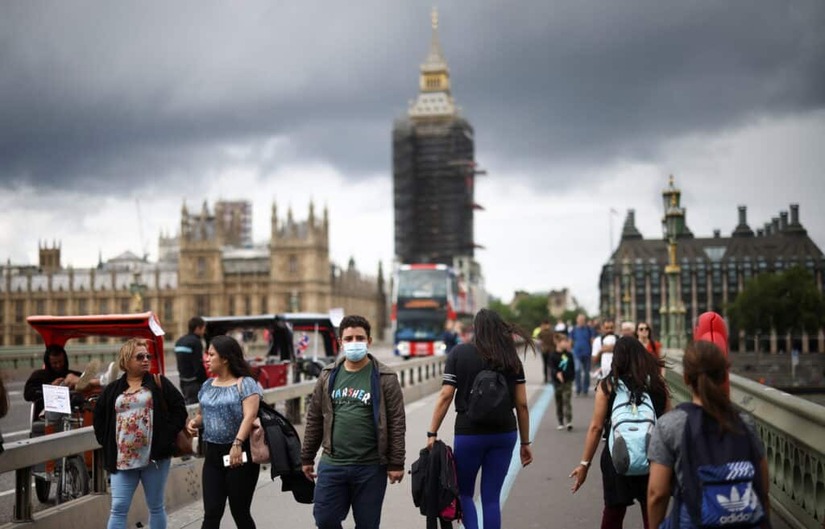
Needless to say, the COVID-induced global pandemic has caused travel issues, with many airlines cancelling flights.
We have witnessed:
- Delays in paperwork. If you need to complete paperwork, including for your investment accounts or taxes, there were delays due to governments being overrun. This was especially the case if you needed to send out physical paperwork.
- If you have a non-British partner, wife or husband, there were some restrictions such as quarantines for when they arrived back in the UK.
- Certain policies also changed. This affected both returning UK expats, and those UK expats that were unexpectedly stranded in Britain due to the virus. The government had also announced delays in self-employed people needing to pay certain types of taxes, until 2021. So, returning British expats might get some tax breaks, and help with their incomes due to the economic crisis. The UK government policy is regularly changing.
- You need to plan on an ongoing basis. In other words, check the updated travel advice related to flights and quarantines, on the morning of your flights.
- The key point is that government policy is changing on all manner of issues (travel, taxes and other areas) at a much quicker rate than usual.
Currently, those who are traveling to England from mainland China will have to take a COVID-19 test, regardless if England is their final stop or they’re just passing from it. If you’re coming from any other country, you won’t have to undergo a COVID-19 test or even a quarantine if you’re traveling to England, according to the UK government.
The situation involving the global pandemic makes planning even more important, even though we can never plan for quick changes in government policy.
There is help from the UK government, including a hotline, which will allow you to speak to somebody regarding your flights, if you are stranded, and can’t return home as expected.
Moving Back to the UK: How about the requirements from the other side – the country where you currently live in?
Many people aren’t just worried about the UK tax authorities having requirements for returning expats. Countless people worry about their current country of residence.
It is beyond the scope of this article to discuss the requirements of each country where British people live as there are about 200 countries around the world.
In general, highly regulated places like the United States, Singapore and Hong Kong, will have more procedures to jump through if you decide to return home, compared to some other places.
For example, British expats leaving the US should obtain a certificate of compliance to ensure they have met their tax obligations.
This is also known as the “Sailing Permit” or a “Departure Permit.”
It also makes sense to look at all your bank, investment accounts and taxes locally, before coming back to the UK.
This will ensure you are compliant on both sides – the returning country (the UK) and your current country of residence.
This also means that it makes sense to seek local advice, as well as UK-specific advice.
For example, whilst it is tax advantageous for many people to return to the UK at the start of the tax year in April, that might not be the case in your country of residence.
Moving Back to the UK: Conclusion
Tax and how your investment situation is considered is a complicated topic, if you are returning to the UK.
It is only likely to get more complicated in the future, with new regulations concerning tax and investments.
It is especially complicated if you have assets in multiple jurisdictions and have joint passports, or a spouse that is from another country.
It is best to receive independent tax and financial advice, before moving back to the UK, if you have significant assets and/or a complicated situation.
This is especially the case as the situation is always changing, with new laws announced on a regular basis, amid the impacts of the health and economic crises from 2020.
With the current global pandemic, there are likely to be significant delays in implementing sound advice and could even delay your return to the UK.
In addition to that, currency markets and carteras de inversión are being affected on a daily basis, which makes making decisions on liquidations more difficult than during more normal times.
All of this makes prior planning even more important than it was before.
¿Le duele la indecisión financiera? ¿Quiere invertir con Adam?

Adam es un autor reconocido internacionalmente en temas financieros, con más de 830 millones de respuestas en Quora, un libro muy vendido en Amazon y colaborador de Forbes.
Para saber más
The article below looks at some common expat investments sold overseas, and what you can do if you have one.
Many expats aren’t happy with these investments. So, is it better to stick with these investments or seek an alternative?