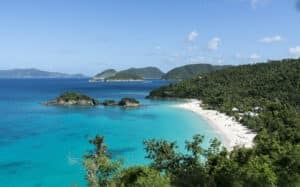
Las 15 islas caribeñas más seguras para vivir
Si desea invertir como expatriado o particular con un elevado patrimonio neto, que es en lo que estoy especializado, puede enviarme un correo electrónico (advice@adamfayed.com) o WhatsApp (+44-7393-450-837).
Introducción
¿Desea jubilarse en una de las islas caribeñas más seguras para vivir? Aquí tiene una lista de las islas caribeñas que consideramos más seguras.
A pesar de que, en general, las islas del Caribe son relativamente seguras, los sucesos de gran repercusión pueden hacer que los visitantes se pregunten rápidamente qué peligros pueden esconderse tras el sol y la diversión.
La mayoría de las veces, Británicos de ultramar Los territorios son los más seguros. En este artículo, leerás sobre las islas caribeñas más seguras para vivir porque las investigaciones indican que la percepción que tiene la gente de la delincuencia en la región suele ser exagerada.
Según las estadísticas, los delitos violentos rara vez afectan a los 28 millones o más de visitantes que acuden al Caribe cada año. Sin embargo, las denuncias de violencia se limitan sobre todo a las regiones del centro urbano con pocos visitantes.
En este lugar turístico, como en muchos otros, se producen pequeños delitos callejeros. Además, los objetos que se dejan desatendidos en las playas caribeñas, en automóviles de alquiler o en habitaciones de hotel podría ser robado.
Éstas son las 15 islas caribeñas más seguras para vivir.
Las 15 islas caribeñas más seguras para vivir
1. San Bartolomé
San Bartolomé, a menudo conocida como San Bartolomé, es un país extremadamente seguro, con unos índices de delincuencia que descienden un 33% de media. Es una de las islas caribeñas más seguras para vivir.
La delincuencia es casi inexistente, lo que no es de extrañar dado que se trata de las vacaciones tropicales más elitistas y costosas del Caribe.
Muchos residentes dejan sus casas y automóviles sin asegurar, a pesar de que seguridad básica deben tomarse medidas.
Hay calas escondidas, playas inmaculadas, hoteles boutique y casas particulares, que dan a esta zona principalmente francesa una impresión de grandeza europea. El windsurf, el surf y el kitesurf son muy populares entre turistas y residentes.
Bajo el azul claro del mar, los pecios y arrecifes invitan a buceadores y submarinistas a investigar sus misterios.
También está Gustavia, la conocida capital de tejados rojos de San Bartolomé. En esta utopía coralina, con el azul del mar y la exuberante flora como telón de fondo, se pueden encontrar tiendas boutique, galerías de arte y deliciosa comida de inspiración francesa.
Gustavia es una de las principales ciudades de San Bartolomé. ciudades más seguras, con relativamente pocas zonas problemáticas. Aunque se han producido algunos robos menores, hay muy pocos casos de delitos violentos y no hay noticias de armas de fuego o bandas.
2. Aruba
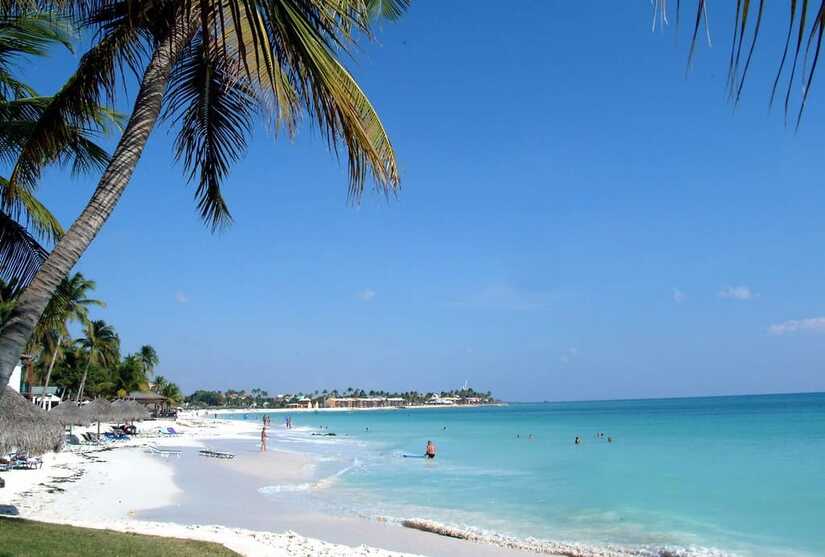
Aruba, situada frente a la costa de Venezuela y fuera del cinturón de huracanes, es un país muy seguro con un clima excelente prácticamente todo el año. Es una de las islas caribeñas más seguras para vivir.
Aruba es una isla pequeña y desarrollada, lo que la hace fácil de recorrer. No le faltarán cosas que hacer gracias a sus playas, actividades de aventura y encuentros culturales.
Sea precavido en Aruba y aplique el sentido común en materia de seguridad. No deje sus pertenencias desatendidas ni haga ostentación de artículos caros. Aparte de eso, tenga en cuenta para abastecerse de protector solar porque esos rayos UV son bastante fuertes.
3. Turcas y Caicos
Las islas Turcas y Caicos están técnicamente en el Atlántico, pero siguen considerándose pertenecientes al Caribe.
Turcas y Caicos es una de las islas caribeñas más seguras para vivir, tanto en términos de delincuencia general como de delitos cometidos contra turistas.
Turcas y Caicos es un archipiélago de 40 islas, y allí se pueden hacer muchas cosas, como avistar ballenas, bucear, practicar kitesurf, navegar, conocer la historia local e incluso hacer una barbacoa.
Es crucial recordar que el grueso de la la gente vive en Providenciales, la isla principal, y que la mayor parte de la delincuencia se produce allí, a pesar de que sigue siendo relativamente segura.
En Caicos del Norte y Central, Caicos del Sur y Salt Cay se registran muy pocos delitos contra los visitantes.
Por otra parte, tenga en cuenta que Turcas y Caicos carece de un sistema de transporte público fiable, así que tenga cuidado al desplazarse.
A pesar de la disponibilidad de taxis, es siempre una buena idea vuelva a comprobar la tarifa antes de subir al coche porque los conductores podrían intentar aumentarla después de que llegue a su destino.
Además de taxis, también se pueden ver minibuses o “jitneys”, aunque es mejor evitarlos, ya que suelen utilizarlos los lugareños. Alquilar un coche es, en mi opinión, la forma más cómoda de desplazarse.
4. San Cristóbal y Nieves
Unos tres kilómetros de agua separan las dos islas que forman St. Kitts y Nevis. Según el Departamento de Estado de EE.UU., este país no es muy peligroso, La principal preocupación de los turistas son los pequeños hurtos.
Los visitantes que se identifiquen como LGBTQ+ deben abstenerse de hacer demostraciones físicas de afecto en lugares públicos.
Entre los estados caribeños que prohíben las parejas homosexuales figuran San Cristóbal y Nieves. Es menos probable que la policía detenga a los visitantes, pero puede acosar o incluso agredir a las parejas homosexuales.
5. Montserrat
Montserrat es una de las islas caribeñas más seguras para vivir. Por su similitud con la Irlanda costera, este territorio británico, situado igualmente entre las islas de Sotavento, se conoce como la Isla Esmeralda.
La parte norte de Montserrat es segura, con playas de arena negra, cuevas submarinas y arrecifes de coral. También hay rutas de senderismo por toda la isla.
Woodlands Beach es uno de los lugares preferidos para excursiones privadas y picnics junto al agua. Tiene una gran playa de arena blanca que está rodeada de exuberantes acantilados costeros y formaciones rocosas salientes.
Los visitantes pueden ir a Soufrière Hills, un estratovolcán, en el extremo sur de la isla, famoso por su actividad volcánica. Plymouth, la capital de la isla, fue arrasada en 1995 durante una erupción que tuvo lugar tras 365 años de letargo.
La parte sur de la isla está vedada a la población, y el parte norte de la isla está en gran parte protegida del volcán.
A pesar de contar con una pequeña población de 5.000 habitantes, Montserrat tiene un índice de delincuencia comparativamente bajo. Además, ningún país vecino supone un peligro para la seguridad de la isla. El único peligro para la isla es la actividad volcánica de su lado sur, que no constituye una amenaza grave.
Montserrat ha tenido históricamente una baja tasa de delitos violentos: entre 1998 y 2012, las autoridades de la isla informaron de solo ocho asesinatos en la isla. El grueso de los delitos incluye violencia doméstica, agresiones, robos y hurtos.
La corrupción y el abuso de autoridad son raros entre la policía local. No obstante, la escasa capacidad operativa de la policía plantea ciertos retos. Además, la isla sirve de lugar de tránsito en el tráfico mundial de estupefacientes.
Por ello, el Real Servicio de Policía de Montserrat, compuesto por 70 policías, realiza operaciones de lucha contra los estupefacientes. Además, la Real Fuerza de Defensa de Montserrat, una organización de voluntarios, lleva a cabo actividades de socorro en caso de catástrofe y de búsqueda y rescate.
El sistema jurídico de Montserrat se basa en el derecho consuetudinario británico, aunque, debido a la escasa población de la isla, no existe un Alto Juez designado.
Sin embargo, debido a la escasa cantidad de informes sobre delitos, resulta difícil evaluar la eficacia del sistema judicial. En la isla hay una cárcel donde los delincuentes suelen participar en programas de rehabilitación laboral.
Por desgracia, la isla es vulnerable a huracanes y terremotos, así como a la amenaza inminente de actividad volcánica.
Más concretamente, las lluvias excesivas o un ciclón tropical podrían provocar el colapso de la cubierta del volcán meridional, dando lugar a una erupción. Las mareas de tempestad pueden afectar al puerto de Little Bay.
Brades es la ciudad más grande y segura de la isla. Está cerca de Bunkum Bay y Saint Peters. Brades tiene un ambiente de pueblo pequeño y un banco. También hay dos escuelas primarias y una escuela de enfermería por si desea llevar a sus hijos cuando se mude allí.
6. Roatán
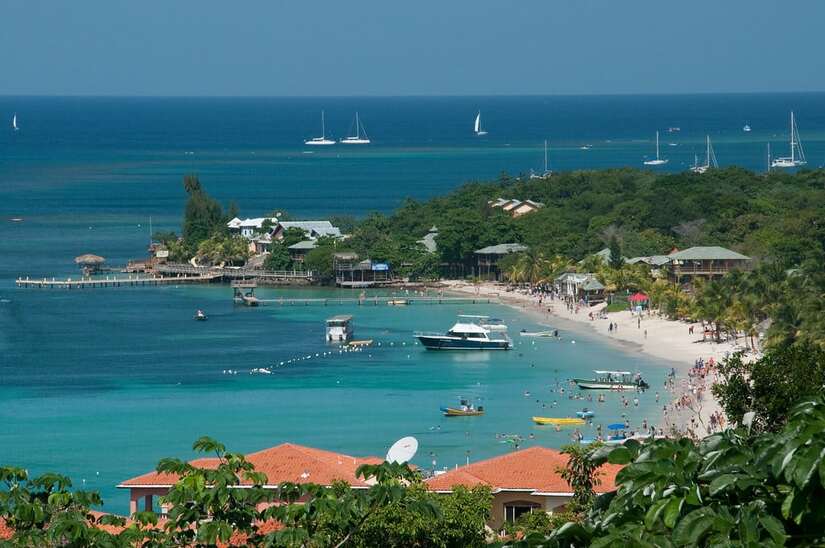
Frente a la costa de Honduras, en la casi virgen isla de Roatán, los viajeros pueden sentirse algo seguros. Es una de las islas caribeñas más seguras para vivir. Lo mismo puede decirse de muchas otras islas caribeñas.
Con sólo un millón de visitantes anuales aproximadamente, es también una de las islas caribeñas con más paz y tranquilidad. Es importante tener en cuenta que otras islas reciben millones de visitantes al año a pesar de que esta cifra pueda parecer elevada.
La actividad delictiva más típica en Roatán son los pequeños hurtos. Por ello, se recomienda a los turistas que se queden en las zonas turísticas, sobre todo al anochecer. Estar atento a actividades sospechosas y vestir de manera informal también puede ayudarte a mantenerte a salvo. seguro cuando visite Roatán.
7. Islas Caimán
En Islas Caimán son un grupo de tres islas del Caribe occidental. Gran Caimán es la isla más grande y principal, y las otras dos son Caimán Brac y Pequeño Caimán.
En Gran Caimán, encontrará tranquilos resorts e increíbles submarinismo; en Caimán Brac, gran pesca; y en Pequeño Caimán, fauna diversa como iguanas y piqueros de patas rojas..
Aunque hay poca delincuencia dirigida a los visitantes en la Islas Caimán, No obstante, hay que tener cuidado con las grandes aglomeraciones de cruceros, ya que pueden producirse robos. Además, si quieres pasar tiempo en el agua, ten cuidado con las medusas y los peces escorpión, que pican mucho cuando se tocan y tienden a pasar desapercibidos.
8. República Dominicana
Cada año, millones de turistas viajan a República Dominicana para disfrutar de sus magníficas cascadas y playas. Sin embargo, el gran volumen de visitantes que recibe cada año atrae a ladrones oportunistas, lo que hace que esta isla caribeña sea menos segura que otras.
Los visitantes suelen estar más seguros en las zonas turísticas, pero las ciudades más concurridas del país, incluida Santo Domingo, son especialmente vulnerables a los robos a mano armada y las agresiones sexuales.
Por ello, los visitantes deben mantenerse alejados de los lugares congestionados y alejados de los centros turísticos. Dejar en casa las joyas caras o la ropa de diseño antes de viajar al República Dominicana es una opción acertada.
Estos bienes son atractivos para los delincuentes y pueden aumentar las posibilidades de que te los roben o te agredan gravemente.
En República Dominicana ha sido clasificada como destino de nivel 2 por el Departamento de Estado de EE.UU., lo que la hace mucho más arriesgada que otras islas del Caribe.
9. Antigua y Barbuda
Antigua y Barbuda son estados insulares del grupo de las Antillas Menores de Sotavento que bordean el mar Caribe.
La nación es popular por su santuario de aves fragata, sus arrecifes costeros y sus lagunas. Tiene 95 millas de costa y 365 playas.
La población nativa de las islas, como la del resto de la región, habla inglés.
El país insular es especialmente vulnerable a cambio climático debido a su diminuto tamaño y a su cercanía tanto al océano Atlántico como al mar Caribe, que continuará en los próximos años.
La subida del nivel del mar y la consiguiente imprevisibilidad meteorológica, la intrusión de agua salada y la erosión costera pueden afectar a los residentes de las islas.
Sin embargo, en términos de índices de delincuencia per cápita, Antigua y Barbuda ocupa el primer lugar (por cada 100.000 ciudadanos). Los asesinatos, secuestros y tiroteos son poco frecuentes en la región.
John's es La mayor seguridad de Antigua y Barbuda ciudad. La capital de Antigua, la catedral de San Juan, exhibe impresionantes torres barrocas blancas. El Museo de Antigua y Barbuda también se encuentra en la ciudad y está situado en una sala de audiencias colonial del siglo XVIII.
10. Maarten
La impresionante isla caribeña de San Martín, gobernada tanto por holandeses como por franceses, es un lugar opulento. lugar de vacaciones con una fantástica vida nocturna, tiendas, playas, lagunas y montañas. Aunque la isla sea diminuta, compensa con creces su pequeño tamaño en belleza y actividades.
El número de delitos contra turistas en San Martín es también muy bajo, lo que la convierte en una isla muy segura para visitar.
Sin embargo, se han denunciado robos de coches, hurtos y robos de pasaportes, así que vigile sus objetos de valor, guarde bajo llave en una caja fuerte todo lo que no utilice y mantenga los objetos de valor fuera del coche.
11. Barbados
Barbados es un centro cultural en el Caribe con comida, música, historia, olas y un bello entorno increíbles.
Barbados ofrece un escenario para todos los gustos, tanto si le gusta explorar Bridgetown, declarada Patrimonio de la Humanidad por la UNESCO, como relajarse en las playas o bailar toda la noche. Además, los lugareños tienen fama de acogedores.
Barbados es una de las islas caribeñas más seguras para vivir. Aunque no hay muchos delitos graves contra los turistas, hay que estar atento a los pequeños hurtos, sobre todo en lugares concurridos. Si desea salir de noche, considere la posibilidad de viajar en grupo a minimizar el riesgo de robo.
12. Anguila
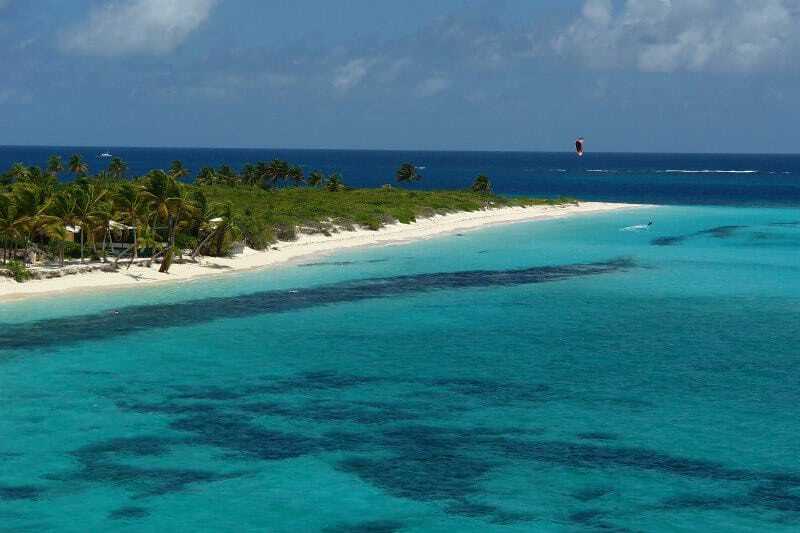
Anguila, una de las islas más pintorescas y relajadas del Caribe, está situada a unas 12 millas al norte de San Martín y es principalmente una elegante zona turística donde los deportes acuáticos son la principal atracción.
Allí podrá practicar vela, esquí acuático, kayak con fondo de cristal y otras actividades.
En isla es famosa por sus música, y hay muchos lugares donde salir a divertirse una noche, tanto si prefiere el reggae como algo más lento como el acústico.
La delincuencia contra los visitantes es muy baja porque los lugareños mantienen un alto nivel de seguridad y toman precauciones. Anguila es, por tanto, una de las islas caribeñas más seguras para vivir.
Como no hay transporte público en Anguila, sus principales preocupaciones al visitarla deben ser evitar ir en temporada de huracanes y comprobar dos veces la tarifa con los taxistas antes de subirse al coche.
13. Martinica
Martinica forma parte de las Antillas Menores y es una isla impresionante y virgen. En Martinica se pueden encontrar aguas azules y cristalinas, cocoteros y terreno volcánico rocoso. Es un lugar con fuertes influencias francesas.
La isla, aunque sin duda famosa por su belleza, también alberga increíbles experiencias culturales y gastronómicas.
Durante su visita a Martinica, puede bucear en Diamond Rock, hacer una excursión al monte Pelee para contemplar unas impresionantes vistas del océano y relajarse en la playa de Les Salines.
Dato de interés: El turista caribeño Índice de calidad nombró a Martinica el destino caribeño más seguro en 2016. En general, Martinica es segura, pero conviene tomar las medidas de seguridad habituales.
Además, se aconseja evitar estar solo en barrios como Fort-de-France después del anochecer porque se han producido atracos en el pasado.
14. Bonaire
Una de las islas ABC es Bonaire, que forma parte de la serie de islas de las Antillas de Sotavento. Aruba y Curaçao, idénticas a ella, son seguras. lugares para jubilarse. Es una de las islas caribeñas más seguras para vivir.
La isla se rige por la legislación neerlandesa como municipio especial de los Países Bajos, y sus residentes tienen derecho a la gratuidad universal. atención sanitaria, acceso a las escuelas públicas y la posibilidad de votar en las elecciones parlamentarias neerlandesas.
Aunque el inglés y el español también se hablan mucho, es lógico que el neerlandés sea la lengua predominante.
La isla también cuenta con policía, bomberos y ambulancias. Hay muy pocos casos de robo y delitos menores, mientras que los delitos violentos son prácticamente inexistentes.
Afortunadamente, Bonaire se encuentra fuera del Callejón de los Huracanes, una región cálida del océano Atlántico propensa a una creciente actividad tormentosa.
Para el ocio, Bonaire ofrece excursiones de submarinismo y buceo en sus arrecifes, que rodean la isla y albergan unos 500 tipos de peces.
El submarinismo es popular en el Parque Nacional Marino de Bonaire, mientras que se pueden encontrar rutas de senderismo y equitación en el Parque Nacional de Washington Slagbaai.
Dado que la isla carece de una infraestructura turística bien desarrollada, es una isla caribeña perfecta para retirarse si desea alejarse de las multitudes y disfrutar de un ritmo de vida más lento.
La capital de Bonaire, Kralendijk, es la más segura lugar para vivir. Los allanamientos de morada, los robos y los delitos violentos no son grandes preocupaciones en la ciudad, que registra unos índices de delincuencia relativamente bajos. tarifas bajas de la delincuencia.
La vibrante arquitectura de la ciudad ofrece una gran variedad de tiendas. El Museo de Bonaire es otro lugar donde se exponen artefactos marinos y arqueológicos. De noviembre a abril, la ciudad también celebra una feria artesanal donde los comerciantes bonairenses pueden vender sus productos.
La capital de Bonaire, Kralendijk, es el lugar más seguro para vivir. Los delitos violentos, los allanamientos y los robos no son grandes preocupaciones en la ciudad, que registra unos índices de delincuencia comparativamente bajos.
La vibrante arquitectura de la ciudad ofrece una gran variedad de tiendas. El Museo de Bonaire es otro lugar donde se exponen artefactos marinos y arqueológicos. De noviembre a abril, la ciudad también celebra una feria artesanal donde los comerciantes bonairenses pueden vender sus productos.
15. Las Islas Vírgenes
En Las Islas Vírgenes son un conjunto de islas e islotes divididos en las Islas Vírgenes y las Islas Vírgenes de Estados Unidos. Como sugiere su nombre, las Islas Vírgenes Británicas son territorio británico, mientras que las Islas Vírgenes estadounidenses pertenecen a Estados Unidos.
En islas de distintos tamaños, se encuentran algunas de las playas más impresionantes y cristalinas del mundo. Cada isla tiene un encanto propio, y varias están situadas cerca unas de otras para que saltar de una a otra resulte sencillo.
St. Croix, St. John y St. Thomas son las tres islas más grandes de las Islas Vírgenes Estadounidenses, y todas ellas ofrecen la más idílica belleza isleña, complejos turísticos y exploración. Las Islas Vírgenes son famosas por su animada vida nocturna y su sentido “americanizado” de la comunidad.
Tórtola, Anegada, Virgen Gorda y Jost Van Dyke son las cuatro islas más grandes de las IVB, respectivamente. Recuerde que se necesita pasaporte para viajar a las Islas Vírgenes Británicas. Las Islas Vírgenes Británicas parecen ofrecer un ambiente más “auténtico”.” isla ambiente porque es un poco más tranquilo, menos desarrollado y más apacible.
Las islas de ambas agrupaciones son tranquilas y, en general, seguras. Basta con tomar las precauciones de seguridad habituales al desplazarse, como no pasear nunca solo de noche, y dejar que un taxista se encargue de conducir por la noche, ya que las carreteras son sinuosas y están mal iluminadas, y los coches circulan por la izquierda.
Reflexiones finales
En Las islas del Caribe son el destino perfecto para cualquier jubilado que busque un trozo de paraíso por sus interminables playas de arena blanca y sus océanos cristalinos.
Las islas y sus habitantes son de una belleza impresionante, a pesar de que algunas zonas de la región están amenazadas por la subida del nivel del mar y la desigualdad económica.
Encontrar la que mejor se adapte a su estilo de vida requiere una investigación exhaustiva. Antes de firmar en la línea de puntos, evalúe el índice de criminalidad, el pasado político y el presente económico de cada isla.
Pronto encontrará su nuevo hogar entre las islas caribeñas más seguras para vivir. Si aún está indeciso, hable con un planificador financiero. Haga clic en aquí saber qué es un planificador financiero.
¿Le duele la indecisión financiera? ¿Quiere invertir con Adam?

Adam es un autor reconocido internacionalmente en temas financieros, con más de 830 millones de respuestas en Quora, un libro muy vendido en Amazon y colaborador de Forbes.