
Como expatriado, contratar un seguro de invalidez para expatriados es un paso crucial para protegerse y proteger su futuro financiero. Tanto si vives en el extranjero temporalmente como si lo has convertido en tu hogar permanente, las discapacidades inesperadas pueden tener un impacto significativo en tu capacidad para obtener ingresos.
En esta completa guía, le explicaremos los pormenores del seguro de invalidez para expatriados con el fin de ayudarle a tomar decisiones con conocimiento de causa y garantizar su seguridad financiera.
Si tiene alguna pregunta o desea invertir o asegurarse como expatriado o particular con un elevado patrimonio neto, puede enviarme un correo electrónico (advice@adamfayed.com) o utilizar estas opciones de contacto.
¿Qué es el seguro de invalidez para expatriados?
El seguro de invalidez para expatriados es una forma especializada de seguro que ofrece protección financiera a los expatriados en caso de que queden incapacitados y no puedan trabajar.
A diferencia de las prestaciones por incapacidad que ofrecen algunos países, que a menudo vienen con limitaciones o pueden no cubrir todas las necesidades de una persona, el seguro de incapacidad para expatriados está diseñado para hacer frente a los retos y riesgos específicos a los que se enfrentan los expatriados. vivir en el extranjero.
El seguro de incapacidad a corto plazo suele cubrir las incapacidades que duran entre unos meses y un año, mientras que el seguro de incapacidad a largo plazo ofrece cobertura para las incapacidades que se prolongan más allá de un año.
Ambos tipos de cobertura son cruciales para los expatriados, ya que protegen frente a una amplia gama de circunstancias imprevistas, como accidentes, enfermedades y dolencias crónicas que podrían afectar a su capacidad para trabajar.
Los expatriados se enfrentan a riesgos distintos debido a factores como vivir en entornos desconocidos, variaciones en los sistemas sanitarios y posibles dificultades para acceder a las prestaciones de la seguridad social o a la asistencia gubernamental.
Al obtener un seguro de invalidez para expatriados, las personas pueden protegerse contra posibles pérdidas de ingresos y asegurarse de que disponen de los recursos financieros necesarios para mantener su calidad de vida.
Evaluar sus necesidades de seguro de invalidez como expatriado
Antes de sumergirse en el mundo del seguro de invalidez para expatriados, es imprescindible evaluar sus necesidades específicas en función de sus circunstancias particulares.
Empiece por evaluar su estilo de vida, ocupación y obligaciones financieras. Considera los riesgos potenciales de vivir en el extranjero, como las diferencias en los sistemas sanitarios, los entornos laborales o los lugares propensos a accidentes.
La edad, el estado de salud y la duración de su estancia en el extranjero son factores esenciales que debe tener en cuenta para determinar el tipo de cobertura que necesita y las primas que pagará.
Por ejemplo, las personas mayores pueden tener necesidades y factores de riesgo diferentes a los de los expatriados más jóvenes. Es importante evaluar la probabilidad de discapacidad en función de factores como su ocupación y la prevalencia de determinadas afecciones médicas en el país de residencia.
La realización de una evaluación exhaustiva de sus necesidades de seguro de incapacidad puede determinar con precisión el importe de cobertura adecuado y las características de la póliza que se ajustan a su situación específica.
Este enfoque proactivo garantiza que esté adecuadamente protegido y preparado para cualquier imprevisto que pueda surgir durante su estancia como expatriado.

Factores que influyen en el seguro de invalidez para expatriados
Varios factores pueden influir en la selección y el coste del seguro de invalidez para expatriados. Tener en cuenta estos factores te ayudará a navegar por el proceso de selección y encontrar la póliza de seguro de incapacidad para expatriados más adecuada que se ajuste a tus necesidades y presupuesto.
Edad
La edad desempeña un papel importante a la hora de determinar las primas del seguro de invalidez para expatriados. Por lo general, cuanto mayor sea una persona, mayor será la prima debido a la mayor probabilidad de desarrollar discapacidades o problemas de salud. Los proveedores de seguros consideran la edad como un factor de riesgo y ajustan la prima en consecuencia.
Ocupación
La ocupación también desempeña un papel fundamental a la hora de evaluar las necesidades del seguro de incapacidad. Ciertas ocupaciones pueden tener mayores riesgos de discapacidad, como los trabajos físicamente exigentes o aquellos con una mayor probabilidad de accidentes o lesiones. Además, algunas profesiones pueden tener requisitos o limitaciones específicos en lo que respecta a la cobertura por incapacidad.
Estado de salud
El estado de salud es otro factor crucial que tienen en cuenta los proveedores de seguros. Los problemas de salud preexistentes pueden influir en las condiciones de cobertura, las primas o incluso la posibilidad de acceder a un seguro de incapacidad. Los proveedores pueden solicitar evaluaciones médicas o revise los historiales médicos para evaluar el estado de salud del solicitante y determinar el nivel de riesgo existente.
Duración de la estancia
La duración de su estancia en el extranjero también es importante. Si piensa vivir en el extranjero temporalmente, puede necesitar una cobertura de incapacidad a corto plazo. Sin embargo, si su traslado es a largo plazo o permanente, la cobertura por incapacidad a largo plazo se convierte en esencial para proporcionarle una protección financiera continua.
País de residencia
El país o la región de residencia pueden afectar a la disponibilidad y el coste del seguro de invalidez. Factores como el sistema sanitario local, las normas de seguridad y el entorno general de riesgo pueden influir en el proceso de suscripción y las opciones de cobertura. Algunas regiones con mayores riesgos pueden tener opciones de cobertura limitadas o primas más elevadas debido a las mayores probabilidades de accidentes o lesiones.
Comparar proveedores de seguros de invalidez para expatriados
Cuando se trata de encontrar el proveedor de seguros de invalidez para expatriados adecuado, es esencial investigar y comparar a fondo.
No todos los proveedores ofrecen el mismo nivel de cobertura, por lo que es crucial evaluar su especialización en la provisión de seguros para expatriados. Siga estos pasos para tomar una decisión informada:
Evaluar la reputación y la fiabilidad
Empiece por buscar aseguradoras reputadas que tengan un historial de cobertura fiable y excelente servicio al cliente. Busque compañías de seguros con una fuerte presencia en el mercado internacional de seguros y con opiniones positivas de clientes expatriados. Tenga en cuenta su estabilidad financiera y su capacidad para satisfacer las reclamaciones con prontitud.
Evalúe las características y condiciones de la póliza
Examine las características, términos y condiciones de la póliza de cada proveedor potencial. Concéntrese en comprender la duración de la cobertura y los periodos de carencia. Algunas pólizas pueden requerir un periodo de carencia antes de que se hagan efectivas las prestaciones, por lo que es fundamental tener en cuenta la duración de este periodo y asegurarse de que se ajusta a sus necesidades.
Además, revise las exclusiones o limitaciones que puedan aplicarse a la póliza. Las exclusiones pueden variar, por lo que es importante entender qué situaciones o condiciones específicas pueden no estar cubiertas. Por ejemplo, algunas actividades de alto riesgo o enfermedades preexistentes pueden estar excluidas.
Estructura y costes de las primas
Evalúe detenidamente la estructura de las primas, las franquicias y los copagos asociados a cada póliza. Las primas pueden variar considerablemente en función de factores como la edad, la profesión, el estado de salud y el importe de la cobertura.
Determine si las primas son fijas o si pueden aumentar con el tiempo.
Tenga en cuenta también las franquicias y los copagos, ya que son las cantidades que tendría que pagar de su bolsillo en caso de siniestro.
Una franquicia más baja puede dar lugar a primas más altas, mientras que una franquicia más alta puede reducir sus primas pero aumentar sus gastos de bolsillo si necesita hacer una reclamación.
Busque asesoramiento profesional
Navegar por las complejidades del seguro de invalidez para expatriados puede ser todo un reto. Considera la posibilidad de consultar con un asesor financiero o un profesional de seguros especializado en seguros para expatriados.
Pueden proporcionarle orientación personalizada basada en sus circunstancias específicas, ayudarle a comparar distintos proveedores y asistirle en la selección de la póliza más adecuada a sus necesidades.

Ampliar la cobertura: Complementar los planes patrocinados por la empresa
Aunque muchos expatriados reciben cobertura por incapacidad a través de sus empresas, es importante evaluar la idoneidad de esta cobertura.
Los planes patrocinados por la empresa pueden tener limitaciones o exclusiones que dejen lagunas en su protección. Para garantizar una cobertura completa, explore otras opciones para complementar el plan de su empresa:
Seguros individuales de invalidez
Considere la posibilidad de obtener una póliza de seguro de incapacidad individual adaptada a sus necesidades. Estas pólizas proporcionan una capa adicional de protección y pueden personalizarse para adaptarse a su situación única como expatriado. Con una póliza individual, tendrá más control sobre el importe de la cobertura, las características de la póliza y las condiciones.
Las pólizas individuales suelen ofrecer más flexibilidad que los planes patrocinados por la empresa, lo que le permite adaptar la cobertura a sus necesidades específicas. También pueden ofrecer prestaciones más completas, incluida la cobertura de incapacidades derivadas de accidentes o afecciones médicas específicas.
Cuando busque pólizas individuales, asegúrese de que ofrecen cobertura para discapacidades a corto y largo plazo, así como para cualquier riesgo específico al que pueda enfrentarse como expatriado.
Pilotos y avales
Para hacer frente a necesidades o riesgos específicos, considere la posibilidad de añadir cláusulas adicionales o suplementos a su póliza de seguro de invalidez.
Estas cláusulas adicionales pueden ampliar la cobertura de su póliza, ofreciendo protección más allá de los términos estándar de la póliza. Por ejemplo, puede añadir una cláusula adicional que cubra las discapacidades derivadas de actividades de alto riesgo, como deportes extremos o viajes de aventura.
Alternativamente, puede considerar añadir una cláusula adicional que cubra las incapacidades derivadas de afecciones médicas específicas, como el cáncer o las enfermedades cardiovasculares. Estas cláusulas añaden tranquilidad al saber que está protegido en situaciones que pueden preocuparle especialmente.
Seguro colectivo de invalidez a través de las asociaciones profesionales
Otra opción para complementar el plan de su empresa es explorar seguro colectivo de invalidez que ofrecen las asociaciones profesionales.
Algunas asociaciones ofrecen planes de seguros colectivos diseñados específicamente para sus miembros, incluidos los expatriados. Estos planes pueden proporcionar acceso a tarifas competitivas y opciones de cobertura completas.
Investigue las asociaciones profesionales de su sector o campo de trabajo para saber si ofrecen seguros colectivos de incapacidad. Evalúa los términos y condiciones del plan colectivo, incluidos los límites de cobertura, los periodos de carencia y las exclusiones o limitaciones que puedan aplicarse.
Afiliarse a una asociación profesional y beneficiarse de su seguro colectivo puede proporcionar protección y tranquilidad añadidas como expatriado.
Proceso de solicitud del seguro de invalidez para expatriados
Al solicitar un seguro de invalidez para expatriados, es esencial estar bien preparado y realizar el proceso de solicitud con eficacia. Siga estos pasos para que su solicitud sea un éxito:
Paso 1: Reunir la documentación e información necesarias
Empiece por reunir toda la documentación e información necesarias para la solicitud. Esto suele incluir:
- Historial médico: Facilite información detallada sobre su estado de salud, enfermedades anteriores, intervenciones quirúrgicas y tratamientos en curso.
- Prueba de ingresos: Presente documentación que demuestre su nivel de ingresos y su capacidad para obtenerlos, como declaraciones de la renta, talones de pago o contratos de trabajo.
- Identificación personal: Prepare copias de su pasaporte, visado o cualquier otro documento de identificación exigido por el proveedor de seguros.
- Documentos adicionales: En función de los requisitos de la aseguradora, es posible que tenga que aportar documentos complementarios, como informes médicos o verificación del empresario.
Paso 2: Cumplimentar los formularios de forma minuciosa y precisa
Tómese su tiempo para rellenar cuidadosamente todos los formularios facilitados por el proveedor de seguros. Asegúrese de que son correctos y facilite información veraz. Los errores u omisiones pueden provocar retrasos o posibles problemas durante el proceso de suscripción.
Paso 3: Preséntelo rápidamente y conserve copias
Una vez cumplimentados los formularios y reunida toda la documentación necesaria, presente su solicitud sin demora. Asegúrese de guardar copias de todos los materiales presentados para su archivo. Le servirán de referencia en caso de discrepancias o futuras consultas.
Paso 4: Consulte con un asesor financiero o un profesional de seguros
Considere la posibilidad de pedir consejo a un asesor financiero o a un profesional de los seguros especializado en seguros de invalidez para expatriados. Pueden ayudarle durante todo el proceso de solicitud, ayudándole a entender los términos y condiciones, respondiendo a cualquier pregunta que pueda tener y ofreciéndole información valiosa basada en su experiencia.
Proceso de solicitud del seguro de invalidez para expatriados
En el desafortunado caso de que quede incapacitado y tenga que presentar una reclamación, es esencial comprender el proceso de reclamación de su póliza de seguro de invalidez para expatriados. A continuación te indicamos los pasos clave que debes seguir para que el proceso de reclamación sea un éxito:
Paso 1: Entender los requisitos de documentación
Familiarícese con la documentación específica exigida por su proveedor de seguros para respaldar su reclamación. Esto suele incluir:
- Formulario de solicitud de invalidez: Rellene el formulario facilitado por la aseguradora, proporcionando información precisa y detallada sobre su incapacidad y su repercusión en su capacidad para trabajar.
- Pruebas médicas: Reúna los informes médicos, los resultados de las pruebas y cualquier otra documentación que justifique su discapacidad y apoye su incapacidad para trabajar.
- Declaración del médico tratante: Solicite a su profesional sanitario que rellene un formulario o escriba una declaración en la que detalle su estado de salud y la incapacidad resultante.
Paso 2: Cumplir los plazos
Tenga en cuenta los plazos especificados en su póliza para presentar una solicitud de indemnización por incapacidad. Cumplir estos plazos es crucial para garantizar que su solicitud se considere válida. No presentar la solicitud en el plazo especificado puede dar lugar a la denegación de las prestaciones.
Paso 3: Comuníquese de forma proactiva con su proveedor de seguros
Mantenga una comunicación proactiva con su proveedor de seguros durante todo el proceso de reclamación. Notifíqueles rápidamente su incapacidad e inicie el procedimiento de reclamación lo antes posible. Responda puntualmente a cualquier solicitud de información o documentación adicional para evitar retrasos innecesarios.
Paso 4: Conserve copias de la correspondencia y la documentación
Cree un archivo para organizar y almacenar toda la correspondencia, formularios de solicitud y documentos justificativos relacionados con su solicitud de incapacidad. Llevar un registro meticuloso te ayudará a mantenerte organizado y a tener pruebas de tus interacciones con el proveedor de seguros.
Paso 5: Abordar los retos o problemas con prontitud
Si se encuentra con algún problema o dificultad durante el proceso de reclamación, como una denegación de prestaciones o desacuerdos sobre la cobertura, solicítelo sin demora.
Entable una comunicación abierta y transparente con su proveedor de seguros, facilitándole cualquier información adicional o aclaración que pueda necesitar. Si es necesario, pide ayuda a un profesional del derecho o a un defensor de los asegurados que pueda guiarte en el proceso de resolución.
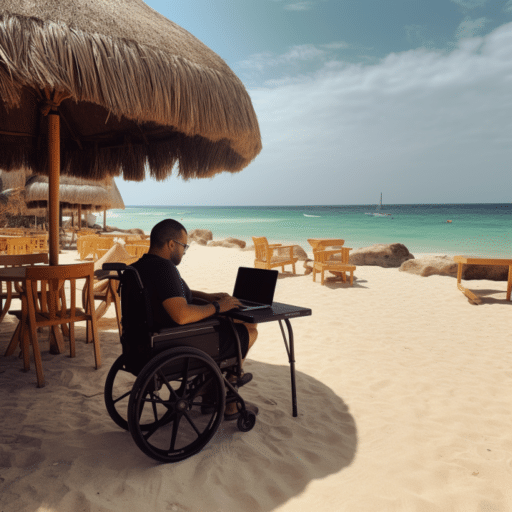
Mantener la cobertura de su seguro de invalidez para expatriados
Una vez obtenida la incapacidad para expatriados seguro, es crucial mantener su cobertura a lo largo del tiempo. La vida está llena de cambios y, como expatriado, puede experimentar diversos hitos o cambios de circunstancias que pueden afectar a sus necesidades de seguro.
Para asegurarse de que su seguro de invalidez sigue protegiéndole adecuadamente a usted y a sus seres queridos, es importante revisar y actualizar periódicamente su cobertura. A continuación te explicamos cómo puedes mantener tu seguro de invalidez para expatriados de forma eficaz:
Evalúe periódicamente sus necesidades de cobertura
Reevaluar periódicamente sus necesidades de cobertura es esencial para asegurarse de que su póliza se ajusta a su situación actual. Los cambios en su vida, como casarse, tener hijos o incluso cambiar de empleo, pueden afectar significativamente a sus necesidades de seguro.
Por ejemplo, si forma una familia, puede que necesite aumentar el importe de la cobertura para tener en cuenta las responsabilidades económicas adicionales. Por otro lado, si se jubila o cambia de profesión, puede que tenga que ajustar su póliza en consecuencia.
Política de revisión Términos y condiciones
Cuando revise su seguro de invalidez para expatriados, examine detenidamente los términos y condiciones de su póliza. Preste atención a la duración de la cobertura, los periodos de carencia y las exclusiones o limitaciones específicas que puedan aplicarse.
Comprender los detalles de su póliza le garantiza que conoce las prestaciones y limitaciones que ofrece. Si tiene alguna duda o pregunta sobre su póliza, póngase en contacto con su proveedor de seguros o asesor financiero para que se la aclaren.
Manténgase informado sobre los cambios en la normativa de seguros
La normativa y los requisitos en materia de seguros pueden cambiar con el tiempo, tanto en su país de origen como en el país en el que reside como expatriado. Es importante mantenerse informado sobre cualquier actualización normativa que pueda afectar a su cobertura de seguro de invalidez para expatriados.
Los cambios en la normativa podrían afectar a su derecho a prestaciones o a las condiciones de su póliza. Manténgase al corriente de estas novedades consultando periódicamente las fuentes oficiales gubernamentales o consultando a expertos locales en seguros.
Comuníquese con su proveedor de seguros o asesor financiero
Mantener líneas abiertas de comunicación con su proveedor de seguros o asesor financiero es crucial para mantener al día su seguro de invalidez para expatriados.
Programe revisiones periódicas de la póliza con su proveedor para comentar cualquier cambio en su situación y evaluar si su cobertura sigue siendo adecuada. Durante estas revisiones, puede explorar posibles ajustes de su póliza y asegurarse de que satisface adecuadamente sus necesidades cambiantes.
Su proveedor de seguros o asesor financiero puede orientarle, responder a sus preguntas y ofrecerle recomendaciones basadas en su experiencia.
Mantenga organizados los documentos importantes
Durante toda la vigencia de su póliza de seguro de invalidez para expatriados, es esencial mantener todos los documentos importantes organizados y fácilmente accesibles.
Conserve copias de sus contratos de póliza, recibos de pago de primas y cualquier correspondencia con su proveedor de seguros.
Esta documentación será valiosa en caso de que necesite consultarla en el futuro, por ejemplo durante el proceso de reclamación o las revisiones de la póliza.
Sea proactivo y actúe
Mantener su cobertura de seguro de invalidez para expatriados requiere un esfuerzo proactivo. Mantente informado sobre los cambios en tus circunstancias, la normativa de seguros y las tendencias del sector.
Revise periódicamente su póliza, evalúe sus necesidades de cobertura y actúe en consecuencia. Si detecta lagunas o deficiencias en su cobertura, no dude en hacer las modificaciones necesarias o explorar opciones de seguro adicionales.
Conclusión
Contratar un seguro de invalidez para expatriados es un paso vital para cualquier expatriado que desee proteger su futuro financiero. Comprender los matices del seguro de invalidez para expatriados y evaluar sus necesidades específicas permite tomar decisiones informadas y elegir la cobertura adecuada.
Investigue a fondo, compare proveedores y familiarícese con la terminología utilizada en las pólizas de seguro de incapacidad. Complemente la cobertura de su empresa si es necesario, navegue por el proceso de solicitud con diligencia y prepárese para el proceso de reclamaciones.
Por último, revise y actualice periódicamente su cobertura para adaptarla a las circunstancias cambiantes. Tomar estas medidas puede ayudarle a salvaguardar su bienestar financiero y a disfrutar de tranquilidad como expatriado.
¿Le duele la indecisión financiera?

Adam es un autor reconocido internacionalmente en temas financieros, con más de 830 millones de respuestas en Quora, un libro muy vendido en Amazon y colaborador de Forbes.



Me han diagnosticado una discapacidad mental. Recibo una pensión de invalidez del gobierno del país en el que vivo. Soy expatriado desde hace 10 años. Sé a ciencia cierta que cumplo los requisitos en EE.UU. (donde soy ciudadano natural). Tengo docenas de cartas de médicos de muchos años. Pero la seguridad social me ha dicho por teléfono que no me deja solicitarla porque no tengo una dirección en Estados Unidos. Sé con certeza, sin lugar a dudas, que esto no tiene sentido. Alguna idea. Pagaría con gusto un porcentaje de honorarios de contingencia para conseguir lo que me corresponde.
Conseguir un seguro de incapacidad una vez que ya se tiene una enfermedad es difícil, puesto que ya es una enfermedad preexistente. Yo intentaría hablar con la aseguradora estadounidense.