Los mejores fondos de inversión en arte son fondos diversificados a escala mundial que reúnen capital para adquirir obras de arte de alta calidad, ofreciendo una gestión profesional y acceso a colecciones seleccionadas.
Permiten a los inversores exponerse a los mercados del arte sin comprar obras físicas.
Este artículo trata:
- ¿Cuál es el mejor arte para invertir?
- ¿Qué son los fondos de inversión y cómo funcionan?
- ¿Cuáles son los aspectos positivos y negativos de las inversiones en arte?
- ¿Qué son los fondos de arte abiertos y cerrados?
Principales conclusiones:
- Los fondos de inversión en arte ofrecen una exposición diversificada y profesional a obras de arte de alta calidad.
- Invertir en arte conlleva un potencial de revalorización a largo plazo, pero también riesgos como la falta de liquidez y las comisiones.
- Los fondos cerrados tienen un capital fijo; los fondos abiertos y perennes ofrecen inversiones más flexibles.
- El conocimiento de los artistas, las tendencias y la estructura de los fondos es crucial para invertir con éxito en arte.
Mis datos de contacto son hello@adamfayed.com y WhatsApp +44-7393-450-837 si tiene alguna pregunta.
La información contenida en este artículo es meramente orientativa. No constituye asesoramiento financiero, jurídico o fiscal, ni una recomendación o solicitud de inversión. Algunos hechos pueden haber cambiado desde el momento de su redacción.

¿Qué son los fondos de inversión en arte?
Los fondos de inversión en arte son fondos gestionados profesionalmente que reúnen el dinero de los inversores para comprar y vender obras de arte.
En lugar de comprar arte físico directamente, los inversores obtienen exposición al mercado del arte a través de una estructura de fondos.
Estos fondos pueden invertir en pinturas, esculturas u otras formas de arte coleccionable y a menudo proporcionan diversificación entre artistas, periodos o estilos.
¿Es el arte una buena inversión?
Invertir en arte puede ser una buena opción para los inversores que buscan diversificación de cartera y activos alternativos.
Históricamente, el arte de alta calidad ha ofrecido una revalorización a largo plazo de alrededor de 4-7% al año, según el segmento y el periodo.
Por ejemplo, arte contemporáneo ha rendido aproximadamente 7,5% anuales de 1985 a 2018, mientras que el mercado del arte en general promedió alrededor de 5,3% anuales.
Las inversiones en arte también están poco correlacionadas con los mercados financieros tradicionales, lo que significa que pueden ayudar a reducir el riesgo global de la cartera cuando se combinan con acciones, bonos o bienes inmuebles.
¿Qué tipo de arte es la mejor inversión?
Los mejores tipos de arte en los que invertir son el arte contemporáneo, los clásicos modernos y los grabados de edición limitada.
El arte contemporáneo de artistas emergentes o en demanda puede generar grandes beneficios si el artista obtiene reconocimiento.
Los clásicos modernos, como las obras del siglo XX de maestros consagrados, tienden a proporcionar estabilidad y valor a largo plazo.
Las piezas de edición limitada y las obras de arte con procedencia o importancia histórica verificadas también conservan su valor y son más fáciles de intercambiar en el mercado.
¿Por qué son importantes los fondos de inversión en arte?
Los fondos de inversión en arte son importantes porque ofrecen a los inversores una forma estructurada, profesional y diversificada de acceder al mercado del arte, que puede ser complejo y difícil de recorrer individualmente.
La mayoría de las obras de arte de alta calidad son caras, carecen de liquidez y su selección, valoración y gestión requieren conocimientos especializados.
Los fondos reúnen recursos de múltiples inversores, lo que permite acceder a colecciones comisariadas de arte contemporáneo y de primer orden que, de otro modo, estarían fuera de nuestro alcance.
Razones clave por las que los fondos de inversión en arte son importantes:
- Conservación profesional: Los gestores de fondos utilizan el conocimiento del mercado y su experiencia para seleccionar obras de arte con un fuerte potencial de crecimiento, reduciendo el riesgo de malas decisiones de inversión.
- Diversificación: Los fondos reparten las inversiones entre varios artistas, periodos y soportes, lo que ayuda a mitigar el impacto de la volatilidad del mercado o de las obras de bajo rendimiento.
- Reducción de las cargas logísticas: Los inversores evitan problemas como el almacenamiento, los seguros, la verificación de la procedencia y el mantenimiento de las obras de arte físicas.
- Acceso a mercados emergentes y establecidos: Los fondos suelen incluir una mezcla de artistas emergentes con gran potencial de crecimiento y maestros consagrados, equilibrando el riesgo y la estabilidad a largo plazo.
- Liquidez y gestión: Algunos fondos, especialmente las plataformas abiertas o de propiedad fraccionaria, facilitan el acceso a la compra o venta de participaciones en comparación con la tenencia directa de obras de arte físicas.
En resumen, los fondos de inversión en arte hacen que la inversión en arte sea accesible, diversificada y gestionada profesionalmente, permitiendo a los inversores participar en la revalorización potencial a largo plazo del arte sin las complicaciones de poseer y gestionar ellos mismos piezas individuales.
¿Cuáles son los fondos de inversión en arte más rentables?
Los fondos de inversión en arte con mejores resultados son los que combinan una selección profesional, carteras diversificadas y acceso a obras de arte de gran demanda, como The Fine Art Group, Masterworks, Yieldstreet y Artemundi.
1. El Grupo Fine Art (Fondos de capital riesgo)
The Fine Art Group es una empresa global que ofrece fondos de arte de capital privado para particulares con grandes patrimonios y family offices, centrándose en obras de arte contemporáneo, moderno y de posguerra.
- Pros: Carteras seleccionadas de alta calidad; acceso a mercados consolidados y emergentes; soluciones de financiación a medida.
- Contras / Consideraciones: Inversiones mínimas elevadas (a menudo millones); largos periodos de inmovilización (3-10 años); liquidez limitada hasta la liquidación del fondo.
2. Obras maestras (Plataforma de Propiedad Fraccionada)
Masterworks permite a los inversores comprar participaciones fraccionarias en obras de arte “blue-chip” de artistas de renombre como Banksy y Picasso, con periodos de tenencia típicos de 3 a 10 años.
- Pros: Reduce la barrera de entrada con participaciones fraccionarias; gestión y tasación profesionales; acceso a obras de arte de gran demanda.
- Contras / Consideraciones: La liquidez depende del mercado secundario; las comisiones por negociación y gestión; los rendimientos dependen del calendario de ventas de obras de arte.
3. Yieldstreet / Athena Art Finance (Fondos de préstamo respaldados por obras de arte)
Yieldstreet, a través de Athena Art Finance, ofrece oportunidades de inversión en préstamos respaldados por obras de arte, en los que los inversores ganan intereses sobre préstamos garantizados por obras de arte valiosas en lugar de poseer el arte directamente.
- Pros: Proporciona ingresos regulares mediante el pago de intereses; diversificación más allá del arte físico; gestión profesional.
- Contras / Consideraciones: No hay propiedad directa del arte; los rendimientos dependen del reembolso del prestatario; exposición limitada a la revalorización a largo plazo.
4. Artemundi (Fondos especializados / oportunistas)
Artemundi gestiona fondos que invierten en obras de arte históricas, modernas y de posguerra, combinando artistas emergentes y consagrados y utilizando tecnología como blockchain para la propiedad fraccionaria.
- Pros: Profunda experiencia en obras de arte de alta calidad; combina potencial de crecimiento con estabilidad; estructuras de inversión innovadoras.
- Contras / Consideraciones: Mínimos elevados y complejidad operativa; la liquidez puede estar restringida en función del tipo de fondo; adecuado sobre todo para inversores acreditados.
¿Cuáles son los ejemplos de fondos de arte cerrados?
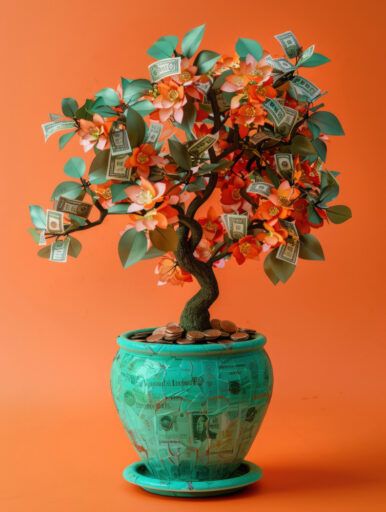
Algunos ejemplos conocidos de fondos de arte cerrados son The Fine Art Fund Group (Reino Unido) y Artemundi Global Fund, que invierten en carteras comisariadas de obras de arte contemporáneo y moderno.
Los fondos de arte cerrados recaudan una cantidad fija de capital y suelen tener un ciclo de vida determinado, devolviendo el capital a los inversores tras la venta de las obras.
Esta estructura proporciona una exposición de arte comisariado sin necesidad de gestionar directamente piezas individuales.
Estos fondos ofrecen diversificación entre artistas y estilos, y acceso a obras de arte de alta calidad que podrían ser difíciles de adquirir para los inversores particulares.
Sin embargo, también tienen limitaciones: los inversores no pueden rescatar su capital antes de la liquidación del fondo, la liquidez es escasa y los rendimientos dependen en gran medida del calendario de ventas de obras de arte y de la demanda del mercado.
Además, las comisiones de gestión y los costes operativos pueden reducir las ganancias netas.
¿Cuál es la diferencia entre los fondos de inversión de capital variable y los de capital permanente?
Los fondos de arte abiertos permiten a los inversores entrar o salir a intervalos programados, con el gestor del fondo ajustando activamente la cartera, mientras que los fondos perennes operan de forma continua, conservando obras de arte a largo plazo y ofreciendo puntos de entrada flexibles.
Los fondos abiertos ofrecen liquidez y una valoración periódica, lo que facilita a los inversores el reembolso de las participaciones, pero los ajustes frecuentes de la cartera pueden acarrear mayores costes de transacción y limitar la exposición a la revalorización a largo plazo.
Los fondos Evergreen, por su parte, ofrecen estabilidad a largo plazo y potencial de crecimiento sostenido, ya que las participaciones se mantienen durante periodos prolongados, pero los reembolsos de los inversores pueden estar restringidos y la liquidez puede ser menor.
¿Qué estructura de fondo de inversión en arte le conviene más?
Los fondos cerrados son los mejores si desea una exposición curada, gestionada profesionalmente y puede comprometer capital durante un periodo fijo, aunque la liquidez es limitada hasta que finaliza el ciclo de vida del fondo.
Los fondos abiertos son adecuados para los inversores que valoran la liquidez periódica y los ajustes de cartera, pero la negociación frecuente puede aumentar los costes y limitar la revalorización a largo plazo.
Los fondos Evergreen ofrecen crecimiento a largo plazo con puntos de entrada flexibles, aunque los reembolsos pueden estar restringidos y la liquidez ser menor en comparación con las estructuras abiertas.
Elegir el fondo adecuado:
- Considere su horizonte de inversión: a corto o a largo plazo.
- Evalúe su tolerancia al riesgo y sus necesidades de liquidez.
- Decida el segmento artístico (contemporáneo emergente, clásicos modernos, ediciones limitadas).
- Revise las comisiones, la transparencia y el historial del fondo antes de comprometer capital.
Combinar sus objetivos con el tipo de fondo le permite invertir en arte de forma que se ajuste tanto a sus objetivos financieros como a su interés por el mercado, al tiempo que reconoce los riesgos inherentes.
¿Cuáles son los pros y los contras de invertir en arte?
Las principales ventajas de invertir en arte son la diversificación de la cartera, la revalorización potencial a largo plazo y el acceso a expertos en conservación, mientras que los principales inconvenientes son la falta de liquidez, los elevados costes y la volatilidad del mercado.
Pros:
- Diversificación de la cartera fuera de los mercados tradicionales - El valor de las obras de arte se mueve a menudo con independencia de las acciones y los bonos, lo que contribuye a reducir el riesgo global de la cartera.
- Potencial de revalorización del capital a largo plazo - Las obras de arte de alta calidad de artistas consagrados o emergentes pueden revalorizarse considerablemente a lo largo de años o décadas.
- Acceso a los conocimientos de expertos y a colecciones especializadas - Los fondos de inversión y los conservadores profesionales ofrecen orientación sobre la selección, la valoración y las tendencias del mercado, algo que a los inversores particulares les puede resultar difícil gestionar solos.
Contras:
- Illiquidez, que dificulta la venta rápida - Las ventas de arte suelen requerir tiempo y las condiciones del mercado deben ser favorables para realizar el valor.
- Comisiones y gastos de gestión elevados - Los fondos artísticos cobran comisiones de gestión y operativas, lo que puede reducir la rentabilidad neta.
- Volatilidad del mercado y valoración subjetiva - Los precios pueden fluctuar en función de las tendencias, la popularidad de los artistas o la evolución de los gustos, y las valoraciones suelen basarse en la opinión de expertos y no en fórmulas fijas.
¿Quién es el mejor artista para invertir ahora mismo?
Aunque no hay un único artista al que señalar, destacan algunos nombres, como Yayoi Kusama, François-Xavier Lalanne y Jean-Michel Basquiat, basándose en los resultados de subastas recientes, la demanda de los coleccionistas y las tendencias históricas del mercado.
Artistas de primera fila que suscitan actualmente un gran interés en el mercado:
- Yayoi Kusama - En 2024 fue la artista contemporánea más vendida en todo el mundo, generando alrededor de $58,8 millones de dólares en ventas en subastas.
- François-Xavier Lalanne - Consiguió unos US$52,8 millones en las subastas de 2024, lo que refleja el creciente interés por sus obras escultóricas.
- Jean-Michel Basquiat - Sigue siendo un artista de primera línea muy solicitado, con un gran rendimiento histórico en las subastas.
Por qué estos artistas son dignos de mención:
- Demuestran una demanda y una liquidez sostenidas en comparación con artistas menos conocidos.
- Representan segmentos diferentes: artistas contemporáneos vivos (Kusama, Lalanne) e iconos de la posguerra y la modernidad (Basquiat), y ofrecen opciones para perfiles de riesgo y rentabilidad diversos.
Consideraciones importantes:
- El rendimiento de las subastas puede fluctuar de un año a otro; las ventas elevadas de un año no garantizan rendimientos futuros.
- Los costes de entrada suelen ser elevados, sobre todo en el caso de obras de primera categoría o muy solicitadas.
- Los factores individuales de cada pieza -proveniencia, condición, medio y momento- influyen mucho en los resultados de la inversión.
Conclusión
Invertir en arte a través de fondos gestionados profesionalmente ofrece una manera de acceder a obras de arte de alta calidad y comisariadas sin tener que manejar directamente piezas individuales.
Aunque estos fondos pueden proporcionar diversificación, crecimiento potencial a largo plazo y exposición tanto a artistas emergentes como consagrados, conllevan retos como la falta de liquidez, las comisiones y la volatilidad del mercado.
Seleccionar el fondo adecuado y comprender a los artistas y los segmentos artísticos implicados es esencial para alinear su inversión con los objetivos financieros y los intereses personales.
La inversión en arte sigue siendo una clase de activos especializados y alternativos que recompensa a los inversores informados y pacientes.
Preguntas frecuentes
¿Qué es la regla 7% en inversión?
La norma 7% puede referirse a diferentes pautas de inversión en función del contexto:
-Objetivo de crecimiento a largo plazo: Algunos inversores aspiran a una rentabilidad anual en torno al 7%, incluyendo activos alternativos como el arte o el renta variable, para superar la inflación y aumentar la riqueza de forma constante.
-Pauta de ahorro: Los planificadores financieros suelen recomendar ahorrar alrededor del 7% de los ingresos brutos como punto de partida para crear un patrimonio constante.
-Enfoque de stop-loss: Los operadores activos pueden vender una inversión si cae aproximadamente 7%-8% por debajo del precio de compra para limitar las pérdidas y eliminar el sesgo emocional, aunque esto es menos relevante para las estrategias a largo plazo.
¿Cuáles son los mejores tipos de fondos para invertir?
Los mejores tipos de fondos suelen ser los fondos de inversión diversificados, fondos índice, y fondos cotizados (ETF) que ofrecen una amplia exposición al mercado.
Otras opciones sólidas son los fondos cerrados o los fondos gestionados activamente con un historial probado y un rendimiento constante.
La clave está en elegir fondos que se ajusten a su tolerancia al riesgo, su horizonte de inversión y sus objetivos financieros.
¿Por qué los multimillonarios invierten en arte?
Los multimillonarios invierten en arte para diversificar su cartera, preservar su patrimonio, adquirir estatus y revalorizarse a largo plazo fuera de los mercados tradicionales.
¿Cuánto vale la colección de arte de JP Morgan?
En general, se calcula que la colección de arte de JP Morgan vale cientos de millones de dólares, y algunos informes la valoran en unos $900 millones.
La colección abarca obras históricas y contemporáneas acumuladas durante décadas, lo que la convierte en uno de los fondos privados de arte más importantes del mundo.
¿Le duele la indecisión financiera?

Adam es un autor reconocido internacionalmente en temas financieros, con más de 830 millones de respuestas en Quora, un libro muy vendido en Amazon y colaborador de Forbes.