For expats in Africa, the continent offers a wealth of possibilities, from vibrant cultures and stunning natural landscapes to growing economies and diverse job markets.
However, with so many options to choose from, it can be challenging to decide which country is the best fit for your individual needs and preferences.
This blog will help you explore the best countries to live in for expats in África and provide valuable information and a better understanding of living on the continent.
Si desea invertir como expatriado o particular con un alto patrimonio neto, que es en lo que estoy especializado, puede enviarme un correo electrónico (advice@adamfayed.com) o utilizar WhatsApp (+44-7393-450-837).
What are the five best countries to live in for expats in Africa?
Based on factors such as quality of life, job opportunities, cost of living, safety, and cultural richness, the following countries are often cited as top choices for expats:
Sudáfrica
With its diverse population, vibrant cities, stunning landscapes, and robust economy, South Africa is a popular destination for expats. The country offers a range of job opportunities, excellent healthcare, and a relatively low cost of living.
Marruecos
Located in North Africa, Morocco boasts a rich cultural heritage, a mild climate, and a low cost of living. The country is also home to a growing expat community, particularly in the cities of Marrakech, Casablanca, and Rabat.
Ghana
Known for its warm hospitality, peaceful atmosphere, and growing economy, Ghana is a popular destination for expats looking for a more laid-back lifestyle. The country offers a range of job opportunities, affordable healthcare, and a relatively low cost of living.
Kenia
With its stunning landscapes, diverse wildlife, and growing economy, Kenya is a top choice for expats looking for adventure and job opportunities. The country offers excellent healthcare, affordable housing, and a vibrant expat community.
Tanzania
Located in East Africa, Tanzania is home to some of the continent’s most iconic natural wonders, such as Mount Kilimanjaro and the Serengeti. The country also boasts a low cost of living, a relatively stable political climate, and a growing expat community in cities such as Dar es Salaam and Arusha.
What factors were considered when choosing the the best countries to live in for expats in Africa?
When choosing the mejores países para vivir for expats in Africa, several factors were taken into consideration. These factors include:
- Quality of life: This encompasses access to quality healthcare, low crime rates, good infrastructure, and a welcoming environment for foreigners.
- Job opportunities: This refers to the availability of job opportunities for expats in various industries, including IT, finance, engineering, and healthcare.
- Coste de la vida: This includes the cost of housing, food, transportation, and other essential expenses. Low living costs allow expats to stretch their income and live comfortably.
- Culture and lifestyle: This includes the local culture, language, and customs, as well as the availability of leisure and entertainment options.
- Safety and security: This refers to each country’s political stability and crime rates.
- Climate and environment: This encompasses weather patterns, natural scenery, and access to outdoor activities.
- Visa and immigration requirements: This includes the ease of obtaining a visa or work permit for expats.
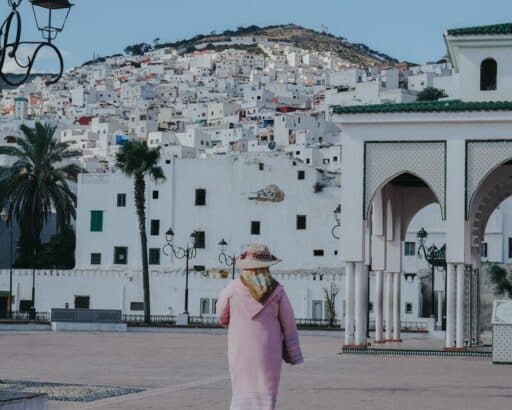
Morocco is one of the best countries to live in for expats in Africa. Photo by badr mourafiq
What are the visa requirements for expats in each of the best African countries?
The visa requirements for expats in each of the best African countries vary, but generally speaking, most African countries require expats to obtain a visa and/or work permit before they can live and work legally in the country.
Here’s a brief overview of the visa requirements for expats in the top five best countries to live in for expats in Africa:
- Sudáfrica: Expats will need a work visa to work in South Africa. To obtain a work visa, expats will need a job offer from a South African employer and meet certain criteria. The employer must prove they could not fill the position with a South African citizen or permanent resident.
- Marruecos: Expats will need a residence permit to live and work in Morocco. Expats will need a work contract and a residence visa to obtain a residence permit. The visa can be obtained from the Moroccan embassy or consulate in their home country.
- Ghana: Expats will need a work permit to work in Ghana. To obtain a work permit, expats must first obtain a residence permit. The employer in Ghana must sponsor the work permit and provide proof that a Ghanaian citizen could not fill the position.
- Kenia: Expats will need a work permit to work in Kenya. To obtain a work permit, expats must have a job offer and meet certain qualifications. The employer in Kenya must sponsor the work permit.
- Tanzania: Expats will need a work permit to work in Tanzania. To obtain a work permit, expats must first obtain a residence permit. The employer in Tanzania must sponsor the work permit and provide proof that a Tanzanian citizen could not fill the position.
What is the cost of living in each of the five countries?
The cost of living in each of the five best countries to live in for expats in Africa varies depending on various factors such as location, lifestyle, and personal preferences.
Generally speaking, South Africa has a higher cost of living compared to other African countries, but it still offers a relatively affordable standard of living.
The cost of living in Morocco is relatively low, especially in smaller cities and towns, but can be higher in larger cities such as Casablanca and Marrakech.
Ghana offers a low cost of living, particularly outside of the capital, Accra. Kenya’s cost of living is also relatively low, with affordable housing, food, and transportation options.
Tanzania offers a low cost of living, particularly in rural areas, but can be higher in larger cities such as Dar es Salaam.
Compared to other African countries, the cost of living in these five countries is generally lower than in North African countries such as Egypt, Tunisia, and Algeria.
However, it is higher than in some other sub-Saharan African countries, such as Uganda, Rwanda, and Ethiopia.
Expats should keep in mind that the cost of living can vary greatly depending on the specific location, so it’s important to do thorough research before moving to any of these countries.
Overall, the cost of living in these countries can be affordable for expats, particularly when compared to many other parts of the world.
How is the job market in each of the five best countries for expats in Africa?
The job market in each of the five best countries for expats in Africa varies depending on the industry and the specific location.
South Africa has the largest and most diverse economy on the continent, with job opportunities in various sectors such as finance, IT, engineering, and healthcare.
Morocco has a growing economy and is investing heavily in infrastructure, making it an attractive destination for expats with skills in these areas.
Ghana is a relatively stable and growing economy, with agriculture, mining, and energy opportunities.
Kenya has a relatively strong economy with opportunities in the technology, tourism, and agriculture sectors.
Tanzania’s economy is also growing, with agriculture, mining, and tourism opportunities.
Compared to other parts of the world, the job market in these countries may not offer the same level of compensation or benefits, but there are still opportunities for expats to find fulfilling careers.
Expats who have skills and experience in industries that are in demand in these countries may find it easier to secure a job.
It’s important to note that the job market in each country is highly competitive, and expats may face challenges such as language barriers and cultural differences.
However, expats can find rewarding careers in these countries with the right qualifications and a positive attitude.

Nairobi is one of the popular cities for expats in Kenya. Photo by Antony Trivet
What are the best neighborhoods or cities to live in for expats in each of the five countries?
The best neighborhoods or cities to live in for expats in the top five best countries in Africa vary depending on individual preferences, lifestyle, and budget.
Here’s a brief overview of some of the best neighborhoods or cities to live in for expats in each of the countries:
- Sudáfrica: Cape Town, Johannesburg, and Durban are popular cities for expats, with neighborhoods such as Camps Bay, De Waterkant, and Sandton being popular due to their central location, safety, and amenities.
- Marruecos: Marrakech, Casablanca, and Rabat are popular cities for expats, with neighborhoods such as Gueliz, Ain Diab, and Agdal being popular due to their cosmopolitan feel, safety, and proximity to amenities.
- Ghana: Accra, Kumasi, and Takoradi are popular cities for expats, with neighborhoods such as Cantonments, East Legon, and Labone being popular due to their safety, amenities, and proximity to international schools.
- Kenia: Nairobi, Mombasa, and Kisumu are popular cities for expats, with neighborhoods such as Westlands, Karen, and Lavington being popular due to their safety, amenities, and proximity to international schools.
- Tanzania: Dar es Salaam, Arusha, and Zanzibar are popular cities for expats, with neighborhoods such as Masaki, Oysterbay, and City Centre being popular due to their safety, amenities, and proximity to international schools.
What are the taxation and financial regulations for expats in each of the five countries?
The taxation and financial regulations for expats in each of the five best countries for expats in Africa vary, but generally speaking, expats are required to pay taxes on their income in the country where they are living and working.
In South Africa, expats are taxed on their worldwide income, and the tax rates vary depending on income levels. In Morocco, expats are taxed on their income earned in Morocco, and the tax rates are progressive.
In Ghana, expats are also taxed on their income earned in Ghana, and the tax rates range from 0% to 35%. In Kenya, expats are taxed on their income earned in Kenya, and the tax rates range from 10% to 30%.
In Tanzania, expats are taxed on their income earned in Tanzania, and the tax rates range from 0% to 30%.
Expats may also be subject to other financial regulations, such as restrictions on transferring money out of the country, opening bank accounts, or investing in local businesses.
In some countries, expats may need to obtain a residency permit or work permit before they can open a bank account or invest in local businesses.
It’s important for expats to consult with a financial advisor or tax specialist in their home country and in the country where they plan to live to ensure they are in compliance with all regulations and laws.
What is the culture like in each of the five countries?
The culture in each of the five best countries for expats in Africa is diverse and rich, with each country having its unique traditions, customs, and way of life.
South Africa is a melting pot of cultures, with a diverse population that includes people of African, Indian, and European descent. The country is known for its vibrant arts and music scene, as well as its love of sports such as rugby and soccer.
Morocco has a rich Islamic and Berber cultural heritage, with cuisine, architecture, and traditional dress that reflect these influences.
Ghana is well-known for its generous hospitality and welcoming attitude toward visitors, and its past as a major hub of the transatlantic slave trade has had a significant impact on the country’s culture. Kenya is home to over 40 different ethnic groups, each with its unique traditions and customs, and is known for its wildlife, outdoor activities, and vibrant nightlife.
Tanzania is known for its stunning natural landscapes, including Mount Kilimanjaro and the Serengeti, and its rich cultural heritage includes the Maasai people and their traditions.
These countries are generally welcoming to expats, and most have a growing expat community. However, expats should respect local customs and traditions, particularly regarding dress, language, and social norms.
Language can be a barrier for expats in some countries, particularly in rural areas, but many people in these countries speak English as a second language.
How is the safety and security situation in each of the five countries?
The safety and security situation in each of the five best countries for expats in Africa varies depending on the location and individual circumstances.
South Africa has a relatively high crime rate, particularly in urban areas such as Johannesburg and Cape Town, with incidents of violent crime such as carjackings and robberies. However, expats who take basic safety precautions, such as avoiding walking alone at night and not displaying valuables in public, can minimize their risk.
Morocco has a relatively low crime rate, but expats should be aware of the potential for petty crimes such as pickpocketing and scams targeting tourists.
Ghana has a relatively low crime rate, but expats should be aware of the potential for fraud and scams.
Kenya has experienced security challenges in recent years, particularly in areas such as Nairobi and along the coast, with incidents of terrorism and violent crime.
Tanzania has a relatively low crime rate, but expats should know the potential for petty crime in tourist areas.
It’s important for expats to stay informed about the security situation in the countries where they live and work and to take appropriate precautions.
Many companies and organizations have security protocols in place for expats, including transportation and housing arrangements.

Tanzania is known for its rich cultural heritage including the Maasai people and their traditions. Photo by Kilinge Adventures
What are the common challenges expats face in each of the five countries?
Expats face common challenges in each of the five best countries to live in Africa, including language barriers, cultural differences, and navigating the local bureaucracy.
Here are some of the common challenges expats face in each of the countries and some tips on how to overcome them:
- Sudáfrica: Expats may face challenges with crime, particularly in urban areas. To overcome this, expats should take basic safety precautions such as avoiding walking alone at night and not displaying valuables in public. Expats may also face language barriers in some areas, particularly outside the major cities. Learning basic Afrikaans or Zulu can help expats communicate more effectively with locals.
- Marruecos: Expats may face bureaucracy challenges, particularly when obtaining visas and residency permits. Hiring a local lawyer or immigration specialist can help expats navigate the process. Expats may also face language barriers, particularly outside major tourist areas. Learning basic Arabic or French can help expats communicate more effectively with locals.
- Ghana: Expats may need help with the availability and quality of healthcare, particularly in rural areas. Expats should research the best hospitals and clinics in their area and consider investing in private health insurance. Expats may also face cultural differences, particularly regarding social norms and etiquette. Taking the time to learn about Ghanaian culture and customs can help expats integrate more effectively.
- Kenia: Expats may face challenges with security, particularly in urban areas. Expats should take basic safety precautions, such as avoiding walking alone at night and not displaying valuables in public. Expats may also face language barriers, particularly outside major tourist areas. Learning some basic Swahili can help expats communicate more effectively with locals.
- Tanzania: Expats may face challenges in finding suitable housing, navigating the healthcare system, and adjusting to the local culture. To overcome these challenges, expats should work with a local real estate agent to find suitable housing, learn about the local healthcare system, and find a reputable doctor or hospital. They should also be prepared to adjust to the slower pace of life and embrace the local culture.
Overall, expats who are open-minded, adaptable, and willing to learn about local customs and traditions can overcome these challenges and have a rewarding experience in these countries.
Joining expat groups or organizations can also help expats connect with other expats and get advice on navigating the local culture and bureaucracy.
Adam es un autor reconocido internacionalmente en temas financieros, con más de 830 millones de respuestas en Quora, un libro muy vendido en Amazon y colaborador de Forbes.