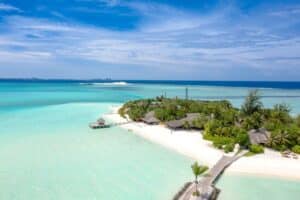
Knowing which Caribbean island speaks the best English has become an important consideration for many as the Caribbean region continues to grow in popularity as a travel destination and business hub.
In this blog, we’ll explore the importance of English proficiency in the Caribbean and highlight the islands that are known for their strong English-speaking abilities.
What are the factors that contribute to an island’s level of English proficiency?
There are several factors that can contribute to an island’s level of English proficiency, and understanding these factors can help to shed light on why certain Caribbean island speaks the best English than others.
First and foremost, the island’s history of colonization and idioma policies can play a significant role.
For example, islands that were colonized by the British or have a long history of British influence are more likely to have a strong English-speaking ability, as English has been the dominant language for centuries.
Another key factor is education, as a strong educational system can help to foster English language proficiency.
Islands that prioritize English education and have a robust system in place for teaching the language are more likely to have a high level of English proficiency among their population.
In addition, exposure to English through tourism and international business can also contribute to an island’s English proficiency.
It’s important to note, however, that while these factors can certainly contribute to an island’s English-speaking ability, there are also many individual differences among people and communities that can impact language proficiency.
For example, socioeconomic factors, language policies, and cultural attitudes toward English can all play a role in how well an individual or comunidad speaks English.
Ultimately, a combination of historical, educational, and sociocultural factors can help to explain why certain Caribbean islands may have a stronger English-speaking ability than others.

Knowing which Caribbean island speaks the best English has become an important consideration for many. Photo by Pixabay
How does the level of English proficiency in the Caribbean compare to other regions in the world?
The level of English proficiency in the Caribbean is generally quite high when compared to other regions in the world.
This is due in part to the long history of British colonization and influence in the region, which has led to English becoming the dominant language in many Caribbean countries.
Additionally, many Caribbean countries rely heavily on tourism and international business, which has led to a greater need for English language proficiency among the population
Según la EF English Proficiency Index, which ranks countries and regions based on their level of English proficiency, the Caribbean as a whole ranks relatively high.
The most recent index ranked the Caribbean region as a whole as having “high proficiency,” with an average score of 57.49 out of 100. This places the region ahead of other regions such as Latin America, the Middle East, and Asia.
However, it’s worth noting that there is significant variation in English proficiency levels among individual Caribbean countries.
Some islands, such as Barbados and Trinidad and Tobago, have particularly high levels of English proficiency and are known for their clear and easy-to-understand English accents.
Other islands, particularly those with a stronger French or Spanish influence, may have lower levels of English proficiency.
Which Caribbean island speaks the best English?
The Caribbean is a diverse region, and English is spoken to varying degrees across the many islands.
That being said, if we were to identify an island that is particularly well-known for its English-speaking ability, it would likely be Barbados.
Barbados is an island nation in the Lesser Antilles, and English is the official language. The island has a long history of British influence and was a British colony until 1966.
As a result, English is widely spoken and understood, and the accent is typically quite clear and easy to understand for English speakers.
Additionally, the island places a strong emphasis on education, and English is taught in schools from an early age.
Of course, it’s worth noting that there are many other islands in the Caribbean that have high levels of English proficiency, and the specific island that is best for a particular person or purpose may vary.
However, if you’re looking for an island with a particularly strong reputation for English language proficiency, Barbados is a great choice.
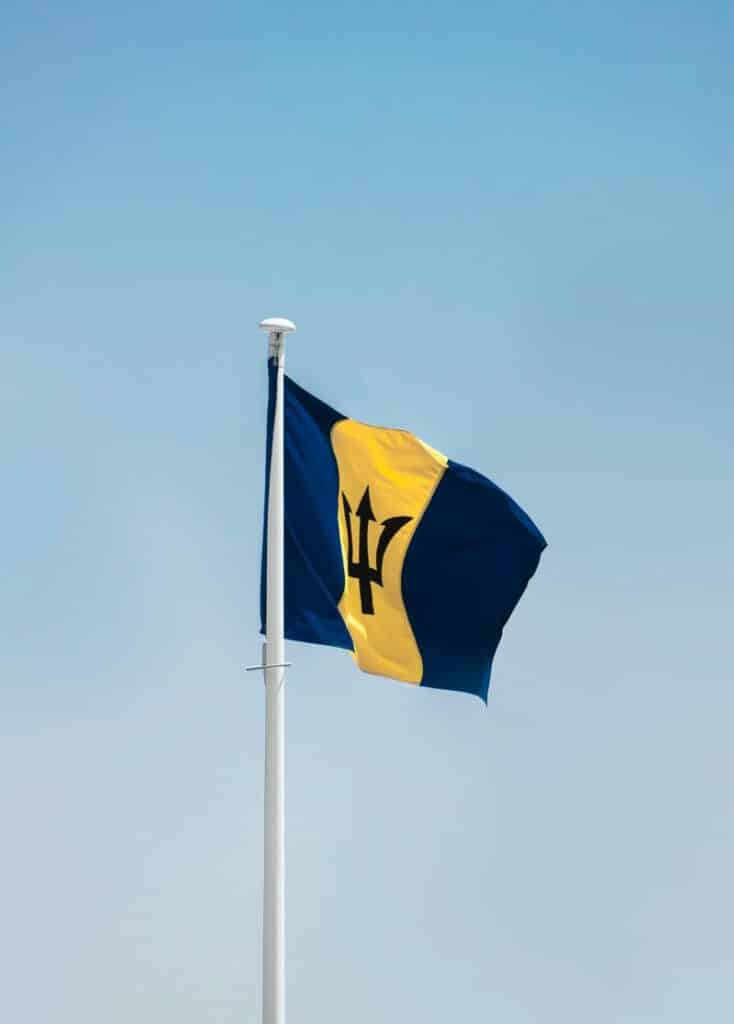
Barbados is the Caribbean island that speaks the best English. Photo by aboodi vesakaran
What other languages are spoken in the Caribbean?
Yes, there are several other languages commonly spoken in the Caribbean, in addition to English.
These include Spanish, French, Dutch, and Creole languages such as Haitian Creole and Jamaican Patois.
Spanish is spoken in many Caribbean countries, particularly in the Dominican Republic, Cuba, and Puerto Rico.
In some cases, Spanish may even be more widely spoken than English, particularly in areas with large Hispanic populations.
French is spoken in several Caribbean countries, including Haiti, Martinique, and Guadeloupe. In these areas, French is often the dominant language, and it may be spoken more widely than English.
Dutch is spoken in several Caribbean islands that are part of the Kingdom of the Netherlands, including Aruba, Bonaire, Curacao, Saba, Sint Eustatius, and Sint Maarten.
In these areas, Dutch is the official language, although English may also be spoken.
Finally, many Caribbean islands have their own unique Creole languages, which have developed over time as a result of the blending of different languages and cultures.
These languages are often based on English, French, or Spanish, but they may also incorporate elements of African languages and other local languages.
Examples of Creole languages spoken in the Caribbean include Jamaican Patois, Haitian Creole, and Trinidadian Creole.
How do Caribbean English accents differ from other English accents?
Caribbean English accents can vary depending on the island and the individual, but there are some general characteristics that distinguish them from other English accents.
One notable feature of Caribbean English accents is their rhythm and intonation.
Caribbean English speakers tend to speak with a more relaxed and musical cadence, with a greater emphasis on the rhythm of the language. This can result in a more melodic and flowing sound that is distinct from other English accents.
Another notable feature of Caribbean English accents is the pronunciation of certain sounds.
For example, many Caribbean English speakers tend to pronounce “th” sounds as “d” or “t”, so that “this” may sound like “dis” and “that” may sound like “dat”. This is known as th-stopping, and it is a common feature of many Caribbean English accents.
In addition, Caribbean English accents may incorporate elements of local languages and dialects, particularly in areas where Creole languages are spoken.
This can result in a unique blend of English and local linguistic features that may be difficult for non-native speakers to understand.
What are some common English words or phrases used in the Caribbean that may be unfamiliar to non-native speakers?
There are several common English words and phrases used in the Caribbean that may be unfamiliar to non-native speakers. Here are a few examples:
- “Lime” – to hang out or socialize with friends
- “Wining” – to dance in a way that involves moving the hips in a circular motion
- “Bacchanal” – a party or event that involves a lot of drinking and revelry
- “Batty” – buttocks (Note: This term is considered vulgar in some contexts)
- “Irie” – a Rastafarian term meaning “good” or “cool”
- “Gyal” – a term for a young woman or girl
- “Mash up” – to break or destroy something
- “Pickney” – a child or young person
- “Patois” – a Creole language spoken in the Caribbean
- “Small up” – to make space for someone or something
It’s worth noting that the usage and meaning of these terms may vary depending on the specific island and context, and that there are many other words and phrases used in the Caribbean that may be unfamiliar to non-native speakers.
However, learning some of these common terms can help non-native speakers to better understand and communicate with locals in the Caribe.
Which Caribbean island has the strongest British influence on its English language?
Several Caribbean islands have a strong British influence on their English language, but one that stands out is Barbados.
Barbados was a British colony for over 300 years, and English is the official language of the island.
As a result, the English spoken in Barbados is often described as having a strong British influence, particularly in terms of pronunciation and vocabulary.
In addition, many aspects of Barbadian culture, such as cricket and afternoon tea, reflect the island’s British heritage.
The island also has a number of historic sites and landmarks that showcase its colonial past, including the Garrison Savannah and the Parliament Buildings in Bridgetown.
Which Caribbean island has the most diverse range of languages spoken?
Haiti is often considered to have the most diverse range of languages spoken in the Caribbean.
In addition to French and Haitian Creole, which are the official languages of the country, there are also several other languages spoken by smaller populations.
These include Spanish, English, and various Creole languages spoken by minority communities.
In addition, Haiti has a long history of African cultural and linguistic influences, particularly due to its history of slavery.
Many Haitians speak African languages such as Fon, Ewe, and Yoruba, which have been preserved through cultural and religious practices.

To know which Caribbean island speaks the best English, you will need to examine the history of each island and the culture they were able to build and preserve to this day. Photo by Priscilla Du Preez en Unsplash
Are there any specific cultural customs or nuances to be aware of when communicating in English in the Caribbean?
Yes, there are some specific cultural customs and nuances to be aware of when communicating in English in the Caribbean. Here are a few key points to keep in mind:
Use formal titles
In many Caribbean countries, it is customary to use formal titles such as Mr., Mrs., and Miss when addressing someone, particularly in business settings. This shows respect and is an important aspect of Caribbean etiquette.
Embrace small talk
In the Caribbean, small talk is often seen as an important aspect of building relationships and establishing rapport. Don’t be surprised if people ask you about your family, your hobbies, or other personal topics in the course of the conversation.
Pay attention to nonverbal cues
In Caribbean culture, nonverbal cues such as body language, facial expressions, and tone of voice can be just as important as the words being spoken. Pay attention to these cues to better understand the meaning behind what is being said.
Show respect for elders
Respect for elders is an important aspect of Caribbean culture. If you are speaking with someone who is older or in a position of authority, it is important to show deference and respect.
Avoid confrontational language
In Caribbean culture, confrontation is generally avoided, and it is considered impolite to be overly direct or confrontational in conversation. Use diplomatic language and avoid being too forceful or aggressive in your tone.
How do Caribbean locals view English-speaking tourists, and how do they interact with them?
Caribbean locals generally view English-speaking tourists positively, as tourism is a major source of income for many islands in the region.
Tourists are typically welcomed and treated with hospitality and respect, particularly in areas where tourism is a major industry.
That being said, there are some cultural differences between the Caribbean and other regions that may impact the way locals interact with English-speaking tourists.
For example, Caribbean culture tends to place a greater emphasis on building personal relationships and establishing rapport before getting down to business.
This may mean that conversations with locals may begin with small talk or other informal topics before moving on to business matters.
In addition, Caribbean culture tends to be more laid-back and relaxed than some other cultures, particularly in terms of time management
This means that locals may not always adhere to strict schedules or deadlines, which may be frustrating or confusing for tourists who are used to more structured environments.
How important is English proficiency in the Caribbean for education, business, and other aspects of daily life?
English proficiency is extremely important in the Caribbean for education, business, and other aspects of daily life. Here are a few key reasons why:
Educación
English is the primary language of instruction in many Caribbean countries, particularly at the secondary and tertiary levels. This means that students who are not proficient in English may struggle to succeed academically and may be at a disadvantage in the job market.
Business
English is the international language of business, and proficiency in English is a key asset for professionals in the Caribbean who are looking to succeed in the global market. Many multinational companies have operations in the Caribbean, and the ability to communicate effectively in English is often essential for success in these companies.
Turismo
The Caribbean is a major tourist destination, and English is the most commonly spoken language among tourists. This means that locals who work in the tourism industry, such as hotel staff, tour guides, and restaurant workers, need to be proficient in English in order to provide high-quality service to tourists.
Communication
English is also important for everyday communication in the Caribbean, particularly in areas where there are many different languages spoken. Proficiency in English can help individuals to communicate more effectively with people from different backgrounds and cultures.
Conclusión
The Caribbean’s unique blend of language and culture makes it a fascinating and dynamic region to explore for those interested in language learning and cross-cultural communication.
Regardless of the specific island, English proficiency is essential for success in many aspects of life in the Caribbean, including education, business, tourism, and everyday communication.
¿Le duele la indecisión financiera?

Adam es un autor reconocido internacionalmente en temas financieros, con más de 830 millones de respuestas en Quora, un libro muy vendido en Amazon y colaborador de Forbes.