Getting money out of Lebanon can be a challenging task for many people, but it is a crucial step for those who need to support themselves and their families or make investments abroad.
With the current economic and financial situation in Lebanon, it is more important than ever to know the safe and secure methods for transferring funds out of the country.
The purpose of this blog is to provide readers with comprehensive information and useful tips on the various methods available for getting money out of Lebanon, so that they can make informed decisions and avoid any potential risks or pitfalls.
By understanding the options and procedures involved in transferring money out of Lebanon, readers can ensure that their funds reach their intended destination quickly, securely, and without any unnecessary fees or delays.
Si desea invertir como expatriado o particular con un alto patrimonio neto, que es en lo que estoy especializado, puede enviarme un correo electrónico (advice@adamfayed.com) o utilizar WhatsApp (+44-7393-450-837).
The facts might have changed since we wrote this article.
What are the current restrictions on transferring money out of Lebanon?
There were several restrictions in place on transferring money out of Lebanon due to the country’s ongoing financial crisis.
Lebanese banks were enforcing strict withdrawal limits and were not allowing customers to transfer money abroad without special permission.
Additionally, the Lebanese pound had devalued significantly against major currencies, leading to difficulties in obtaining foreign currency.
The government had also introduced new regulations requiring individuals to provide additional documentation and justifications for transferring money out of the country.
These restrictions were aimed at preserving Lebanon’s dwindling foreign currency reserves and preventing capital flight, but they also made it difficult for individuals and businesses to access their funds and conduct transactions abroad.
It’s important to note that the situation in Lebanon is constantly evolving, so it’s crucial to stay up-to-date on the latest regulations and restrictions when attempting to transfer money out of the country.
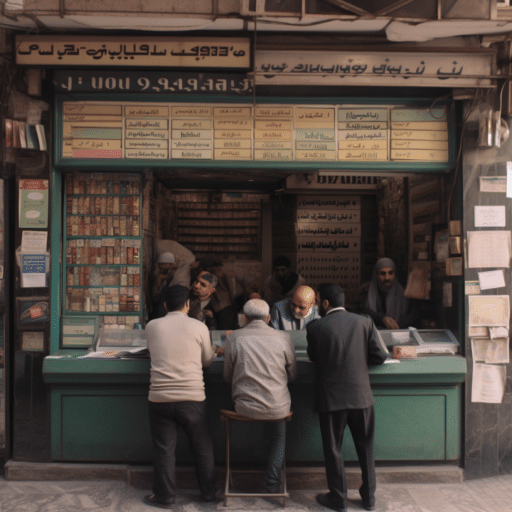
Choose a reputable money transfer service for sending money out of Lebanon.
What are the five safest methods for transferring money out of Lebanon?
There are several safe and secure methods for transferring money out of Lebanon. Here are five of the safest options:
Wire transfers
Wire transfers are a common method for transferring money out of Lebanon. You can initiate a wire transfer through your bank, which will then send the funds to your recipient’s bank account. Wire transfers are considered secure because they are typically processed through the SWIFT network, which uses high-level encryption to protect your information.
Money transfer services
Online money transfer services, such as Western Union or MoneyGram, are also a safe option for transferring money out of Lebanon. These services allow you to send money to a recipient in another country quickly and securely, and they typically have strong security measures in place to protect your financial information.
Cryptocurrency
Cryptocurrency, such as Bitcoin or Ethereum, can be used to transfer money out of Lebanon. This method is considered safe because the transactions are processed through blockchain technology, which uses advanced encryption to protect your information.
With that being said, they are often volatile so not safe as an investment.
Foreign exchange brokers
Foreign exchange brokers can help you transfer money out of Lebanon by exchanging your Lebanese pounds for another currency, such as US dollars or euros. These brokers can offer competitive exchange rates and secure transactions.
Cash couriers
While not as common, using a cash courier service can also be a safe option for transferring money out of Lebanon. These services typically involve physically transporting cash to your recipient in another country, and they often have strong security measures in place to protect your money during transport.
How do I choose a reputable money transfer service for sending money out of Lebanon?
Choosing a reputable money transfer service for sending money out of Lebanon can be a daunting task, given the many options available.
However, there are several factors you can consider to help you make an informed decision.
First, look for a service that is licensed and regulated by a recognized authority, such as the Central Bank of Lebanon. This can help ensure that the service is legitimate and operates in accordance with established regulations and standards.
Next, consider the fees and exchange rates offered by the service. Look for a provider that offers competitive rates and transparent fee structures, so you can get the most value for your money.
Additionally, make sure the service provides clear and detailed information about the transaction process, including any associated fees and processing times.
It’s also important to read reviews and testimonials from other users to get a sense of the service’s reputation and track record.
Look for a provider with a history of positive customer experiences, and be wary of any service with a significant number of negative reviews or complaints.
Finally, consider the security measures in place to protect your personal and financial information. Look for a service that uses advanced encryption and other security measures to keep your data safe, and avoid any provider that appears to have lax security protocols or a history of data breaches.
What documents do I need to provide when transferring money out of Lebanon?
When transferring money out of Lebanon, you will typically need to provide certain documents to comply with local regulations and ensure the legality of the transaction.
Here are some of the most common documents required for transferring money out of Lebanon:
- Identification: You will need to provide valid identification documents, such as a passport or national ID card, to verify your identity and comply with anti-money laundering regulations.
- Proof of address: You may also need to provide proof of your address, such as a utility bill or rental agreement, to verify your residence and comply with local regulations.
- Source of funds: You may be required to provide documentation showing the source of the funds you are transferring, such as bank statements or tax returns, to ensure that the funds are legitimate and comply with local regulations.
- Purpose of transfer: You may need to provide documentation showing the purpose of the transfer, such as an invoice or contract, to ensure that the funds are being used for a legitimate purpose and comply with local regulations.
- Bank account information: You will need to provide the recipient’s bank account information, including their name, account number, and routing number or SWIFT code, to ensure that the funds are transferred to the correct account.
What are the fees involved in transferring money out of Lebanon, and how can I avoid them?
When transferring money out of Lebanon, there are typically fees associated with the transaction. These fees can vary depending on the method of transfer, the amount being transferred, and the destination country.
Here are some common fees you may encounter when transferring money out of Lebanon:
- Bank fees: If you are transferring money through a bank, you may be charged fees for the transfer, as well as fees for currency conversion and other related services.
- Tasas de transferencia: Money transfer services, such as Western Union or MoneyGram, may charge fees for the transfer, as well as fees for currency conversion and other related services.
- Exchange rate fees: When exchanging Lebanese pounds for another currency, you may encounter fees for the exchange rate, which can vary depending on the provider and the current market conditions.
- Recipient fees: The recipient of the transfer may also be charged fees by their bank or financial institution, which can reduce the amount of money they receive.
To avoid or minimize these fees, it’s important to compare your options and choose a provider that offers competitive rates and transparent fee structures.
Additionally, you can consider transferring larger amounts at once, as some providers may offer lower fees for larger transactions. You may also be able to save on fees by choosing a provider that offers promotions or discounts for first-time users or repeat customers.
Finally, be sure to read the terms and conditions carefully to understand all fees associated with the transfer and to avoid any unexpected costs.
How do I ensure that my personal information is secure when transferring money out of Lebanon?
Ensuring the security of your personal and financial information is crucial when transferring money out of Lebanon. Here are some tips to help you keep your information secure:
- Choose a reputable provider: Look for a provider that has a strong reputation for security and privacy, and that uses advanced encryption and other security measures to protect your information.
- Use a secure network: When transferring money online, make sure you are using a secure network, such as a private Wi-Fi network, to reduce the risk of hacking or interception.
- Keep your information private: Be careful not to share your personal or financial information with anyone who does not need it, and avoid sharing sensitive information over unsecured networks or channels.
- Check for SSL encryption: Look for the “https” prefix in the website address or a padlock icon in the address bar of your browser to ensure that the website is using SSL encryption, which helps protect your information from interception.
- Use strong passwords: Choose strong, unique passwords for your accounts, and avoid using the same password for multiple accounts. Consider using a password manager to help you create and manage secure passwords.
- Monitor your accounts: Regularly monitor your bank and financial accounts for any suspicious activity, and report any unauthorized transactions or activity immediately to your provider.

You should be aware of anti-money laundering laws and regulations before transferring money out of Lebanon.
Are there any legal considerations that I should be aware of when transferring money out of Lebanon?
Yes, there are several legal considerations that you should be aware of when transferring money out of Lebanon. Here are some of the most important ones:
- Compliance with local regulations: You should ensure that your transfer complies with local regulations and requirements, including any restrictions on the amount of money that can be transferred and any documentation or information that must be provided.
- Anti-money laundering laws: You should be aware of anti-money laundering laws and regulations, which are designed to prevent the transfer of illegal funds or the financing of criminal activities. You may be required to provide documentation or information to demonstrate the legitimacy of your funds and the purpose of your transfer.
- Tax laws: You should be aware of the tax implications of transferring money out of Lebanon, including any taxes that may be due on the funds being transferred or on any income or gains generated from the transfer.
- Currency exchange laws: You should be aware of currency exchange laws and regulations, which may require you to obtain permission or licenses to exchange currency or transfer funds out of the country.
- International laws: If you are transferring money to another country, you should be aware of any international laws or regulations that may apply, including sanctions or restrictions on transferring funds to certain countries or individuals.
How long does it usually take for money to be transferred out of Lebanon?
The amount of time it takes for money to be transferred out of Lebanon can vary depending on several factors, such as the method of transfer, the amount being transferred, and the destination country.
Generally, wire transfers and online money transfer services can take between one to five business days to complete, while transfers through a foreign exchange broker can take longer, up to several weeks.
However, the process can sometimes be expedited for an additional fee or if the transfer is considered urgent.
To expedite the process of transferring money out of Lebanon, you can consider choosing a provider that offers express or same-day transfers, or using a cash courier service that physically transports the funds to the recipient.
However, these services may come with higher fees, so it’s important to compare your options and understand the costs involved.
Additionally, it’s important to ensure that you have provided all necessary documentation and information to the provider to avoid any delays or complications in the transfer process.
Are there any special considerations I should keep in mind when transferring large sums of money out of Lebanon?
Yes, there are several special considerations to keep in mind when transferring large sums of money out of Lebanon. Here are some of the most important ones:
- Bank withdrawal limits: Lebanese banks have imposed strict withdrawal limits, which can make it difficult to transfer large sums of money out of the country. You should check with your bank to understand the specific limits that apply to your account and plan accordingly.
- Documentation requirements: When transferring large sums of money, you may be required to provide additional documentation or information to verify the source of the funds and the purpose of the transfer. This can include bank statements, tax returns, and invoices, among other documents.
- Exchange rates: When exchanging Lebanese pounds for another currency, exchange rates can fluctuate rapidly and significantly, which can impact the amount of money you receive. It’s important to monitor exchange rates closely and consider using a foreign exchange broker to secure a favorable rate.
- Tasas: Providers may charge higher fees for transferring larger sums of money, which can significantly impact the total cost of the transfer. You should compare fees from different providers and consider negotiating a lower rate for larger transactions.
- Seguridad: Transferring large sums of money can increase the risk of fraud or theft. You should take steps to ensure that your personal and financial information is secure, such as using a reputable provider with strong security measures in place and monitoring your accounts closely for any suspicious activity.
Can I transfer money out of Lebanon without having a bank account there?
Yes, it is possible to transfer money out of Lebanon without having a bank account there.
There are several money transfer services that allow you to send money abroad without a bank account, such as Western Union, MoneyGram, or TransferWise. These services typically allow you to send money using a debit or credit card or by depositing cash at a participating location.
However, it’s important to note that using these services can come with higher fees and lower exchange rates compared to bank transfers.
Additionally, you may be required to provide additional documentation or information to comply with local regulations, such as proof of identity and the purpose of the transfer.
If you are planning to transfer money out of Lebanon without a bank account, it’s important to research your options and compare fees and exchange rates from different providers.
You should also ensure that you are complying with all local regulations and requirements and that your personal and financial information is kept secure throughout the transfer process.
¿Le duele la indecisión financiera?

Adam es un autor reconocido internacionalmente en temas financieros, con más de 830 millones de respuestas en Quora, un libro muy vendido en Amazon y colaborador de Forbes.