Are you looking for a lucrative real estate investment opportunity? Consider the Philippines. With its growing economy, affordable property prices, and favorable rental yields, the Philippines is emerging as a top destination for property investors.
The country’s booming tourism industry, the rapid expansion of BPO (business process outsourcing) companies, and the increasing inflow of foreign investments are driving the demand for real estate.
Whether you’re interested in residential properties, commercial spaces, or vacation rentals, the Philippines offers a wide range of options to suit various investment preferences and budgets.
From bustling metropolitan cities like Manila to up-and-coming areas like Cebu and Davao, there are plenty of hotspots that promise a substantial return on investment.
Additionally, the ease of doing business in the Philippines, supported by government incentives and a well-regulated real estate market, further enhances the attractiveness of investing in this vibrant archipelago.
But, before diving in, it’s essential to understand the intricacies of the local market, navigate legalities, and determine the most promising locations for investment.
In this article, we will explore the potential benefits and risks of investing in property in the Philippines, helping you make an informed decision on whether this is the right investment opportunity for you.
Si desea invertir como expatriado o particular con un alto patrimonio neto, que es en lo que estoy especializado, puede enviarme un correo electrónico (advice@adamfayed.com) o utilizar WhatsApp (+44-7393-450-837).
Pros and cons of investing in property in the Philippines
Investing in property in the Philippines has its advantages and disadvantages. Let’s start with the pros.
One of the primary benefits is the country’s growing economy. The Philippines has been experiencing steady economic growth, which has positively impacted the real estate market. As the economy expands, the demand for properties increases, potentially leading to capital appreciation and rental income.
Another advantage is the affordability of property prices. Compared to other countries in the region, such as Singapore or Hong Kong, property prices in the Philippines are relatively lower.
This affordability allows investors to enter the market with a smaller capital outlay, making it more accessible for those with limited funds.
Additionally, the rental yields in the Philippines are attractive. With the increasing number of tourists and expatriates, there is a strong demand for rental properties. This demand, coupled with affordable property prices, can result in favorable rental income for investors.
However, there are also some cons to consider. One challenge is the bureaucracy and legal complexities involved in property transactions.
Navigating through the Philippine legal system can be time-consuming and complicated, especially for foreign investors. It is crucial to work with reputable local real estate professionals and seek legal advice to ensure a smooth and secure investment process.
Another potential downside is the volatility of the real estate market. While the Philippines offers great oportunidades de inversión, the market can be subject to fluctuations.

Economic factors, political instability, and changes in the regulatory environment can impact property prices and rental yields. Investors should be prepared for market uncertainties and have a long-term investment strategy in place.
In summary, investing in property in the Philippines has its pros and cons. The growing economy, affordable property prices, and attractive rental yields make it an appealing investment destination.
However, navigating the legal complexities and market volatility require careful consideration and proper planning.
Factors to consider before investing in property in the Philippines
Before investing in property in the Philippines, it is essential to consider several factors to ensure a successful investment. Here are some key considerations:
- Market Research: Conduct thorough research on the local real estate market in the Philippines. Understand the current trends, demand-supply dynamics, and projected growth in the areas you are interested in. This will help you make informed decisions about the location and type of property to invest in.
- Location: Choose the right location for your investment. Consider factors such as proximity to transportation, amenities, schools, and employment centers. Different areas in the Philippines offer unique opportunities and potential for growth. Assess the potential for capital appreciation and rental income based on the location’s development plans and infrastructure projects.
- Property Type: Determine the type of property that aligns with your investment goals. Residential properties, commercial spaces, and vacation rentals each have their own advantages and considerations. Assess the market demand and rental potential for the property type you are interested in.
- Property Management: Consider how you will manage your investment property. If you are investing from overseas, it is crucial to have a reliable property management team in place. They will handle tenant screening, rent collection, maintenance, and other property-related tasks on your behalf.
- Financing Options: Evaluate your financing options. Understand the local banking system, loan requirements, interest rates, and terms. Consider whether you will be financing the investment with a local loan or using your own funds. It is advisable to consult with financial experts to determine the most suitable financing strategy for your investment.
- Taxation and Legal Considerations: Familiarize yourself with the local taxation laws and regulations pertaining to property investment. Understand the tax implications, property ownership restrictions for foreign investors, and other legal requirements. Engage a reputable lawyer experienced in real estate transactions to guide you through the legal process and ensure compliance.
By carefully considering these factors, you can minimize risks and maximize the potential benefits of your property investment in the Philippines.
Types of properties available for investment in the Philippines
The Philippines offers a wide range of property options for investors. Whether you are interested in residential properties, commercial spaces, or vacation rentals, there are numerous opportunities to suit your investment preferences. Let’s explore the different types of properties available:
- Residential Properties: Residential properties are in high demand in the Philippines, driven by the growing population and urbanization. Condominiums, townhouses, and single-family homes are popular options for investors. Condos, in particular, offer attractive rental yields, especially in major cities like Manila, Cebu, and Davao. The increasing number of young professionals and expatriates seeking convenient and modern living spaces contributes to the demand for residential properties.
- Commercial Spaces: Investing in commercial spaces can be a lucrative opportunity in the Philippines. Retail spaces, office buildings, and mixed-use developments are in demand, particularly in business districts and commercial hubs. The country’s expanding BPO industry and the presence of multinational companies create a strong demand for office spaces. Retail spaces in prime locations also offer excellent potential for rental income.
- Vacation Rentals: The Philippines is known for its stunning beaches and tourist destinations, making vacation rentals a popular investment choice. Condos and beachfront properties in popular tourist spots like Boracay, Palawan, and Batangas can generate attractive rental income, especially during peak seasons. With the rise of online platforms like Airbnb, vacation rentals have become an increasingly viable investment option for property investors.
- Land: Investing in land can be a long-term strategy in the Philippines. As the country continues to develop, land prices in strategic locations have the potential for significant appreciation. Land can be used for various purposes, including residential, commercial, or agricultural development. However, it is essential to conduct thorough due diligence and understand the zoning regulations and development plans before investing in land.
When considering the type of property to invest in, it is crucial to assess the market demand, rental potential, location, and your investment goals. Each property type has its own advantages and considerations, so choose the option that aligns with your investment strategy and risk tolerance.
Popular cities for property investment in the Philippines
The Philippines offers several cities that are considered hotspots for property investment. These cities provide attractive opportunities for capital appreciation, rental income, and overall return on investment. Let’s explore some of the popular cities in the Philippines for property investment:
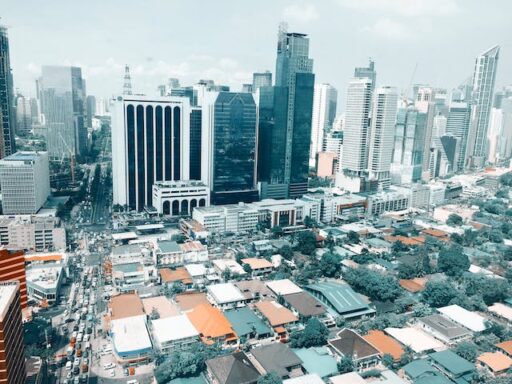
- Manila: The capital city of the Philippines, Manila, is a bustling metropolitan area with a diverse real estate market. It offers a wide range of investment options, from residential condominiums in the central business districts to commercial spaces in emerging business hubs. Manila’s vibrant economy, growing population, and continuous development make it an attractive destination for property investors.
- Cebu: Cebu City, located in the Visayas region, is a rapidly growing city and a major economic center outside of Manila. It offers a thriving real estate market with a mix of residential, commercial, and industrial properties. Cebu’s strategic location, well-established infrastructure, and strong tourism industry contribute to its appeal for property investment.
- Davao: Davao City, located in Mindanao, is another emerging city in the Philippines with great potential for property investment. It is known for its business-friendly environment, natural attractions, and the presence of multinational companies. Davao offers a range of investment options, including residential condominiums, commercial spaces, and industrial properties.
- Tagaytay: Tagaytay City, located just a few hours away from Manila, is a popular tourist destination known for its cool climate and scenic views. It offers a unique opportunity for property investment, particularly in vacation rentals and residential properties. Tagaytay’s proximity to Manila, coupled with its natural beauty, makes it an attractive choice for those looking for a weekend getaway or retirement destination.
- Baguio: Located in the northern part of Luzon, Baguio City is known as the “Summer Capital of the Philippines.” It offers a cooler climate and beautiful landscapes, making it a popular vacation destination. Property investment opportunities in Baguio include vacation rentals, residential properties, and commercial spaces catering to the tourism industry.
While these cities are considered hotspots for property investment, it’s essential to conduct thorough market research and assess the specific opportunities and risks associated with each location.
Factors such as population growth, infrastructure development, economic stability, and tourism trends should be considered when evaluating the investment potential of a city.
Regulations and legal considerations for property investment in the Philippines
Investing in property in the Philippines requires adherence to specific regulations and legal considerations. Understanding the legal framework is crucial to ensure a secure and successful investment. Here are some key regulations and legal considerations to be aware of:
- Ownership Restrictions: Foreign individuals or entities are generally prohibited from owning land in the Philippines, except in certain cases such as through inheritance or by setting up a Philippine corporation. However, foreign investors can acquire condominium units or lease land for a maximum of 50 years, with an option to renew for another 25 years.
- Title Verification: Before purchasing a property, it is crucial to conduct a thorough title verification process to ensure its authenticity and legality. Engage the services of a reputable lawyer or a title company to assist with the due diligence process. Verify the ownership history, encumbrances, and any pending legal issues related to the property.
- Property Taxes: Property taxes in the Philippines include real property tax, transfer tax, and capital gains tax. Familiarize yourself with the tax rates, exemptions, and filing requirements. Consult with a tax professional to ensure compliance and optimize your tax planning strategy.
- Contracts and Agreements: When entering into a property transaction, it is essential to have a written contract or agreement to protect your rights and interests. Engage a lawyer experienced in real estate transactions to revise and draft the necessary legal documents, such as the deed of sale, lease agreements, or contracts with property developers.
- Real Estate Brokers: When working with real estate brokers or agents, ensure that they are licensed by the Professional Regulation Commission (PRC). Licensed brokers are regulated by the PRC and are required to adhere to professional ethics and standards.
- Homeowners’ Associations: If you are investing in a condominium or residential property within a subdivision, there may be a homeowners’ association (HOA) in place. Understand the HOA rules, regulations, and fees. HOAs play a significant role in maintaining the property and ensuring a harmonious living environment.
- Construction Permits: If you plan to construct or renovate a property, it is essential to obtain the necessary construction permits from the local government unit (LGU). Compliance with building codes, zoning regulations, and environmental laws is necessary to avoid penalties and legal issues.
It is advisable to seek professional advice from lawyers, real estate experts, and accountants familiar with the local regulations. They can guide you through the legal process, ensure compliance, and protect your investment interests.
Financing options for property investment in the Philippines
When investing in property in the Philippines, you have several financing options to consider. Whether you are a local or foreign investor, understanding the financing landscape will help you make informed decisions. Here are some common financing options:
- Bank Loans: Local banks in the Philippines offer mortgage loans for property purchase. Banks typically finance up to 70-80% of the property value, depending on the borrower’s eligibility and creditworthiness. The loan terms, interest rates, and repayment periods vary among banks, so it’s important to compare offers from different institutions.
- Developer Financing: Some property developers in the Philippines offer in-house financing options to buyers. These financing schemes may have more flexible terms and lower requirements compared to traditional bank loans. However, it’s important to carefully review the terms and conditions, including interest rates and penalties, before opting for developer financing.
- Pag-IBIG Fund: The Pag-IBIG Fund (Home Development Mutual Fund) is a government agency that provides housing loans to its members. Filipino citizens and overseas Filipino workers (OFWs) can become members of the Pag-IBIG Fund and avail of its housing loan programs. The loan terms, interest rates, and eligibility criteria are determined by the Pag-IBIG Fund.
- Seller Financing: In certain cases, property sellers may offer financing options to buyers. This arrangement allows buyers to make installment payments directly to the seller over an agreed period of time. Seller financing can be a viable option, especially when traditional financing is not readily available or when the buyer and seller agree on favorable terms.
- Foreign Financing: Foreign investors may explore financing options available in their home countries or through international banks. Some international banks provide loans for property investments in the Philippines, subject to their own eligibility criteria and terms. It is advisable to consult with financial institutions familiar with cross-border financing for property investments.
When considering financing options, it is important to assess your financial capacity, repayment capabilities, and risk tolerance. Compare the terms and conditions of different financing options, including interest rates, fees, and repayment schedules. Consult with financial advisors and loan experts to determine the most suitable financing strategy for your investment.
Conclusión
Investing in property in the Filipinas presents a promising opportunity for individuals seeking to grow their wealth. The country’s favorable demographics, strong economic growth, and attractive government policies contribute to the robust potential of the Filipino real estate market.
While foreigners are prohibited from owning land in the Philippines, they can legally own a residence by purchasing a condominium, entering into a long-term lease agreement, or acquiring property through a corporation.
Location plays a crucial role in property investment. Major cities in the Philippines offer a range of amenities but also come with the challenges of traffic and crowds.
On the other hand, smaller towns provide a more peaceful lifestyle. It is important to consider personal preferences and long-term goals when choosing the location of the property. Proximity to amenities, green spaces, and the neighborhood’s status are key factors that impact property valuations.
Additionally, assessing the long-term outlook for the area and reviewing the ownership and intended usage of surrounding areas can provide valuable insights into the property’s potential for appreciation.
Thorough research and a clear investment purpose are essential before making any investment decisions. Conducting on-site inspections and considering any fees or shared amenities associated with the property are crucial steps to ensure a wise investment.
Evaluating property valuations using methods such as the sales comparison approach, cost approach, and income approach can aid in making informed decisions [3]. It is important to have a clear understanding of the investment horizon and purpose, whether it be for self-use, leasing, short-term selling, or long-term selling.
To maximize returns, it is vital to consider the potential rental income and expenses associated with the property. Developing projections for rental income, intrinsic value appreciation, and other expenses can help determine the feasibility of the investment.
Positive cash flow is a key factor in achieving a good rate of return. Careful consideration should be given to leverage, as high levels of debt can pose risks to real estate projects. Understanding the terms, conditions, and charges levied by lenders is crucial when selecting a mortgage that aligns with one’s financial situation.
In conclusion, investing in property in the Philippines can be a lucrative opportunity for long-term wealth accumulation. The country’s strong economic growth, favorable government policies, and increasing demand for real estate contribute to its investment potential.
However, conducting thorough research, seeking professional advice, and assessing risks are vital steps to ensure a successful investment. Factors such as location, market trends, and potential rental income should be carefully considered to maximize returns.
With proper planning and a long-term perspective, investing in property in the Philippines can lead to substantial financial rewards and wealth accumulation.
¿Le duele la indecisión financiera?

Adam es un autor reconocido internacionalmente en temas financieros, con más de 830 millones de respuestas en Quora, un libro muy vendido en Amazon y colaborador de Forbes.