Lea este artículo para saber cómo jubilarse en Japón. Sin embargo, antes de empaquetar sus pertenencias, considere la posibilidad de trabajar con un asesor financiero si tiene pensado vivir en Japón.
Si tiene alguna pregunta o desea invertir como expatriado o particular con un elevado patrimonio neto, puede enviarme un correo electrónico (advice@adamfayed.com) o utilizar estas opciones de contacto.
Introducción
Japan is famous for its bullet trains, incredible food, and some of the world’s cleanest, litter-free neighborhoods. Overall, the country is a lovely location to visit and live. Aside from its stunning surroundings, there are several reasons why individuals prefer to retire in Japan. If you’ve always wanted to retire to a beautiful country with an abundance of wonderful food, Japan may be the ideal retirement location for you.
¿Por qué jubilarse en Japón?
Japan is one of the world’s most popular vacation spots. Every year, millions of people come to enjoy the exquisite cuisine, unique customs, and modern culture. Having said that, to retire in Japan is not the same as to visit as a tourist. So, what is life in the Land of the Rising Sun truly like?
The country has traditionally been at the forefront of technological development, resulting in a workforce that is both contemporary and well-educated. When you finally have a job, you’ll realize how efficient everything is. Outside of work, you’ll notice a thriving cultural environment, ranging from Osaka’s pulsing nightlife to Shibuya’s cutting-edge fashion. Japan is a diverse country to live in.
That isn’t to suggest it doesn’t have its drawbacks. Work-life balance isn’t even a concept in Japan, with many people actually pushing themselves to death. It is also home to some of the world’s most densely inhabited cities. Living in Japan takes a great deal of emotional fortitude.
Obtaining a Japanese Visa
Japón es un punto turístico muy conocido. Los turistas de Estados Unidos pueden entrar fácilmente en Japón. Los estadounidenses pueden viajar a Japón sin visado y permanecer hasta 90 días sin visado, con el estatus de Visitante Temporal. Aunque se trata de un visado de una sola entrada, los viajeros pueden solicitarlo para dos viajes en el plazo de seis meses si lo desean.
Si quiere quedarse más de 90 días, debe obtener un visado de cónyuge o un visado de trabajo. Para ello debe casarse con un ciudadano japonés o trabajar en Japón.
The ultimate route to obtaining a permanent residence visa takes years. To begin, you must enter the country on one-year visas for three years. You will then be eligible to apply for a long-term visa. This visa necessitates a Ministry of Justice Certificate of Eligibility. You must fulfill certain Immigration Control Act standards in order to obtain this certificate.
El visado de larga duración será válido durante otros tres años. Podrá solicitar la residencia permanente japonesa al cabo de seis años. Para demostrar que dominas el japonés y tienes un profundo conocimiento de la cultura japonesa, deberás someterte a un proceso de pruebas.
Housing Cost in Japan
According to Numbeo statistics from March 2022, Japan has an incredibly high cost of living. The overall cost of living in the US is 6.11 percent cheaper than in Japan. Housing expenses in Japan, on the other hand, are around 40% lower than in the US.
The national average rent for a one-bedroom apartment in Japan’s city center is $726 per month. A similar apartment would cost around $1,376 per month in the United States. Furthermore, a one-bedroom apartment in downtown Tokyo, for example, costs around $1,226 per month. In contrast, a one-bedroom apartment in Manhattan costs roughly $3,344 on average. Outside of the city core, a similar flat in Tokyo would cost around $677, and in New York, approximately $2,268. Despite the relative worth of Tokyo’s housing expenses, the city remains one of the most expensive cities in the world.
Rent is substantially lower in Japan than in the US, so you may enjoy a comparable lifestyle for less. The cost of consumer products is likewise lower in Japan than in the US, thus your entire lifestyle will be less costly in Japan than in America.
Obligaciones fiscales en Japón
In Japan, obtaining a permanent resident visa or a long-term visa is extremely tough. If you do receive one of these visas, though, you will be liable to taxes. You will only pay taxes on income generated in Japan if you are a non-resident with a one-year visa. In contrast, if you are a non-permanent resident who has been in Japan for not more than five years, you will be taxed on all of your income excluding overseas money that is not transmitted to Japan. You must pay taxes on all income generated in Japan and overseas if you are a permanent resident.
As a resident of the United States, you will be required to file taxes in the United States each year. You must also declare any international bank accounts. If you make money outside of the United States, you can use different provisions to lower your taxable income in the United States. These include, among other things, the foreign tax credit, the foreign earned income exclusion, and the foreign housing exclusion. If you want to anticipate your tax burden more precisely, you should speak with a tax specialist who is knowledgeable with both US and Japanese tax rules.
Healthcare System in Japan
The World Health Organization routinely ranks Japan’s public healthcare system among the top 10 in the world. This rating is based on financial efficiency, responsiveness, quality, and fairness. The government covers over 70% of citizens’ healthcare bills, with the government paying much more for low-income inhabitants. People contribute to this system through their taxes.

Toda persona que resida legalmente en Japón desde hace más de un año puede inscribirse en los programas del Seguro Nacional de Salud o del Seguro de Salud de los Empleados. Cuando tiene seguro, sólo tiene que pagar 30% de sus facturas hospitalarias. Las citas, las visitas al hospital y los medicamentos están cubiertos como gastos médicos.
Make Sure You Have Insurance for Living in Japan
Japan, despite its massive population, is a relatively secure country. Because the majority of residents have a good standard of living, crime is quite low. Having said that, it does happen from time to time. You’re undoubtedly also aware of Japan’s track record when it comes to natural catastrophes. Earthquakes and typhoons create headlines all across the world on a regular basis. You must have a solid insurance plan for this.
Safety and Security in Japan
La delincuencia en Japón es bastante baja. Los carteristas y otras formas de delincuencia menor ocurren en zonas concurridas, como en cualquier lugar. En general, la calidad de los alimentos en Japón es excelente, y el riesgo de enfermedades alimentarias es muy bajo.
Japón es vulnerable a catástrofes naturales como los terremotos. Aunque no son habituales, es fundamental saber que ocurren. En Japón, el fuego es la segunda catástrofe natural más peligrosa, sobre todo durante un terremoto.
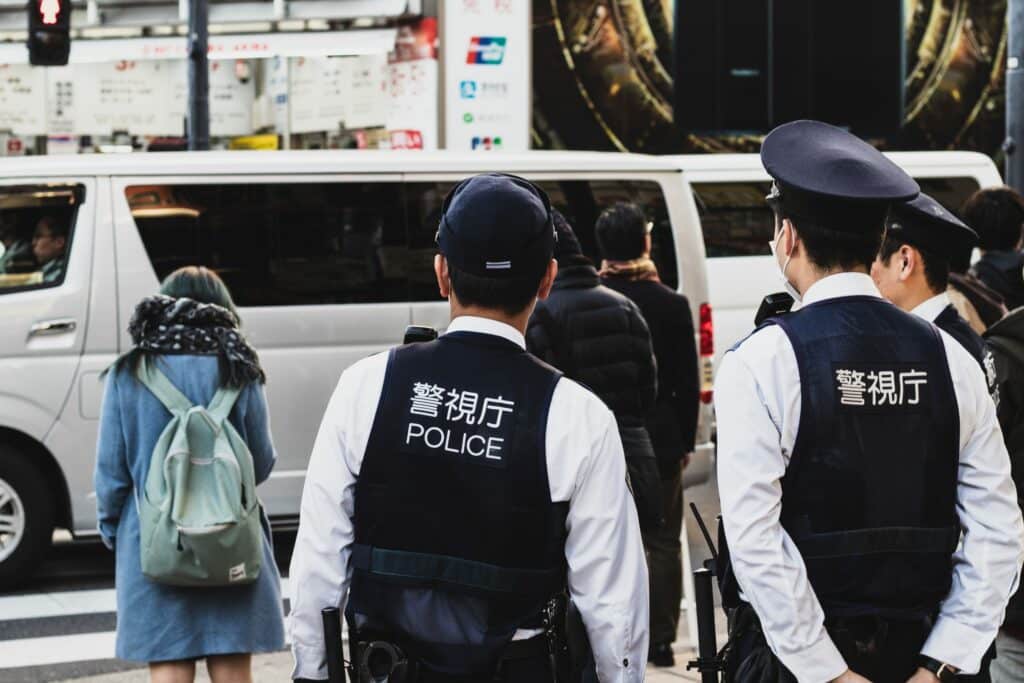
If you feel unsafe, there are “kobans”situadas en los alrededores de las ciudades japonesas. Un koban es una pequeña cabina de policía de uso gratuito que proporciona una línea directa con el departamento de policía. Son de uso gratuito si te han robado o si tienes otras emergencias que comunicar a la policía.
Pros and Cons of Retiring in Japan
Japan is a wonderful location that offers a lifetime of adventures and chances – but it is not without its drawbacks. What one individual considers to be a dream location may be an awful nightmare for another. Before you make the move, you’ll need to weigh the benefits and drawbacks of living in the country. Here are some important items to remember.
Pros
Cultura única
If you’ve ever watched the film Lost in Translation, you’ll understand how disorienting Japanese culture can be – but for most tourists, this is part of the fun! There are so many unique activities and attractions that you won’t be able to discover anyplace else in the globe. If you’re a novelty junkie, you’ll never be short of options in Japan.
Deliciosa cocina
Food is a key component of the intriguing culture. You’re certainly familiar with the classics, but Japan, like the rest of the globe, has a rich and diversified culinary scene. Each city, village, and fishing port has its unique spin on locally sourced ingredients, with some genuinely inventive solutions to the country’s limited farmland.
Compras de categoría mundial
From Harajuku’s high-fashion to Yokohama’s technology markets, you’ll have everything that you can possibly desire right on your doorstep. Huge shopping malls, lively marketplaces, and unique boutiques combine to create a varied retail environment. Before you’ve even had a chance to settle, you’ll be getting instructions from your buddies back home.
Tecnología avanzada
The rest of the world may be catching up now, but Japan was the epicenter of innovative technology for decades. It’s still on the leading edge of urban life, resulting in cities that are well-planned and efficient. The bullet train is a necessity, but even inside city areas, everything is in working order. Many North American and European expats have never seen anything like this before.
Contras
Extremadamente costoso
Como habrá observado, Japón es uno de los países más caros del mundo. Todo ese transporte rápido y esa cultura viva tienen un precio. Para muchos visitantes, ese precio es simplemente demasiado. Antes de decidirse a jubilarse en Japón, tendrá que ser sincero consigo mismo sobre su situación financiera.
Es difícil encontrar trabajo
Esto enlaza con la cuestión anterior: la mayoría de las empresas prefieren ciudadanos japoneses y residentes permanentes. Esto es así en todo el mundo, pero en Japón el procedimiento es más arduo. Incluso si llegas con un visado de trabajo para vacaciones, puede ser difícil encontrar un trabajo que se ajuste a los criterios de jornada parcial y que esté dispuesto a dejarte marchar al cabo de unos meses.
Difícil procedimiento de visado
La inmigración es una pesadilla En visado La política es extremadamente inconveniente, ya que te pone en el aprieto de intentar encontrar trabajo para obtener un visado y, al mismo tiempo, darte cuenta de que la mayoría de los empleos favorecen a quienes han establecido previamente su residencia. Sus posibilidades son escasas si no sabe japonés y no tiene experiencia de trabajo en una región con escasez.
Las ciudades están densamente pobladas
For some, this is a benefit, while for others, crowded cities are a big disadvantage. At noon, apartments are cramped, trains are overcrowded, and restaurants are uncomfortable. You’ll have a difficult time in Japan if you’re not a city slicker. There are rural places, but finding quality job in those areas is practically difficult.
Conclusión
Japón es un lugar encantador muy solicitado por los estadounidenses que desean jubilarse en el extranjero. Es bastante difícil obtener la residencia en Japón, pero si se puede, puede ser un lugar excelente para jubilarse. El sistema sanitario del país está entre los mejores del mundo.
¿Le duele la indecisión financiera? ¿Quiere invertir con Adam?

Adam es un autor reconocido internacionalmente en temas financieros, con más de 830 millones de respuestas en Quora, un libro muy vendido en Amazon y colaborador de Forbes.