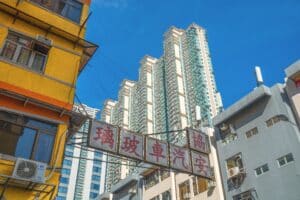
Si quiere conocer la cultura china pero aún no está preparado para abandonar Occidente, Hong Kong es el lugar al que hay que ir. Es una de las ciudades más activas y dinámicas del mundo. expatriado comunidad.
Necesitará una cuenta bancaria si piensa trabajar o permanecer en Hong Kong durante un largo periodo de tiempo.
Le mostraremos cómo abrir una cuenta bancaria en Hong Kong. Le explicaremos todo, desde las comisiones y gastos hasta los mejores bancos para no residentes, así como la documentación que necesitará para crear su nueva cuenta.
Si desea invertir como expatriado o particular con un alto patrimonio neto, que es en lo que estoy especializado, puede enviarme un correo electrónico (advice@adamfayed.com) o utilizar WhatsApp (+44-7393-450-837).
Recomendamos a la mayoría de los residentes y expatriados ricos que inviertan en el extranjero.
Abrir una cuenta bancaria en Hong Kong 101
¿Cómo puede un no residente abrir una cuenta bancaria en Hong Kong?
Para crear una cuenta bancaria en Hong Kong no es necesario ser residente permanente. Si tiene pasaporte de la UE, Estados Unidos o Australia, el proceso le resultará sencillo.
De lo contrario, es posible que tenga que presentar documentación algo diferente, y el procedimiento podría durar hasta dos semanas.
No obstante, es fundamental tener en cuenta que los distintos bancos tienen requisitos diferentes para las solicitudes de no residentes y ofrecen productos diferentes.
¿Es posible abrir una cuenta bancaria en Hong Kong a través de Internet?
No podrá registrar una cuenta en línea si es la primera vez que viene a Hong Kong. Esto se debe a la estricta normativa del país contra el blanqueo de dinero. Sin embargo, si tiene una cuenta y ha configurado la banca por internet, debería poder abrir otras cuentas si lo desea.
En su lugar, tendrá que concertar una cita y acudir personalmente a una sucursal bancaria para abrir una cuenta. Algunos bancos le permiten rellenar un formulario de solicitud en línea con antelación, lo que puede ayudar a acelerar el proceso.
¿Cómo abrir una cuenta bancaria en Hong Kong desde el extranjero?
Como no se puede abrir una cuenta bancaria en Hong Kong por Internet, abrirla antes de salir del país puede ser un poco más complicado.
Pero no desespere; no es imposible. Puede abrir una cuenta a distancia si su banco de origen ofrece servicios tanto en su país como en Hong Kong. HSBC y Citibank, por ejemplo, tienen sucursales en ambos países.
El servicio local de su país de origen podrá ayudarle a cumplimentar los documentos pertinentes y a enviarlos a la sucursal de Hong Kong.
Sólo tiene que acudir a su nuevo servicio para acreditar su identidad cuando llegue a Hong Kong.
¿Qué documentos necesito?
Para abrir una cuenta bancaria en Hong Kong, necesitará los siguientes documentos, en general:
Su identificación oficial, como el pasaporte o un documento de identidad de Hong Kong;
Como comprobante de domicilio puede utilizarse una factura de servicios públicos o un extracto bancario.
un extracto de cuenta o una factura de teléfono (de menos de 3 meses de antigüedad)
Si no tiene dirección en Hong Kong, facilite documentación sobre la dirección de su país de origen.
Un visado en vigor.
Es posible que también tenga que presentar su contrato o una carta que confirme su empleo si trabaja en Hong Kong.
Puede que necesites una carta oficial de tu universidad o centro educativo de Hong Kong que confirme tu inscripción como estudiante a tiempo completo si vas a abrir una cuenta de estudiante.
Tarjeta de identificación HK
Si tienes más de 11 años y piensas quedarte en Hong Kong más de 180 días, necesitarás un documento de identidad de Hong Kong.
El Departamento de Inmigración de Hong Kong ha expedido esta tarjeta inteligente como documento oficial de identidad. Le protege de la usurpación de identidad con diversos mecanismos de seguridad y datos incorporados. Para abrir una cuenta bancaria comercial en Hong Kong, es posible que también necesite un documento de identidad de Hong Kong.
Solicitar un documento de identidad de Hong Kong es gratuito y el procedimiento es bastante sencillo. Debe concertar una cita en la Oficina de Registro de Personas y llevar a la cita su visado, pasaporte, formulario de solicitud y fotografías recientes.
Las solicitudes de documentos de identidad suelen tramitarse en unos 7 días laborables.

Considere la posibilidad de abrir una cuenta bancaria comercial en Hong Kong
Aunque abrir una cuenta bancaria básica en Hong Kong es sencillo, conseguir una cuenta bancaria comercial requiere un poco más de esfuerzo.
Hong Kong solía ser uno de los lugares más sencillos del mundo para registrar una cuenta comercial, sin restricciones para las transferencias de dinero al extranjero. Para luchar contra el blanqueo de dinero y la financiación del terrorismo, todos los grandes bancos del país están ahora obligados a seguir una estricta normativa antifraude y procedimientos de diligencia debida.
A partir de ahora, las empresas no residentes deben facilitar a los bancos, al abrir una cuenta, amplia información sobre su actividad, incluidos todos los socios y el personal.
Algunos bancos le permitirán iniciar el proceso rellenando un formulario de solicitud en línea. Sin embargo, deberá mantener una entrevista formal con el banco para completar el proceso. También puede ser necesaria la entrevista de socios comerciales y propietarios importantes de la empresa.
Para su solicitud, necesitará los siguientes documentos:
Los pasaportes o documentos de identidad de Hong Kong son formas aceptables de identificación para directores y accionistas. Puede abrir una cuenta de empresa en un banco multinacional como HSBC aunque no tenga un documento de identidad válido en Hong Kong.
Una decisión del consejo de administración aprobando la creación de la cuenta y designando a una persona para gestionar la solicitud con el banco.
Documentos oficiales de la empresa, como el certificado de constitución, los estatutos o el certificado de registro mercantil.
Las facturas de servicios públicos o los extractos bancarios pueden utilizarse como comprobante de domicilio para directores y accionistas (con menos de 3 meses de antigüedad).
Un visado en vigor
Un plan de negocio que describa la naturaleza de la empresa y prevea los gastos e ingresos para los 12 meses siguientes.
Para certificar algunos de estos documentos puede ser necesario un notario público, un contable o un abogado. Además, tenga en cuenta que cada banco tiene sus propios criterios, por lo que conviene ponerse en contacto con ellos para saber qué documentos le exigirán.
¿Qué banco se adapta mejor a mis necesidades?
Con más de 250 bancos entre los que elegir en Hong Kong, puede resultar difícil escoger el perfecto.
Si ya tiene una cuenta local en un gran banco multinacional de su país, como HSBC, Standard Chartered Bank o Citibank, la respuesta más sencilla es seguir con ellos en Hong Kong.
He aquí un rápido resumen de los cinco principales bancos de Hong Kong para ayudarle a elegir el mejor para usted.
HSBC
HSBC es uno de los mayores bancos internacionales de Hong Kong, con operaciones en 67 países de todo el mundo, incluido el Reino Unido.
El HSBC Cuenta bancaria integrada en Hong Kong es una de las mejores soluciones para los no residentes. Esto le da acceso a una gran variedad de productos, servicios y ventajas. Tarjetas de crédito, productos de seguros, depósitos, inversiones y cambio de divisas son sólo algunos ejemplos.
Concierte una cita en un Centro Bancario Internacional (IBC) de HSBC o en una sucursal local designada en su país de origen para presentar la solicitud.
Standard Chartered
Standard Chartered Bank tiene oficinas tanto en Hong Kong como en el Reino Unido, lo que lo convierte en una opción cómoda para expatriados y recién llegados.
Su Cuenta de Depósitos Integrada le da acceso a una amplia selección de divisas y le permite gestionar todas sus cuentas corrientes y de ahorro en un solo lugar. Para abrir esta cuenta, necesitará un documento de identidad de Hong Kong.
Citibank
Citibank es uno de los bancos más fáciles para abrir una cuenta desde el extranjero. El banco tiene presencia en el Reino Unido, así que puede empezar el proceso allí. Antes de llegar a Hong Kong, el banco le ayudará a abrir una cuenta corriente o de ahorro y a concertar una cita con una sucursal local.
Si ya tiene una cuenta Citigold, puede abrir una cuenta Citigold o Citigold Private Client en Hong Kong. Una vez completado el proceso de solicitud en una sucursal, se le proporcionará una cuenta de banca por Internet y una cuenta de cajero automático de Citibank.
Hang Seng
Como Hang Seng es una filial de HSBC, ofrece muchas de las mismas tarifas y servicios. Tiene su sede en el Distrito Central y cuenta con unas 220 sucursales.
Hang Seng ofrece una útil cuenta de Daily Banking además de una variedad de cuentas de prestigio y gestión de patrimonios servicios. Esta cuenta tiene todo lo que necesita en una cuenta corriente diaria, incluido un acceso sencillo al crédito si lo necesita.
Banco de China
Si haces muchos negocios con China continental, BOC es una opción sólida. Si necesita una cuenta en renminbi (yuan chino), es la mejor opción.
Si sólo busca servicios bancarios básicos, Bank of China ofrece una Cuenta Corriente sencilla. Esta cuenta incluye servicios muy básicos, como banca en sucursal, extractos mensuales y talonarios de cheques gratuitos, pero es un buen punto de partida.
¿Qué gastos conlleva tener una cuenta bancaria en Hong Kong?
Según el banco, pueden cobrarle diversas comisiones y gastos. Para evitar sorpresas o gastos inesperados, conviene leer bien las condiciones antes de abrir una cuenta bancaria en Hong Kong.
Comisiones de mantenimiento y saldo mínimo
La mayoría de los bancos imponen una comisión mensual de mantenimiento de cuenta. Suele oscilar entre 50 y 150 HKD. Sin embargo, mantener un saldo específico en su cuenta puede ayudarle ocasionalmente a evitar este coste. Los costes de mantenimiento pueden no aplicarse a algunos tipos de cuenta, como las cuentas bancarias muy básicas.
Para abrir una cuenta, también necesitará un saldo mínimo, que suele ser de aproximadamente 10.000 HKD. De lo contrario, se añadirá una comisión a sus cuotas mensuales de mantenimiento si su saldo cae por debajo de este mínimo.
Tasas por cierre anticipado
Si cierra su cuenta antes de que transcurra un determinado plazo, algunos bancos pueden cobrarle una comisión por cierre anticipado.
Standard Chartered Hong Kong, por ejemplo, cobra una comisión de cierre anticipado de 200 HKD si cancelas tu cuenta en los tres meses siguientes a su apertura.
Comisiones de cajeros automáticos
En Hong Kong, los bancos rara vez imponen comisiones por utilizar sus propios cajeros. Los clientes de Citibank también pueden usar cajeros Jetco gratis.
Utilizar un cajero automático de otro banco suele conllevar un cargo por servicio, que varía según el banco.
Comisiones por transferencias internacionales
Las comisiones de las transferencias internacionales varían según el banco, pero hay que pagar unos 120 HKD por enviar dinero al extranjero.
Aunque algunos bancos, como Citibank, ofrecen transferencias internacionales gratuitas si tus cuentas pertenecen al mismo grupo bancario, debes vigilar el tipo de cambio porque puede ser desfavorable.
Este artículo te ayudará a desenvolverte por el sistema y a saber cómo abrir una cuenta bancaria en Hong Kong si estás preparado para vivir en esta potencia financiera de ritmo vertiginoso. Lo siguiente que debes tener en cuenta es cómo transportar todas tus pertenencias.
Permita que una empresa de mudanzas profesional como 1st Move International le ayude en lugar de intentar transportar las pertenencias de toda una vida por todo el mundo. Le liberarán de cualquier tensión y problema entregando sus cosas puerta a puerta en un tiempo récord.
¿Cuál es el sistema fiscal de Hong Kong?
A la hora de entender el sistema fiscal de Hong Kong, hay que tener en cuenta algunas cosas. Si tiene un visado de larga duración para Hong Kong, por ejemplo, debe pagar el impuesto sobre la renta de Hong Kong como cualquier otro residente fiscal.
Otra cosa que hay que recordar, sobre todo para los viajeros frecuentes, es que sus ingresos se gravan sobre una base territorial. Esto significa que sólo se aplica el impuesto sobre la renta de Hong Kong a todo lo que gane o acumule allí.
Sistema fiscal de Hong Kong
Los tipos impositivos de Hong Kong merecen su reputación de competitivamente bajos. Aumentan a la par que los ingresos. No obstante, incluso en la categoría impositiva más alta, el tipo máximo es sólo del 17%.
Hong Kong ha suscrito acuerdos de desgravación con varios países para evitar la doble imposición. Estos acuerdos entran en juego cuando un residente fiscal debe pagar impuestos sobre sus ingresos en otros países, con lo que los mismos ingresos se gravan dos veces.
Tenga en cuenta que la siguiente información no constituye asesoramiento jurídico. Póngase en contacto con el Departamento de Hacienda para obtener información adicional sobre la fiscalidad de Hong Kong (IRD). Asimismo, le instamos a que solicite asesoramiento a un profesional fiscal acreditado en relación con su situación específica.
Impuestos diferentes en Hong Kong
Los impuestos directos que usted o su empresa tendrán que presentar al final del ejercicio fiscal se componen de impuestos sobre los salarios, la propiedad y los beneficios. Entre los impuestos indirectos de Hong Kong figuran los de timbre, apuestas y patrimonio. El año fiscal comienza el 1 de abril y termina el 31 de marzo del año siguiente.
Impuesto sobre los salarios
Si vive en Hong Kong, lo más probable es que su principal carga fiscal sea el impuesto sobre el salario. Este impuesto se aplica a todos los sueldos, salarios y honorarios de directores.
Además, la gran mayoría de las gratificaciones adicionales que puede recibir de su empleador están sujetas a impuestos. Por ejemplo, las primas, las comisiones y los descuentos, las indemnizaciones por vacaciones, las gratificaciones por fin de contrato y otras gratificaciones sujetas a impuestos.
Todas las acciones u opciones que reciba como parte de su salario, así como cualquier vivienda que le dé su empresa, están sujetas a impuestos. Además, es indiferente cuándo se realicen estos pagos o si van más allá de sus condiciones laborales.
Si viene a Hong Kong regularmente por motivos de trabajo y permanece menos de 60 días, debería estar libre de estos impuestos.
Hong Kong tiene un impuesto sobre bienes inmuebles.
Si es propietario de un inmueble en Hong Kong y gana dinero alquilándolo, debe pagar impuestos sobre los ingresos del alquiler. Consulte la página web del Gobierno sobre el impuesto de bienes inmuebles para saber más sobre sus obligaciones fiscales como propietario en Hong Kong.
Impuesto sobre el trabajo autónomo en Hong Kong
El trabajo por cuenta propia también está sujeto a impuestos, y se considera Impuesto sobre los Beneficios porque sólo se puede ser autónomo si se crea una empresa propia.
“Comprar y vender bienes” u “ofrecer servicios profesionales o personales” son dos definiciones de trabajo por cuenta propia. En este caso, el impuesto sobre los beneficios se calcula sobre los beneficios imponibles de la empresa individual o la sociedad.
También existen otros requisitos, como los relativos a las normas contables. Las sociedades anónimas y los fideicomisos también están sujetos a impuestos sobre los beneficios.
Cosas que hay que recordar sobre el sistema fiscal de Hong Kong
Los intereses, dividendos y cánones no están sujetos al impuesto sobre la renta de Hong Kong. En Hong Kong no existe el impuesto sobre plusvalías. Sólo si las acciones u opciones forman parte de sus ingresos regulares tendrá que pagar impuestos sobre las plusvalías. A éstas se les aplica el mismo impuesto sobre la renta de Hong Kong que a los ingresos regulares.
¿Qué es la evaluación personal?
Puede aplicar una desgravación fiscal conocida como Evaluación Personal si está sujeto a algo más que el impuesto sobre el salario. Si quiere hacerlo con su pareja, puede optar por la tributación conjunta o la tributación personal para matrimonios.
Debe “residir habitualmente en Hong Kong” para poder solicitar la evaluación personal. El hecho de que se le conceda o no dicho estatuto viene determinado por:
¿Cuánto tiempo estará en Hong Kong?
Si tiene una dirección permanente en Hong Kong.
Si alguno de sus parientes vive en Hong Kong.
Tanto si trabajas en Hong Kong como si no.
Tanto si tiene propiedades en Hong Kong como si no.
Es importante tener en cuenta que el mero hecho de tener un documento de identidad de Hong Kong no significa que se sea residente fiscal.
¿Le duele la indecisión financiera?

Adam es un autor reconocido internacionalmente en temas financieros, con más de 830 millones de respuestas en Quora, un libro muy vendido en Amazon y colaborador de Forbes.