Top 28 Best Business Bank Accounts in the UK part 1 – that will be the topic of today’s article.
Para cualquier pregunta, o si desea invertir, puede ponerse en contacto conmigo utilizando este formulario, o a través de advice@adamfayed.com
Introducción
Muchos de nosotros somos ahora autónomos, freelance, contratistas, ya sea nuestro trabajo a tiempo completo o a tiempo parcial. Aunque la mayoría puede utilizar su cuenta bancaria habitual, hay ocasiones en las que es necesario utilizar una cuenta de empresa, o resulta mucho más fácil separar las finanzas.
¿Qué es una cuenta bancaria de empresa?
Una cuenta bancaria de empresa no tiene nada de especial. En un nivel básico, es similar a su cuenta bancaria personal, pero usted la abre exclusivamente para los ingresos y gastos de su empresa.
Pero una cuenta de empresa puede ser desde una cuenta muy sencilla para ingresar y retirar dinero hasta una cuenta que le ayude a facturar, llevar las nóminas (si emplea a otras personas) y le ayude con su contabilidad y sus declaraciones fiscales. Necesite lo que necesite, siempre hay una cuenta para ayudarle.
Muchos buscan cuentas bancarias gratuitas para empresas cuando en realidad no existen, al menos no de la misma forma que para las cuentas bancarias personales. Sin embargo, más adelante en esta guía, veremos las cuentas más populares, incluyendo qué cuentas bancarias son las más baratas.

¿Quién necesita abrir una cuenta bancaria de empresa?
Hay una línea bastante simple aquí, y tiene que ver con si su negocio está legalmente separado de usted.
Puede abrir una cuenta bancaria si ha constituido su empresa como sociedad limitada en el Reino Unido. En este caso, tu empresa está legalmente separada de ti, por lo que no tienes que utilizar una cuenta personal para tus gastos.
No necesita abrir una cuenta bancaria si es empresario individual, autónomo o trabajador por cuenta ajena (pero no a través de una sociedad de responsabilidad limitada), como peluquero, investigador, periodista, productor de televisión, jardinero, diseñador o promotor.
En estos casos, no está obligado a abrir una cuenta de empresa porque su negocio o actividad por cuenta propia no está jurídicamente separada de usted. Como autónomo, empresario individual o trabajador por cuenta ajena, tú y tu empresa sois lo mismo a ojos de la ley... ¡y del fisco!
Sin embargo, incluso si estás en el bando de “no lo necesito”, puedes abrir uno, ya que a veces es más fácil tener uno que intentar hacer malabarismos con los ingresos y gastos de tu negocio con los tuyos propios, especialmente si tus ingresos por cuenta propia son la mayor parte de tus ingresos totales.
Como norma general, si compensa gastos empresariales (como billetes de viaje, llamadas telefónicas o papelería) con sus ingresos, debería buscar una cuenta empresarial independiente.
Para abrir una cuenta bancaria comercial, necesitará documentos de constitución, un número de identificación patronal y documentos de identidad. Puede abrir tanto una cuenta corriente como una cuenta de ahorro para su empresa. Una cuenta bancaria comercial es esencial para mantener separadas sus finanzas empresariales de las personales.
Las cuentas bancarias comerciales le ayudan a gestionar profesionalmente las finanzas de su empresa y a separar esos fondos de sus finanzas personales. Abrir una cuenta bancaria comercial requiere más esfuerzo que abrir una cuenta personal.
Because banking can be expensive and difficult for a small business, finding the right account for you is probably at the bottom of your priority list.
Finding a free business bank account is a great way to keep costs down, and if you don’t mind switching accounts, you can continue to get free banking by switching accounts every 18 to 24 months.
In this guide, you will find detailed information on the best free business bank account offers from leading banks to lesser-known providers.
1. Tide

Marea positions itself as a non-bank and offers a modern approach to business banking with a user-friendly business banking app and quick setup.
Tide bank accounts have a very simple pricing with no account maintenance fees and no card usage fees. They charge fees for transfers to or from accounts other than Tide, cash withdrawals, and cash deposits.
Tide offers a range of value-added services, including instant credit for businesses up to £15,000. Their business banking app allows businesses to take control of their bank account wherever they are, including managing their bank cards, billing, and general banking.
2. Metro Bank
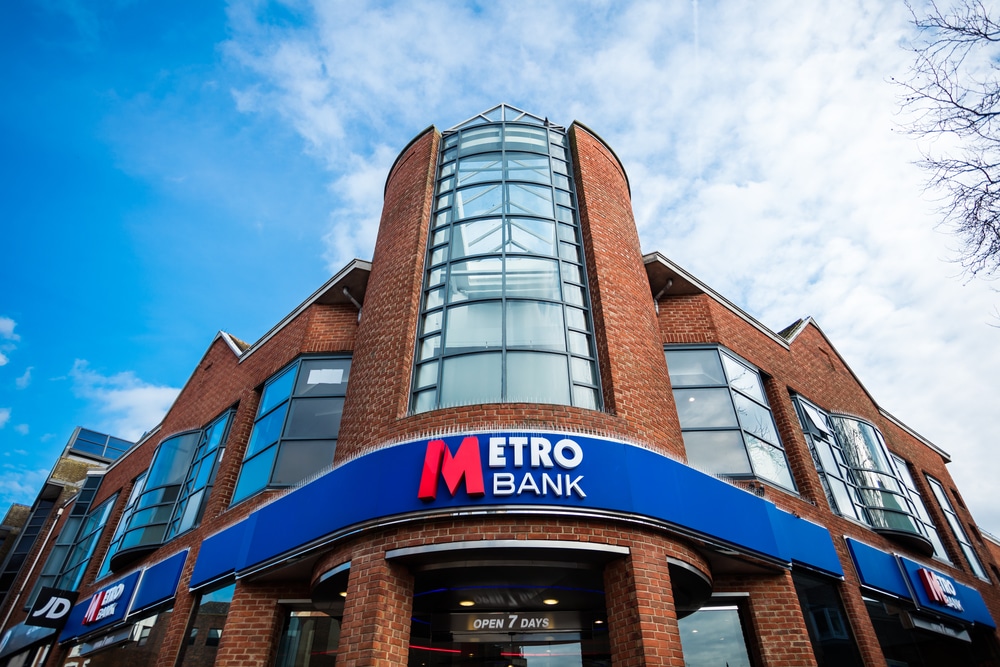
Metro Bank may not be one of the best-known banks in the UK or the most reputable, but they offer a different style of service geared towards today’s business. They offer bank accounts for businesses that have no monthly fees and 50 free transactions per month as long as you keep a minimum balance of £5,000.
To be eligible to open an account with Metro Bank, you must be over 18 years of age and have an annual turnover or balance of up to £2 million. At least 50% of the shares in your business must be owned by UK residents and at least 50% of the directors or beneficial owners must also be residents in the UK.
3. TSB
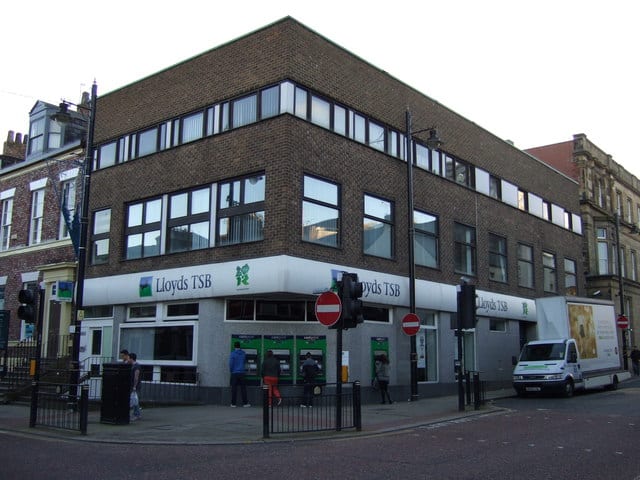
TSB is part of a larger banking group called Lloyds Banking Group. At the end of the free banking period, you can choose which bank rate you want to upgrade to. The Fixed Fee Account has tiered fixed premium tiers for transactions that have a different fixed monthly fee. The “Business Extra” tariff has no subscription fee, you pay for each transaction. The E-Business rate is for businesses that primarily conduct electronic or automated banking transactions, which are charged per transaction rather than a fixed monthly fee.
4. Santander
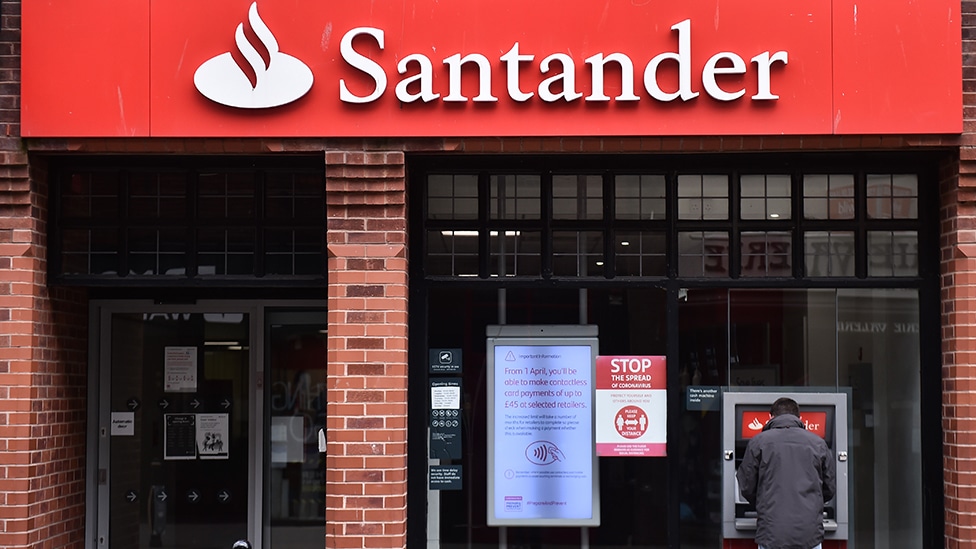
Santander is a major UK retail and commercial bank which is a subsidiary of Banco Santander, a major global bank.
Santander Business Accounts have a simple structure, you pay a monthly account fee of £7.50 to £40 and each has a monthly cash deposit limit of £1,000 to £10,000. All other transactions such as checks, withdrawals, payments, BAC are free although some restrictions may apply. Extra fees apply for non-standard transactions such as change, CHAPS payments, and foreign currency transactions.
5. Royal Bank of Scotland
Royal Bank of Scotland is a British bank with a long history, founded in Edinburgh in 1727 and is one of the largest banks in Scotland. It is one of many banking and investment businesses owned by RBS, including NatWest and Ulster Bank.
Royal Bank of Scotland offers bank accounts for new and established businesses with turnover up to £2 million. They have a separate offer for new businesses and public or non-profit accounts.
Royal Bank of Scotland supports its business clients by helping them grow and develop their businesses. Their Boost program aims to help businesses by providing a range of activities and support tools.
6. Ulster Bank

Ulster Bank is part of the RBS group of companies, which includes Royal Bank of Scotland and NatWest, as well as other financial services companies.
To be eligible to open a bank account with Ulster Bank, you must have a business address in Northern Ireland and have a maximum turnover of £2 million for a small business bank account.
Ulster Bank offers a low account maintenance fee but charges a minimum of 40p per transaction for all transactions. They offer a wide range of other banking and financial services, including lines of credit, deposit accounts, commercial mortgages, and cards.
7. Cooperative Bank
The co-operative bank is an ethical bank whose policies are customer-centric, which affects how they conduct their business and who their customers may be.
To be eligible to open a Cooperative Bank corporate bank account, all key parties must be over 18 years of age, UK residents with a UK address. All key parties must be free of CCJs, bankruptcy, IVAs, and missed out-of-pocket payments for the last 6 years.
They offer a range of business bank accounts that are designed for small businesses and charities. Accounts include the Federation of Small Business Exclusive Membership Account, Standard Business Accounts, Cash Rate Accounts, New Customer Offerings, and Community Accounts.
8. Clydesdale Bank
Clydesdale Bank offers one of the longest free daily banking periods on the market, with 25 months available to new clients and start-ups. At the end of the free banking period, they transfer businesses to their business banking rate.
Clydesdale Bank has developed its checking accounts for businesses that need basic management of their daily banking activities. Their checking account offers an additional agreed overdraft facility.
9. Bank of Ireland
The Bank of Ireland has developed its Business Checking Account to help businesses manage their day-to-day banking activities in an easy and manageable way. Their checking account has a simple pricing structure that encourages the use of online banking and smart payment methods to reduce overheads and fees.
They aim to make it easy to switch to or create your first business bank account, either through a switching service or a direct app that allows businesses to apply for a checking account, savings account, and credit card in one app.
10. Allied Irish Bank
Allied Irish Bank is focused mainly on business banking. Their current business account offers a range of features that you would expect from a corporate bank account.
If you are looking for branch banking, you should make sure there is a business center near you as they are located mainly in major cities in the UK. However, they do have a number of online services and also allow payments at some post offices.
Their industry is focused on hotels, franchises, healthcare, manufacturing, and professional practice.
11. Handelsbanken

Handelsbanken is a Swedish bank that has been operating in the UK since 1982 and currently has over 200 branches across the country.
They offer businesses a range of standard business accounts and banking services, including online banking and mobile banking. In addition, they also offer currency exchange features as well as a range of personalized loans and loan products.
12. Card One Banking
Card One Banking, founded in 2007, is one of the oldest alternative business accounts.
However, it can be a good choice for businesses and founders with bad/no credit history as they don’t do credit checks. Just be aware that the account can only be used by businesses with a maximum annual turnover of £2 million. So if you have plans to go beyond that, you might want to check out other banks as well.
13. Fair Everywhere
Fair Everywhere is a subsidiary of FairFX founded in 2007. The main goal of the account is to make international business faster, cheaper, easier, and more honest.
Unlike other banks, they have a very transparent fee of £50 per month, but it includes just about everything. You can also deposit cash at the post office or at any Barclays branch on Main Street. However, be aware that accounts are currently limited to sending and receiving up to £100,000 per month.
14. Coconut
Coconut is designed for freelancers, self-employed and small businesses. That’s why they offer low prices (free or £5 a month) and many features that make running any small business easier, such as bookkeeping, bookkeeping, and taxes.
15. Cashplus
Cashplus won Paybefore’s ‘Best Challenger Bank 2017’ award, which they say is due to their faster payments, debit cards, integration with accounting software, and no monthly service fees.
¿Le duele la indecisión financiera? ¿Quiere invertir con Adam?
Adam es un autor reconocido internacionalmente en temas financieros, con más de 373,5 millones de respuestas vistas en Quora.com y un libro muy vendido en Amazon.