Belize is often touted as one of the top offshore jurisdictions for asset protection. Its law provides immediate statutory protection, allowing assets to be shielded from creditors without waiting periods.
But for expat investors, statutory protection alone is no longer enough.
Cross-border reporting, legal challenges, and enforcement realities mean Belize trusts can fail in situations where other structures, such as UK non-resident trusts, may offer stronger protection.
Principales conclusiones:
- Belize trusts offer instant statutory shield but are weakened by CRS and cross-border enforcement.
- UK non-resident trusts provide predictable tax compliance and long-term protection but not immediate creditor shields.
- Diversification, liquidity, and multi-jurisdictional structures are more important than any single offshore trust.
- Modern asset protection requires integration of legal, tax, and financial planning to succeed.
Mis datos de contacto son hello@adamfayed.com y WhatsApp +44-7393-450-837 si tiene alguna pregunta. También ofrecemos soluciones de estructuración a medida adaptadas a su situación.
La información contenida en este artículo es meramente orientativa, no constituye asesoramiento financiero, jurídico o fiscal y puede haber cambiado desde el momento de su redacción.

What Is a Belize Asset Protection Trust and Why It’s Considered Protective
Belice fideicomisos de protección de activos are designed to provide immediate statutory protection for assets from creditor claims.
Unlike many traditional offshore trusts, assets placed into a Belize trust are typically shielded as soon as the trust is executed.
Historically, this has made Belize one of the most popular jurisdictions for high-net-worth investors seeking rapid asset protection.
The key appeal lies in statutory laws that limit the ability of creditors to challenge transfers into a trust.
Belize also offers:
- Flexible trust law with few formalities.
- No requirement for a settlor to give up all control immediately.
- Rapid formation, often in days rather than weeks.
There is no waiting period, unlike some Caribbean or European jurisdictions where protections only kick in after years of trust existence.
At first glance, this makes Belize Asset Protection Trusts appear superior to other jurisdicciones extraterritoriales.
For investors frustrated by slow-moving legal processes in traditional havens, the promise of instant protection is compelling.
These factors have positioned Belize as a favorite for investors seeking speed and simplicity. Yet, as we will explore, these very advantages mask structural weaknesses in cross-border wealth protection.
Why Belize Trusts May Fail for International Investors
Belize trusts are only as protective as the jurisdiction’s enforcement limitations allow.
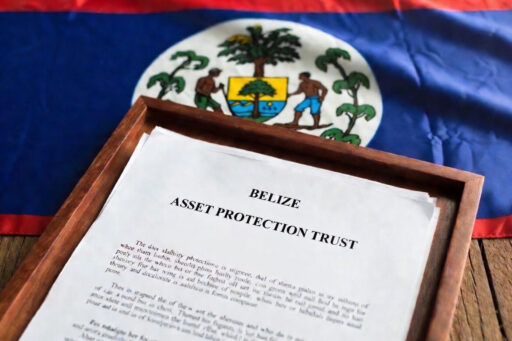
While creditors inside Belize may face high barriers to access trust assets, international creditors or tax authorities can challenge the trust based on agreements.
A major factor undermining asset protection trusts in Belize today is the Common Reporting Standard (CRS), a global tax transparency framework developed by the Organisation for Economic Co-operation and Development.
CRS Reporting Reduces Privacy and Protection
CRS mandates automatic exchange of trust information with your home country’s tax authority.
Por ejemplo:
- A US or EU resident who establishes a Belize trust for asset protection must have their trust income reported annually.
- Hidden assets or attempts to circumvent CRS can trigger penalties, audits, and back taxes.
The consequences:
- Any perceived secrecy is largely illusory.
- Assets held in a Belize trust are visible to tax authorities in your country of residence.
- The trust may still trigger scrutiny, audits, or tax liabilities despite statutory protection.
In practical terms, this limits the value of Belize trusts for clients seeking confidentiality. Even if Belize protection trust for assets shields against creditor claims domestically, the settlor may still face regulatory exposure abroad.
Cases have emerged where foreign judgments have been enforced against Belize trusts indirectly, through intermediaries or bank accounts connected to the settlor.
It highlights a broader reality, i.e., asset protection cannot rely solely on jurisdictional law. Investors must consider tax compliance and international transparency as part of any protection strategy.
Legal and Cross-Border Vulnerabilities
Immediate statutory protection does not make a Belize trust immune to challenge. Courts in other jurisdictions can contest the trust if they consider it fraudulent or designed to avoid legitimate claims.
- Fraudulent conveyance: Transfers made after knowing litigation or creditor claims can be reversed.
- Retention of control: Settlor retains too much authority, making the trust a sham in foreign court eyes.
- Jurisdictional disputes: Even if Belize courts uphold the trust, foreign creditors may challenge enforcement elsewhere.
Notably, cross-border recognition of a Belize asset protection trust is inconsistent.
In countries like the UK, Australia, and Canada, statutory protections are interpreted within the context of public policy, meaning offshore shields may not hold up against determined litigation.
In contrast, UK non-resident trusts have decades of legal precedent, providing predictable outcomes in cross-border litigation and enforcement.
Administrative Complexity and Costs
Operating a Belize asset protection trust is not passive or simple. Trustees require ongoing oversight, including:
- Annual fees for corporate trustees.
- Mandatory accounting and financial reporting.
- Compliance with CRS and anti-money laundering (AML) requirements.
For investors comparing jurisdictions, these costs—often understated in marketing—can erode the perceived benefit of statutory protection.
Comparing Belize vs UK Non-Resident Trusts
Unlike Belize trusts, UK non-resident trusts are structured for tax efficiency and long-term compliance rather than immediate creditor protection.
Non-resident trusts UK allow international investors to manage impuesto de sucesiones, income tax, and capital gains tax exposure while maintaining visibility for regulators.
While these trusts do not offer the same rapid statutory shield as Belize, they integrate better with CRS, FATCA, and other reporting obligations.
Key distinctions:
- Protection Timing: Belize shields immediately; UK trusts focus on long-term regulatory compliance.
- Reporting: UK trusts are transparent from the start but minimize tax exposure. Belize trusts now face CRS reporting, eroding anonymity.
- Legal Enforcement: UK trusts have predictable legal frameworks that often withstand foreign creditor claims if properly structured; Belize trusts are less predictable in international disputes.
In essence, UK non-resident trusts trade the illusion of secrecy for real, enforceable, and globally recognized protection.
Alternative Offshore Jurisdictions to Consider
Belize is not the only option for offshore asset protection. Investors may consider other jurisdictions and structures such as the Cayman Islands, Jersey, and Guernsey.
- Islas Caimán: Strong legal framework, extensive trust precedent, and broad international recognition.
- Jersey / Guernsey: Well-established trust regimes based on English common law principles, with strong enforceability and global credibility.
The key consideration should be credibility, enforceability, and international recognition, rather than speed of formation or aggressive statutory protections.
Why Diversification and Structure Matter More Than Jurisdiction Alone
Asset protection hinges less on the name of the jurisdiction and more on how the trust, assets, and reporting obligations are structured.
Even with a Belize trust, concentrating assets in one trust structure or a single bank exposes investors to risk.
Diversifying across jurisdictions, asset classes, and structures can mitigate both legal and financial exposure.
Key planning points:
- Avoid placing all assets in one Belize trust.
- Include liquid assets that can be moved quickly if enforcement risks emerge.
- Combine trusts with sociedades holding or other legal entities to create additional layers of protection.
Practical Structuring Considerations for Expats
When considering asset protection, investors often focus narrowly on creditor claims. For mobile expat investors, structural risks are just as important.
Assets should be spread across multiple jurisdictions to mitigate risk of political or banking crises. Combining liquid investments (equities, ETFs, commodities) with alternative investments mitigates risk.
Portfolio portability is also essential. Investments must remain accessible when relocating internationally.
Moreover, trusts must be structured to comply with CRS, FATCA, and local laws, reducing exposure to penalties.
A Belize trust for protecting assets may partially shield assets from creditors, but the other structural risks often remain unmitigated.
Common Investor Mistakes with Belize Asset Protection Trusts
The most common mistakes investors make with Belize trusts include overestimating confidentiality, relying too heavily on statutory protections, ignoring costs, and failing to integrate the trust into broader estate planning.
- Assuming secrecy equals safety: CRS undermines confidentiality claims.
- Overestimating statutory protection: Cross-border enforcement can challenge asset sheltering.
- Ignoring operational realities: Annual fees, trustee obligations, and reporting can erode returns.
- Delaying holistic planning: Without estate and succession integration, wealth preservation is incomplete.
By comparison, well-planned UK non-resident trusts address these issues, providing end-to-end wealth protection for internationally mobile HNWIs.
Risk Management and Portfolio Implications
Beyond legal structure, investors must consider financial resilience:
- Stress testing: Simulate scenarios including banking restrictions, capital controls, or forced liquidation.
- Trustee selection: Using professional trustees with multi-jurisdiction experience reduces operational and enforcement risk.
A Belize asset protection trust alone does not provide this level of strategic protection.
CRS-Compliant Asset Protection Strategies
Modern asset protection must comply with CRS while still providing meaningful protection from creditors.
Investors should integrate:
- Multi-jurisdictional trust structures that align with CRS obligations.
- Professional advisory guidance to avoid triggering reporting penalties.
- Asset types that balance liquidity, protection, and regulatory compliance.
Without CRS compliance, even the strongest statutory protections in Belize may offer limited practical security, as tax authorities can seize or audit assets in the home country.
While asset protection trusts are not obsolete, investors must implement careful, CRS-compliant planning to maintain meaningful asset protection.
- Evaluate CRS obligations in your country of tax residence.
- Diversify trusts across jurisdictions rather than concentrating all assets in Belize.
- Use professionally managed vehicles to combine asset protection, liquidity, and compliance.
- Consider alternatives, including UK non-resident trusts, for clients prioritizing long-term compliance over immediate protection.
Reflexiones finales
Belize trusts retain niche appeal for investors prioritizing rapid statutory protection. However, the era of risk-free offshore asset protection via Belize trusts is over.
CRS reporting, enforcement uncertainties, and structural limitations make them suboptimal for serious conservación del patrimonio.
Modern investors need integrated, multi-layered strategies to protect assets.
In other words, asset protection is no longer about secrecy or instant shelter—it’s about predictability, enforceability, and long-term resilience.
Professional advisors can help high-net-worth investors design trusts and holdings that meet both asset protection and international compliance objectives, balancing risk, privacy, and liquidity.
Preguntas frecuentes
What are the problems facing Belize?
Belize faces challenges including public debt, economic reliance on tourism, and financial sector scrutiny from international regulators.
The country has also faced pressure from organizations such as the OCDE and the Financial Action Task Force to strengthen transparency and anti-money-laundering regulations.
While Belize remains a well-known offshore jurisdiction, these pressures have led to regulatory adjustments in recent years.
What are the trust laws in Belize?
Belize trust law is primarily governed by the Belize Trusts Act and the International Trusts Act (Belize).
These laws allow the creation of international trusts designed for asset protection, estate planning, and wealth preservation.
Belize trusts typically provide strong creditor protection, confidentiality, and statutory provisions that limit the enforcement of foreign judgments against trust assets.
How much does it cost to set up a trust in Belize?
Setting up a Belize trust typically costs between $2,000 and $6,000 initially, as determined by the service provider and complexity of the structure.
Annual trustee, administration, and registered agent fees can range from $1,000 to $3,000 per year. Costs may increase if professional trustees, legal advice, or additional entities are involved.
Does asset protection trust work?
Yes, an asset protection trust can be effective when structured correctly and established before any legal claims arise.
These trusts separate legal ownership of assets from the individual, making it harder for creditors to access them.
However, they must comply with relevant laws and cannot be used to evade legitimate debts or existing legal judgments.
Who controls an asset protection trust?
An asset protection trust is typically controlled by a trustee, who legally manages the assets for the benefit of the beneficiaries.
The person creating the trust (the settlor) may retain limited powers or appoint a protector, but the trustee must maintain legal control to ensure the trust structure remains valid and enforceable.
Are asset protection trusts a good idea?
Asset protection trusts can be a useful planning tool for high-net-worth individuals, business owners, and expats seeking to protect wealth from future liabilities.
When used appropriately, they provide creditor protection, estate planning benefits, and privacy. However, they require proper legal structuring and ongoing compliance to remain effective.
¿Le duele la indecisión financiera?

Adam es un autor reconocido internacionalmente en temas financieros, con más de 830 millones de respuestas en Quora, un libro muy vendido en Amazon y colaborador de Forbes.