Para constituir un fideicomiso en Chipre, debe nombrar a un fideicomisario y crear una escritura de fideicomiso jurídicamente vinculante en la que se describa la gestión de los activos para los beneficiarios.
This process is fully legal under Cyprus International Trust law and offers strong asset protection, tax efficiency, and confidentiality for both residents and foreign investors.
Esta guía cubre:
- What is the trust law in Cyprus?
- How to open a Cyprus trust
- How much to set up a trust in Cyprus?
- What is the tax rate for a trust in Cyprus?
- What are the advantages and disadvantages of setting up a trust in Cyprus?
Principales conclusiones:
- Cyprus trusts are fully legal for residents and non-residents.
- They provide asset protection, tax efficiency, and confidentiality, with no IHT for non-resident beneficiaries.
- Trust setup requires appointing trustees, drafting a deed, and transferring assets.
- Tax depends on beneficiary residency; non-residents are usually exempt from Cyprus taxes.
Mis datos de contacto son hello@adamfayed.com y WhatsApp +44-7393-450-837 si tiene alguna pregunta.
La información contenida en este artículo es meramente orientativa. No constituye asesoramiento financiero, jurídico o fiscal, ni una recomendación o solicitud de inversión. Algunos hechos pueden haber cambiado desde el momento de su redacción.

Is it legal to set up a trust in Cyprus?
Yes. It is completely legal to start a trust in Cyprus under the Cyprus International Trusts (CIT) Law of 1992, as amended in 2012.
This law modernized Cyprus trust regulation, aligning it with global standards and ensuring strong asset protection.
Both residents and non-residents can establish trusts, though international trusts are primarily used by foreign individuals managing offshore assets.
A valid Cyprus trust must include:
- A clearly defined settlor, trustee, and beneficiary.
- Trust assets located either in or outside Cyprus.
- Proper documentation under Cypriot trust law.
How do I open a trust in Cyprus?
To create a trust in Cyprus, you must appoint a licensed trustee and execute a trust deed that specifies the trust’s terms, beneficiaries, and assets.
The typical process includes:
1. Selecting a trustee. This can be a licensed fiduciary service provider or trust company based in Cyprus.
2. Drafting the trust deed. Outlines how assets will be managed and distributed.
3. Transferring assets. Assets can include cash, shares, or property, both in Cyprus and abroad.
4. Registering the trust. Cyprus requires the registration of basic trust details with the relevant authority, ensuring legal recognition and compliance.
Legal guidance is essential to ensure the trust structure aligns with your asset protection and tax planning goals.
How much does it cost to open a trust in Cyprus?
Typically, setup fees for Cyprus trusts range between €2,000 and €5,000, covering legal drafting, trustee appointment, and initial registration.
The overall cost depends on the complexity and size of the assets involved.
Ongoing administration and compliance costs may range from €1,000 to €3,000 annually, depending on trustee services and reporting obligations.
High-net-worth individuals often invest larger sums to maintain sophisticated multi-jurisdictional structures for estate or succession planning.
Is it safe to set up a trust in Cyprus?
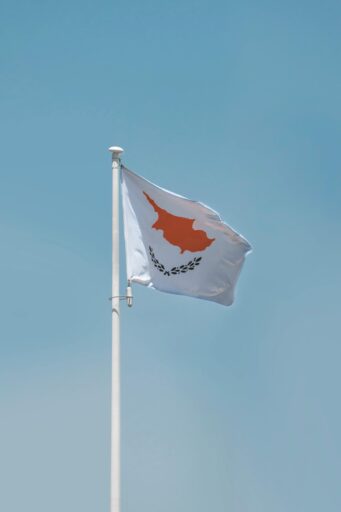
Yes. It is safe to set up a trust in Cyprus, as the jurisdiction has a strong legal framework, political stability, and adherence to international AML (anti-money laundering) standards.
Cyprus International Trusts are governed by clear laws that safeguard the settlor’s intentions and the beneficiaries’ rights.
Furthermore, Cyprus is a member of the EU and operates under a reliable judicial system, giving foreign investors and expatriates added confidence in its trust regime.
Is there income tax on a trust in Cyprus?
Yes, a trust in Cyprus may be subject to income tax if the beneficiaries are tax residents.
- Non-resident beneficiaries – Income and gains from the trust are not taxed in Cyprus.
- Cyprus-resident beneficiaries – They are taxed on their worldwide income under normal tax rules.
This framework allows international families to use Cyprus as a neutral and tax-efficient jurisdiction for global gestión de patrimonios.
What are the benefits of a Cyprus trust?
A Cyprus trust offers strong legal protection and significant tax advantages, making it an attractive option for international gestión de patrimonios.
Las principales ventajas son:
- Robust asset protection – Trust assets are shielded from creditors and claims.
- Eficacia fiscal – Non-resident beneficiaries are exempt from most Cyprus taxes on income and capital gains.
- Confidencialidad – Beneficiaries’ identities remain private under Cypriot law.
- No inheritance or wealth tax – Ideal for succession planning.
- Global recognition – Cyprus trusts are respected under common-law principles.
These features make Cyprus one of Europe’s most favorable jurisdictions for long-term conservación del patrimonio.
What are the cons of a trust in Cyprus?
The main disadvantages of setting up a trust in Cyprus are the compliance costs, regulatory requirements, and limited control for the settlor.
Other potential drawbacks include:
- Compliance costs – Annual trustee and legal fees can add up.
- Regulatory oversight – Transparency laws require limited disclosure to authorities.
- Riesgo jurisdiccional – If assets are held abroad, local laws in other countries may challenge trust validity.
- Limited settlor control – Once assets are transferred, the settlor loses direct ownership.
While these issues are generally manageable, professional advice is crucial to avoid legal and tax complications.
Conclusión
Setting up a trust in Cyprus combines strong asset protection, tax efficiency, and confidentiality under a robust legal framework.
For expats and high-net-worth individuals, a Cyprus International Trust can serve as a powerful tool for estate planning and global wealth management, provided it’s structured with professional legal and tax guidance.
Preguntas frecuentes
Which country is best to set up a trust?
Top options for setting up a trust include Cyprus, Singapur, the Cayman Islands, and Jersey, but the best country ultimately depends on your individual goals and circumstances.
These jurisdictions are known for strong legal protection and favorable tax frameworks.
Cyprus, in particular, is attractive to EU and non-EU expats seeking a combination of confidentiality, robust asset protection, and low taxation.
How much inheritance tax do you pay in Cyprus?
There is no inheritance tax in Cyprus. This makes Cyprus highly attractive for estate and succession planning, as assets can pass to beneficiaries without additional tax burdens.
What is the 50% exemption rule in Cyprus?
En 50% exemption rule in Cyprus allows certain foreign employees relocating to Cyprus for their first job in the country to pay tax on only 50% of their employment income above €55,000 for up to 17 years.
Is Cyprus tax-free for foreigners?
Cyprus is not entirely tax-free for foreigners, but it offers one of Europe’s most competitive tax regimes.
Foreign individuals benefit from low income tax rates, exemptions on overseas income, no inheritance tax, and no wealth tax, making it an appealing jurisdiction for expats and investors.
¿Le duele la indecisión financiera?

Adam es un autor reconocido internacionalmente en temas financieros, con más de 830 millones de respuestas en Quora, un libro muy vendido en Amazon y colaborador de Forbes.