+44 7393 450837
advice@adamfayed.com
Segui su

Can you STILL get rich or wealthy investing?

One of my most viewed articles is investing vs speculation – how you can get rich investing.  It argues why it is possible to become wealthy slowly on a middle-income via investing.

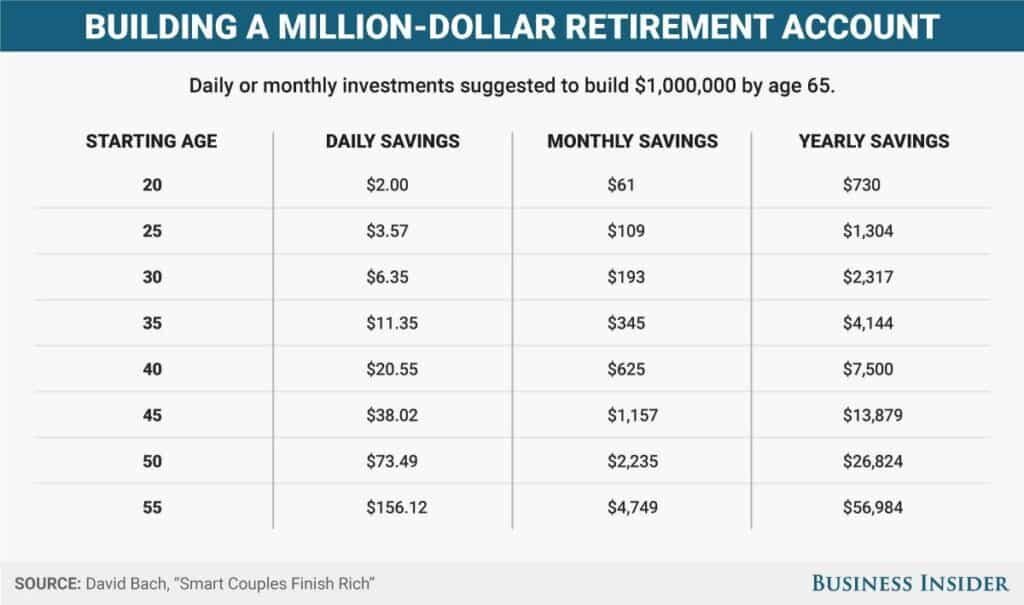
Many people understand this point and the past returns of the stock markets as shown by these returns:
a11
Source, Business Insider

Yet one of the main questions I get asked is “stock markets have historically performed really well. I know nobody can predict the future for sure, but do you think markets will do so well in the future?”. 

In this article, I will look at some of the reasons why asset prices could exceed historical norms and other reasons why they might not.

Reasons for 

1.  Interest rates/QE 

We have to remember that we are living in unique times.  Interest rates are at 0%, or close to zero, in most parts of the world. 

Bonds aren’t paying much better.  As Warren Buffett recently said on the video below, stocks look cheap now, because interest rates to stock markets are like oxygen or blood is to the human body.

https://www.youtube.com/watch?v=Pa2KjuRbjaM

When big companies can borrow money at close to 0%, and invest for growth, that is very good for the markets, as is the lack of any real alternative apart from maybe real estate which is a hassle.

In comparison, when interest rates are super high, fixed income becomes more attractive relative to stock markets.

For example, in 1999/2000, interest rates were 3%-5% in many developed countries, and government bonds paid up to 6%. 

When there was an easy and “safe” alternative, people were more likely to take some money off the table.

Of course, interest rates won’t remain at 0% forever, although they are looking like they will in Japan and some parts of Europe. 

Yet the days of high-interest rates seem a long way off. We haven’t been there for at least 13 years already.  Another 13 years or more of near 0% interest rates doesn’t seem so unlikely now. 

Quantitative easing (QE), which is often mistaken for money printing, is also more likely to result in asset price inflation (stocks in particular), rather than general inflation, as the video below explains.

Third industrial revolution 

In the grand scheme of things, why does the stock market go up? In simple terms, this was innovation 100 years ago:

a33

Now this is innovation……

a34

Human society doesn’t just stand still, regardless of all the doom and gloom out there. Just in the last few weeks, we have seen the “billionaire space race” between Richard Branson and Jeff Bezos, which could herald the beginnings of a new industry (mass tourism out of earth).

a42

We are also seeing technologies like AI and others play a bigger part in our lives. These technologies can allow the biggest firms to be more profitable over time.

Netflix wasn’t even on the stock markets in 2010. Now it is one of the biggest firms in the world. By 2030 or 2040, I am sure there will be new firms on the stock market which haven’t even been invented today.

CAPES in Europe and Asia look great 

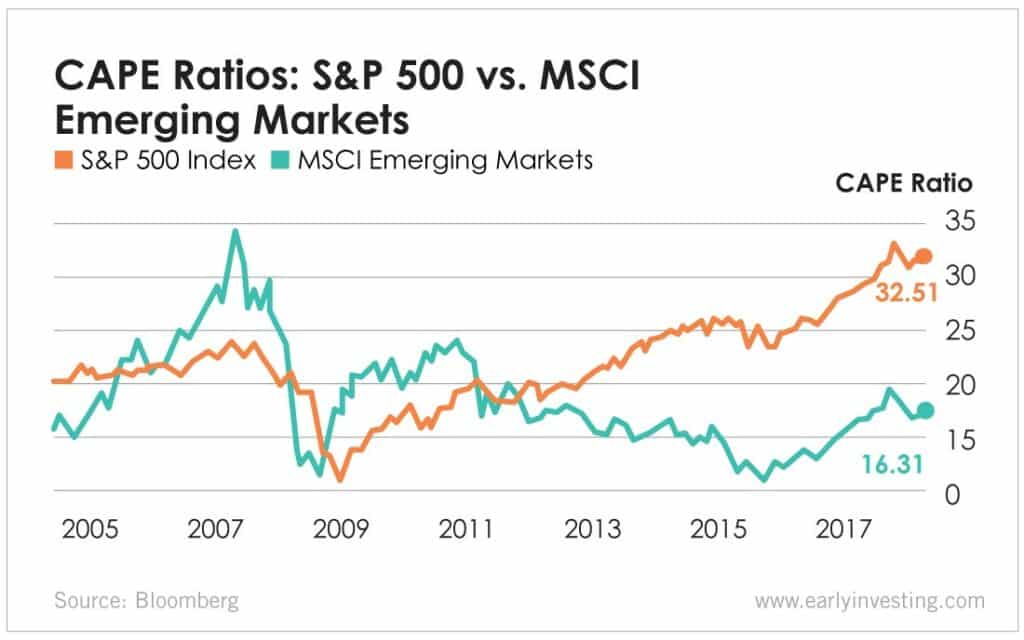
Many skeptics say that stocks look expensive.  What they forget to mention is that stock markets outside of the US, and especially in Europe and Emerging Markets, look cheap.

The CAPE ratios in these markets are so cheap that US stock markets have only hit such levels twice in the last thirty years.

What is more, this is a long-running trend since 2006.
a4
Source: Enjoyinvesting.com

That isn’t to mention the aforementioned point on the historically low-interest rates, together with the model of the technology companies.  

There is a good argument to suggest that we can’t judge technology companies on the same price:earnings and CAPE ratio as traditional firms.

Most technology companies reinvest profits, so sales growth can be more vital than p/e ratios. Look at Amazon. For years it looked overvalued, but often the profitability was just catching up with the sales growth. 

Comparing technology firms to oil&gas companies, or manufacturers isn’t a great comparison.

We have been through periods of stagnation like 65-82 and 2000-2010

So, let’s say the skeptics are right, and US stock markets in particular go through a lost decade. This would be great for any young or relatively young investor.

Why?  A good investor should consider himself/herself to be as an artist.

a5

An artist wants to collect as many paintings as possible. A good investor should want to collect as many units as possible until they retire.

Let’s give a simple example. Investor A and B both invest $1,000 a month for thirty years. Investor A gets 15% per year for the first 15 years, as they started to invest during a great time for stocks such as the 1982-2000 period.

However, the returns are only 2% per year from years 16-30. In comparison, Investor B gets 0% per year from year 1 until 15, similar to the stagnation of 1965-1982.

However, returns are 13% from years 16 until 30. What is the end result? Person A has $1,095,381.59 after thirty years, and had $656,609.67 at the halfway mark of 15 years,

Person B only had $180,000 after 15 years, but had $1,673,829.49 at the end of the thirty years. The reason? The second investor received those 13% years when his/her account was worth more.

In comparison, the first investor received 15% returns in the early years when the account was worth less. Many people might say “yes but Investor 3 could be in other investments for 15 years and then come in during the best moment”.

Yet to paraphrase Vangaurd Founder Jack Bogle “I have never met anybody who has successful market timed. In fact, I have never met who knows anybody who has successful market timed”.

At least long-term, it is impossible to time the market.

Reason against 

There is, however, one group of people who might need to get used to lower returns. That group is those who want to be in stocks, but also fixed-income.

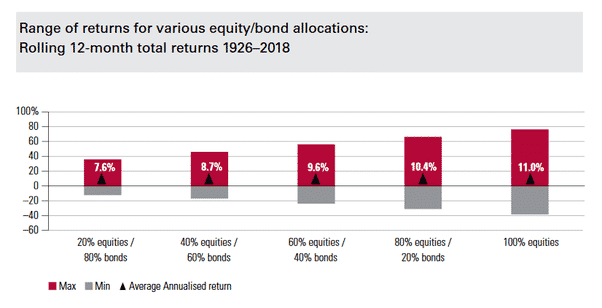
Historically 100% in stocks has always beaten a mixed portfolio but the difference hasn’t been huge as the below information from Vanguard shows:
a37
Source: Vangaurd

With interest and bond rates being so low, I doubt a 60%-40% or 50%-50% portfolio will do so well. What is more likely is that a very aggressive portfolio, like 100% in stocks or even 80% stocks-20% bonds, will do just as well as historical norms.

The bottom line is, nobody knows for sure, and analysis paralysis can cause more losses than anything else. Getting the investment process started is often half of the battle.

To quote Woody Allen “80% of success is just showing up”.

September 16 update – I will be having a client event on November 2 with Dragon’s Den star Kevin O’Leary. To have the chance to attend, clicca qui. All existing clients will automatically be invited.

Siete afflitti dall'indecisione finanziaria? Volete investire con Adam?

Financial Planner - Adam Fayed

Adam is an internationally recognised author on financial matters, with over 287.4 million answers views on Quora.com and a widely sold book on Amazon

Lascia un commento

Il tuo indirizzo email non sarà pubblicato. I campi obbligatori sono contrassegnati *

Questo URL è solo un sito web e non un'entità regolamentata, quindi non dovrebbe essere considerato come direttamente collegato a qualsiasi società (comprese quelle regolamentate) di cui Adam Fayed potrebbe far parte.

Il presente sito web non è rivolto e non deve essere consultato da persone in qualsiasi giurisdizione - compresi gli Stati Uniti d'America, il Regno Unito, gli Emirati Arabi Uniti e la RAS di Hong Kong - in cui (a causa della nazionalità, della residenza o di altro tipo di tale persona) sia vietata la pubblicazione o la disponibilità del presente sito web e/o dei suoi contenuti, dei materiali e delle informazioni disponibili su o attraverso il sito web (insieme, i “Materiali“).

Adam Fayed non garantisce che il contenuto di questo Sito web sia appropriato per l'uso in tutti i luoghi, o che i prodotti o i servizi discussi in questo Sito web siano disponibili o appropriati per la vendita o l'uso in tutte le giurisdizioni o paesi, o da parte di tutti i tipi di investitori. È responsabilità dell'utente essere a conoscenza e osservare tutte le leggi e i regolamenti applicabili di qualsiasi giurisdizione pertinente.

Il sito web e il materiale sono destinati a fornire informazioni esclusivamente a investitori professionali e sofisticati che conoscono e sono in grado di valutare i meriti e i rischi associati a prodotti e servizi finanziari del tipo descritto nel presente documento e nessun'altra persona dovrebbe accedervi, agire o fare affidamento su di esso. Nulla di quanto contenuto in questo sito web è destinato a costituire (i) consulenza sugli investimenti o qualsiasi forma di sollecitazione o raccomandazione o un'offerta, o sollecitazione di un'offerta, per l'acquisto o la vendita di qualsiasi prodotto o servizio finanziario, (ii) consulenza sugli investimenti, legale, commerciale o fiscale o un'offerta di fornire tale consulenza, o (iii) una base per prendere qualsiasi decisione di investimento. I Materiali sono forniti solo a scopo informativo e non tengono conto della situazione individuale dell'utente.

I servizi descritti nel Sito Web sono destinati esclusivamente ai clienti che si sono rivolti ad Adam Fayed di propria iniziativa e non in seguito a un'attività di marketing o sollecitazione diretta o indiretta. Qualsiasi impegno con i clienti è intrapreso rigorosamente sulla base di una sollecitazione inversa, il che significa che il cliente ha iniziato il contatto con Adam Fayed senza alcuna sollecitazione preliminare.

*Molti di questi beni sono gestiti da entità in cui Adam Fayed ha partecipazioni personali, ma per le quali non fornisce consulenza personale.

Questo sito web è gestito per scopi di personal branding ed è destinato esclusivamente a condividere le opinioni personali, le esperienze e il percorso personale e professionale di Adam Fayed.

Capacità personale
Tutti i punti di vista, le opinioni, le affermazioni, le intuizioni o le dichiarazioni espresse in questo sito web sono fatte da Adam Fayed a titolo strettamente personale. Non rappresentano, riflettono o implicano alcuna posizione ufficiale, opinione o approvazione di organizzazioni, datori di lavoro, clienti o istituzioni con cui Adam Fayed è o è stato affiliato. Nulla di quanto contenuto in questo sito web deve essere interpretato come fatto per conto o con l'autorizzazione di tali entità.

Approvazioni, affiliazioni o offerte di servizi
Alcune pagine di questo sito web possono contenere informazioni generali che potrebbero aiutarvi a determinare se siete idonei a richiedere i servizi professionali di Adam Fayed o di qualsiasi entità in cui Adam Fayed è impiegato, ricopre una posizione (anche come direttore, funzionario, dipendente o consulente), ha una partecipazione azionaria o un interesse finanziario, o con cui Adam Fayed è altrimenti affiliato professionalmente. Tuttavia, qualsiasi servizio di questo tipo - sia esso offerto da Adam Fayed a titolo professionale o da qualsiasi entità affiliata - sarà fornito in modo del tutto separato da questo sito web e sarà soggetto a termini, condizioni e processi di assunzione formali distinti. Nulla di quanto contenuto in questo sito web costituisce un'offerta di servizi professionali, né deve essere interpretato come la formazione di un rapporto di clientela di qualsiasi tipo. Qualsiasi riferimento a terzi, servizi o prodotti non implica l'approvazione o la partnership, a meno che non sia esplicitamente indicato.

*Molti di questi beni sono gestiti da entità in cui Adam Fayed ha partecipazioni personali, ma per le quali non fornisce consulenza personale.

Confermo di non risiedere attualmente negli Stati Uniti, a Porto Rico, negli Emirati Arabi Uniti, in Iran, a Cuba o in altri Paesi sottoposti a pesanti sanzioni.

Se vivete nel Regno Unito, confermate di soddisfare una delle seguenti condizioni:

1. Patrimonio netto

Dichiaro di voler ricevere le comunicazioni promozionali che sono esenti

dalla restrizione alla promozione di titoli non prontamente realizzabili.

L'esenzione riguarda gli investitori certificati di alto valore netto e dichiaro di essere qualificato come tale in quanto almeno uno dei seguenti elementi si applica a me:

Ho avuto, per tutto l'esercizio finanziario immediatamente precedente la data sotto indicata, un reddito annuo

per un valore pari o superiore a 100.000 sterline. Il reddito annuo a questi fini non include il denaro

prelevare dai miei risparmi pensionistici (ad eccezione del caso in cui i prelievi siano utilizzati direttamente per

reddito da pensione).

Ho detenuto, per tutto l'esercizio finanziario immediatamente precedente la data sotto riportata, un patrimonio netto pari al

valore pari o superiore a 250.000 sterline. Il patrimonio netto a questi fini non include la proprietà che è la mia residenza principale o qualsiasi somma di denaro raccolta attraverso un prestito garantito su tale proprietà. O qualsiasi mio diritto ai sensi di un contratto qualificante o di un'assicurazione ai sensi del Financial Services and Markets Act 2000 (Regulated Activities) order 2001;

  1. c) o Qualsiasi prestazione (sotto forma di pensione o altro) che sia pagabile in base alla

cessazione del servizio o al mio decesso o pensionamento e a cui io sono (o il mio

persone a carico hanno o possono avere diritto.

2. Investitore autocertificato

Dichiaro di essere un investitore sofisticato autocertificato ai fini del

restrizione alla promozione di titoli non prontamente realizzabili. Sono consapevole che questa

significa:

i. Posso ricevere comunicazioni promozionali da una persona autorizzata da

Financial Conduct Authority che si riferiscono all'attività di investimento in titoli non prontamente

titoli realizzabili;

ii. Gli investimenti a cui si riferiscono le promozioni possono esporre il sottoscritto a una significativa

rischio di perdere tutto il patrimonio investito.

Sono un investitore sofisticato autocertificato perché si applica almeno una delle seguenti condizioni:

a. Sono membro di un network o di un sindacato di business angels e lo sono da

almeno negli ultimi sei mesi precedenti la data indicata;

b. Ho effettuato più di un investimento in una società non quotata in borsa negli ultimi due anni

prima della data indicata di seguito;

c. Sto lavorando, o ho lavorato nei due anni precedenti alla data sotto riportata, in una

capacità professionale nel settore del private equity, o nella fornitura di finanziamenti per

piccole e medie imprese;

d. Sono attualmente, o sono stato nei due anni precedenti alla data sotto riportata, amministratore di una società con un fatturato annuo di almeno 1 milione di sterline.

Adam Fayed non ha sede nel Regno Unito, né è autorizzato dalla FCA o dalla MiFID.

Adam Fayed utilizza i cookie per migliorare la vostra esperienza di navigazione, offrire contenuti personalizzati in base alle vostre preferenze e aiutarci a capire meglio come viene utilizzato il nostro sito web. Continuando a navigare su adamfayed.com, acconsentite al nostro utilizzo dei cookie.

Se non acconsentite, sarete reindirizzati fuori da questo sito, in quanto ci affidiamo ai cookie per le funzionalità principali.

Per saperne di più, consultate il nostro Informativa sulla privacy e termini e condizioni.

ABBONARSI A ADAM FAYED CONGIUNGERE SENZA CONTEMPORANEA ABBONATI DI ALTO VALORE NETTO

ABBONARSI A ADAM FAYED CONGIUNGERE SENZA CONTEMPORANEA ABBONATI DI ALTO VALORE NETTO

Ottenete l'accesso gratuito ai due libri di Adam sugli espatri.

Ottenete l'accesso gratuito ai due libri di Adam sugli espatri.

Ogni settimana vi forniamo ulteriori strategie su come essere più produttivi con le vostre finanze.