(Questo articolo è stato aggiornato l'ultima volta il 30 ottobre 2023).
Leggete questo articolo per sapere come andare in pensione in Giappone. Tuttavia, prima di impacchettare le vostre cose, prendete in considerazione la possibilità di lavorare con un consulente finanziario se avete intenzione di vivere in Giappone.
Se avete domande o volete investire come espatriati o persone con un elevato patrimonio netto, potete scrivermi un'e-mail (advice@adamfayed.com) o utilizzare il seguente link queste opzioni di contatto.
Il Paese del Sol Levante
Il Giappone è una nazione arcipelago composta da quattro isole principali, Honshu, Hokkaido, Kyushu e Shikoku, che si estendono da nord a sud nell'Oceano Pacifico. La sua cultura è stata influenzata da una miscela di tradizioni indigene e influenze straniere, in particolare dalla Cina e dalla Corea.
Giappone popolazione al momento dell'aggiornamento è di 125,4 milioni. È tra le nazioni più popolose a livello globale.
Il Paese è famoso per i suoi progressi tecnologici nel campo della robotica, dell'elettronica e della produzione automobilistica. Il Paese ha anche conservato forme d'arte tradizionali, come la calligrafia, la ceramica e le stampe woodblock.
La cucina giapponese è molto apprezzata a livello internazionale, con piatti come sushi, ramen e tempura. Oltre che per l'incredibile cibo, il Giappone è noto per i suoi treni proiettile e per alcuni dei quartieri più puliti e privi di rifiuti al mondo.
Breve storia del Giappone
La ricca storia del Giappone attraversa i millenni e comprende vari eventi e periodi di isolamento e interazione internazionale.
La storia più antica della nazione risale al V secolo, quando era divisa in tanti piccoli Stati. La prima dinastia a unificare il Paese fu la dinastia Yamato nel III secolo, che diede inizio a un periodo di dominio imperiale durato più di un millennio.
Nel XII secolo fu istituito lo shogunato di Kamakura e i guerrieri samurai divennero la forza politica e militare dominante. I samurai hanno avuto un ruolo significativo nella formazione del passato del Paese.
Tuttavia, verso la metà del XIX secolo, il Paese dovette affrontare una crescente pressione da parte delle potenze straniere per aprire i propri confini e impegnarsi nel commercio internazionale. Ciò portò rapidamente a un periodo di modernizzazione, in cui il Giappone cercò di affiancarsi al resto del mondo in termini di tecnologia e potenza militare.
Nel 1868, la Restaurazione Meiji segnò una svolta nella storia del Paese. I nuovi leader miravano a creare una nazione moderna e industrializzata e perseguirono una serie di politiche per raggiungere questo obiettivo. La classe dei samurai fu abolita e fu istituito un nuovo governo che mirava a creare una società più equa e democratica.
Il Giappone divenne una grande potenza industriale e all'inizio del XX secolo aveva costruito una delle più potenti marine militari del mondo. Il ritrovato potere e prestigio del Paese avrebbe portato al suo coinvolgimento nella Seconda Guerra Mondiale, ma contribuì anche ad affermare il Giappone come una delle principali forze economiche e culturali del mondo.

Perché andare in pensione in Giappone?
Il Paese è un luogo incantevole da visitare e da vivere. Oltre ai suoi splendidi dintorni, ci sono diverse ragioni per cui le persone preferiscono andare in pensione in Giappone. Se avete sempre desiderato andare in pensione in un paese bellissimo e ricco di cose da offrire, il Giappone potrebbe essere la meta ideale. luogo di pensionamento per voi.
Il Giappone è uno dei luoghi di vacanza più popolari al mondo. Ogni anno, milioni di persone vengono a godersi la squisita cucina, i costumi unici e la cultura moderna. Detto questo, andare in pensione in Giappone non è la stessa cosa che visitarlo come turista. Allora, com'è veramente la vita nel Paese?
Il Paese è tradizionalmente all'avanguardia nello sviluppo tecnologico, il che si traduce in una forza lavoro al passo con i tempi e ben istruita. Quando finalmente avrete un lavoro, vi renderete conto di quanto tutto sia efficiente. Al di fuori del lavoro, noterete un ambiente culturale fiorente, che va dalla pulsante vita notturna di Osaka alla moda all'avanguardia di Shibuya. Il Giappone è un Paese vario in cui vivere.
Questo non vuol dire che non abbia i suoi svantaggi. L'equilibrio tra lavoro e vita privata non è nemmeno un concetto in Giappone, dove molte persone si spingono fino alla morte. Inoltre, il Giappone ospita alcune delle città più densamente abitate del mondo. Vivere in Giappone richiede una grande forza emotiva.
Ottenere un visto giapponese
Il Giappone è una nota località turistica. I turisti statunitensi possono entrare facilmente in Giappone. Gli americani possono recarsi in Giappone senza visto e rimanere fino a 90 giorni senza visto, con lo status di Visitatore temporaneo. Sebbene si tratti di un visto per un solo ingresso, i viaggiatori possono richiedere due viaggi nell'arco di sei mesi, se lo desiderano.
Se volete rimanere per più di 90 giorni, dovete ottenere un visto per coniugi o un visto di lavoro. Questo richiede di sposare un cittadino giapponese o di lavorare in Giappone.
Il percorso definitivo per ottenere un residenza permanente visto richiede anni. Per iniziare, è necessario entrare nel Paese con un visto annuale per tre anni. In seguito si potrà richiedere un visto a lungo termine. Questo visto richiede un certificato di idoneità del Ministero della Giustizia. Per ottenere questo certificato è necessario soddisfare determinati standard della Legge sul Controllo dell'Immigrazione.
Il visto a lungo termine sarà valido per altri tre anni. Dopo sei anni potrete richiedere la residenza permanente in Giappone. Per dimostrare di conoscere bene il giapponese e di avere una conoscenza approfondita della cultura giapponese, è necessario sottoporsi a un test.
Il Giappone ha un visto per la pensione?
Purtroppo il Giappone non offre un visto specifico per il pensionamento nel Paese. Tuttavia, gli espatriati cittadini di Paesi che sono esenti dall'obbligo di ottenere un visto per l'ingresso in Giappone (ad esempio, Stati Uniti, Canada, ecc.) possono richiedere un visto per la pensione. Visto specificato per le attività designate.
Questo tipo di visto vi permetterà di soggiornare nel Paese più a lungo, cioè per un periodo massimo di un anno. Ciò è soggetto a determinati requisiti, come il possesso di risparmi pari ad almeno 30 milioni di yen o 225.675 USD.
Economia e sistema finanziario giapponese
Un altro aspetto che rende il Giappone un luogo attraente per i pensionati è la sua economia, che si colloca al terzo posto a livello mondiale.
Oltre alla tecnologia, il Giappone è anche un importante esportatore di beni e servizi, con le esportazioni che rappresentano una parte significativa del PIL del Paese.
Oltre al settore manifatturiero, il Giappone ha anche un forte settore dei servizi che comprende industrie come la finanza, la sanità e il turismo. Il Paese ospita molte aziende di fama mondiale, come Toyota, Sony e Mitsubishi, che contribuiscono in modo significativo all'economia giapponese.
Tuttavia, negli ultimi anni il Giappone è stato anche afflitto da una serie di problemi economici. Uno dei problemi principali è l'invecchiamento della popolazione, che ha portato a una diminuzione della forza lavoro e a un crollo della spesa dei consumatori. Un'altra sfida è la deflazione, che è un problema persistente in Giappone da molti anni a causa della debolezza della domanda e dei salari ridotti.
Nel frattempo, il sistema finanziario giapponese è uno dei più grandi e sofisticati al mondo. Il Paese ha un settore bancario ben consolidato, dominato da poche grandi banche, note come megabanche. Queste banche hanno un'ampia operatività nazionale e internazionale e sono altamente redditizie.
Oltre alle megabanche, il Giappone ha anche un gran numero di banche regionali, cooperative di credito e altre istituzioni finanziarie che servono le comunità locali.
Il Banca del Giappone è la banca centrale e svolge un ruolo cruciale nel mantenere stabile il sistema finanziario.
Com'è la facilità di accesso alle banche per gli espatriati?
Quando si apre un conto corrente bancario in Giappone, gli espatriati dovranno fornire documenti di identificazione, come il passaporto e la carta di soggiorno, e una prova di indirizzo. Alcune banche possono richiedere ulteriori documenti o informazioni, a seconda della situazione individuale.
Una possibilità per gli espatriati è quella di aprire un conto bancario presso una banca straniera presente in Giappone. Questo può essere particolarmente utile per chi ha bisogno di effettuare trasferimenti internazionali o ha conti in più valute.
Un'altra opzione è quella di utilizzare una banca digitale o un'applicazione di mobile banking, che possono offrire un'esperienza bancaria più comoda e semplificata.
Inoltre, molte delle principali banche giapponesi offrono servizi per gli stranieri, tra cui l'apertura di un conto, l'accesso agli sportelli bancomat e l'online banking.
Esplorare i veicoli di investimento in Giappone
Quando si decide di andare in pensione in Giappone, la comprensione del panorama degli investimenti è fondamentale. Il Giappone vanta una vasta gamma di strumenti di investimento che possono aiutare a far crescere i vostri risparmi e a garantirvi una pensione confortevole.
Investimenti azionari
Partecipate al mercato azionario giapponese investendo in azioni di società. Cercate società con una forte salute finanziaria e un solido curriculum per prendere decisioni informate.
Dati recenti rivelano che le famiglie giapponesi hanno allocato 11% del loro patrimonio in azioni a fine marzo 2023, una cifra modesta rispetto ad altre regioni sviluppate come gli Stati Uniti (39,8%) e l'area dell'euro (19,5%).
Inoltre, il mercato azionario giapponese è stato fiorente nel 2023, con i principali indici azionari che a maggio hanno raggiunto i livelli più alti dal 1989.
Investimenti immobiliari
Investite nel settore immobiliare giapponese per beneficiare potenzialmente dell'impennata dei prezzi degli immobili, soprattutto nel centro di Tokyo, dove il prezzo medio di un nuovo condominio è aumentato di 60% nella prima metà del 2023.
Inoltre, il lancio di nuovi sviluppi come la Mori JP Tower, parte di un progetto da $6 miliardi, dimostra l'attivo mercato immobiliare in Giappone.
Fondi comuni e ETF
Esplorate i fondi comuni di investimento e gli ETF che consentono di diversificare i settori e le classi di attività dell'economia giapponese.
Esistono numerosi fondi ed ETF che investono in un'ampia gamma di classi di attività, tra cui azioni, reddito fisso, materie prime e alternative5. La Borsa di Tokyo, la terza al mondo per capitalizzazione di mercato, ospita numerosi fondi comuni di investimento azionari ed ETF.
Titoli a reddito fisso
Considerate i titoli a reddito fisso, come le obbligazioni governative o societarie, che forniscono un flusso di reddito regolare. La recente impennata dei tassi d'interesse globali sta spingendo la Banca del Giappone a modificare il controllo dei rendimenti obbligazionari, il che potrebbe influire sul mercato del reddito fisso.
Conti pensionistici
Il Giappone offre diversi conti pensionistici che offrono vantaggi fiscali. Il NISA (Nippon Individual Savings Account) e l'iDeco (Individual-type Defined Contribution Pension Plan) sono due delle principali opzioni di conto di risparmio individuale in Giappone, simili agli IRA americani o agli ISA britannici, progettati per offrire vantaggi fiscali agli investitori.
Investimenti in tecnologia e start-up
La scena tecnologica giapponese è vivace, attira talenti di alto livello verso startup a forte crescita e attira investimenti significativi.
L'ecosistema delle startup in Giappone è fiorente, con il governo che fornisce sovvenzioni a imprese innovative come la startup ispace, che ha ricevuto una sovvenzione fino a 12 miliardi di yen ($80 milioni).
Notevoli anche gli investimenti nei settori deep tech, che si estendono ad aree come l'agricoltura nello spazio e le tecnologie di fusione laser.
Come sono gli alloggi in Giappone?
Se state per andare in pensione in Giappone, sappiate che le abitazioni possono essere molto diverse da quelle che vi aspettate in altre parti del mondo. Un aspetto unico delle abitazioni giapponesi è la loro enfasi sulla compattezza e sull'efficienza. Ciò è dovuto in parte allo spazio limitato del Paese e all'alta densità di popolazione, che ha portato allo sviluppo di spazi abitativi piccoli ma funzionali.
Le case tradizionali giapponesi sono spesso dotate di porte e pareti scorrevoli, note come shoji e fusuma, che consentono una certa flessibilità nell'uso dello spazio. Molte case moderne in Giappone incorporano anche caratteristiche come magazzini integrati e stanze multifunzionali per sfruttare al meglio lo spazio limitato.
Un'altra caratteristica delle abitazioni giapponesi è l'attenzione alla pulizia e all'organizzazione. Le case in Giappone sono generalmente tenute molto pulite e ordinate. Anche le scarpe vengono spesso tolte prima di entrare in casa per mantenere la pulizia.
Quali sono le opzioni abitative in Giappone?
Per quanto riguarda le opzioni abitative, sono disponibili diverse scelte, che vanno dalle case e dagli appartamenti tradizionali ai moderni grattacieli. L'affitto è un'opzione comune, soprattutto per i più giovani e per chi vive nelle aree urbane. Molte proprietà in affitto vengono fornite anche arredate. Possono includere elettrodomestici come frigoriferi e lavatrici.
Acquisto di una casa in Giappone può essere più impegnativo, soprattutto per gli stranieri che possono incontrare ostacoli legali e finanziari. Tuttavia, esistono numerosi agenti immobiliari e professionisti del settore legale specializzati nell'aiutare gli stranieri ad affrontare il processo.
E i costi degli alloggi?
Al momento dell'aggiornamento, l'affitto medio nazionale per un appartamento con una camera da letto nel centro città del Giappone è di 96.046 yen (720 USD) al mese, secondo i dati di Numbeo. Un appartamento simile costerebbe circa 1.705 dollari al mese negli Stati Uniti.
Inoltre, un appartamento con una camera da letto nel centro di Tokyo, ad esempio, costa circa 149.875 yen (1.123 USD) al mese. Al contrario, un appartamento con una camera da letto a New York costa in media circa 3.893 dollari.
Al di fuori del nucleo urbano, un appartamento simile a Tokyo costerebbe circa 86.795 yen (650 USD) e a New York circa 2.382 USD. Nonostante il valore relativo delle spese abitative, Tokyo rimane una delle città più costose al mondo.
Gli affitti sono sostanzialmente più bassi in Giappone che negli Stati Uniti, quindi potrete godere di uno stile di vita analogo spendendo meno. Anche il costo dei prodotti di consumo è inferiore in Giappone rispetto agli Stati Uniti, quindi il vostro stile di vita sarà meno costoso.
Il costo delle abitazioni in Giappone per metro quadro è di 904.019 yen nel centro città e di 490.706 yen fuori.
Creare una rete di sicurezza finanziaria per il pensionamento
Assicurarsi una rete di sicurezza finanziaria è fondamentale quando si progetta di andare in pensione in Giappone. Un solido piano finanziario assicura una vita confortevole durante gli anni della pensione. Ecco come creare una solida rete di sicurezza finanziaria:
Comprendere le spese per la pensione
Stimare le spese per la pensione è il primo passo verso la sicurezza finanziaria. Considerate lo stile di vita che desiderate in Giappone e calcolate le spese che dovrete sostenere annualmente. La collaborazione con un consulente finanziario che abbia familiarità con i modelli finanziari può essere preziosa in questa fase1.
Impegnarsi nella pianificazione finanziaria
La pianificazione finanziaria è fondamentale per chiunque voglia andare in pensione in Giappone. Si tratta di organizzare le proprie finanze, aprire conti pensionistici come iDeCo e NISA e investire in modo oculato. Questa fase assicura un flusso di reddito costante dopo il pensionamento.
Apertura di conti pensionistici
In Giappone, le persone possono aprire un conto iDeCo, un tipo di piano pensionistico a contribuzione definita, e un conto NISA, un conto di investimento esente da imposte. Questi conti sono utili per risparmiare e investire per la pensione.
Strategie di investimento
Gli investimenti sono una parte importante della pianificazione finanziaria. Diversificate i vostri investimenti in modo da includere un mix di azioni, obbligazioni e altre attività. Questa strategia mira a massimizzare i rendimenti e a minimizzare i rischi.
Utilizzo dei sistemi di sicurezza sociale e pensionistici del Giappone
Il Giappone ha un solido sistema previdenziale e pensionistico. I dipendenti e i datori di lavoro contribuiscono al nenkin, il sistema pensionistico nazionale, per finanziare la pensione tradizionale. La comprensione e l'utilizzo di questi sistemi vi forniranno un cuscinetto finanziario durante gli anni della pensione.
Tutela con l'assicurazione
Nel 1998, il Giappone ha istituito una rete di sicurezza per il settore delle assicurazioni sulla vita, potenziata nel 2000 con ulteriori 500 miliardi di yen, tra cui un regime speciale di sovvenzioni governative per 400 miliardi di yen.
Impegnarsi in un'assicurazione sulla vita e comprendere le reti di sicurezza disponibili nel settore assicurativo è un ulteriore passo per garantire il proprio futuro finanziario.
Pianificazione fiscale transfrontaliera
Se siete americani e state progettando di andare in pensione in Giappone, orientarvi tra i sistemi fiscali di entrambi i Paesi può essere complesso. Tuttavia, esistono strumenti che aiutano a proteggere il vostro patrimonio e a garantire la libertà finanziaria.
È fondamentale assicurarsi che la pianificazione fiscale sia efficiente e conforme alle normative di entrambi i Paesi.
Quanto denaro serve per andare in pensione in Giappone?
Per Numbeo, il costo della vita in Giappone, se siete soli, può raggiungere in media 121.860 yen (914,5 USD) al mese, senza considerare i costi di affitto. Se invece siete una famiglia con quattro membri, le spese di soggiorno potrebbero costarvi 430.781 yen (3.233 USD).
Obblighi fiscali in Giappone
In Giappone, ottenere un visto per residenti permanenti o un visto a lungo termine è estremamente difficile. Tuttavia, se si ottiene uno di questi visti, si è soggetti a tasse.
Pagherete le tasse solo sul reddito generato in Giappone se siete un non residente con un visto di un anno. Al contrario, se siete un residente non permanente che si trova in Giappone da non più di cinque anni, sarete tassati su tutti i vostri redditi, escluso il denaro estero che non viene trasmesso in Giappone. Se siete residenti permanenti, dovete pagare le tasse su tutti i redditi generati in Giappone e all'estero.
Attualmente, il Paese riscuote un imposta sul reddito delle persone fisiche 5%, 10%, 20%, 23%, 33%, 40% e 45%, a seconda del reddito. È inoltre prevista una sovrattassa di 2,1% sull'imposta nazionale sul reddito.
Altre imposte includono quelle sulla proprietà immobiliare, sull'eredità e sui consumi. La ricchezza netta non è tassata nel Paese.
Se siete residenti negli Stati Uniti, dovrete dichiarare ogni anno le tasse in quel Paese. Dovete inoltre dichiarare eventuali conti bancari internazionali.
Se guadagnate denaro al di fuori degli Stati Uniti, potete utilizzare diverse disposizioni per ridurre il vostro reddito imponibile. Queste includono, tra l'altro, il credito d'imposta estero, l'esclusione del reddito da lavoro estero e l'esclusione dell'alloggio estero.
Se volete prevedere con maggiore precisione il vostro onere fiscale, dovreste rivolgervi a uno specialista fiscale che conosca le norme fiscali statunitensi e giapponesi.
Come gestire il cambio di valuta e i trasferimenti internazionali
Quando si pianifica di andare in pensione in Giappone, è fondamentale comprendere le complessità del cambio di valuta e dei trasferimenti internazionali di denaro. Questa sezione fornisce una guida completa, assicurando una transizione finanziaria senza problemi per coloro che desiderano godersi gli anni d'oro in questo splendido Paese.
Capire i tassi di cambio delle valute
L'impatto sulle vostre finanze
I tassi di cambio delle valute giocano un ruolo importante quando si decide di andare in pensione in Giappone. Le fluttuazioni di questi tassi possono influenzare il valore dei vostri risparmi e investimenti. È essenziale monitorare regolarmente i tassi di cambio e capire come possono influire sulla vostra stabilità finanziaria in Giappone.
Strategie per ottenere le migliori tariffe
Per massimizzare i vostri fondi, effettuate il cambio di valuta quando i tassi sono favorevoli. Utilizzate strumenti e applicazioni online che tengano traccia delle tendenze valutarie. Considerate la possibilità di consultare un consulente finanziario specializzato in finanza internazionale che vi guidi in questo processo.
Trasferimenti di denaro internazionali: Cosa c'è da sapere
Scegliere il servizio giusto
Quando si trasferisce denaro a livello internazionale, è fondamentale scegliere un servizio affidabile ed economico. Ricercate e confrontate i diversi servizi di trasferimento di denaro, concentrandovi sulle commissioni, sui tassi di cambio e sui tempi di trasferimento. Assicuratevi che il servizio scelto sia regolamentato e abbia recensioni positive da parte dei clienti.
Il ruolo delle banche e delle istituzioni finanziarie
Le banche svolgono un ruolo fondamentale nei trasferimenti internazionali di denaro. Tuttavia, le loro commissioni possono essere più elevate e i tassi di cambio meno favorevoli rispetto ai servizi di trasferimento specializzati. Vale la pena di esplorare tutte le opzioni disponibili per trovare la soluzione più economica.
Consigli per una transizione finanziaria senza problemi
Budgeting e pianificazione finanziaria
Create un budget completo che tenga conto delle spese di vita, dell'assistenza sanitaria e delle attività di svago quando andrete in pensione in Giappone. Tenete conto delle potenziali fluttuazioni valutarie e assicuratevi di avere un cuscinetto finanziario per coprire i costi imprevisti.
Creare un conto bancario locale
L'apertura di un conto bancario locale può semplificare le transazioni finanziarie e aiutarvi a evitare le pesanti commissioni di prelievo internazionali. Informatevi sui requisiti per l'apertura di un conto come residenti all'estero e scegliete una banca che offra servizi adatti alle vostre esigenze.
Rimanere informati e aggiornati
Rimanete aggiornati sulle ultime notizie e tendenze finanziarie relative al pensionamento in Giappone. Utilizzate le risorse online, i forum e le comunità di espatriati per condividere esperienze e acquisire conoscenze sulla gestione efficace delle finanze in Giappone.
Capire la tassazione per i pensionati in Giappone
Quando si pianifica di andare in pensione in Giappone, è fondamentale comprendere gli obblighi fiscali del Paese. Il Giappone ha regole fiscali specifiche che si applicano ai pensionati, ed essere ben informati può garantire una transizione senza problemi.
Tipi di tasse per i pensionati
Imposta sul reddito
I pensionati in Giappone devono pagare l'imposta sul reddito globale, comprese le pensioni, gli investimenti e qualsiasi altra fonte di reddito. L'aliquota fiscale varia a seconda dell'importo totale del reddito e dello status di residenza dell'individuo.
Imposta di successione e donazione
Il Giappone impone tasse su eredità e donazioni. Se andate in pensione in Giappone e ricevete un'eredità o una donazione, potreste essere tenuti a pagare le tasse, a seconda del valore e del vostro rapporto con il donatore.
Stato di residenza e implicazioni fiscali
Residenti non permanenti
I residenti non permanenti in Giappone, in genere coloro che vivono nel Paese da meno di cinque anni, devono pagare le tasse solo sul reddito di origine giapponese e su qualsiasi reddito estero portato in Giappone.
Residenti permanenti
I residenti permanenti, ovvero coloro che vivono in Giappone da più di cinque anni, sono soggetti all'imposta sul loro reddito mondiale. Ciò include tutte le pensioni, gli investimenti e altre forme di reddito, indipendentemente dal luogo in cui sono stati generati.
Detrazioni e crediti fiscali
Detrazioni disponibili
Il Giappone offre diverse detrazioni fiscali che possono ridurre il reddito imponibile. Queste includono, tra l'altro, le detrazioni per i premi di assicurazione sociale, le spese mediche e il reddito delle piccole imprese.
Crediti d'imposta
I pensionati possono anche beneficiare di crediti d'imposta, come il credito d'imposta estero, che impedisce la doppia imposizione sul reddito tassato sia in Giappone che in un altro Paese.
Presentazione della dichiarazione dei redditi
I pensionati in Giappone devono presentare ogni anno la dichiarazione dei redditi. La procedura prevede la segnalazione di tutte le fonti di reddito, la richiesta di eventuali detrazioni e crediti e il calcolo dell'imposta totale dovuta. È essenziale presentare la dichiarazione dei redditi in modo accurato e puntuale per evitare sanzioni.
Consulenza professionale
Si raccomanda vivamente a chiunque intenda andare in pensione in Giappone di rivolgersi a un professionista. I professionisti del settore fiscale possono fornire una consulenza personalizzata in base alla vostra situazione specifica, assicurandovi di rispettare tutti gli obblighi fiscali e di sfruttare le detrazioni e i crediti disponibili.
Capire il sistema sanitario e i costi assicurativi del Giappone
Il Giappone vanta un solido sistema sanitario, rinomato per gli elevati standard di assistenza medica e accessibilità.
Per chi vuole andare in pensione in Giappone, è fondamentale avere una conoscenza completa del sistema sanitario e dei relativi costi assicurativi. Questa sezione fornisce un'analisi approfondita, per garantire che siate ben informati e preparati.
Panoramica del sistema sanitario giapponese
Il Giappone opera nell'ambito di un sistema sanitario universale, che garantisce a tutti i residenti l'accesso a servizi medici di qualità.
Il sistema combina un'assicurazione sanitaria basata sul datore di lavoro con uno schema assicurativo basato sulla comunità, che si rivolge ai lavoratori autonomi, ai disoccupati e ai pensionati. Quando si decide di andare in pensione in Giappone, l'iscrizione a uno di questi programmi assicurativi diventa un requisito obbligatorio.
Assicurazione sanitaria basata sul datore di lavoro
Per chi ha lavorato in Giappone, l'assicurazione sanitaria basata sul datore di lavoro è un'opzione comune. Questa assicurazione copre una parte delle spese mediche, con un contributo anche da parte del dipendente. È importante notare che questa opzione è in genere più completa del programma di assicurazione sanitaria nazionale.
Assicurazione sanitaria nazionale (NHI)
Al momento del pensionamento, se si sceglie di rimanere in Giappone, il passaggio all'assicurazione sanitaria nazionale (NHI) è un'opzione valida. L'NHI è un programma basato sulla comunità, che copre le spese mediche per i lavoratori autonomi, i disoccupati e i pensionati. I premi sono calcolati in base al reddito, per garantire l'accessibilità economica.
Costi e copertura assicurativa
Conoscere i costi e la copertura del regime assicurativo scelto è fondamentale quando si pianifica di andare in pensione in Giappone. Sia i programmi basati sul datore di lavoro che quelli NHI coprono in genere 70% di spese mediche, mentre l'assicurato è responsabile delle restanti 30%.
Costi dell'assicurazione sanitaria a carico del datore di lavoro
Se avete un'assicurazione sanitaria basata sul datore di lavoro, i vostri premi dipenderanno dal vostro stipendio e dal piano assicurativo specifico. È fondamentale consultare il proprio datore di lavoro per capire i costi e la copertura esatta.
Costi dell'assicurazione sanitaria nazionale
Per i pensionati che rientrano nel programma NHI, i premi sono calcolati in base al reddito dell'anno precedente, al patrimonio e al numero di persone a carico. È essenziale prevedere un budget adeguato, poiché i premi possono variare in modo significativo.
Ulteriori considerazioni sull'assistenza sanitaria per i pensionati
Accessibilità e qualità dell'assistenza
Il sistema sanitario giapponese è noto per l'accessibilità e l'alta qualità delle cure. Gli ospedali sono ben attrezzati e i medici sono altamente qualificati.
Tuttavia, è importante notare che non tutti i professionisti del settore medico parlano correntemente l'inglese, per cui è consigliabile rivolgersi a medici di lingua inglese o a traduttori.
Farmaci soggetti a prescrizione medica
Il Giappone dispone di un elenco completo di farmaci approvati per la prescrizione. Se vi affidate a farmaci specifici, verificate la loro disponibilità in Giappone e conoscete la procedura di prescrizione.
Assicurazione per l'assistenza a lungo termine
Per chi sta pensando di andare in pensione in Giappone, valutare l'assicurazione per l'assistenza a lungo termine è un passo prudente. Questa assicurazione copre i costi di servizi come l'assistenza domiciliare e l'assistenza infermieristica, fornendo un ulteriore supporto in caso di necessità.
Com'è l'assistenza sanitaria giapponese?
L'Organizzazione Mondiale della Sanità classifica regolarmente il sistema sanitario pubblico giapponese tra i primi 10 al mondo. Questa valutazione si basa su efficienza finanziaria, reattività, qualità ed equità.
Il governo copre oltre il 70% delle spese sanitarie dei cittadini, pagando molto di più per gli abitanti a basso reddito. I cittadini contribuiscono a questo sistema attraverso le loro tasse.
Chiunque risieda legalmente in Giappone da più di un anno può iscriversi ai programmi di assicurazione sanitaria nazionale o di assicurazione sanitaria per i dipendenti. Se si dispone di un'assicurazione, è sufficiente pagare 30% le spese ospedaliere. Gli appuntamenti, le visite in ospedale e i farmaci sono coperti come spese mediche.
Avete bisogno di un'assicurazione per vivere in Giappone?
Il Giappone, nonostante la sua enorme popolazione, è un Paese relativamente sicuro. Poiché la maggior parte dei residenti ha un buon tenore di vita, la criminalità è piuttosto bassa. Detto questo, di tanto in tanto si verificano degli episodi di criminalità.
Sicuramente conoscete anche i precedenti del Giappone in fatto di catastrofi naturali. Terremoti e tifoni fanno regolarmente notizia in tutto il mondo. È necessario avere un solido piano assicurativo per questi eventi.
Il Giappone è un paese sicuro per andare in pensione?
La criminalità in Giappone è piuttosto bassa. I borseggi e altre forme di piccola criminalità si verificano nelle aree più frequentate, come in qualsiasi altro luogo. In generale, la qualità del cibo in Giappone è piuttosto eccellente e il pericolo di malattie alimentari è molto basso.
Il Giappone è vulnerabile alle calamità naturali come i terremoti. Anche se non si tratta di eventi regolari, è fondamentale capire che si verificano. In Giappone, l'incendio è la seconda catastrofe naturale più pericolosa, soprattutto in caso di terremoto.
Se non vi sentite sicuri, ci sono “koban” situati nelle città del Giappone. Un koban è una piccola cabina della polizia che può essere utilizzata gratuitamente e fornisce una linea diretta con il dipartimento di polizia. È possibile utilizzarla gratuitamente se si è stati derubati o se si ha un'altra emergenza da segnalare alla polizia.
Si può ottenere una patente di guida in Giappone?
È possibile per i cittadini stranieri ottenere una patente di guida in Giappone. Tuttavia, il processo può essere in qualche modo complicato e può richiedere una notevole quantità di preparazione e di sforzi.
Per ottenere una patente di guida in Giappone come espatriati, dovete prima ottenere una carta di soggiorno giapponese ed essere registrati come residenti. È inoltre necessario superare un esame di guida scritto e pratico, che può essere somministrato in giapponese. A seconda del Paese di provenienza, potrebbe essere necessario ottenere una traduzione ufficiale della propria patente di guida.
Una possibilità per gli espatriati è quella di ottenere un permesso di guida internazionale (IDP) prima di arrivare in Giappone. Questo permesso è riconosciuto in molti Paesi del mondo e può essere utilizzato in Giappone per un massimo di un anno. Tuttavia, dopo questo periodo, è necessario ottenere una patente di guida giapponese.
Un'altra opzione è quella di prendere lezioni di guida e assumere un istruttore di guida che aiuti nel processo di esame. In alcuni casi, le scuole guida possono offrire lezioni in inglese o in altre lingue per aiutare gli stranieri a superare la procedura.
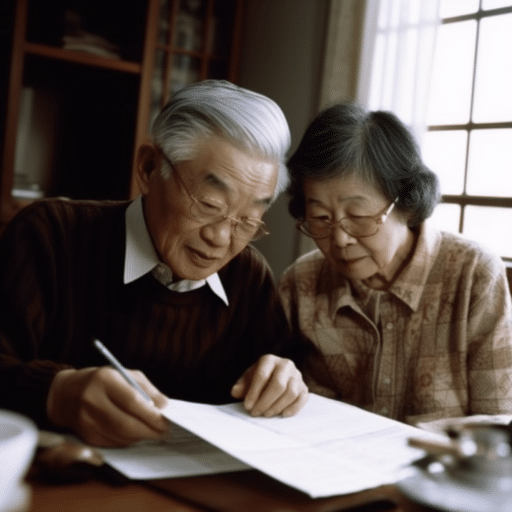
Quali sono i pro e i contro del pensionamento in Giappone?
Il Giappone è un luogo meraviglioso che offre una vita di avventure e opportunità, ma non è privo di inconvenienti.
Quello che per un individuo è un luogo da sogno, per un altro può essere un terribile incubo. Prima di trasferirvi, dovrete valutare i vantaggi e gli svantaggi di vivere in campagna.
Ecco alcuni elementi importanti da ricordare:
Pro
Cultura unica
Se avete visto il film Lost in Translation, capirete quanto possa essere disorientante la cultura giapponese, ma per la maggior parte dei turisti questo fa parte del divertimento!
Ci sono così tante attività e attrazioni uniche che non potrete scoprire in nessun altro posto del mondo. Se siete amanti delle novità, in Giappone non sarete mai a corto di opzioni.
Cucina deliziosa
Il cibo è una componente fondamentale della cultura giapponese. Sicuramente conoscerete i classici, ma il Giappone, come il resto del mondo, ha una scena culinaria ricca e diversificata.
Ogni città, villaggio e porto di pesca ha il suo tocco unico sugli ingredienti di provenienza locale, con alcune soluzioni veramente inventive per i terreni agricoli limitati del paese.
Shopping di livello mondiale
Dall'alta moda di Harajuku ai mercati tecnologici di Yokohama, avrete tutto ciò che potete desiderare a portata di mano.
Enormi centri commerciali, vivaci mercati e boutique uniche si combinano per creare un ambiente di vendita variegato. Prima ancora di esservi ambientati, riceverete istruzioni dai vostri amici a casa.
Tecnologia avanzata
Il resto del mondo sta recuperando terreno, ma il Giappone è stato per decenni l'epicentro della tecnologia innovativa. È ancora all'avanguardia nella vita urbana, con città ben pianificate ed efficienti.
Il treno proiettile è una necessità, ma anche all'interno delle aree cittadine tutto è funzionante. Molti espatriati nordamericani ed europei non hanno mai visto nulla di simile.
Contro
Estremamente costoso
Come avrete notato, il Giappone è uno dei Paesi più cari al mondo. La rapidità dei trasporti e la vivacità della cultura hanno un prezzo. Per molti visitatori, questo prezzo è semplicemente eccessivo. Prima di decidere di andare in pensione in Giappone, dovrete essere onesti con voi stessi riguardo alla vostra situazione finanziaria.
Il lavoro è difficile da trovare
Questo aspetto si ricollega alla questione precedente: la maggior parte delle aziende preferisce i cittadini giapponesi e i residenti permanenti. Questo è vero in tutto il mondo, ma in Giappone la procedura è più ardua. Anche se arrivate con un visto di vacanza-lavoro, trovare un lavoro che corrisponda ai criteri di part-time e che sia disposto a lasciarvi andare dopo pochi mesi può essere difficile.
Procedura di visto difficile
L'immigrazione è un incubo! Il visto La politica è estremamente scomoda e vi mette nella situazione difficile di cercare un lavoro per ottenere un visto e allo stesso tempo di rendersi conto che la maggior parte dei posti di lavoro favorisce coloro che hanno stabilito la residenza in precedenza. Le vostre possibilità sono scarse se non conoscete il giapponese e non avete esperienza di lavoro in una regione carente.
Le città sono densamente popolate
Per alcuni è un vantaggio, mentre per altri le città affollate sono un grande svantaggio. A mezzogiorno gli appartamenti sono angusti, i treni sono sovraffollati e i ristoranti sono scomodi. Se non siete amanti della città, avrete difficoltà a vivere in Giappone. Ci sono luoghi rurali, ma dovete essere certi di essere disposti a rinunciare a certe comodità che solo le città possono offrire.
Come andare in pensione in Giappone: Pensieri finali
Il Giappone è un luogo incantevole, molto richiesto dagli americani che desiderano andare in pensione all'estero. È piuttosto difficile ottenere la residenza in Giappone, ma se ci riuscite, potrebbe essere un luogo eccellente per andare in pensione. Il sistema sanitario del Paese è tra i migliori al mondo.
Siete afflitti dall'indecisione finanziaria?

Adam è un autore riconosciuto a livello internazionale in materia finanziaria con oltre 830 milioni di visualizzazioni di risposte su Quora, un libro molto venduto su Amazon e un contributo su Forbes.