The best art investment funds are globally diversified funds that pool capital to acquire high-quality artworks, offering professional management and access to curated collections.
They allow investors to gain exposure to art markets without buying physical pieces.
Questo articolo tratta di:
- What’s the best art to invest in?
- What are investment funds and how do they work?
- What are positives and negatives in art investments?
- What are open-ended and closed-ended art funds?
Punti di forza:
- Art investment funds provide professionally curated, diversified exposure to high-quality artworks.
- Investing in art carries potential long-term appreciation but also risks like illiquidity and fees.
- Closed-end funds have fixed capital; open-ended and evergreen funds offer more flexible investments.
- Knowledge of artists, trends, and fund structure is crucial for successful art investment.
I miei recapiti sono hello@adamfayed.com e WhatsApp +44-7393-450-837 se avete domande.
Le informazioni contenute in questo articolo hanno un valore puramente indicativo. Non costituiscono consulenza finanziaria, legale o fiscale e non rappresentano una raccomandazione o una sollecitazione a investire. Alcuni fatti potrebbero essere cambiati dal momento della stesura.

What are art investment funds?
Art investment funds are professionally managed funds that pool investors’ money to buy and sell artworks.
Instead of purchasing physical art directly, investors gain exposure to the art market through a fund structure.
These funds may invest in paintings, sculptures, or other collectible art forms and often provide diversification across artists, periods, or styles.
Is art a good investment?
Investing in art can be a good option for investors seeking portfolio diversification and alternative assets.
Historically, high-quality art has offered long-term value appreciation of around 4–7% per year, depending on the segment and period.
Ad esempio, contemporary art has returned approximately 7.5% annually from 1985 to 2018, while the overall art market averaged around 5.3% annually.
Art investments are also weakly correlated with traditional financial markets, meaning they can help reduce overall portfolio risk when combined with equities, bonds, or real estate.
What type of art is the best investment?
The best types of art to invest in are contemporary art, modern classics, and limited-edition prints.
Contemporary art by emerging or in-demand artists can generate high returns if the artist gains recognition.
Modern classics, such as works from the 20th century by established masters, tend to provide stability and long-term value.
Limited-edition pieces and artworks with verified provenance or historical significance also retain value and are easier to trade in the market.
Why Are Art Investment Funds Important?
Art investment funds are important because they provide investors with a structured, professional, and diversified way to access the art market, which can be complex and difficult to navigate individually.
Most high-quality artworks are expensive, illiquid, and require expertise to select, value, and manage.
Funds pool resources from multiple investors, allowing access to curated collections of contemporary and blue-chip art that might otherwise be out of reach.
Key reasons art investment funds matter:
- Professional Curation: Fund managers use market knowledge and expertise to select artworks with strong growth potential, reducing the risk of poor investment choices.
- Diversification: Funds spread investments across multiple artists, periods, and mediums, helping mitigate the impact of market volatility or underperforming pieces.
- Reduced Logistical Burdens: Investors avoid challenges such as storage, insurance, provenance verification, and maintenance of physical artworks.
- Access to Emerging and Established Markets: Funds often include a mix of emerging artists with high growth potential and established masters, balancing risk and long-term stability.
- Liquidity and Management: Some funds, especially open-ended or fractional ownership platforms, provide easier access to buy or sell shares compared with holding physical artworks directly.
In short, art investment funds make investing in art accessible, diversified, and professionally managed, allowing investors to participate in the potential long-term appreciation of art without the complications of owning and managing individual pieces themselves.
What Are the Top Performing Art Investment Funds?
The top-performing art investment funds are those that combine professional curation, diversified portfolios, and access to high-demand artworks, such as The Fine Art Group, Masterworks, Yieldstreet, and Artemundi.
1. The Fine Art Group (Private Equity Art Funds)
The Fine Art Group is a global firm offering private equity art funds for high-net-worth individuals and family offices, focusing on contemporary, modern, and post-war artworks.
- Pro: Curated, high-quality portfolios; access to established and emerging markets; bespoke financing solutions.
- Cons / Considerations: High minimum investments (often millions); long lock-up periods (3–10 years); limited liquidity until fund liquidation.
2. Masterworks (Fractional Ownership Platform)
Masterworks allows investors to buy fractional shares in “blue-chip” artworks by renowned artists such as Banksy and Picasso, with typical holding periods of 3–10 years.
- Pro: Lowers entry barrier with fractional shares; professional management and appraisal; access to high-demand artworks.
- Cons / Considerations: Liquidity depends on secondary market; fees for trading and management; returns rely on timing of art sales.
3. Yieldstreet / Athena Art Finance (Art-Backed Loan Funds)
Yieldstreet, through Athena Art Finance, offers investment opportunities in art-backed loans, where investors earn interest on loans secured by valuable artworks rather than owning the art directly.
- Pro: Provides regular income via interest payments; diversification beyond physical art; professionally managed.
- Cons / Considerations: No direct ownership of art; returns depend on borrower repayment; limited exposure to long-term appreciation.
4. Artemundi (Specialized / Opportunistic Funds)
Artemundi manages funds investing in historical, modern, and post-war artworks, combining emerging and established artists and utilizing technology like blockchain for fractional ownership.
- Pro: Deep expertise in high-quality artworks; combines growth potential with stability; innovative investment structures.
- Cons / Considerations: High minimums and operational complexity; liquidity may be restricted depending on fund type; suitable mostly for accredited investors.
What are the examples of closed-end art funds?
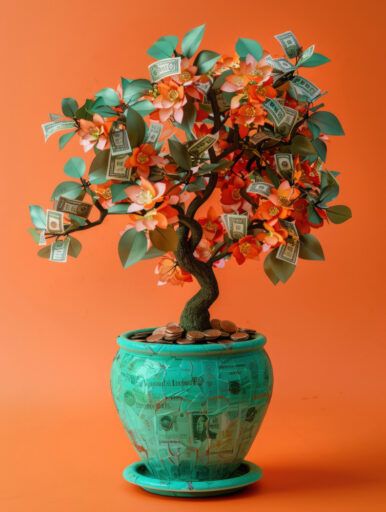
Some well-known examples of closed-end art funds include The Fine Art Fund Group (UK) and Artemundi Global Fund, which invest in curated portfolios of contemporary and modern artworks.
Closed-end art funds raise a fixed amount of capital and typically have a set lifecycle, returning capital to investors upon the sale of the artworks.
This structure provides curated art exposure without the need to manage individual pieces directly.
These funds offer diversification across artists and styles, and access to high-quality art that might be difficult for individual investors to acquire.
However, they also have limitations: investors cannot redeem their capital before the fund’s liquidation, liquidity is low, and returns depend heavily on the timing of art sales and market demand.
Additionally, management fees and operational costs can reduce net gains.
What is the difference between open-ended and evergreen art funds?
Open-ended art funds allow investors to enter or exit at scheduled intervals, with the fund manager actively adjusting the portfolio, while evergreen funds operate continuously, holding artworks long-term and offering flexible entry points.
Open-ended funds provide liquidity and regular valuation, making it easier for investors to redeem shares, but frequent portfolio adjustments can incur higher transaction costs and may limit exposure to long-term appreciation.
Evergreen funds, on the other hand, offer long-term stability and potential for sustained growth, as holdings are retained for extended periods, but investor redemptions can be restricted and liquidity may be lower.
Which Art Investment Fund Structure Is Best for You?
Closed-end funds are best if you want curated, professionally managed exposure and can commit capital for a fixed period, though liquidity is limited until the fund’s lifecycle ends.
Open-ended funds suit investors who value regular liquidity and portfolio adjustments, but frequent trading can increase costs and limit long-term appreciation.
Evergreen funds offer long-term growth with flexible entry points, yet redemptions may be restricted and liquidity lower compared with open-ended structures.
To choose the right fund:
- Consider your investment horizon — short-term vs long-term.
- Assess your risk tolerance and liquidity needs.
- Decide on the art segment (emerging contemporary, modern classics, limited editions).
- Review fund fees, transparency, and track record before committing capital.
Matching your objectives with the fund type allows you to invest in art in a way that aligns with both financial goals and interest in the market, while recognizing the inherent risks.
What are the pros and cons of investing in art?
The main benefits of investing in art are portfolio diversification, potential long-term appreciation, and access to expert curation, while the main drawbacks are illiquidity, high costs, and market volatility.
Pro:
- Portfolio diversification outside traditional markets – Art values often move independently of stocks and bonds, helping reduce overall portfolio risk.
- Potential for long-term capital appreciation – High-quality artworks by established or emerging artists can increase significantly in value over years or decades.
- Access to expert knowledge and curated collections – Investment funds and professional curators provide guidance on selection, valuation, and market trends, which individual investors may find difficult to manage alone.
Contro:
- Illiquidity, making it harder to sell quickly – Art sales often require time and market conditions must be favorable to realize value.
- High fees and management costs – Art funds charge management and operational fees, which can reduce net returns.
- Market volatility and subjective valuation – Prices can fluctuate due to trends, popularity of artists, or changing tastes, and valuations are often based on expert opinion rather than fixed formulas.
Who is the best artist to invest in right now?
While there really is no single artist to pinpoint, a few names stand out, such as Yayoi Kusama, François‑Xavier Lalanne, and Jean‑Michel Basquiat, based on recent auction performance, collector demand, and historical market trends.
Top artists currently attracting strong market interest:
- Yayoi Kusama – In 2024 she was the best-selling contemporary artist globally, generating around US$58.8 million in auction sales.
- François‑Xavier Lalanne – Achieved roughly US$52.8 million in 2024 auction sales, reflecting growing interest in his sculptural works.
- Jean‑Michel Basquiat – Continues to be a high-demand blue-chip artist with strong historical performance at auctions.
Why these artists are noteworthy:
- They demonstrate sustained demand and liquidity compared with lesser-known artists.
- They represent different segments: living contemporary artists (Kusama, Lalanne) and post-war/post-modern icons (Basquiat), offering options for varying risk and return profiles.
Important considerations:
- Auction performance can fluctuate year to year; high sales in one year don’t guarantee future returns.
- Entry costs are often high, especially for blue-chip or highly sought-after works.
- Individual piece factors—provenance, condition, medium, and timing—heavily influence investment outcomes.
Conclusione
Investing in art through professionally managed funds offers a way to access high-quality, curated artworks without handling individual pieces directly.
While these funds can provide diversification, potential long-term growth, and exposure to both emerging and established artists, they come with challenges such as illiquidity, fees, and market volatility.
Selecting the right fund and understanding the artists and art segments involved is essential for aligning your investment with financial goals and personal interests.
Art investing remains a specialized, alternative asset class that rewards informed, patient investors.
Domande frequenti
What is the 7% rule in investing?
The 7% rule can refer to different investing guidelines depending on context:
-Long-term growth target: Some investors aim for an annual return of around 7%, including alternative assets like art or equities, to outpace inflation and steadily grow wealth.
-Savings guideline: Financial planners often recommend saving about 7% of gross income as a starting point for consistent wealth-building.
-Stop-loss approach: Active traders may sell an investment if it falls roughly 7%–8% below the purchase price to limit losses and remove emotional bias, though this is less relevant for long-term strategies.
What are the best types of funds to invest in?
The best types of funds generally include diversified mutual funds, fondi indicizzati, and exchange-traded funds (ETFs) that offer broad market exposure.
Other strong options are closed-end funds or actively managed funds with a proven track record and consistent performance.
The key is to choose funds that align with your risk tolerance, investment horizon, and financial goals.
Why do billionaires invest in art?
Billionaires invest in art for portfolio diversification, wealth preservation, status, and potential long-term appreciation outside traditional markets.
How much is the JP Morgan art collection worth?
The JP Morgan art collection is generally estimated to be worth hundreds of millions of dollars, with some reports valuing it at around $900 million.
The collection spans historical and contemporary works accumulated over decades, making it one of the most significant private art holdings globally.
Siete afflitti dall'indecisione finanziaria?

Adam è un autore riconosciuto a livello internazionale in materia finanziaria con oltre 830 milioni di visualizzazioni di risposte su Quora, un libro molto venduto su Amazon e un contributo su Forbes.