There is no single best country for investimenti esteri in 2025. The right choice depends on an investor’s financial goals, risk tolerance, industry preferences, and investment horizon.
While some investors may prioritize high-growth emerging markets, others may seek economic stability, tax advantages, or strong regulatory protections.
Se state cercando di investire come espatriati o individui con un alto patrimonio netto, che è ciò in cui sono specializzato, potete inviarmi un'e-mail (advice@adamfayed.com) o un messaggio WhatsApp (+44-7393-450-837).
Questo vale anche per chi è alla ricerca di un secondo parere o di investimenti alternativi.
Alcuni fatti potrebbero cambiare rispetto al momento della stesura del presente documento e nulla di quanto qui scritto rappresenta una consulenza finanziaria, legale, fiscale o di qualsiasi tipo, né una sollecitazione a investire.
This article explores the key factors that determine an ideal choice when you choose to invest in other countries, and highlights the top countries have potential for foreign investors in 2025.
How to Choose the Best Countries for Foreign Investment
There are several critical factors that investors must consider when looking for the best country to invest in. These factors influence profitability, risk exposure, and long-term sustainability of investimenti.
Economic Growth & Stability
A country’s economic strength and growth trajectory determine whether it is an attractive investment destination. Investors typically look for:
- GDP Growth Projections: Countries with high GDP growth often indicate strong demand, business expansion, and rising consumer spending. Emerging economies like India and Vietnam are expected to see rapid GDP growth in 2025.
- Inflation and Interest Rates: Moderate inflation and stable interest rates create a favorable investment climate. High inflation erodes investment returns, while excessively high interest rates increase borrowing costs.
- Economic Resilience: Countries that recover quickly from recessions, maintain stable employment levels, and have strong financial institutions offer safer investment opportunities.

While fast-growing economies present exciting opportunities, they often come with higher volatility and regulatory uncertainty.
In contrast, developed nations like the U.S., Canada, and Singapore provide economic stability and strong financial markets, making them safer but slower-growing options.
Business & Investment Climate
A country’s ease of doing business, foreign investment policies, and regulatory transparency are crucial for investors. Key factors include:
- Ease of Doing Business Index: Countries that simplify business registration, reduce bureaucratic barriers, and offer investor protections attract more foreign capital. Nations like Singapore and the UAE consistently rank high in ease of doing business.
- Foreign Ownership Regulations: Some countries restrict foreign investors from owning certain assets, such as land, critical industries, or majority stakes in businesses. Countries with liberal FDI (Foreign Direct Investment) policies, like India and Vietnam, attract more global investors.
- Government Incentives & Tax Policies: Business-friendly tax structures, corporate tax reductions, and investment grants encourage foreign capital. The UAE’s tax-free zones and Singapore’s corporate tax incentives make them attractive to investors.
While emerging economies offer growth potential, they may have weaker legal protections, corruption risks, or regulatory uncertainty that increase investment risks.
Investors should research the legal framework, tax structures, and government support before investing in foreign markets.
Currency Strength & Financial Markets
A country’s currency stability and capital market maturity influence investor confidence. Key factors include:
- Stable Currency vs. Volatility: Investing in countries with weak or highly volatile currencies can expose investors to currency depreciation risks. Nations like Switzerland, Singapore, and the U.S. have strong, stable currencies backed by robust economies and strong central banks.
- Liquidity & Accessibility of Financial Markets: Countries with well-developed stock markets and banking systems provide better opportunities for equity, bond, and alternative investments. The New York Stock Exchange (U.S.), London Stock Exchange (UK), and Singapore Exchange offer global investors access to diversified portfolios.
- Foreign Exchange Regulations: Some countries impose capital controls, limiting how foreign investors move money in and out. Investors should check if a country allows free repatriation of profits and unrestricted forex transactions.
While emerging market currencies offer high-yield opportunities, they are more vulnerable to geopolitical risks and inflationary pressures. Investors seeking stable returns often prefer investing in nations with strong financial markets and convertible currencies.
Political & Geopolitical Risks
Political stability is a critical factor in choosing a foreign investment destination. Investors should evaluate:
- Government Stability & Policy Consistency: Frequent political changes, weak governance, or policy uncertainty can disrupt markets. Countries with stable political systems (e.g., Canada, Switzerland, Singapore) are preferred by risk-averse investors.
- Trade Agreements & International Relations: Trade-friendly countries with open markets and strong global partnerships attract investment. The U.S., UK, and EU nations benefit from extensive trade agreements, while China’s relationships with global markets continue to evolve.
- Risk of Nationalization or Capital Controls: Some countries restrict foreign investors from taking profits out of the country or nationalize key industries during economic crises. Countries with strong property rights protections and investor-friendly laws offer greater security.
Countries with high geopolitical tensions, frequent policy shifts, or restricted trade policies pose significant risks to foreign investors. Balancing opportunity with risk management is crucial when choosing an investment destination.
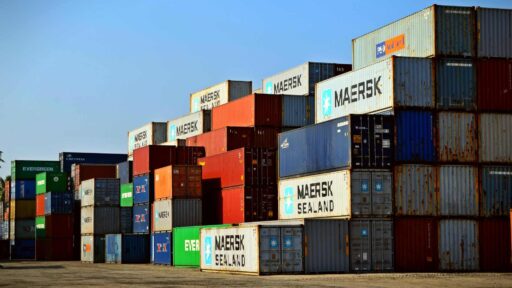
Sector-Specific Opportunities
Different countries specialize in key industries that attract foreign capital. Investors should consider:
- Technology & Innovation Hubs: The U.S. (Silicon Valley), Singapore, and Israel are leading AI, biotech, and fintech centers with strong R&D incentives.
- Real Estate & Infrastructure: The UAE, Canada, and Germany have booming real estate sectors with stable long-term appreciation.
- Manufacturing & Export Growth: Countries like Vietnam, India, and Mexico offer low-cost, high-efficiency manufacturing with growing export markets.
- Renewable Energy & Natural Resources: Brazil and Australia have strong energy and resource sectors, attracting foreign investors in mining, oil, and renewables.
Identifying fast-growing sectors within a country’s economy helps investors align their strategies with long-term market trends.
Which is the best country for foreign investment in 2025?
While there is no single best country to invest in, the ideal choice depends on economic trends, sector-specific opportunities, regulatory environments, and individual investment goals.
Below are the most promising destinations for foreign investors based on insights from prominent financial institutions, investment reports, and global market trends.
Vietnam – Best for High-Growth Emerging Market Investments
Why Invest?
Vietnam has transformed into one of Asia’s fastest-growing economies, with a GDP growth rate averaging 7% per year since 1990.
The country’s economic expansion is fueled by foreign direct investment (FDI), high-value manufacturing, and technology sector growth.
Vietnam’s strategic location and trade agreements with the EU and U.S. make it a top destination for investors looking for low-cost, high-growth opportunities.

Investment Opportunities:
- Manufacturing & Export Sectors: Vietnam is a global hub for electronics and textiles, attracting major corporations like Apple and Samsung.
- Real Estate & Infrastructure: Rapid urbanization and government-backed infrastructure projects present lucrative investment opportunities.
- Stock Market: The Vietnam Stock Exchange has experienced consistent double-digit growth, with a push toward market liberalization.
Rischi:
- Currency volatility and regulatory changes may affect investment returns.
- Limited capital market depth compared to developed economies.
United Arab Emirates (UAE) – Best for Tax-Free & Business-Friendly Investments
Why Invest?
The UAE offers one of the most attractive business environments for foreign investors, with zero personal income tax, strong infrastructure, and a stable currency pegged to the U.S. dollar.
Dubai’s real estate market has seen significant appreciation, and government-backed economic diversification efforts make it a top choice for long-term investments.
Investment Opportunities:
- Real Estate: Dubai continues to be a hotspot for global property investors, offering high rental yields and strong capital appreciation.
- Financial Services & Free Zones: The UAE has 100% foreign ownership policies in many industries, making it an ideal location for offshore businesses.
- Energy & Renewables: Investments in solar, hydrogen, and clean energy are rising, driven by the UAE’s commitment to sustainability.

Rischi:
- Over-reliance on real estate and oil industries makes the UAE vulnerable to global economic downturns.
- High cost of living in major cities like Dubai and Abu Dhabi.
Singapore – Best for Stability & Financial Services
Why Invest?
Singapore remains one of the world’s most business-friendly nations, ranking consistently at the top for ease of doing business, regulatory transparency, and financial market stability.
It serves as a gateway to Southeast Asia, making it an ideal location for investors seeking exposure to fast-growing regional economies.
Investment Opportunities:
- Banking & Financial Services: Singapore is home to global financial institutions, offering a stable currency and strong investor protections.
- Technology & Startups: The government provides extensive support for AI, biotech, and fintech companies, making Singapore a hub for innovation.
- Real Estate & Commercial Investments: The Singaporean real estate market remains resilient, with strong rental demand from expats and businesses.
Rischi:
- High real estate prices may limit immediate investment returns.
- Strict regulatory policies on foreign ownership in certain industries.

Brazil – Best for Natural Resources & Agriculture Investments
Why Invest?
Brasile is rich in natural resources, agriculture, and energy sectors, making it an attractive destination for investors seeking exposure to commodities and emerging market growth.
The government’s focus on renewable energy and infrastructure projects provides further investment opportunities.
Investment Opportunities:
- Renewable Energy & Infrastructure: Brazil is expanding its solar, wind, and hydro energy sectors.
- Agriculture & Commodities: The country is a top global producer of soybeans, coffee, and beef, benefiting from rising food demand.
- Stock Market: The B3 Stock Exchange (BM&FBOVESPA) offers diversified investment opportunities in consumer goods, banking, and industrial sectors.
Rischi:
- Political instability and regulatory uncertainty can affect investor confidence.
- Currency volatility poses risks for foreign investors.

India – Best for High-Growth Consumer & Tech Sectors
Why Invest?
India’s economy is one of the fastest-growing in the world, with a booming middle class and strong consumer demand.
The government’s “Make in India” initiative and tech-driven reforms have made it a global hub for manufacturing, IT, and e-commerce.
Investment Opportunities:
- Technology & Startups: India has a thriving fintech, AI, and SaaS startup ecosystem.
- Consumer Market Growth: A rapidly expanding middle class drives demand for retail, real estate, and healthcare investments.
- Stock Market: The NSE (National Stock Exchange of India) has seen significant foreign investor inflows.
Rischi:
- Bureaucratic hurdles and regulatory complexity can slow foreign investments.
- Inflation and currency depreciation risks need to be managed.
Investors should assess sector-specific opportunities, geopolitical risks, and regulatory environments before deciding where to allocate their capital in 2025. For more guidance, consult an consulente finanziario per gli espatri.
Siete afflitti dall'indecisione finanziaria?

Adam è un autore riconosciuto a livello internazionale in materia finanziaria con oltre 830 milioni di visualizzazioni di risposte su Quora, un libro molto venduto su Amazon e un contributo su Forbes.