
Mappa del sito: Vivere all'estero > Living in Croatia
In Croatia, known for its Mediterranean beauty, ancient charm, and rich cultural legacy, foreign investors and residents have remarkable options. The real estate market offers beachfront and historic residences, attracting investors seeking lifestyle and returns. Tourism and renewable energy also boost Croatia’s appeal to foreign investors.
In this page, we’ll cover various talking points related to investing and living in Croatia, such as:
- Is Croatia in the EU?
- Is Croatia a good place to live?
- Living in Croatia Requirements
- Investing in Croatia
- Croatia government
- Croatia economy
Se state cercando di investire come espatriati o individui con un alto patrimonio netto, che è ciò in cui sono specializzato, potete inviarmi un'e-mail (advice@adamfayed.com) o un messaggio WhatsApp (+44-7393-450-837).
Is Croatia in the EU?
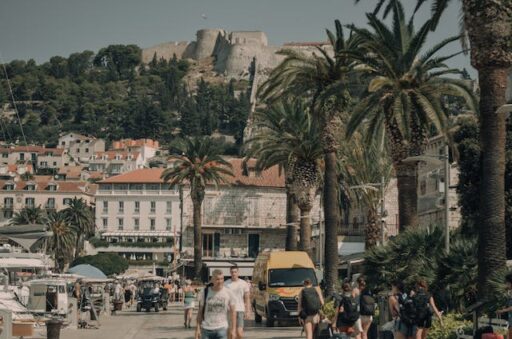
Croatia, located in Southeast Europe, on the Adriatic Sea’s eastern coast, is a member of the EU. It shares borders with Slovenia, Hungary, Serbia, and Bosnia and Herzegovina, with Zagreb as its capital and largest city.
Is Croatia a good place to live?
Croatia living conditions
Expats are drawn to Croatia because of its excellent level of living, especially in its coastal locations, which is complemented by its Mediterranean climate, stunning scenery, and rich cultural legacy. Those thinking about relocating should give careful thought to the fact that living conditions might be affected by economic discrepancies between rural and urban locations as well as by differences in the quality of infrastructure.
Croatia language
Despite Croatian being the official language in Croatia, many people, particularly those living in cities or working in the tourism industry, are fluent in English. Tourist hotspots often have locals who speak languages other than English, such as German or Italian.
Croatia currency
The Croatian Kuna is the official currency, further subdivided into 100 lipa. Most people who live or visit Croatia use the kuna as their currency for purchases, prices, and other financial dealings.
Croatia weather
Thanks to its diversified topography and strategic location, Croatia experiences various weather. The Mediterranean climate is typical along the coast, with hot, dry summers and warm, rainy winters.
Zagreb and other interior districts experience a continental climate with scorching summers and harsh winters, among other different seasons.
Warm weather is typical along the coast in the summer, June–August, when many tourists visit famous places like Split.
From December to February, coastal regions get milder winters than continental regions.
Mountain regions see more extreme weather, including harsh winters and rare snowfall.
The transitional seasons of spring, March to May, and autumn, September to November, offer better weather and less visitors.
Cost of Living in Croatia
Is Croatia expensive? The country is estimated to have monthly expenditures of €3,059 for a household of four and €1,365 for an individual, as per Expatistan. The cost of living in Croatia is cheaper than in 52% of the world’s countries, despite the fact that it is the third most costly country in Eastern Europe.
Cost of living in Croatia for international students
Living cost in Croatia, including housing, food, electricity, and other essentials, can set back international students from €400 to €700 monthly.
Contenuti correlati: Affordable European Countries to Study as an Expat
Cost of living in Croatia vs USA
Croatia has a cost of living that is about 39% lower than America’s. The anticipated monthly costs for a family of four are $5,980 in the US, while the expenses for an individual are $3,613.
Is Croatia safe to live?
People often say that Croatia is a safe place to live. Ranked among the world’s and Europe’s safest nations, it boasts an exceptionally low crime rate. Both violent crime and the danger of terrorism are very uncommon. Normal safety precautions should be taken, nevertheless, as in any country.
While pick-pocketing and other forms of street crime are uncommon, tourists should remain somewhat wary of minor theft in high-traffic areas. Additionally, it is advised to keep valuable possessions locked up, not display any indicators of wealth, and adhere to law enforcement standards.
Where do expats live in Croatia?
- With a large expat community, historical landmarks, and cultural events, Zagreb offers a high quality of life at low expenses.
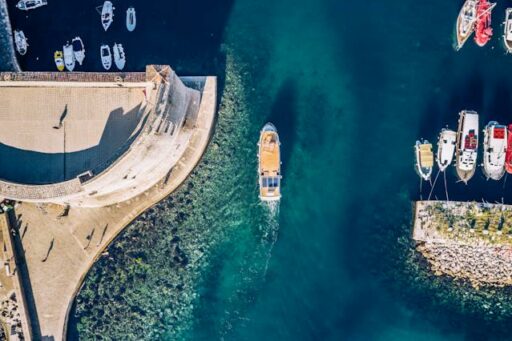
- The second-largest city on the Croatian coast, Split is known for its ancient beauty, beautiful beaches, and vibrant waterfront. A pleasant expat community and affordable living costs are available.
- With magnificent beaches, active nightlife, and stunning scenery, Hvar offers quality lodgings at affordable prices.
- A laid-back cosmopolitan city on the Istrian Peninsula, Pula has Roman architecture along the coast. Good quality of life and low living costs are guaranteed.
- Rijeka is a coastal city with beautiful views and low costs. A rising expat community and numerous amenities are its features.
- The ancient tourist destination of Dubrovnik has a rich history and attractive surroundings excellent for distant workers due to its high quality of life but limited career prospects.
- The coastal city of Zadar has a good quality of life and low living costs due to its gorgeous beaches and busy nightlife.
- Known for its beaches, nightlife, and coastal beauty, Rovinj offers expats a great quality of life at low cost.
Expat jobs in Croatia
Expats in Croatia want jobs in many industries:
- In the Construction and Building Trades industry, roles include construction workers, fitters, painters, decorators, roofers, plumbers, electricians, and civil engineers.
- The Automotive and Transportation Services sector offers jobs such as truck drivers, semi-trailer truck drivers, auto mechanics, painters, and bodyworkers.
- Cooking and food production opportunities include national cuisine chefs, butchers, bakers, and confectioners.
- IT & Software Development offers opportunities for software developers, UI designers, and system administrators.
- Expats living and working in Croatia are interested in English teaching employment such as English teacher, business English trainer, and tour guide.
- The development of e-commerce has created a demand for delivery drivers in Croatia.
- In Croatia’s growing agricultural sector, personnel are needed to help cultivate and maintain crops in greenhouses.
Expats may struggle to find work in Croatia’s competitive job market without a good command of the language. Opportunities remain, especially in the above fields.
What is a good salary in Croatia?
According to the Croatian Bureau of Statistics, the average wage in 2023 was €1,499 per month, although this can vary from person to person.
A monthly gross pay of €1,549 is recorded in the lodging and meals sector, the lowest, and an average gross salary of €2,257 in the information and communication industry.
Banking in Croatia for expats
Croatia has a well-developed financial infrastructure that serves locals and non-residents, making expat banking easy. Foreigners can simply create a bank account, and major international banks offer savings, checking, loans, and online banking.
Croatian banks offer services in various languages, including English, making financial management easy for foreigners. Due to widespread online banking, expats can transact, monitor, and use other banking services from home.
To find the best fit for their specific financial situation, expats can shop around and compare services offered by various institutions. A more pleasant banking experience in Croatia is possible if one is familiar with the local rules and the costs of different financial services.
Money transfer in Croatia
There are a number of possibilities for money transfers in Croatia, both for citizens and expats. Services to send and receive funds are offered by a variety of sources, including online platforms, money transfer operators, and traditional banks.
For both local and foreign wire transfers, Croatian banks are at your service. Banks can charge different amounts for connected fees and exchange rates, so it’s wise to shop around.
You may send and receive money easily in Croatia through the many alternatives provided by money transfer services such as Western Union and MoneyGram. Many places, such as post offices and sites of dedicated agents, offer these services.
Expats also benefit greatly from the services offered by online platforms and fintech organizations, which provide easy international money transfers. In comparison to more conventional banking options, these platforms typically provide more favorable exchange rates and maybe even reduced fees.
Healthcare and insurance in Croatia
All legal Croatian residents and expats must register with the Croatian Health Insurance Fund (HZZO) and pay health insurance. The Croatian Institute for Health Insurance requires registration within 8 days of arrival.
Croatia has many public hospitals, clinics, medical centers, and doctors’ offices. The public healthcare system has high wait times. If HZZO-approved, expats can choose their healthcare provider.
Local health insurance providers offer expats full coverage for Croatian citizens’ unique demands.
International health insurance provides wider coverage for optical care and non-reimbursed medications for expats.
Croatian private health insurance is affordable, but public health insurance deducts from salaries. In terms of services and perks, expat health insurance is cheaper.
Pension system in Croatia
Croats’ pension system rests on three insurance pillars. Participation in the third is entirely optional, but the previous two are mandatory. Intergenerational solidarity forms the basis of the first pillar, which is overseen by the Croatian Pension Insurance Institute. Money for the first pillar goes into the state coffers.
Additionally, the second pillar is obligatory and is overseen by state-supervised special pension corporations that are privately held. Participation in the third pillar is entirely optional, however it does come with financial incentives from the government. Pension accrual is proportional to contributions made to the system.
Population shifts are putting pressure on the pension system, so policymakers are trying to fix it. An individual’s pension is determined by adding their personal value points to the pension factor; the system then pays them that amount when they reach a certain age.
The minimum age to retire is 65, and after working for 15 years, people are eligible to receive a pension. Submit your pension application to the Croatian Pension Insurance Institute’s regional office that is most suited to handle your case. Pensions are thought to be sustainable as a system, but their long-term social viability is a matter of worry.
Contenuti correlati: How to Retire in Croatia
Expat tax in Croatia
Secondo PwC, worldwide taxation applies to taxpayers residing in Croatia. Taxes on income earned in Croatia must be paid by non-resident taxpayers. Payments made to non-resident performers like artists, entertainers, or athletes who are subject to withholding tax as a result of corporate income tax laws are exempt from personal income tax.
It is possible for an individual to switch from paying personal income tax to corporate income tax (profit tax) in specific situations, either willingly or by force.
During the yearly assessment of tax liability, Croatia applies progressive tax rates to the taxable base. In Croatia, a person’s progressive tax rate is determined by their habitual residence or place of residence.
The local self-government entities have the option to select one of two progressive tax rates, with 15% being the lowest and 35.4% the highest. The ranges from which a city or town can select the lower or higher progressive tax rate, however, vary according to the size of the entity in question.
Living in Croatia pros and cons
Pro
- Beautiful Scenery: Croatia’s beaches, scenery, and old cities make living amazing.
- Mediterranean Climate: Even in winter, the country has lots of sunshine and good weather.
- Low Taxes: Expats choose Croatia because it has cheap taxes compared to Western Europe.
- Budget-Friendly: Croatia has inexpensive utility expenses and no property tax.
- Healthcare: The country has free healthcare and cheaper private healthcare than several EU members.
- Safety: Croatia is one of the safest countries in the world, with a pleasant culture.
Contro
- When it comes to formal matters like paying taxes or applying for a visa, navigating Croatia’s bureaucratic systems may be a real pain.
- Expats may have a substantial language barrier when living outside of cities, even if many city people are fluent in English.
- When compared to salaries, the cost of living might be relatively high for locals.
- The hard economic climate in Croatia has an effect on both the general cost of living and the opportunities available to businesses and individuals.
- Access to basic services and emergency medical treatment may be more challenging in some areas of Croatia, especially the islands, due to the low population density there.
Living in Croatia Requirements

Croatia visa
An application for a temporary residency permit can be made at the local police department by non-EU citizens in order to live in Croatia. Permits are typically renewable for up to an additional year. A long-stay visa can be obtained at any Croatian embassy or consulate for non-EU persons planning to relocate to Croatia. These four types of visas—work, student, family, and digital nomad—are the most popular for extended stays.
A Croatia digital nomad visa is available to non-EU/EEA residents. A steady monthly income of around €2,539.31 and proof of remote work are required of applicants, as per Visa Guide.
Applying for a digital nomad residency permit is as easy as filling out an online form or visiting any of Croatia’s diplomatic or consular offices. A bilingual version of the application form (Form 1a) is available in both Croatian and English.
The application requires a passport, proof of monthly income, health insurance, and proof of accommodation in Croatia. The travel document should last three months after the digital nomad visa expires.
Digital nomad residence permits are valid for up to a year from the date of issuance. Applicants are allowed to reapply for this type of visa up to six months after their current authorization expires.
You must indicate your address of stay or expected stay in Croatia while applying. Your search for the local police station or administration will be futile without these data.
After landing in Croatia, people must get a temporary residence permission from the police. It can be extended, but temporary residence permits normally last one year. A person’s citizenship, heritage, and purpose of stay determine whether they can get a visa or residence permit. Long-term residents need a permission too.
Short-stay, long-stay, and citizenship-specific residency permits are available in Croatia. Particular information about visa and residency permit requirements and application can be received from the Croatian embassy or consulate in the applicant’s home country.
Contenuti correlati: How to become a digital nomad: An expat’s guide
Croatia residency
The application process for permanent residency in Croatia begins after non-EU residents have lived in the country for five years under a temporary residence permit.
Meanwhile, permanent residency is an option for Croatian nationals’ family members after two years of living in the country.
Croatia citizenship
Residence, birth, marriage, emigration, the Republic of Croatia’s interest, and association with the Croatian nation can lead to citizenship.
The Croatian Citizenship Act governs citizenship acquisition and termination. Based on jus sanguinis (right of blood) and jus soli (right of soil), the Act allows citizenship via descent, birth in Croatia, or naturalization.
Obtaining Croatian citizenship requires an application and supporting documents including birth, marriage, and residence certificates. Applicants may also need to demonstrate Croatian language and culture fluency and a commitment to following Croatian law and customs. Croatian citizenship requirements and processes are on the Ministry of the Interior’s website and available from the competent state administration office.
Investing in Croatia
Croatia investment is open to foreigners. In an attempt to entice international investors, the Croatian government has offered financial advantages, and the country is usually welcoming to foreign investment.
Contenuti correlati: Countries That Pay You to Move There – Part 2
Croatia government
The President of Croatia is elected to a five-year term and serves as the head of state of this parliamentary representative democratic republic. Overseeing the executive branch, the Prime Minister serves as the head of government.
Croatia Economy
Tackling fundamental challenges is necessary to enhance productivity and accelerate development moving forward, despite the fact that Croatia economy has been resilient and rising recently.
The 2023 Index ranks Croatia as the 46th most economically free country, according to the Heritage Foundation.
Can foreigners buy property in Croatia?
Yes, non-Croats can purchase real estate in Croatia, but EU citizens have different stipulations. Under the same terms as Croatian citizens, individuals or legal entities from any EU member state, Liechtenstein, Norway, or Iceland can purchase Croatia real estate.
Agricultural fields and islands are examples of exempted zones where property purchases are subject to certain restrictions. Additionally, Swiss nationals are able to buy property in Croatia without the government’s previous approval.
A reciprocity agreement between Croatia and the buyer’s country is required for all other nationals. Croatian real estate is open to foreign buyers. This includes homes, hotels, villas, and more. Forests, protected assets, cultural landmarks, and agricultural fields are off-limits to them. Only through a Croatian corporation may agricultural land be purchased.
Buying a home in Croatia entails looking into the market, working with a real estate agency, creating a purchase agreement, getting everyone’s signatures, and then registering the sale at the Land Registry. The purchaser settles all fees and costs associated with the purchase.
Contenuti correlati: Six best places to own a holiday home in Europe in 2023
Can foreigners get a mortgage in Croatia?
Lenders in Croatia tend to favor customers who have permanent residency status. There might be less red tape and more parity for EU citizens compared to Croatian citizens.
In order to open an account with a bank, you usually need to show proof of a regular income, either from Croatia or your home country. When getting a mortgage, this is a major consideration.
Loans for foreigners to buy a home are available from a number of Croatian banks, and the terms can range from ten to twenty years with variable interest rates.
You can get a mortgage in euros or any foreign currency, but you’ll have to pay it back in Croatian kuna.
Banks usually favor customers with a more established and long-term relationship to the nation, thus foreigners with temporary status may have trouble getting a mortgage.
Other investing options in Croatia
Both domestic and international investors can find a suitable investment opportunity in Croatia. Here are a few of Croatia’s most attractive opportunità di investimento:
- Turismo
- Telecomunicazioni
- pharmaceuticals and healthcare
- IT
- clean energy
More than 2,500 MW of renewable energy sources, including solar, wind, and geothermal power, will be connected to the grid by 2030, according to government plans, suggesting promising prospects for the clean energy market.
Pros and cons of investing in Croatia
Pro
- Croatia’s stable economy attracts foreign investment.
- Investors can benefit from the country’s high-quality housing.
- Investors like Croatia because real estate prices are lower than in other European countries.
- Real estate investors can benefit from Croatia’s tourism.
- Investment Promotion Act and double tax treaties are among the Croatian government’s incentives to encourage international investment.
- Investors like Croatia’s Adriatic Sea position and EU membership.
Contro
- Ukrainian, Belarusian, and Russian citizens cannot buy real estate in Croatia for non-residential uses.
- Croatia’s economy has grown, although it may not be as stable as other European countries’.
- Croatia, a developing nation, may confront political and economic issues that could affect investment stability.
- Croatia may have limited credit and funding for real estate projects, which may slow the investing process.
Siete afflitti dall'indecisione finanziaria?

Adam è un autore riconosciuto a livello internazionale in materia finanziaria con oltre 830 milioni di visualizzazioni di risposte su Quora, un libro molto venduto su Amazon e un contributo su Forbes.
