
Mappa del sito: Vivere all'estero > Living in Luxembourg
You might wonder, where is Luxembourg in Europe? The country actually lies in Western Europe and is a landlocked nation. To the west and north it has Belgium, to the east it has Germany, and to the south it has France.
Despite its little stature, the wealthy and strategically important European nation of Luxembourg is well-known as a founding member of the European Union. Luxembourg City, the capital, is a key financial and administrative hub for the EU.
Se state cercando di investire come espatriati o individui con un alto patrimonio netto, che è ciò in cui sono specializzato, potete inviarmi un'e-mail (advice@adamfayed.com) o un messaggio WhatsApp (+44-7393-450-837).
Let’s delve into different key points for investire da espatriati and living in Luxembourg, including:
- Is Luxembourg a good place to live?
- Is Luxembourg expensive to live?
- Moving to Luxembourg
- Can expats invest in Luxembourg?
- Luxembourg Economy

Is Luxembourg a good place to live?
Luxembourg is widely regarded as an excellent place to live, boasting a high quality of life supported by top-tier healthcare, education, and public services. The country’s strong and stable economy, driven by finance and technology sectors, contributes to one of the world’s highest GDP per capita. With a multilingual and multicultural environment, Luxembourg attracts an international community, fostering a cosmopolitan atmosphere. Its safety, beautiful scenery, and central location in Europe further enhance its appeal. However, potential residents should be aware of the relatively high cost of living and competitive housing market.
Weather in Luxembourg
Mild summers and cold winters define Luxembourg’s fairly continental climate. Junie to September is the length of the warm season. The winter months span roughly four months, from November to March. April through August sees the heaviest precipitation.
Luxembourg language
what language is spoken in luxembourg It is feasible to get by in Luxembourg speaking only English, as the language is so extensively spoken there by locals and expats both in social and professional contexts. Officially, Luxembourgish, French, and German are the three languages of the country.
Still, it helps to know the basics of the local language and culture, so picking up French or German can’t hurt for day-to-day conversations.
Is Luxembourg safe to live?
Luxembourg has a very low crime rate, with very few reports of violent and property offenses. People living there can rest easy because of the small size of the country and the high level of living there.
The country maintains a steady political atmosphere, highlighting its commitment to political stability and strong diplomatic connections, thanks to its status as a founding member of the EU and hosting many EU institutions.
The long-standing infrastructure, top-notch healthcare, and extensive social services that provide Luxembourgers a feeling of safety are the reasons for the country’s stellar reputation and its high standard of life.
Banking in Luxembourg
Luxembourg uses the Euro (EUR) as its official currency and is a Eurozone member, where the ECB sets monetary policy.
Luxembourg banks offer savings, checking, loans, mortgages, and investment options. High-net-worth people and expats are drawn to private banking and gestione patrimoniale.
The nation is home to branches of many multinational banks that use the country’s knowledge and experience in international finance, fund administration, and wealth management.
The majority of Luxembourgish banks provide online banking services, letting customers safely handle their accounts, make transactions, and access their financial data through digital platforms.
Banking services in Luxembourgish, French, German, and English are available to customers.
Luxembourg has changed to conform to global norms on information exchange, showing a dedication to openness and fighting financial crimes; the country is famous for its strict bank secrecy regulations.
Up to a certain maximum per depositor, qualifying deposits in Luxembourg are insured by the Luxembourg Deposit Guarantee Scheme, which provides protection for those deposits.
Contenuti correlati:
Banque de Luxembourg: analisi 2023
Is Luxembourg expensive to live?
Secondo Expatistan, a single individual may expect the cost of living in Luxembourg to be around €3,209 per month, while a family of four can expect to spend about €5,237.
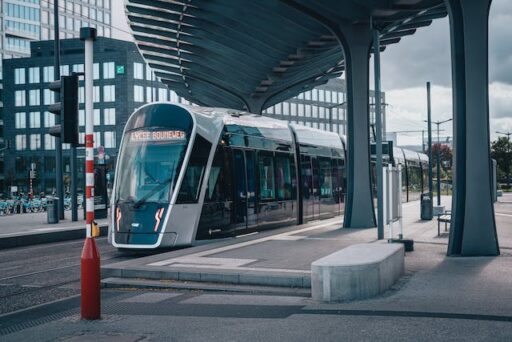
The living cost in Luxembourg is greater than in 77 percent of cities globally and 80 percent of Western European cities, according to the estimates.
How much is rent in Luxembourg?
Housing costs a pretty penny in Luxembourg. A furnished 900-square-foot apartment in a posh neighborhood will run you around €2,669 per month on average. Whereas comparable lodgings in a more conventional region often start at about €2,196. A 480-sqft furnished studio in an upscale neighborhood would run you around €1,662 per month, while the same unit in a more affordable area would cost you around €1,331.
Cost of living in Luxembourg for international students
International students studying in Luxembourg should budget about €1,805 per month, according to the University of Luxembourg. This budget covers a range of expenses, such as lodging, food, books, and other incidental items.
Cost of living in Luxembourg vs US
Living in the US costs 8% more than in Luxembourg. Monthly expenditures for a family of four are $5,984 in the US, while single-person expenditures are projected at $3,614. This makes the US cost of living greater than in 90% of countries worldwide.
Insurance and Healthcare in Luxembourg
Luxembourg residents and expats must have health insurance. Essential medical services are covered by public and commercial health insurance.
The CNS is Luxembourg’s national health insurance system. Income-based contributions cover medical treatments, hospital stays, and prescriptions.
Many residents and expats choose complementary health insurance to cover costs not covered by public insurance apt for Luxembourg living. Supplemental coverage may include dental care, hospital comforts, and other services.
Luxembourg has modern hospitals, clinics, and medical centers. The major Luxembourg City hospitals are well-equipped and manned by qualified doctors.
Residents can choose a general practitioner for primary care, and GPs can recommend patients to specialists. Access to medical specialists is easy too.
For quick assistance, citizens can call European emergency number 112.
Contenuti correlati: Best Health Insurance for Expats in Luxembourg
Expat education in Luxembourg
Luxembourg’s expatriate schools emphasize multilingualism and international curricula.
Many Luxembourg international schools use the IB or Cambridge curricula and teach in English. These schools welcome expat families, creating a multicultural learning environment.
Public education in Luxembourg is free and mandatory for 4–16-year-olds. Luxembourgish is the main language, with French and German as second languages.
The Luxembourg European School follows the European Schools system and offers multilingual education in several languages. It is often preferred by European institution expats.
Luxembourgish education is divided into age-specific cycles. Students can pursue secondary education or international diplomas.
Luxembourg jobs for foreigners
The most sought-after Luxembourg jobs for expats span multiple industries including IT, management, finance, transportation, logistics, services, tourism, and construction.
It’s important to recognize Luxembourg’s competitive job market. Many jobs require language abilities due to the country’s multilingualism. Speaking French, German, or Luxembourgish can boost job possibilities in the local market.
Contenuti correlati: High-Paying Expat Jobs in Luxembourg
Pension in Luxembourg
There are three different types of pension schemes in Luxembourg: public, occupational, and individual.
- The National Pension Insurance Fund oversees the State Pensions, the initial tier. This base level is mainly supported by social security contributions provided by employers and employees and functions on a pay-as-you-go basis. The state pension cannot be sustained without these contributions.
- Occupational pensions make up the second layer. At this level, companies pay into their workers’ supplemental pension plans. Private pension funds and insurance firms usually oversee these programs. They provide workers with an extra safety net when they retire.
- Personal savings plans known as Supplementary Pensions make up the third layer. Products like life insurance and private pension funds could fall into this category. People add another layer of pianificazione finanziaria to their pension approach by contributing to these plans, which further boost their retirement income.
When it comes to the state pension system, workers and businesses alike are obligated to put money in. The employee’s pay is used as a percentage to determine these contributions. The business foots the bill, and workers have their share taken out of their paychecks.
Finally, Luxemburg has a retirement age of 65. On the other hand, people might choose to retire at a later or earlier date, depending on their circumstances. How much money you get out of your pension depends on these decisions.
Contenuti correlati: Retirement and Pensions in Luxembourg
Luxembourg tax for expats
Luxembourg taxes residents’ worldwide income and non-residents’ Luxembourg-source income, as per PwC.
PwC says Luxembourg’s income tax responsibility varies on an individual’s background, and the government offers three tax classes for various taxpayers:
- Singles are automatically classified under Class 1.
- Married people and civil partners can join Class 2 under certain conditions. Non-legally separated married non-resident taxpayers automatically fall under tax class 1. If they meet certain requirements, they can become Luxembourg tax residents and qualify for tax class 2.
- Single taxpayers over 65 and single taxpayers with children are eligible for Class 1a tax class.
- Conditions must be met for non-resident taxpayers to obtain joint taxation under tax class 2.
Luxembourg has progressive taxes. Currently, taxable income over EUR 11,265 is levied at 8% and up to 42% for EUR 200,004. From 2024, income over EUR 12,438 will be taxed at 8% and over EUR 220,788 at 42%.
Luxembourg taxpayers must also pay a 7% solidarity tax on income.
Contenuti correlati: Corporate Taxes in Luxembourg
Where to live in Luxembourg
Luxembourg’s lovely neighborhoods have their own personalities despite its modest size. Living arrangements depend on personal preferences, lifestyle, and proximity to employment or amenities. The popular areas include:
- Luxembourg City—the capital and largest—combines modernity with history.
- Kirchberg is the European district home to a modern business zone. This bustling neighborhood attracts financial and European expats.
- Close to the city center, Limpertsberg is a residential neighborhood with tree-lined streets, parks, and many housing prospects.
- Belair was mostly residential but has parks, schools, and other services. Many families visit this area due to its diverse architecture.
- Southwest of Luxembourg City, Hollerich is a growing, varied neighborhood. It has diverse residential and business areas.
- West of Luxembourg City, Strassen is a quiet area with many property alternatives. It’s peaceful but close to the city center.
- As Luxembourg’s second-largest city, Esch-sur-Alzette is both an industrial and cultural hub. The city exudes a dynamic atmosphere, hosting cultural events, parks, and a university campus.
- Positioned to the west of Luxembourg City, Mamer is a residential town celebrated for its green spaces and proximity to nature. It offers a serene living environment while maintaining convenient access to the capital.
Living in Luxembourg pros and cons
Pro
- High standard of living and robust economy.
- Multicultural environment with a cosmopolitan atmosphere.
- Low crime rates and safety.
- Beautiful landscapes with rolling hills, forests, and historic villages.
- Excellent healthcare and education.
- Proximity to European institutions.
- Efficient public transportation system.
Contro
- High cost of living, especially for accommodation.
- Limited affordable housing.
- Traffic congestion and parking challenges.
- Small size and limited domestic travel opportunities.
- Unpredictable climate with cool winters and warm summers.
- Language barriers, especially in rural areas.
- Integration challenges due to strong local identity.
Moving to Luxembourg
Luxembourg visa
EU, EEA, and Swiss citizens can live and work in Luxembourg without a specific visa, while non-EU/EEA citizens may need a visa or residence permit depending on their purpose, such as work, study, or family reunification.
Luxembourg requires a Schengen visa for stays up to 90 days, allowing free movement within the Schengen Area. However, anyone staying longer than 90 days need a national visa or residency permission. Work, student, and family reunification visas are available.
Employers can get work permits, but students need visas to study in Luxembourg. This requires enrollment proof, financial competence, and housing. Family reunification visas are needed to join spouses, children, and other dependents residing in Luxembourg.
Residency and Citizenship in Luxembourg
Residency in Luxembourg
A visa or residence permit is required to live in a nation for a certain period. Luxembourg may grant permanent residency after a long period of legitimate residency. This status gives stability and rights.
Application requires proof of accommodation, financial resources, and other documents. Health insurance is often required too.
Citizenship in Luxembourg
Luxembourgish citizenship can be obtained through naturalization for non-EU/EEA citizens. Candidates must have lived in Luxembourg for a certain length, integrate, and meet language criteria.
Dual citizenship is allowed, allowing persons to keep their native citizenship while becoming Luxembourgish citizens. other nations may have limits so it’s best to check home country dual citizenship laws.
Mastery of one of Luxembourg’s official languages (Luxembourgish, French, or German) is generally necessary for naturalization.
Residency requirements may vary. Legal residency in Luxembourg is required for several years, while some categories have reduced residency requirements.
Authorities evaluate applicants’ integration into Luxembourgish society based on community involvement, commitment to ideals, and cultural awareness.
Luxembourgish heritage applicants may be entitled for citizenship.
Can expats invest in Luxembourg?
Yes, foreigners can invest in Luxembourg. Backed by a strong fund business, Luxembourg attracts international investors.
Luxembourg financial regulator Commission de Surveillance du Secteur Financier polices the sector to protect investors and financial markets.
Luxembourg offers several investment products and services in its dynamic financial services sector. International banks and asset management organizations provide expats many investment possibilities.
Luxembourg offers traditional, real estate, and ecological investment funds for expats.
Mutual, hedge, and private equity funds in Luxembourg are well-regarded. Many worldwide investors, especially expats, diversify using Luxembourg-domiciled funds.
Contenuti correlati: 6 Best Platforms to Use To Invest in Luxembourg
Luxembourg Economy
Banking, steel, and industry drive Luxembourg’s thriving economy. An IMF projection in 2022 placed the country’s per capita GDP second in the globe. Finance is Luxembourg’s largest industry and principal income source.
Stability, international openness, and macroeconomic shock resilience constitute the country’s economic strength. The 2023 Index ranks Luxembourg’s economy the seventh freest in the world, with a fertile entrepreneurial climate and solid property rights protection. The country faces issues due to high labor costs, budgetary competitiveness, late e-government development, and little economic diversification. The administration is addressing fiscal sustainability and economic resiliency.
List of investment funds in Luxembourg
Luxembourg, a major financial center, offers a variety of investment fund types to fulfill client needs. For their strict regulation, UCITS (Undertakings for Collective Investment in Transferable Securities) stand out. These funds target European professional investors and offer extensive reach and investor protection.
The Réserve Alternative Investment Fund (RAIF) is another prominent structure. With less stringent regulations, RAIFs are free to pursue various investment methods, in contrast to UCITS. Because of their adaptability, they are a good choice for those who want different investments.
Among non-traditional investment vehicles, such as real estate, the 2014-introduced Special Limited Partnership has seen rapid adoption. The lenient regulations in Luxembourg are complemented by the fund’s adaptability.
The established position of Luxembourg in the heart of Europe’s financial landscape is capitalized on by the country’s investment fund business. It has a long history of innovation and provides several options for regulatory frameworks, tax qualifications, and fund regimes.
Beyond its European focus, Luxembourg plays a crucial role in facilitating cross-border investments, particularly those from China. There are a lot of funds based there that focus on emerging markets around the world, especially in Asia and China. This feature highlights Luxembourg’s significant role in the worldwide investment industry, which draws many investors from around the world.
Housing in Luxembourg
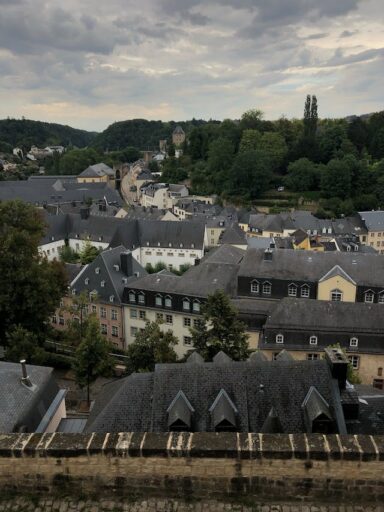
The scarcity of available homes in Luxembourg is the main reason behind the high cost of real estate there. New property development has lagged behind the increasing demand, according to the Luxembourg Times.
The real estate market in Luxembourg is showing indications of a slowdown, despite a history of strong growth in housing prices. The overall quantity of property sales has dropped significantly, and house prices listed have also fallen. Investors should be wary of the near future, especially in 2024, despite the fact that the trend over the long term has been marked by substantial price appreciation.
The cautious approach is influenced by multiple causes. The decrease in building permit issuing is a noteworthy concern that may signal a halt in construction operations. The dynamics of the market are already complicated, and a lack of available homes doesn’t help matters. When taken as a whole, these indicators show that next year’s real estate market might not be the best place to put your money.
These signs highlight the need for prospective investors to be cautious and carefully assess the market environment before committing to any investments. To successfully navigate the Luxembourg real estate environment in the near future, one must be well-informed about the current market conditions and give careful consideration to these warning elements.
Can foreigners buy property in Luxembourg?
EU and non-EU foreigners have the go-ahead to acquire real estate in Luxembourg without limitations. The government gives them similar rights as citizens to buy real estate, including land. Importantly, nationality does not affect property ownership rights.
This allows non-residents to invest in Luxembourg’s real estate. This openness in property ownership regulations makes Luxembourg appealing to international real estate investors.
Can expats get a mortgage in Luxembourg?
Foreign workers and residents in Luxembourg can apply for mortgages and house loans without restrictions. The country has several banks that specialize in mortgages for homebuyers and builders. Expats’ mortgage options depend on deposit size, monthly income and expenses, and credit history. Luxembourg mortgages typically last 30 years, although younger borrowers can get 40.
To apply for a mortgage, you must gather proof of identity, income, job contracts, and financial documents. Specific criteria may demand additional documents from non-resident expats.
Mortgage options include fixed- and variable-rate mortgages. The proper mortgage type depends on personal preferences and financial goals. Fixed-rate mortgages give stability with regular monthly payments, while variable-rate mortgages offer flexibility with interest rate variations.
Interest rates affect monthly payments, so potential borrowers should watch them thoroughly. Fixed-rate mortgages offer stability, whereas variable-rate mortgages offer flexibility but interest rate unpredictability.
Contenuti correlati: Best Mortgage Providers in Luxembourg
How to sell property for expats
Using a real estate agent, or agents immobiliers, can help expats sell their house. These professionals can help discover buyers and streamline the sale. However, it’s crucial to verify that real estate agents or organizations are qualified and licensed to function in the property market.
After finding a buyer, create a sales agreement. The sale terms should be in this contract. Luxembourg recognizes oral contracts, but they are not recommended for real estate transactions. Real estate transfers require written contracts for legal enforce-ability and buyer protection. Comprehensive contracts should include all sale factors.
A notarial deed formalizes the sale. Notaries public have this task and present the deed at the mortgage registry. The official transfer of ownership and legal records require this step.
The seller usually pays property sale transaction costs. Registration tax, transcript tax, notary fees, and real estate agent commission. Knowing these expenses in advance might assist manage the sale’s finances and set the asking price.
Pros and Cons of Investing in Luxembourg
Pros of Investment in Luxembourg
Luxembourg is a top investment destination due to its many benefits. As a leading international financial hub, it attracts investors with its fund management and private banking capabilities. Businesses benefit from subsidies, double tax treaties, and a low corporate tax rate.
Luxembourg’s political stability also gives investors a safe and predictable environment for their investments. Luxembourg is ideal for multinational firms due to its central European location and easy access to key markets.
Investor protection and international standards are supported by the country’s legislative and regulatory structure. Luxembourg attracts startups and tech-driven businesses with its devotion to innovation and technology.
Luxembourg’s dynamic international business ecosystem offers networking, collaboration, and worldwide market access. This diversified landscape boosts company competitiveness.
Cons of Investment in Luxembourg
The real estate market, especially in major cities like Luxembourg City, is highly competitive and expensive. Businesses looking to open or develop in certain locations may face considerable obstacles.
Luxembourg’s domestic market is small, which can constrain enterprises that target local consumers.
The economy relies heavily on the financial sector which puts it vulnerable to global financial trends and market swings.
The country’s extensive financial regulatory environment requires complex compliance. Newcomers and SME’s unfamiliar with Luxembourg’s legal environment may find it difficult to navigate this regulatory terrain.
Siete afflitti dall'indecisione finanziaria?

Adam è un autore riconosciuto a livello internazionale in materia finanziaria con oltre 830 milioni di visualizzazioni di risposte su Quora, un libro molto venduto su Amazon e un contributo su Forbes.
