
Mappa del sito: Vivere all'estero > Living in Thailand
Embarking on expatriate life in Thailand is an exhilarating journey filled with opportunities and discoveries, requiring meticulous planning for a secure and prosperous existence.
In this extensive guide to investments and living in Thailand, we navigate the intricate landscape of expat life, covering essential topics such as:
- Cost of Living in Thailand
- Healthcare in Thailand
- Culture in Thailand
- Expat Life in Thailand
- Expat Communities in Thailand
- Investing in Thailand
- Top Stocks in Thailand
Explore vibrant expat communities, discover top international schools, and explore expat-populated places.
Navigate expat taxes, uncover job opportunities, and gain insights into working and obtaining a work permit.
Whether considering investments or retiring, this guide provides a roadmap for a successful expatriate journey, covering pianificazione finanziaria and banking options.
Se state cercando di investire come espatriati o individui con un alto patrimonio netto, che è ciò in cui sono specializzato, potete inviarmi un'e-mail (advice@adamfayed.com) o un messaggio WhatsApp (+44-7393-450-837).
Vivere in Thailandia 101
Living in Thailand as an expat presents numerous advantages, with the low cost of living standing out prominently.
The country’s affordability compared to Western nations makes it an appealing choice for those seeking economic flexibility.
Thailand’s inviting climate, stunning beaches, and lush landscapes further attract outdoor enthusiasts.
The renowned Thai cuisine, renowned for its vibrant flavors and fresh ingredients, adds to the allure. Beyond these, Thailand’s rich cultural heritage, adorned with temples, historic sites, and festivals, provides continuous exploration.
Notably, the country is home to exceptionally friendly and hospitable people, ensuring a welcoming environment for expatriates and an overall unique and gratifying experience.
Cost of Living in Thailand
Living in Thailand for a year comes with a varied price tag, making it a common inquiry among nomadi digitali.
The predominant factor influencing monthly expenses is accommodation, which can range from 35% to 75% cheaper than in the United States, according to Remote Year.
Rent in Thailand varies by location, with luxury houses at $1,000 and one-bedroom apartments ranging from $250 to $565. Koh Samui is pricier at $462 to $565, Chiang Mai averages $278 to $600, and Bangkok falls in the middle at $486 to $594.
Sharing space reduces costs to $200 to $300 monthly. Utilities, influenced by the tropical climate, range from $30 to $71.88.
Internet options for digital nomads range from $10 for mobile data to $25 for home packages, offering 50 MBps speed, 4 GB phone internet, and basic TV. Free WiFi spots enhance connectivity.
Contenuti correlati: Cost of Living in Thailand For Expats: 10 Ways To Save On Expenses
Healthcare in Thailand
Before relocating to Thailand, expats must secure health insurance, a legal requirement for those working in the country.
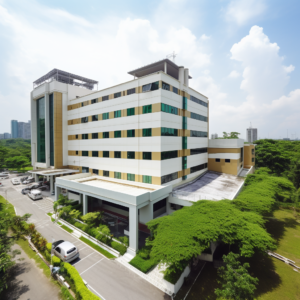
Options include private health insurance, public health insurance through the Universal Coverage Scheme, or international health insurance, preferred for its broader coverage, including maternity and cancer treatment, and faster access to private facilities.
Education in Thailand
The Thai education system encompasses 12 or 15 years, including an optional three-year pre-primary level similar to American preschool.
Compulsory education begins with six primary school grades, divided into Prathom 1 to 3 (ages 6 to 8) and Prathom 4 to 6 (ages 9 to 11).
Secondary education (Matthayom) spans six grades, with Matthayom I to III constituting lower secondary and Matthayom IV to VI offering optional upper secondary education.
Higher education options include associate degrees, technical or vocational programs, and standard undergraduate degrees lasting 4 to 6 years, while postgraduate studies include two-year Master’s and doctoral degrees.
Contenuti correlati: 30 Best International Schools In Thailand
Transportation in Thailand
The Thai public transit system is extensive, including not only buses and trains but also taxis, the world-famous tuk-tuks, and motorcycles.
The BTS, along with the MRT subway, buses, and the airport rail link, provides easy access to all parts of the city, reducing the need for individual vehicles.
Monthly transportation costs vary based on the chosen mode and frequency. Bus rides range from $0.20 to $0.60 per trip, totaling $13 to $71.91 monthly.
Taking the BTS or MRT may escalate costs to around $40. Taxis and tuk-tuks charge $1.05 per kilometer, averaging $172.59 monthly for regular users.
Alternatively, bike rentals cost $15 to $30, while car rentals are approximately $431.41 per month.
Climate in Thailand
Average temperatures in Thailand range from 18 to 38°C, and the country is known for its hot and humid climate.
The country experiences summer and winter monsoons due to its location between land and water.
There is a six-month rainy season (May to October), a three-month dry winter with cool breezes (November to January), and a hot summer (February to April).
It continues to rain somewhat in the south, which includes Koh Samui, Koh Phangan, and Koh Tao, even in November.
Culture in Thailand
Buddhism, embraced by 95% of Thailand’s population, profoundly influences its culture. Tourists are drawn to the country’s temples, where encounters with Buddhist monks and opportunities for martial arts, yoga, and meditation abound.
Despite its religious roots, Thailand is considered one of Asia’s progressive cultures, historically welcoming to the LGBTQ+ community.
However, recent trends suggest a shift towards nationalism and conservatism. Thailand values’ Face,’ a code governing reputation and honor.
A collectivist society emphasizes family and community loyalty yet exhibits a rigid social hierarchy with limited mobility. Dark-skinned individuals may face racial discrimination.
Expat Life in Thailand

Thailand has always been a popular place for retirees, digital nomads, and people who want to start over in a new country.
The rise of the digital nomad lifestyle has led a lot of online workers to choose Thailand as a place to live because it is cheap, has nice weather, and has a great way of life.
With the new ten-year LTR (long-term residence) visa and other visa options, living in Thailand has never been easier, especially for people looking for business opportunities.
Thailand definitely attracts people from all over the world with its many appealing features.
Expat Communities in Thailand
As of 2023, it is proud to have one of the biggest expat communities in Asia, with about two million people settling down there.
A lot of them come from nearby countries like Myanmar, Laos, and Cambodia, but people from all over the world are also looking for safety from their old lives.
Some of the Places in Thailand with Most Expats
Bangkok
The capital city, with a vibrant blend of culture and modern amenities, attracts expatriates for its diverse job opportunities and bustling lifestyle.
Chiang Mai
Nestled in the mountainous north, Chiang Mai is a haven for digital nomads, offering a tranquil setting, cultural richness, and a growing tech scene.
Phuket
Known for its stunning beaches and tourism industry, Phuket lures expats seeking a tropical paradise, with many engaged in hospitality and related businesses.
Pattaya
A coastal city renowned for its nightlife, Pattaya appeals to retirees and expats seeking a lively atmosphere on the Gulf of Thailand.
Hua Hin
A resort town with a relaxed ambiance, Hua Hin is favored by retirees and expats drawn to its golf courses, beaches, and pleasant climate.
Koh Samui
This island paradise attracts expats desiring a tranquil yet exotic lifestyle, with opportunities in tourism, hospitality, and real estate.
Udon Thani
Located in the northeast, Udon Thani is popular among expats, especially retirees, for its lower cost of living and friendly local community.
Krabi
Known for its stunning landscapes, Krabi draws expats seeking a quieter coastal life, with opportunities in tourism and outdoor activities.
Nakhon Ratchasima (Korat)
As a major city in the northeast, Korat appeals to expats for its affordability, cultural attractions, and emerging industries.
Rayong
With an industrial base and proximity to Bangkok, Rayong attracts expats working in manufacturing, petrochemicals, and related sectors while offering a more relaxed lifestyle.
Related Contents:
I 7 posti migliori per gli espatriati americani in Thailandia
Where Do British Expats Live In Thailand?
Working in Thailand
To work in Thailand, foreigners must possess a valid visa and a work permit and engage in an occupation compliant with the Alien Employment Act.
The Act mandates a work permit obtained through the Department of Employment, Ministry of Labor, unless exempt.
Thai law broadly defines “work” to include physical, mental, paid, or volunteer activities, necessitating a work permit even for charity work.
While foreigners can work, considerations include national security and the country’s developmental needs, with priority given to Thai nationals.
Contenuti correlati: Working In Thailand As An Expat
Work Permit for Expats in Thailand
Tourists who wish to work in Thailand must get a Non-Immigrant B Visa. You can get this visa from the Thai embassy or consulate in your home country or in Thailand.
It’s available for either 90 days of single entry or one year of multiple entry. The Work Permit, which is mandatory for all foreign nationals and details the employee’s employment and personal information, is an important supplementary document.
Working without a work permit is still forbidden, even with a non-immigrant B visa.
The Work Permit application process cannot be initiated without the Non-Immigrant B Visa, which can be extended or revoked under certain circumstances.
Expat Taxes in Thailand
Thailand’s residency requirements, regulated by the Revenue Department akin to the IRS, classify individuals as residents or non-residents.
Residence hinges on residing in Thailand for 180 days or more in a tax year, impacting applicable taxes. The income tax, applicable to foreign income, diverges for residents and non-residents.
A pivotal change effective January 1, 2024, broadens tax liability for Thai residents, taxing all foreign-earned income brought into Thailand regardless of the earning period.
Expats face altered tax implications and are advised to seek expert counsel.
Tax rates fluctuate based on personal income, ranging from 0% to 35%. March 31 marks the deadline for tax payments for US expats in Thailand to file an annual Personal Income Tax return.
Entertainers and those with advertising income file twice yearly. Other than income tax, various taxes apply, including Capital Gains Tax, Net Worth Tax, and others.
Thailand provides deductions and allowances, easing taxable income. The US and Thailand’s tax treaty aims to mitigate double taxation, though a totalization agreement is absent.
Americans in Thailand can employ strategies like FEIE, FTC, and Foreign Housing Exclusion to reduce tax burdens.
Contenuti correlati: Thailand Expat Tax: Best Guide in 2023
Investing in Thailand
Thailand, with its vibrant economy and strategic Southeast Asian location, is an attractive investment destination for expatriates seeking diversification or capitalizing on economic growth.
However, understanding local regulations and potential risks is crucial before investing in real estate, stocks, or businesses.
Contenuti correlati: Best Investments for Digital Nomads in Thailand
Investing in the Thai Stock Market
Thailand boasts a well-regulated stock market featuring diverse securities across sectors like energy, finance, technology, and healthcare.
The Stock Exchange of Thailand (SET), established in 1975 in Bangkok, lists over 700 companies with a market capitalization exceeding $1 trillion.
Investors can engage directly in stocks, opt for mutual funds or ETFs tied to the SET Index, or utilize a home country brokerage account.
While the Thai stock market offers the potential for high returns and exposure to a rapidly growing economy, risks include political instability, susceptibility to economic shocks, currency fluctuations, and a language barrier. Thorough research is advised for a rewarding investment experience.
Investing in Real Estate in Thailand
Investing in Thailand often involves real estate, where a thriving market caters to both local and foreign buyers.
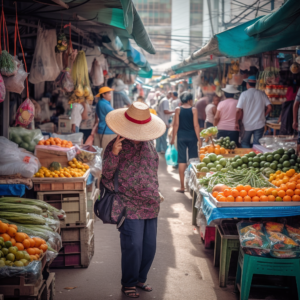
Options range from condos and villas to commercial buildings across diverse locations like Bangkok, Chiang Mai, Phuket, Pattaya, and Hua Hin.
Advantages include high rental yields averaging around 5%, capital appreciation fueled by the country’s steady GDP growth and lifestyle benefits like personal use or vacation homes.
Yet, challenges include legal restrictions on land ownership for foreigners, market volatility influenced by political and economic factors, maintenance costs impacting returns, and cultural differences in dealings with landlords, tenants, agents, and authorities.
Related Contents:
Buying Property in Thailand Guide for Expats
29 Best Places To Invest In Real Estate In Thailand
A Guide To Selling Your Property In Thailand
10 Best Property Developers in Thailand
What Are The Top Ten Best Spots In Thailand To Visit For A Vacation 2022
Banking in Thailand
Opening a bank account in Thailand involves a potentially lengthy and intricate process. Initially, you’ll require your Non-immigrant B Visa or an appropriate long-stay visa, along with your passport.
Depending on the chosen bank, additional documents like proof of a permanent Thai address, a tenancy agreement, a letter of reference from an employer or educational institution, and a reference from your home embassy or bank may be necessary.
In-person visits are typically mandatory for ID verification. While some banks may allow account opening with a tourist visa, the process varies among branches.
Popular expat-friendly banks include Bangkok Bank, Kasikornbank, and SCB, each with distinct rules and considerations regarding currency conversion rates, transaction fees, and fees for international money transfers. Researching these aspects before arriving in Thailand is advisable.
Contenuti correlati:
How to Open a Bank Account in Thailand
9 migliori banche di gestione patrimoniale in Thailandia
Retiring in Thailand
Many people choose to andare in pensione in Thailandia because of the country’s pleasant weather, low cost of living, and diverse cultural offerings.
An immigration lawyer can help you through the retirement visa process, which is necessary to retire there.
A happy and successful retirement in Thailand is within reach with careful planning, thanks to the two major options: the O-A (1 year) Retirement Visa and the O-X (5 years) Retirement Visa. Each is tailored to individual circumstances and financial considerations.
Related Contents: Retirement Cost in Thailand: Best Guide in 2023
Financial Planning in Thailand
Financial planning for expats in Thailand is crucial, especially concerning health insurance and life insurance.
Adequate health insurance safeguards against unexpected medical expenses, while a well-structured life insurance policy ensures financial security for loved ones, addressing concerns such as mortgage payments and education costs and contributing to a comprehensive and secure expatriate lifestyle.
Life Insurance in Thailand
Selecting the right life insurance for expatriates can be bewildering. It’s essential to secure a policy that addresses concerns like mortgage payments in Thailand or your home country and future university expenses for your children.
Opt for an insurance provider with top-notch customer service ratings for a seamless claims process.
Consider critical factors before finalizing a policy, such as coverage level, global coverage for international travel, efficient customer support, early payout for terminal diagnoses, and choosing an expat insurance specialist for a hassle-free claims process tailored to expatriate needs.
Health Insurance in Thailand
In Thailand, all employed individuals are mandated to contribute 5% of their monthly income to the social security scheme, ensuring coverage under the public healthcare network.
Those without employment can either pay for medical services independently or opt for health insurance. While there’s no law dictating a specific duration without coverage, it’s advisable to obtain health insurance upon arrival to avoid substantial out-of-pocket expenses.
Notably, there are no legal penalties for lacking medical insurance, but individuals face the risk of higher medical bills.
Pensieri finali
Navigating the expat life in Thailand involves a myriad of considerations, from the enchanting cultural tapestry to the practicalities of cost, healthcare, and education.
As this guide concludes, it’s evident that Thailand offers a dynamic and enticing landscape for expatriates.
From the bustling expat communities to the diverse job opportunities and investment prospects, the country beckons with promise.
Whether you’re contemplating retirement, seeking new career horizons, or investing in the vibrant Thai market, the comprehensive insights provided here aim to empower expats with the knowledge needed for a successful and fulfilling life in the Land of Smiles.
Siete afflitti dall'indecisione finanziaria?

Adam è un autore riconosciuto a livello internazionale in materia finanziaria con oltre 830 milioni di visualizzazioni di risposte su Quora, un libro molto venduto su Amazon e un contributo su Forbes.
