Leggete questo articolo per sapere come andare in pensione in Giappone. Tuttavia, prima di impacchettare le vostre cose, prendete in considerazione la possibilità di lavorare con un consulente finanziario se avete intenzione di vivere in Giappone.
Se avete domande o volete investire come espatriati o persone con un elevato patrimonio netto, potete scrivermi un'e-mail (advice@adamfayed.com) o utilizzare il seguente link queste opzioni di contatto.
Introduzione
Japan is famous for its bullet trains, incredible food, and some of the world’s cleanest, litter-free neighborhoods. Overall, the country is a lovely location to visit and live. Aside from its stunning surroundings, there are several reasons why individuals prefer to retire in Japan. If you’ve always wanted to retire to a beautiful country with an abundance of wonderful food, Japan may be the ideal retirement location for you.
Perché andare in pensione in Giappone?
Japan is one of the world’s most popular vacation spots. Every year, millions of people come to enjoy the exquisite cuisine, unique customs, and modern culture. Having said that, to retire in Japan is not the same as to visit as a tourist. So, what is life in the Land of the Rising Sun truly like?
The country has traditionally been at the forefront of technological development, resulting in a workforce that is both contemporary and well-educated. When you finally have a job, you’ll realize how efficient everything is. Outside of work, you’ll notice a thriving cultural environment, ranging from Osaka’s pulsing nightlife to Shibuya’s cutting-edge fashion. Japan is a diverse country to live in.
That isn’t to suggest it doesn’t have its drawbacks. Work-life balance isn’t even a concept in Japan, with many people actually pushing themselves to death. It is also home to some of the world’s most densely inhabited cities. Living in Japan takes a great deal of emotional fortitude.
Obtaining a Japanese Visa
Il Giappone è una nota località turistica. I turisti statunitensi possono entrare facilmente in Giappone. Gli americani possono recarsi in Giappone senza visto e rimanere fino a 90 giorni senza visto, con lo status di Visitatore temporaneo. Sebbene si tratti di un visto per un solo ingresso, i viaggiatori possono richiedere due viaggi nell'arco di sei mesi, se lo desiderano.
Se volete rimanere per più di 90 giorni, dovete ottenere un visto per coniugi o un visto di lavoro. Questo richiede di sposare un cittadino giapponese o di lavorare in Giappone.
The ultimate route to obtaining a permanent residence visa takes years. To begin, you must enter the country on one-year visas for three years. You will then be eligible to apply for a long-term visa. This visa necessitates a Ministry of Justice Certificate of Eligibility. You must fulfill certain Immigration Control Act standards in order to obtain this certificate.
Il visto a lungo termine sarà valido per altri tre anni. Dopo sei anni potrete richiedere la residenza permanente in Giappone. Per dimostrare di conoscere bene il giapponese e di avere una conoscenza approfondita della cultura giapponese, è necessario sottoporsi a un test.
Housing Cost in Japan
According to Numbeo statistics from March 2022, Japan has an incredibly high cost of living. The overall cost of living in the US is 6.11 percent cheaper than in Japan. Housing expenses in Japan, on the other hand, are around 40% lower than in the US.
The national average rent for a one-bedroom apartment in Japan’s city center is $726 per month. A similar apartment would cost around $1,376 per month in the United States. Furthermore, a one-bedroom apartment in downtown Tokyo, for example, costs around $1,226 per month. In contrast, a one-bedroom apartment in Manhattan costs roughly $3,344 on average. Outside of the city core, a similar flat in Tokyo would cost around $677, and in New York, approximately $2,268. Despite the relative worth of Tokyo’s housing expenses, the city remains one of the most expensive cities in the world.
Rent is substantially lower in Japan than in the US, so you may enjoy a comparable lifestyle for less. The cost of consumer products is likewise lower in Japan than in the US, thus your entire lifestyle will be less costly in Japan than in America.
Obblighi fiscali in Giappone
In Japan, obtaining a permanent resident visa or a long-term visa is extremely tough. If you do receive one of these visas, though, you will be liable to taxes. You will only pay taxes on income generated in Japan if you are a non-resident with a one-year visa. In contrast, if you are a non-permanent resident who has been in Japan for not more than five years, you will be taxed on all of your income excluding overseas money that is not transmitted to Japan. You must pay taxes on all income generated in Japan and overseas if you are a permanent resident.
As a resident of the United States, you will be required to file taxes in the United States each year. You must also declare any international bank accounts. If you make money outside of the United States, you can use different provisions to lower your taxable income in the United States. These include, among other things, the foreign tax credit, the foreign earned income exclusion, and the foreign housing exclusion. If you want to anticipate your tax burden more precisely, you should speak with a tax specialist who is knowledgeable with both US and Japanese tax rules.
Healthcare System in Japan
The World Health Organization routinely ranks Japan’s public healthcare system among the top 10 in the world. This rating is based on financial efficiency, responsiveness, quality, and fairness. The government covers over 70% of citizens’ healthcare bills, with the government paying much more for low-income inhabitants. People contribute to this system through their taxes.

Chiunque risieda legalmente in Giappone da più di un anno può iscriversi ai programmi di assicurazione sanitaria nazionale o di assicurazione sanitaria per i dipendenti. Se si dispone di un'assicurazione, è sufficiente pagare 30% le spese ospedaliere. Gli appuntamenti, le visite in ospedale e i farmaci sono coperti come spese mediche.
Make Sure You Have Insurance for Living in Japan
Japan, despite its massive population, is a relatively secure country. Because the majority of residents have a good standard of living, crime is quite low. Having said that, it does happen from time to time. You’re undoubtedly also aware of Japan’s track record when it comes to natural catastrophes. Earthquakes and typhoons create headlines all across the world on a regular basis. You must have a solid insurance plan for this.
Safety and Security in Japan
La criminalità in Giappone è piuttosto bassa. I borseggi e altre forme di piccola criminalità si verificano nelle aree più frequentate, come in qualsiasi altro luogo. In generale, la qualità del cibo in Giappone è piuttosto eccellente e il pericolo di malattie alimentari è molto basso.
Il Giappone è vulnerabile alle calamità naturali come i terremoti. Anche se non si tratta di eventi regolari, è fondamentale capire che si verificano. In Giappone, l'incendio è la seconda catastrofe naturale più pericolosa, soprattutto in caso di terremoto.
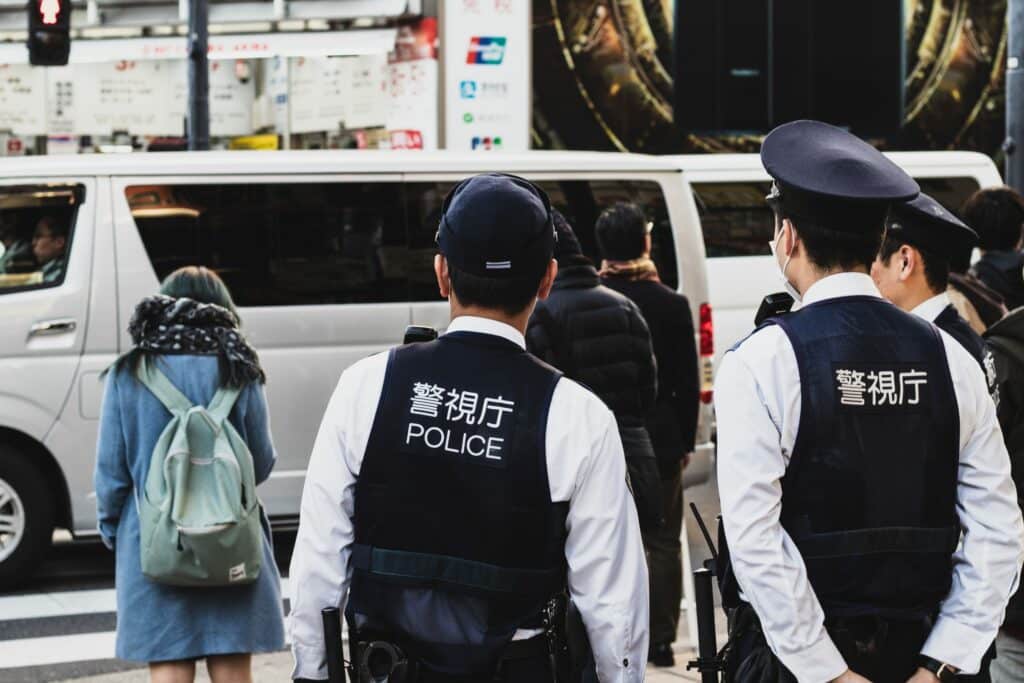
If you feel unsafe, there are “koban” situati nelle città del Giappone. Un koban è una piccola cabina della polizia che può essere utilizzata gratuitamente e fornisce una linea diretta con il dipartimento di polizia. È possibile utilizzarla gratuitamente se si è stati derubati o se si ha un'altra emergenza da segnalare alla polizia.
Pros and Cons of Retiring in Japan
Japan is a wonderful location that offers a lifetime of adventures and chances – but it is not without its drawbacks. What one individual considers to be a dream location may be an awful nightmare for another. Before you make the move, you’ll need to weigh the benefits and drawbacks of living in the country. Here are some important items to remember.
Pro
Cultura unica
If you’ve ever watched the film Lost in Translation, you’ll understand how disorienting Japanese culture can be – but for most tourists, this is part of the fun! There are so many unique activities and attractions that you won’t be able to discover anyplace else in the globe. If you’re a novelty junkie, you’ll never be short of options in Japan.
Cucina deliziosa
Food is a key component of the intriguing culture. You’re certainly familiar with the classics, but Japan, like the rest of the globe, has a rich and diversified culinary scene. Each city, village, and fishing port has its unique spin on locally sourced ingredients, with some genuinely inventive solutions to the country’s limited farmland.
Shopping di livello mondiale
From Harajuku’s high-fashion to Yokohama’s technology markets, you’ll have everything that you can possibly desire right on your doorstep. Huge shopping malls, lively marketplaces, and unique boutiques combine to create a varied retail environment. Before you’ve even had a chance to settle, you’ll be getting instructions from your buddies back home.
Tecnologia avanzata
The rest of the world may be catching up now, but Japan was the epicenter of innovative technology for decades. It’s still on the leading edge of urban life, resulting in cities that are well-planned and efficient. The bullet train is a necessity, but even inside city areas, everything is in working order. Many North American and European expats have never seen anything like this before.
Contro
Estremamente costoso
Come avrete notato, il Giappone è uno dei Paesi più cari al mondo. La rapidità dei trasporti e la vivacità della cultura hanno un prezzo. Per molti visitatori, questo prezzo è semplicemente eccessivo. Prima di decidere di andare in pensione in Giappone, dovrete essere onesti con voi stessi riguardo alla vostra situazione finanziaria.
Il lavoro è difficile da trovare
Questo aspetto si ricollega alla questione precedente: la maggior parte delle aziende preferisce i cittadini giapponesi e i residenti permanenti. Questo è vero in tutto il mondo, ma in Giappone la procedura è più ardua. Anche se arrivate con un visto di vacanza-lavoro, trovare un lavoro che corrisponda ai criteri di part-time e che sia disposto a lasciarvi andare dopo pochi mesi può essere difficile.
Procedura di visto difficile
L'immigrazione è un incubo! Il visto La politica è estremamente scomoda e vi mette nella situazione difficile di cercare un lavoro per ottenere un visto e allo stesso tempo di rendersi conto che la maggior parte dei posti di lavoro favorisce coloro che hanno stabilito la residenza in precedenza. Le vostre possibilità sono scarse se non conoscete il giapponese e non avete esperienza di lavoro in una regione carente.
Le città sono densamente popolate
For some, this is a benefit, while for others, crowded cities are a big disadvantage. At noon, apartments are cramped, trains are overcrowded, and restaurants are uncomfortable. You’ll have a difficult time in Japan if you’re not a city slicker. There are rural places, but finding quality job in those areas is practically difficult.
Conclusione
Il Giappone è un luogo incantevole, molto richiesto dagli americani che desiderano andare in pensione all'estero. È piuttosto difficile ottenere la residenza in Giappone, ma se ci riuscite, potrebbe essere un luogo eccellente per andare in pensione. Il sistema sanitario del Paese è tra i migliori al mondo.
Siete afflitti dall'indecisione finanziaria? Volete investire con Adam?

Adam è un autore riconosciuto a livello internazionale in materia finanziaria con oltre 830 milioni di visualizzazioni di risposte su Quora, un libro molto venduto su Amazon e un contributo su Forbes.