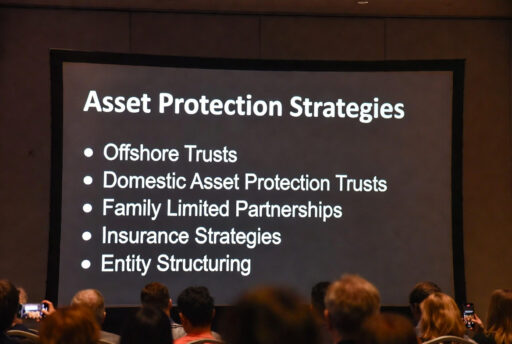
Effective asset protection rarely comes from a single structure. The most resilient strategies combine offshore trusts, multi-jurisdictional legal entities, and global diversification.
This approach creates a layer of protection against lawsuits, creditor claims, and cross-border legal exposure.
Domestic asset protection strategies for expats often fail to address the unique risks expatriates face. Foreign courts, unfamiliar legal systems, and shifting tax rules can expose personal wealth to certain risks.
Punti di forza:
- Expat-specific asset protection requires multi-jurisdictional, layered strategies.
- Trusts paired with LLCs remain the strongest shield for international assets.
- Global diversification mitigates risk from litigation, government claims, and economic instability.
- Residency and citizenship options complement legal structures.
I miei recapiti sono hello@adamfayed.com e WhatsApp +44-7393-450-837 se avete domande. Offriamo anche soluzioni di strutturazione su misura per la vostra situazione.
Le informazioni contenute in questo articolo hanno carattere puramente indicativo, non costituiscono una consulenza finanziaria, legale o fiscale e possono essere cambiate rispetto al momento in cui sono state scritte.

What risks do expats face for asset protection?
Expats face asset protection risks from foreign courts, local regulations, and political or economic instability that can expose assets to claims that would not arise in their home country.
Even strong domestic protections may be unenforceable overseas. For example, a US-based trust may not protect assets in jurisdictions that don’t recognize its legal framework.
Similarly, real estate or business holdings abroad can be vulnerable if structured incorrectly.
Expat asset protection requires a global lens, aligning legal structures with international law, tax obligations, and mobility considerations.
Simply moving to another country does not automatically shield wealth — planning must be intentional, proactive, and multi-layered.
| Expat Asset Protection Risk | Example | Strategy / Solution |
| Foreign court exposure | Trusts not recognized overseas | Offshore trusts in strong jurisdictions |
| Local regulations & tax risk | NRE/NRO account misuse | Multi-jurisdictional financial planning |
| Political instability | Expropriation, sudden tax changes | Residency/citizenship planning in stable countries |
| Responsabilità commerciale | Litigation affecting personal assets | LLCs, IBCs, and layered structures |
| Currency & banking risk | Local banking failure | Multi-jurisdiction banking and currency diversification |
How do offshore trusts protect expat assets?
Offshore trusts are a foundational tool for asset protection. They allow the separation of legal ownership from beneficial control, making it far more difficult for creditors or claimants to access wealth.
Why Offshore Trusts Matter
A properly structured offshore trust provides:
- Legal separation of assets from personal ownership
- Protection against foreign court claims
- Flexibility to hold multiple asset types: investments, property, or cash
Asset protection country selection matters: the Isole Cook, Nevis, e Belize are widely used by expats due to strong enforcement laws, international recognition, and favorable statutes of limitation.
For expatriates, offshore trusts are particularly effective because they remain portable across borders.
When combined with offshore LLCs or IBCs, trusts form a layered protection system, adaptable to shifting geopolitical and legal landscapes.
Limited Liability Entities for Expat Assets
Limited liability entities, such as LLCs, IBCs, or corporate holding companies, provide legal separation from personal wealth.
High-liability assets, including businesses, intellectual property, and investment real estate, require careful structuring.
Why Layered Structures Matter
When combined with a trust, LLCs act as a buffer between personal wealth and liabilities.
This means that if a business faces litigation or creditor claims, personal assets and other holdings remain insulated.
Selecting jurisdictions with strong corporate privacy laws and stable regulatory frameworks further strengthens protection.
Expats can use these structures to operate businesses internationally while minimizing legal exposure, making layered asset protection both practical and enforceable.
How to Diversify Internationally: Reducing Single-Jurisdiction Risk
Spreading assets across multiple countries reduces vulnerability to lawsuits, government intervention, and economic instability.
Step 1: Diversify Financial Assets Across Jurisdictions
Hold investment accounts, funds, or brokerage portfolios in multiple financial centers so legal or political issues in one country do not compromise the entire portfolio.
Step 2: Own Property in Multiple Countries
Cross-border real estate ownership helps reduce the risk of being fully exposed to a single country’s regulations, taxation policies, or economic cycles.
Step 3: Spread Banking and Currency Exposure
Maintain multi-jurisdiction banking accounts in different jurisdictions and currencies to reduce exposure to local banking failures, capital controls, or currency crises.
Step 4: Select Stable Financial Jurisdictions
Choose financial hubs known for legal stability, investor protections, and financial privacy to strengthen overall asset resilience.
Step 5: Maintain Mobility and Flexibility
Residency options and strong passports allow expats to rapidly restructure finances or relocate assets in response to regulatory or geopolitical shifts.
How does insurance fit into asset protection strategies?
International insurance adds a crucial protective layer, covering unforeseen liabilities that trusts or LLCs cannot shield against.
Expats often use umbrella liability insurance and specialized international coverage to guard against:
- Lawsuits stemming from business operations or property ownership
- Professional liability or high-risk investment exposure
- Cross-border travel or relocation-related risks
Insurance does not replace legal structures but strengthens them.
In combination with trusts and entities, it creates a multi-tiered asset protection system, offering both defense and flexibility.
Residency and Citizenship Planning as an Asset Protection Tool
Strategic residency or second citizenship can complement asset protection by providing legal and financial flexibility.
- Alternative Residency: Some countries offer stable legal systems and favorable tax frameworks for expatriates. Holding residency in such jurisdictions can shield assets and provide relocation options.
- Second Citizenship: Caribbean, European, or Middle Eastern citizenship programs enhance mobility and access to stronger legal protections, especially if assets are globally diversified.
- Integration with Trusts and Entities: Combining citizenship or residency planning with trusts and LLCs strengthens legal enforceability while reducing exposure to political risk.
This approach turns mobility and nationality into proactive wealth management tools, not merely travel advantages.
What are the most common expat asset protection mistakes?
Many expatriates fail to properly plan, leaving gaps that expose them to legal and financial risk because their asset protection strategies are incomplete or poorly aligned with realities.
- Relying solely on domestic protections without considering foreign enforcement
- Mixing personal and business assets in a single legal entity
- Neglecting cross-border tax obligations or reporting requirements
- Overlooking insurance coverage in multiple jurisdictions
Avoiding these mistakes ensures that layered asset protection strategies remain effective, even when facing complex international regulations.
How Expats Can Avoid Costly Wealth Protection Errors
Avoiding these pitfalls requires a coordinated, cross-border approach to wealth protection.
Expatriates should ensure that legal structures, pianificazione fiscale, and insurance coverage are aligned across all jurisdictions where they live, invest, or hold assets.
Regular professional reviews of trusts, companies, and reporting obligations can help identify weaknesses before they become liabilities.
At the same time, maintaining clear separation between personal assets, investment holdings, and operational businesses preserves the legal integrity of protective structures.
Ultimately, the most effective expat asset protection strategies combine legal structuring, regulatory compliance, and strategic diversification.
By addressing risks proactively and maintaining a globally integrated framework, expats can reduce exposure to litigation, regulatory challenges, and economic instability while safeguarding their wealth for the long term.
Pensieri finali
Effective expat asset protection in 2026 increasingly depends on strategic adaptability rather than static structures.
As financial transparency rules expand and jurisdictions tighten international oversight, expats must ensure their wealth strategies remain compatible with an evolving global regulatory landscape.
Forward-looking planning therefore centers on maintaining optionality and jurisdictional flexibility.
This may involve diversifying where assets are held, ensuring mobility through residency or citizenship options, and structuring wealth so it can respond to shifts in global financial or political conditions.
Resilient asset protection is built around long-term international positioning.
Expats who align their wealth strategies with global mobility and changing regulatory environments are better positioned to preserve both financial security and strategic freedom in the years ahead.
Domande frequenti
What is the best strategy for asset protection?
The most effective asset protection strategy is early planning using a combination of legal structures, such as offshore trusts, insurance wrappers, and corporate entities.
Protection works best when implemented before any legal claims or creditor issues arise.
What are the most aggressive protection strategies for assets?
The most aggressive strategies typically involve offshore asset protection trusts, multi-jurisdictional structures, and layered ownership through companies or foundations.
These structures make it significantly harder for creditors to access assets across borders.
What assets should not be put in a trust?
Assets that require direct personal use or active management, such as primary residences, vehicles, or operating businesses, are often unsuitable for trusts.
Highly regulated assets or those with complex tax implications may also be better held outside the trust structure.
Siete afflitti dall'indecisione finanziaria?

Adam è un autore riconosciuto a livello internazionale in materia finanziaria con oltre 830 milioni di visualizzazioni di risposte su Quora, un libro molto venduto su Amazon e un contributo su Forbes.