In today’s fast-paced financial environment, it’s crucial for investors to understand how to efficiently move money out to an international provider from Questrade, a leading Canadian discount broker.
Known for its versatile account offerings and user-friendly platform, Questrade simplifies the process of international money transfers for its global clientele.
Understanding these processes and requirements not only ensures smooth transactions but also helps in managing finances effectively across borders. Moving money internationally, is also a process often associated with international investments.
If you want to invest as an expat or high-net-worth individual, which is what i specialize in, you can email me (advice@adamfayed.com) or use WhatsApp (+44-7393-450-837).
This article is not formal advice, and the facts might have changed since we wrote it.
Basics of International Money Transfers with Questrade
Before you initiate the process to move money out to an international provider from Questrade, it’s important to understand the account types and their eligibility.
Questrade offers a variety of accounts, including Margin Accounts (for both individual and joint ownership), Forex & CFD Accounts, Tax-Free Savings Accounts, Retirement Accounts, and Entity Accounts.
These accounts cater to both Canadian and international clients, except for some like Tax-Free Savings and Retirement Accounts, which are exclusive to Canadian clients.
Another critical aspect is the understanding of currency exchange rates and fees. Questrade allows account base currencies in USD and CAD.
This selection is significant because if you fund your trading account in the same currency as your bank account or trade assets in the same currency as your trading account’s base currency, you won’t have to pay a conversion fee.
To save on currency conversion fees, consider opening a multi-currency bank account at a digital bank, offering great currency exchange rates and inexpensive international bank transfers.
Setting Up Your Questrade Account for International Transfers
Setting up your Questrade account to move money out to an international provider involves a few key steps.
First, you need to verify your identity and provide necessary account details. This is a crucial step to ensure the security and compliance of your transactions.
Next, linking your bank accounts to your Questrade account is essential. Deposits and withdrawals at Questrade are free and user-friendly with electronic transfers for Canadians.
For non-Canadians, only wire transfers are available, and the process can be more costly. Withdrawals are generally free for amounts less than CAD 50,000 or $25,000, but wire transfers could cost between $20 and $40 depending on your residency.
It’s important to note that you can only withdraw money to accounts in your name.
Step-by-Step Guide to Moving Money Internationally
Moving money out to an international provider from Questrade involves a straightforward process. Questrade, a popular brokerage, offers different methods for international money transfer, each with its own set of procedures and fees.
To move money out to an international provider, you first need to log in to your Questrade account. After logging in, move your cursor over the ‘Accounts’ section to open the drop-down menu and click on ‘Accounts’.
When initiating a transfer out of Questrade, it’s important to know the associated costs. Questrade does not charge withdrawal fees for electronic fund transfers of less than CAD 50,000 or $25,000.
However, for wire transfers, which are the only option available for international clients, the cost ranges between $20 to $40, depending on your residency.
You’ll need to navigate the Questrade interface to enter the recipient’s details and the transfer amount. It’s essential to ensure the accuracy of these details to prevent delays or issues with the transfer.
The transfer process can take more than 3 business days, so plan accordingly.
Choosing the Right International Provider to Move Money Out to an International Provider from Questrade
When you move money out to an international provider, selecting the right service is crucial. Various factors such as fees, exchange rates, and transfer speed play a significant role in this decision. Some popular international money transfer services include:
- Wise (formerly TransferWise): Known for low-cost transfers with no hidden fees, Wise uses real mid-market currency exchange rates. The platform is user-friendly, with a mobile app for convenience. They offer conversions using mid-market rates with an upfront fee and provide 24/7 customer support.
- InstaReM: This service offers low service fees and mid-market real exchange rates. Available in over 55 countries, it allows payments via bank transfer or debit card and features a loyalty program.
- XE Money Transfer: A reputable company in the remittance industry since 1993, XE allows transfers in 139 currencies to over 220 countries. They offer competitive rates and various delivery options, including a mobile app for both iOS and Android platforms.
- CurrencyFair: Offering fast, secure, and affordable international money transfers to over 150 countries, CurrencyFair is known for its peer-to-peer marketplace feature, which can potentially beat standard exchange rates.
- Remitly: This service provides fast and secure transfers to over 190 countries. It offers competitive exchange rates and low fees, with an express delivery option for urgent transfers.
- Atlantic Money: A newer player in the market, Atlantic Money charges a fixed flat fee of £3/€3 on all transfers (up to £1 Million or €100k), making it a cost-effective option, especially for large transfers.
- WorldRemit: Competing with services like Wise and InstaReM, WorldRemit offers quick transfers with competitive fees and exchange rates. They serve a broad customer base in over 130 countries using 70 currencies.
- OFX: With over 20 years of expertise, OFX offers competitive exchange rates and low fees, catering to over 50 currencies and 170+ countries. They also provide features like recurring transfers and forward contracts.
- TorFX: Established in 2004, TorFX offers fee-free foreign currency transfers with a markup on exchange rates. They provide an online service and mobile apps for convenience.
- Currencies Direct: As the first money transfer provider in Europe, Currencies Direct offers transfers to 120+ countries in over 60 currencies, with live rate checks and same-day transfers for many currency pairs.
- TransferGo: Launched in 2012, TransferGo allows money transfers abroad in as little as 30 minutes for certain corridors. They offer competitive rates, low fees, and have a low minimum transfer amount.
When moving money out to an international provider, always consider the total cost, including exchange rates and transfer fees, and choose a provider that aligns with your specific needs, whether it’s for regular small amounts or large one-off transactions.
Compliance and Regulatory Considerations
When you move money out to an international provider through Questrade, it’s crucial to understand the tax implications of such transfers.
The taxation of international money transfers depends on various factors like the amount, purpose, and the countries involved in the transaction.
For example, U.S. citizens may face tax obligations on gifts sent abroad if the lifetime gift amount exceeds $12.92 million.
Additionally, recipients in the U.S. may need to pay taxes on transfers received as income, including capital gains, and report large gifts using IRS Form 3520.
The Foreign Account Tax Compliance Act (FATCA) is another important consideration. This U.S. tax law mandates foreign financial institutions and non-foreign financial entities to report all foreign accounts and assets of U.S. citizens.
This includes temporary setups or joint accounts, which must be declared under FATCA. Moreover, the IRS monitors international wire transfers and sets a transfer limit of $10,000, beyond which the transfer will be reported to the IRS.
U.S. citizens also have a tax-exempt allowance for gifts to people overseas, which is $17,000 in 2023 ($34,000 for married couples).
If a gift exceeds $100,000, or $15,797 from a business or partnership, it must be reported to the IRS using Form 3520.
Compliance and Anti-Money Laundering Regulations
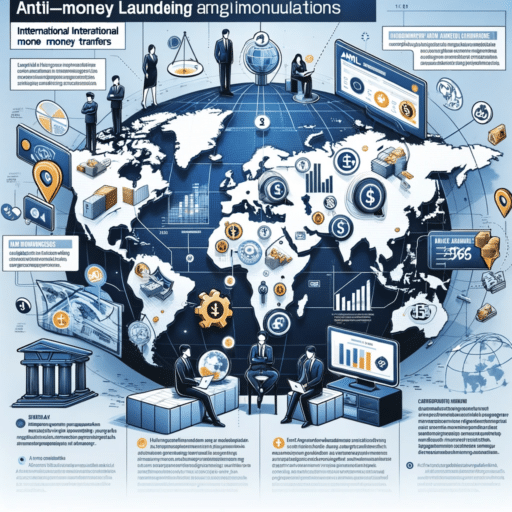
Compliance with Anti-Money Laundering (AML) regulations is another critical aspect when moving money out to an international provider.
Over the past few years, AML laws have become more stringent, and non-compliance can result in significant fines and legal consequences.
The Financial Action Task Force (FATF) has developed global standards against money laundering and terrorist financing, which provide a framework for countries to build effective systems to combat these issues.
These regulations impact various sectors, including legal professionals, the banking sector, and money or value transfer services.
In Canada, the Financial Transactions and Reports Analysis Centre of Canada (FINTRAC) plays a key role in detecting, preventing, and deterring money laundering and terrorism financing.
They prescribe specific reporting requirements under the Proceeds of Crime (Money Laundering) and Terrorist Financing Act (PCMLTFA).
In the United States, the Financial Crimes Enforcement Network (FinCEN), a bureau of the U.S. Department of the Treasury, collects and analyzes information about financial transactions to combat domestic and international money laundering, terrorist financing, and other financial crimes.
The Bank Secrecy Act of 1970, also known as the Currency and Foreign Transactions Reporting Act, aids government agencies in detecting and preventing money laundering.
Additionally, the Office of Foreign Assets Control (OFAC) of the U.S. Treasury Department enforces economic and trade sanctions in line with national security and foreign policy objectives, playing a crucial role in the overall regulatory framework for financial transactions.
Troubleshooting Common Issues
When moving money out to an international provider, delays and lost transfers are common concerns. Various factors contribute to these issues, including the complex network of intermediaries involved in international transactions.
For example, a transfer from Ukraine to Sri Lanka might pass through agents in multiple countries, increasing the risk of delays.
Moreover, security concerns are paramount, with each country’s unique laws potentially exposing funds to hacking risks during transit. If you encounter a delay or a lost transfer when moving money out to an international provider, take the following steps:
- Contact Questrade Immediately: Inform them about the issue. Provide details such as transaction ID, transfer amount, and recipient information.
- Reach Out to the International Provider: If you’re using a service like ACE Money Transfer or Remitbee, contact them for updates and resolution steps.
- Check for Compliance Issues: Sometimes, transfers get delayed due to compliance checks or missing documentation. Ensure all required documents are submitted.
- Monitor the Transfer Status: If your service provider allows, track the transfer’s progress online to stay updated.
Frequently Asked Questions
How long does an international transfer take?
International money transfers typically take two to five days, depending on the countries involved and the number of intermediaries. Some providers offer faster services, with transfers to certain countries taking just a few minutes.

Can I transfer funds to any country?
Most international money transfer services, like Remitbee, allow transfers to over 40 countries. However, available countries vary by provider, and some may have restrictions based on international laws or their own policies.
What are the limits on transfer amounts?
Transfer limits vary by provider and are often tied to your verification level. For example, with Remitbee, basic verification allows you to send up to $500 CAD per month, while higher verification levels significantly increase this limit.
Is international money transfer safe?
Yes, reputable providers implement high security and encryption standards to protect your funds and personal information. However, always ensure you’re using a trusted service and be cautious with your personal information.
Is international money transferring expensive?
The cost varies. Traditional banks may charge high fees and offer unfavorable exchange rates. Newer service providers often offer more competitive rates and lower fees. Some even provide fee-free transfers for certain amounts.
Will the recipient have to pay any fees?
The recipient might incur fees from their bank or country, even if the transfer service doesn’t charge them. Always check the specific terms of the receiving bank or country.
Tips for Cost-Effective International Transfers
When looking to move money out to an international provider, understanding the dynamics of currency exchange rates is crucial.
Exchange rates in international money transfers can be complex, but with a clear understanding of their nature, you can turn the experience of transferring funds into a financially beneficial one.
The rates are never fixed; they fluctuate based on a variety of factors, including the economic condition of a country, political stability, foreign investment volume, and inflation levels.
To ensure you’re getting the best deal when moving money out to an international provider, consider these steps:
- Compare Rates: Always compare rates from different exchange platforms or services to find the most favorable one.
- Hidden Fees Awareness: Look out for hidden fees or service charges which can add up significantly.
- Use Online Converters: Online currency converters provide a sense of the “real” rate, helping you make more informed decisions.
- Avoid Airports and Tourist Spots: Exchange rates at these locations are often less favorable.
- Digital Payment Options: Consider credit cards or digital payments with low foreign transaction fees.

Advanced Strategies for Regular International Transfers
For those regularly moving money out to an international provider, using specialist currency transfer providers can offer significant advantages.
These providers focus solely on international transfers, employing innovative payment processing methods to reduce costs.
Consequently, they often offer better exchange rates and lower overall costs. Some providers, like Wise, use the mid-market exchange rate, which is typically more favorable than the rates offered by banks.
They also provide options like holding multiple currencies and smart auto-convert technology to ensure you always get the best possible rate.
Remember, the fees for international transfers can vary widely based on your chosen provider and the specifics of the transfer.
Banks, for example, often include exchange rate markups or spreads, which can be the highest fees in a transfer.
By contrast, specialist providers often have lower overall costs because they use lower exchange rate markups or no markup at all.

Conclusion
To effectively move money out to an international provider, it’s essential to stay informed about exchange rates and the factors affecting them.
Comparing rates, being aware of hidden fees, and using specialist transfer services can lead to significant savings.
Regular transfers benefit from advanced strategies like using providers that offer better exchange rates and lower fees.
Always remember, the specifics of your transfer—such as the provider, transfer amount, and destination—will influence the costs.
Therefore, it’s advisable to seek professional advice for complex scenarios and to stay updated with the latest information in international money transfers.