Guía completa para principiantes sobre inversión, que será el tema del artículo de hoy.
Si desea invertir como expatriado o particular con un alto patrimonio neto, que es en lo que estoy especializado, puede enviarme un correo electrónico (advice@adamfayed.com) o utilizar WhatsApp (+44-7393-450-837).
Introducción
Aunque ahorrar es el primer paso para acumular dinero, poner ese dinero a trabajar mediante la inversión suele ser el primer paso para aumentarlo. Aunque la mayoría de la gente piensa en acciones cuando piensa en invertir, También puede invertir en bienes inmuebles, criptomonedas, arte y casi cualquier otra cosa. Las acciones, los bonos, los fondos de inversión, los ETF y los certificados de depósito son algunos de los instrumentos financieros básicos que se tratan en este tutorial. Cada uno tiene un nivel distinto de riesgo y recompensa, por lo que cuál es el mejor para usted viene determinado principalmente por sus objetivos, horizonte temporal y tolerancia al riesgo. Un asesor financiero puede responder a sus preguntas y ayudarle a desarrollar una estrategia financiera a largo plazo.
¿Por qué es tan importante invertir?
En la mayoría de los casos, el simple hecho de ingresar dinero en una cuenta de ahorros no nos hará ricos. Para alcanzar ese nivel de éxito, habría que ganar mucho dinero y ahorrar la mayor parte durante un largo periodo de tiempo. En lugar de eso, tenemos que invertir nuestro dinero para ganar más dinero, que es una forma de decirlo. El interés compuesto es una poderosa herramienta que puedes utilizar a la hora de invertir. Así es como funciona:
Inviertes $8.000, y tu dinero crece a un ritmo de 6% al año.
Si no se modifica, al año siguiente aumentará en $480, con lo que el total de la cuenta ascenderá a $8.480.
Después de otro año de crecimiento de 6%, su cuenta será $508,80 más alta, para un total de $8.980,80.
La ganancia al año siguiente sería de $538,85, con lo que el total ascendería a $9519,65.
Al año siguiente, la cuenta devengaría 1.471,18 millones de pesetas, es decir, un total de 1.090,83 millones de pesetas.
Como puede ver, el interés compuesto puede convertir pequeñas aportaciones en unos ahorros sustanciales con el paso del tiempo. Cuanto antes empiece a invertir, más se beneficiará de la magia del interés compuesto, y podría decirse que es la forma más sencilla para muchas personas de aumentar la cantidad total que han acumulado para la jubilación.
La Regla del 72 es una técnica sencilla para calcular cómo podría crecer su dinero a través de la inversión. Esta fórmula matemática básica puede ayudarle a calcular sus posibles beneficios. En lugar de intentar comprender las complejidades de un cálculo de este tipo, este atajo de probada eficacia puede resultarle realmente útil.
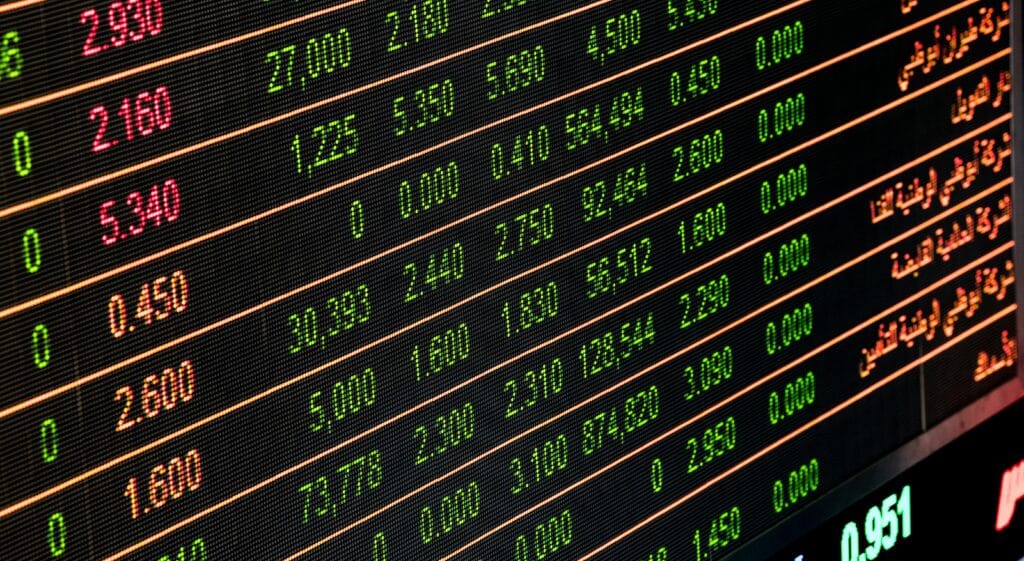
Guía para principiantes sobre inversiones: existen 4 tipos de inversiones
Para muchos recién llegados, hay tantas opciones para invertir su dinero que puede resultar intimidante. Para las personas que no son tan expertas en inversiones, las mejores apuestas son las que tienen un largo historial de ser bastante estables y que se pueden mantener durante mucho tiempo para obtener la rentabilidad deseada. Hemos elaborado una lista con cuatro de las mejores alternativas que cumplen estos requisitos.
Acciones
Las acciones, a menudo conocidas como títulos de renta variable, son acciones de empresas que debes comprar a bajo precio y vender a alto precio. Cuando Facebook salió a bolsa en mayo de 2012, por ejemplo, se podían comprar acciones por alrededor de $38 cada una. Desde entonces, las acciones de la empresa se han disparado, convirtiéndola en una de las inversiones más rentables del nuevo milenio.
Los dividendos son otra forma de beneficiarse de las acciones. Dependiendo de la empresa, ésta pagará una parte de sus beneficios por acción de forma periódica, normalmente cuatro veces al año. Aunque Facebook no paga dividendos, otras empresas conocidas como AT&T, Exxon Mobil y Coca-Cola sí lo hacen. Éstas pueden llegar a pagar hasta $1 por acción, lo que podría traducirse en beneficios muy rápidos y cuantiosos para la cartera.
Las acciones pueden tener mucho recorrido al alza, pero también mucho riesgo. Por ejemplo, tres meses después de su oferta pública inicial, las acciones de Facebook cayeron a $18,05 por acción desde los aproximadamente $38 (OPV). Esto es especialmente típico en el mercado bursátil, donde las empresas pueden ganar o perder valor rápidamente. La contrapartida, por otro lado, es la posibilidad de obtener altos rendimientos. Una cartera de valores diversificada también puede ayudar a protegerse de las pérdidas en un solo sector.
Etfs y fondos de inversión
Los fondos de inversión y los fondos cotizados (ETF) se parecen en que son cestas de acciones y bonos. Algunos se centran en un sector específico (como las empresas de gran capitalización), mientras que otros siguen índices concretos. Como su dinero se divide automáticamente entre varias inversiones diferentes, son menos arriesgados que las acciones individuales porque están diseñados para proporcionar diversidad.
Sin embargo, existen algunas diferencias entre los fondos de inversión y los fondos cotizados (ETF). La más importante es la forma en que cotizan. Cuando compra un fondo de inversión, no sabe cuánto está pagando. Como el precio se basa en los precios de cierre de las participaciones del fondo, se reajusta cada noche. Así, si enviaste $3.000 para crear una cuenta, tu factura mostraría cuántas participaciones se compraron. Tendrías 39,354 acciones si la acción cerró a $76,23 por acción (suponiendo que se trate de un fondo sin carga).
En cambio, los ETF se negocian como las acciones, lo que significa que puede ver cómo cambia el precio a lo largo del día. Como resultado, puede decidir el precio que está dispuesto a gastar con antelación. Estos valores no tienen mínimos, aunque su agencia de valores puede cobrarle una comisión por cada operación. Muchos ETF siguen índices populares como el S&P 500 y el Promedio Industrial Dow Jones. Otros hacen un seguimiento de carteras de valores que se centran en sectores específicos, como la sanidad, la tecnología o la agricultura.
Valores de renta fija
Los valores de renta fija incluyen bonos del Tesoro de EE.UU., bonos corporativos, bonos municipales y certificados de depósito (CD). Es más fácil pensar en ellos como préstamos del gobierno, empresas, agencias estatales y bancos, respectivamente. Usted acepta que le “presten” su dinero durante un periodo de tiempo determinado, tras el cual le pagarán intereses y le devolverán su dinero. En general, cuanto mayor es el tipo de interés, más largo es el plazo. Pero no siempre es así.
Estas inversiones son relativamente seguras, a pesar de su mínimo potencial de crecimiento. Naturalmente, algunos bonos corporativos son más arriesgados que otros. De hecho, cuanto más arriesgada sea la empresa (debido a sus frágiles finanzas), más alto será el tipo de interés que pague. Los precios de los bonos también pueden bajar porque pueden venderse en el mercado secundario. Esto sucede cuando los tipos de interés suben repentinamente. (La gente desea obtener un tipo de interés mayor vendiendo sus bonos.) Si puede mantener sus bonos hasta el vencimiento, no perderá dinero. Sin embargo, puede perder dinero si necesita o quiere venderlos.
Los certificados de depósito son los más seguros de todos los activos de renta fija descritos aquí. Son fondos que se mantienen en los bancos durante un periodo de seis meses a seis años y que usted se compromete a no tocar. La Federal Deposit Insurance Corporation (FDIC) los protege hasta $250.000 porque son productos bancarios. Por tanto, independientemente de lo que le ocurra al banco, le reembolsarán hasta $250.000. Si los tipos de interés suben más deprisa de lo que ganas, puedes retirar tu dinero anticipadamente con una penalización de entre tres y seis meses de intereses.
Adquisición de bienes inmuebles
El sector inmobiliario es un tipo de inversión con el que mucha gente está más familiarizada. Puede invertir su dinero en una segunda vivienda o en un inmueble de alquiler. Ambos tipos de inversión pueden alquilarse para amortizar una parte o la totalidad del dinero gastado en la propiedad a lo largo del año. Alquilar varias viviendas puede ayudarle a aumentar sus ingresos mensuales mediante la capitalización.
Aunque el alquiler de numerosas propiedades puede proporcionar ingresos, la inversión inmobiliaria más sencilla para principiantes consiste en mantener la propiedad y venderla por más de lo que pagó por ella más adelante. Si elige el vecindario adecuado para la propiedad, mantenerla como activo durante varios años puede reportarle grandes beneficios cuando la venda. Mucha gente asume que los bienes inmuebles son la inversión más segura para un principiante.
En qué pensar al planificar su estrategia de inversión
Todo plan de inversión se sitúa en algún punto entre la baja rentabilidad y el bajo riesgo y la alta rentabilidad y el alto riesgo. La razón por la que casi nadie invierte en bolsa es que no hay muchas opciones de alta rentabilidad y bajo riesgo, por no decir ninguna. En consecuencia, quienes buscan los mayores beneficios suelen invertir mucho en renta variable.
Si le asusta el riesgo o no quiere invertir en renta variable, puede optar por los ETF, los fondos de inversión o los bonos. Esta decisión deliberada le expone al riesgo de obtener menores rendimientos que si invirtiera solo en acciones.
La diversificación es una pauta vital que hay que seguir, sean cuales sean sus objetivos financieros. Para protegerse de las caídas repentinas del mercado, diversifique sus inversiones en varios sectores del mercado. Esto podría implicar la compra de valores nacionales y extranjeros, así como la combinación de inversiones arriesgadas y seguras en proporciones que se ajusten a su tolerancia al riesgo.
Su plazo de inversión debe ser un factor a tener en cuenta a la hora de decidir entre una estrategia de inversión de alto riesgo y alta rentabilidad y su contrapartida. Según la creencia convencional, cuanto más se acerca uno a la jubilación, más riesgo puede permitirse asumir.
Esto significa que a los 20 años, cuando puede permitirse buscar rendimientos, puede tener una cartera con muchas acciones. Incluso si su cartera sufre un revés durante una recesión cuando aún está en la treintena, tendrá tiempo de sobra para recuperar sus pérdidas antes de jubilarse. Del mismo modo, cuanto más se acerque su jubilación, más querrá concentrarse en proteger sus ganancias y evitar riesgos innecesarios.
Si tiene 67 años y dispone de dinero suficiente en su cartera para que le dure 30 años, aunque el mercado suba y baje, puede permitirse el lujo de pasarse a los bonos. Sin embargo, algunas personas hacen esta transición demasiado pronto, perdiendo los beneficios que necesitan para que sus ahorros sigan creciendo y lleguen a la jubilación. Los expertos dudan a la hora de recomendar a alguien que disminuya su exposición a la renta variable demasiado pronto porque las personas viven más tiempo durante la jubilación y, por lo tanto, necesitan mayores ingresos para jubilarse.
Cómo empezar a invertir
La mayoría de nosotros no tenemos tiempo ni conocimientos para investigar cientos de valores distintos, y aunque los tuviéramos, es posible que no supiéramos cómo hacerlo correctamente. Existen varias opciones para acceder a la inversión y obtener ayuda. Las empresas de corretaje suelen ser la primera opción. Estos servicios incluyen comisiones, que debe examinar para encontrar la mejor oferta.
Si no está seguro de invertir por su cuenta, hablar con un asesor financiero puede ser una buena opción. Estos profesionales suelen estar familiarizados con la incorporación de sus objetivos financieros a largo plazo en una cartera. También pueden ayudar con una variedad de servicios adicionales de planificación financiera, tales como:
Preparar la jubilación
Planificación del fondo de educación
Crear una estrategia fiscal
Crear un plan de sucesión
Planificar el seguro es esencial.
Presupuestos
Planificación de donaciones filantrópicas
¿Cuánto dinero necesito para empezar a invertir?
A menos que exista una cantidad mínima necesaria para adquirir la inversión elegida, no existe una cantidad ideal de dinero que se deba tener antes de empezar a invertir (como en el sector inmobiliario). Lo cierto es que muchas personas intentan esperar el momento y la cantidad ideales para invertir en nuevas empresas, pero esto sólo retrasa cualquier posible rendimiento del dinero que ya se tiene.
Nunca ha sido tan fácil invertir gracias a la industria tecnológica. Puede empezar con una pequeña inversión de unos cientos de dólares e ir aumentando gradualmente su inversión total con el tiempo. Vale la pena señalar que los brokers más grandes pueden requerir un depósito mínimo de $1.000 o más, pero eso no debería impedirte empezar si estás preparado.
Conclusión
Es casi seguro que tendrá que invertir de alguna manera si desea convertir un sueldo modesto en unos ingresos decentes para la jubilación. Muchos empleados tienen acceso a planes 401(k) a través de sus empresas (k). Si este es su caso, es fundamental que aproveche las herramientas educativas que le ofrece su empresa. Haga sus deberes antes de gastar el dinero que tanto le ha costado ganar en general.
¿Le duele la indecisión financiera? ¿Quiere invertir con Adam?

Adam es un autor reconocido internacionalmente en temas financieros, con más de 830 millones de respuestas en Quora, un libro muy vendido en Amazon y colaborador de Forbes.