Banks in Trinidad and Tobago play a vital role in the country’s financial sector, providing a wide range of services to individuals and businesses alike.
From traditional banking products such as savings accounts and loans to modern digital offerings like mobile banking apps and online banking, the banking industry in Trinidad and Tobago is constantly evolving to meet the changing needs of its customers.
For anyone living, working, or doing business in Trinidad and Tobago, it is crucial to have a good understanding of the banking landscape in order to make informed decisions about managing their finances.
This blog aims to provide a comprehensive overview of the banking industry in Trinidad and Tobago. The first-time bank account holder, a seasoned investor, or a business owner looking for financing options can benefit from the valuable insights in this blog.
Si desea invertir como expatriado o particular con un elevado patrimonio neto, que es en lo que estoy especializado, puede enviarme un correo electrónico (advice@adamfayed.com) o WhatsApp (+44-7393-450-837).
What are the major banks in Trinidad and Tobago?
Currently, there are eight major banks in Trinidad and Tobago. These banks cater to a wide variety of customers–from locals to foreigners.
Among the major banks in Trinidad and Tobago are:
Republic Bank
Republic Bank is one of the largest banks in Trinidad and Tobago, with a history dating back to 1837. It offers a wide range of banking services, including personal and business banking, loans, mortgages, and credit cards.
The bank operates more than 40 branches across the country and has a strong presence in other Caribbean countries. Republic Bank is known for its customer-centric approach and innovative products, such as its online banking platform and mobile app.
First Citizens Bank
First Citizens Bank is another major player in the banking sector in Trinidad and Tobago. Founded in 1993, it has since expanded its operations to other Caribbean countries and the Estados Unidos.
First Citizens Bank offers a range of banking products and services, including personal and business banking, investments, insurance, and credit cards. The bank has a reputation for excellent customer service and a commitment to the communities it serves.
Scotiabank
Scotiabank has a long history in Trinidad and Tobago, dating back to 1954. It is one of the largest banks in the country, with a wide range of banking products and services, including personal and business banking, mortgages, loans, and credit cards.
Scotiabank operates more than 20 branches in Trinidad and Tobago and has a strong presence in other Caribbean countries. The bank is known for its commitment to sustainability and corporate social responsibility.
RBC Royal Bank
RBC Royal Bank is a subsidiary of the Royal Bank of Canada, one of the largest banks in the world. It has been operating in Trinidad and Tobago since 1910 and offers a range of banking services, including personal and business banking, investments, mortgages, and credit cards.
RBC Royal Bank has a strong focus on technology and innovation, with features such as mobile banking and online investing.
Trinidad and Tobago Unit Trust Corporation
The Trinidad and Tobago Unit Trust Corporation is a financial institution that specializes in mutual funds and investment products. It offers a range of opciones de inversión, including equity funds, bond funds, and money market funds.
The Trinidad and Tobago Unit Trust Corporation is also known for its financial education initiatives, which aim to improve financial literacy among the local population.
JMMB Bank
JMMB Bank is a relatively new entrant to the Trinidad and Tobago banking sector. It offers a range of personal and business banking services, including deposit accounts, loans, credit cards, and investment products. JMMB Bank is also known for its focus on customer service and financial education.
Bank of Baroda
Bank of Baroda is an Indian-based bank with a presence in Trinidad and Tobago. It offers a variety of personal and commercial banking services, including savings and checking accounts, loans, and credit cards.
Bank of Baroda is also committed to supporting the local community through its corporate social responsibility initiatives, which focus on education and healthcare.
Citibank
Citibank is a global bank with a presence in Trinidad and Tobago. It offers a range of personal and business banking services, including savings and checking accounts, loans, credit cards, and investment products.
Citibank is also known for its mobile banking app, which allows customers to access their accounts and perform transactions on the go.
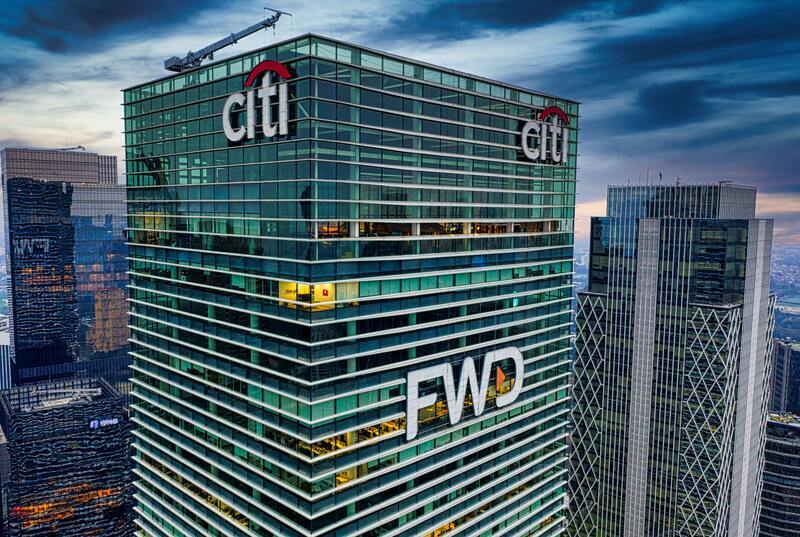
Digital Banking Trends in Trinidad and Tobago
The Evolution of Digital Banking
Adoption of Mobile and Contactless Payment Technologies
Digital banking in Trinidad and Tobago is gradually evolving. Traditional banks are making significant strides in integrating digital solutions into their services.
For example, Republic Bank has emphasized contactless methods of banking and introduced EndCash, the first mobile digital wallet in the market, facilitating QR code-based contactless payments.
Fintech Integration and Innovations
Collaborations Between Traditional Banks and Fintech
The integration of fintech solutions is a significant trend in Trinidad and Tobago’s banking sector.
Innovations such as WiPay, a digital payment solution, and the emergence of digital touchpoints like those launched by ANSA Bank indicate a shift towards more interactive and user-friendly digital banking experiences.
Additionally, partnerships between traditional financial institutions and fintech companies are increasingly common, as seen with Sagicor Bank Barbados’ launch on a Banking-as-a-Service (BaaS) platform provided by Mbanq.
Digital Transformation Challenges
Overcoming Legacy Systems and Embracing New Technologies
While digital transformation is on the rise, the banking sector in Trinidad and Tobago faces challenges in transitioning from legacy systems to modern digital infrastructure.
Banks have to make significant investments in resources, staffing, and money to adapt to open banking, which alters the competitive landscape of the financial services industry.
Open Banking: A Future Prospect
Market Awareness and Trust in Open Banking Technologies
Open banking is another emerging trend, though it currently faces hurdles in market awareness and trust.
The concept of open banking offers numerous opportunities for banks to improve customer experience and operational efficiency through APIs. However, educating customers and gaining their trust in new technologies like open banking is a gradual process.
Government and Regulatory Role
Regulatory Involvement in Fostering Digital Banking
Government bodies and regulatory authorities in Trinidad and Tobago are also increasingly involved in the digital transformation of the banking sector.
Initiatives to introduce electronic trading in the stock market and the development of by-laws for the mutual fund industry are examples of this trend.
What types of accounts do Trinidad and Tobago banks offer?
Trinidad y Tobago banks offer a variety of accounts to meet the needs of individuals and businesses.
Savings accounts
These are deposit accounts designed to help customers save money. They usually pay interest on the balance and may have restrictions on the number of withdrawals allowed per month.
Checking accounts
Also known as current accounts, these are transactional accounts that allow customers to write checks, make withdrawals, and use a debit card to make purchases.
Fixed deposit accounts
These are deposit accounts that require customers to leave their money in the account for a fixed period of time, usually ranging from one month to five years. They generally offer higher interest rates than savings accounts.
Business accounts
These are accounts designed for businesses and typically offer additional features such as payroll services, merchant services, and online banking.
Impact of Global Economic Changes on Trinidad and Tobago’s Banking Sector
Global Economic Trends and Their Local Impact
- Economic Growth and Energy Prices: The Trinidad and Tobago economy is closely tied to the global energy market. Higher global energy prices have positively impacted the fiscal surplus and public debt reduction in 2022. However, as oil and gas fields mature, growth potential is expected to slow, influencing the revenue streams of banks in Trinidad and Tobago.
- Fiscal Surplus to Deficit Swing: Despite experiencing a fiscal surplus in 2022 for the first time in over a decade, the fiscal position is projected to switch to a deficit in 2023. This deficit, influenced by lower energy revenues and increased capital spending, could affect the lending and investment strategies of banks in Trinidad and Tobago.
- Inflation Trends: Inflation in Trinidad and Tobago, which reached 8.7% by the end of 2022, is projected to slow down. This could have implications for the banking sector, particularly in terms of savings and loan interest rates.
- International Reserve Coverage: With projections of adequate international reserve coverage, banks in Trinidad and Tobago might find stability in foreign exchange operations and international investments.
Local Financial Market Stability
- Stock Market Outlook: The global economic slowdown may lead to lower energy prices and revenues, creating instability in domestic financial markets. This could influence banks in Trinidad and Tobago, especially those with significant investment portfolios.
- Volatility in Financial Markets: Anticipated turbulence and volatility in the financial markets throughout 2023 will require banks in Trinidad and Tobago to adapt their investment strategies and risk management approaches.
- Impact on Credit and Corporate Earnings: The higher interest rate environment globally could lead to reduced demand for credit and impact corporate earnings, affecting the profitability and lending capacity of banks in Trinidad and Tobago.
Navigating Uncertain Times
The banks in Trinidad and Tobago are navigating these global economic changes by adapting their strategies and risk management approaches.
The focus remains on ensuring stability, profitability, and continued service to their customers in an ever-changing economic landscape. The ability to adapt to these changes while maintaining efficient and quality services will be crucial for banks in Trinidad and Tobago in the coming years.
Investment Services Offered by Banks in Trinidad and Tobago
Mutual Funds
Banks in Trinidad and Tobago provide a variety of mutual fund options. For instance, Scotiabank offers both Trinidad and Tobago Dollar (TTD) and United States Dollar (USD) portfolios of mutual funds suitable for different investor profiles.
These funds are designed to meet a full range of investment objectives and are an attractive option for those looking to invest in professionally managed portfolios.
Term Deposits
Term deposits are another popular investment product offered by banks in Trinidad and Tobago. They offer a fixed rate of interest and are designed to protect the principal investment, making them a safe investment choice for those looking to preserve their capital while earning steady returns.
Asset Management Services
For investors looking for personalized investment plans, banks like Scotiabank offer asset management services. These services ensure that the investment plan remains tailored to the individual’s needs and objectives, adapting as necessary to changes in the market over time.
Roytrin Mutual Funds
RBTT Bank provides Roytrin Mutual Funds, which are open-ended funds created as investment vehicles for both individual and institutional investors.
The Roytrin Family of Mutual Funds includes TTD and USD Income and Growth Fund and a TTD and USD Income Fund, offering a range of choices for investors.
FutureCash
RBTT’s FutureCash Tax Savings and Retirement Plan is a unique offering that provides tax savings and a high rate of return. It is an excellent option for those planning for retirement and looking to optimize their tax benefits.
These investment options reflect the banks’ commitment to offering comprehensive and diverse financial products to meet the evolving needs of their clients.
Whether it’s through mutual funds, term deposits, or specialized retirement plans, banks in Trinidad and Tobago are equipped to provide solutions that align with various investment goals and risk profiles.
The investment landscape in Trinidad and Tobago is dynamic, with banks continually updating and expanding their services to meet the demands of a diverse client base.
Investors seeking to explore these services should consider consulting with investment advisors at these banks to better understand which options best suit their financial goals and risk tolerance.
What are the requirements for opening an account in banks in Trinidad and Tobago?
To open a bank account in Trinidad and Tobago, you typically need to provide the following information and documentation:
- A valid government-issued photo ID, such as a passport or driver’s license.
- Proof of address, such as a utility bill or bank statement.
- Proof of income, such as a pay stub or tax return.
- An initial deposit, which varies depending on the type of account.
Some banks may also require additional documentation or information, such as proof of business registration for business accounts.
It is always a good idea to check with the bank in advance to determine what is required to open an account.

What are the interest rates for savings accounts, fixed deposits, and loans in banks in Trinidad and Tobago?
En interest rates for savings accounts, fixed deposits, and loans offered by banks in Trinidad and Tobago can vary depending on the bank, the type of account or loan, and prevailing market conditions.
En interest rates for savings accounts in Trinidad and Tobago typically range from 0.01% to 0.25% per annum. Some banks may offer tiered interest rates based on the account balance.
The interest rates for fixed deposit accounts in Trinidad and Tobago vary depending on the term of the deposit and the bank.
Generally, longer-term deposits offer higher interest rates. Currently, the interest rates for fixed deposits range from 0.25% to 2.00% per annum.
The interest rates for loans in Trinidad and Tobago vary depending on the loan type, the loan term, and the borrower’s creditworthiness.
As of present, the interest rates for personal loans range from 8.00% to 15.00% per annum, while the interest rates for mortgages range from 3.00% to 9.00% per annum.
It is important to note that these rates are subject to change. Additionally, individual banks may also offer different interest rates.
Hence, it is always best to check with a specific bank for their current interest rates.

Banking Solutions for Small and Medium Enterprises (SMEs) in Trinidad and Tobago
Government-Backed Financial Support
Banks in Trinidad and Tobago offer a range of financial support options for SMEs, notably through government-backed programs.
The SME Stimulus Loan, provided by Republic Bank under Phase III, is a significant example. This government-guaranteed loan allows SMEs to access up to $1.5M, with a term ranging from two to ten years.
Notably, loans exceeding five years may include a two-year moratorium on principal payments. To qualify, SMEs need to meet specific criteria, including having annual gross revenues between TT$0.5 million to TT$25 million and up-to-date tax payments.
Expanded Loan Guarantee Schemes
In addition to the SME Stimulus Loan, the Trinidad and Tobago government has also introduced a $500 million long-term loan guarantee scheme for SMEs, managed by First Citizens Bank in collaboration with other commercial banks.
This scheme offers up to 80% government guarantee on the value of loans for up to ten years, focusing on the non-energy sector.
Eligibility and Application
Eligibility for these loans typically requires SMEs to have a minimum number of employees and be operational in Trinidad and Tobago.
Applicants must provide proof of compliance with various financial obligations, including VAT, income/corporation tax, and National Insurance contributions. These measures ensure that the financial support reaches genuine and compliant SMEs.
Diverse Banking Services
Beyond loans, banks in Trinidad and Tobago offer a variety of services tailored to SMEs, ranging from business accounts to advisory services.
These services are designed to cater to the unique financial needs of small and medium enterprises, providing them with the necessary tools to grow and thrive in the dynamic economic landscape of Trinidad and Tobago.
What are the fees associated with banking in Trinidad and Tobago?
Banks in Trinidad and Tobago charge various fees for their services.
Here are some common fees charged by banks in Trinidad and Tobago and how customers can avoid or minimize them:
Transaction fees
Many banks charge fees for certain types of transactions, such as wire transfers, foreign currency transactions, and overdrafts.
To avoid these fees, customers can choose to use alternative payment methods such as online transfers or cash payments.
It is also important to read the terms and conditions of your account to understand the fees associated with different types of transactions.
Account maintenance fees
Some banks charge monthly fees for maintaining an account. To avoid these fees, customers can maintain a minimum balance in their account or switch to a different account type that does not charge these fees.
ATM fees
Many banks charge fees for using ATMs that belong to other banks. To avoid these fees, customers can use ATMs that belong to their own bank or look for banks that offer fee-free ATM usage.
Credit and debit card fees
Some banks charge fees for using credit or debit cards, such as annual fees and transaction fees.
Customers can avoid these fees by choosing credit or debit cards that do not charge these fees or by choosing a bank that offers fee-free credit or debit card usage.

Loan fees
Banks may charge fees for taking out loans, such as application fees, processing fees, and prepayment fees.
To minimize these fees, customers can compare loan options from different banks and choose a loan with lower fees.
It is important for customers to carefully read the terms and conditions of their accounts to understand the fees associated with different services.
Customers can also contact their banks to negotiate lower fees or switch to a different bank or account type that offers lower fees.
What types of loans do Trinidad and Tobago banks offer?
Banks in Trinidad and Tobago offer various types of loans to meet the needs of their customers.
Personal loans
Personal loans are unsecured loans that can be used for a variety of purposes, such as home improvements, travel, or debt consolidation.
To be eligible for a personal loan, applicants must typically have a steady income and a good credit score. The loan terms and interest rates vary depending on the bank and the borrower’s creditworthiness.
Auto loans
Auto loans are used to finance the purchase of a new or used vehicle. To be eligible for an auto loan, applicants must typically have a good credit score and a steady income.
The loan terms and interest rates vary depending on the bank and the vehicle’s purchase price.
Home loans
Home loans, also known as mortgages, are used to purchase or refinance a home. To be eligible for a home loan, applicants must typically have a good credit score, a steady income, and a down payment.
The loan terms and interest rates vary depending on the bank, the borrower’s creditworthiness, and the size of the down payment.
Education loans
Education loans are used to finance the cost of higher education, such as tuition, books, and fees.
To be eligible for an education loan, applicants must typically have a good credit score and a steady income. The loan terms and interest rates vary depending on the bank and the borrower’s creditworthiness.
Business loans
Business loans are used to finance business expenses, such as equipment, inventory, or expansion.
To be eligible for a business loan, applicants must typically have a good credit score, a business plan, and financial statements. The loan terms and interest rates vary depending on the bank and the borrower’s creditworthiness and business plan.
Financial Literacy and Education Initiatives by Banks in Trinidad and Tobago
The Growing Importance of Financial Literacy
In Trinidad and Tobago, banks recognize the critical need to enhance financial literacy among citizens. This awareness stems from a broader global acknowledgment of the importance of financial education in fostering economic stability and personal financial well-being.
Recent Surveys and Reports
The National Financial Literacy Programme (NFLP) conducted a survey in 2021 to assess the impact of its initiatives and the current state of financial literacy in Trinidad and Tobago. This survey plays a pivotal role in shaping the strategies for future financial education efforts in the country.
Government Initiatives and Partnerships
Collaboration for Broader Reach
The Trinidad and Tobago International Financial Centre (TTIFC), under the Ministry of Finance, is actively promoting financial inclusion, focusing on the underbanked, unbanked, and vulnerable groups.
These initiatives aim to increase access to financial knowledge and technology, thereby enhancing household welfare and economic growth.
National Financial Inclusion Strategies
The TTIFC’s approach includes developing country-specific initiatives to remove barriers to financial inclusion. This includes creating a roadmap for implementing National Financial Inclusion Strategies in collaboration with stakeholders.
Targeted Programs for Diverse Audiences
Adult Financial Literacy
In 2024, significant investments are being made to expand adult literacy training. This includes a partnership with the Central Bank to offer financial literacy programs, particularly focusing on at-risk communities and lower-income groups.
Financial Education for the Youth
The Central Bank and NFLP have launched an app and a website targeting children aged 7-11. This initiative aims to teach them about earning, budgeting, entrepreneurship, and basic investing through interactive games and activities.
Tobago’s Specific Initiatives
In Tobago, the Financial Literacy Secretariat is dedicated to improving financial literacy. They conduct educational outreach programs for various groups, focusing on essential financial skills like saving, budgeting, and investing.
How do Trinidad and Tobago banks protect customers’ privacy and security?
Banks in Trinidad and Tobago are required by law to maintain the confidentiality of their customers’ personal and financial information.
Banks have policies and procedures in place to ensure that customers’ information is protected and only accessed by authorized personnel.
Many banks use encryption technology to protect their customers’ online transactions and personal information.
Encryption is a method of encoding data to prevent unauthorized access and is widely used by banks to ensure the security of their customers’ online transactions.
Some banks in Trinidad and Tobago use two-factor authentication to provide an additional layer of security for online transactions.
Two-factor authentication requires customers to provide two forms of identification, such as a password and a code sent to their mobile phone, to verify their identity and authorize a transaction.
Banks in Trinidad and Tobago also have fraud prevention measures in place to protect their customers’ accounts from unauthorized transactions.
These measures include monitoring for suspicious activity, blocking transactions that are outside of a customer’s normal spending patterns, and notifying customers of any suspicious activity on their accounts.
Lastly, banks in Trinidad and Tobago also provide education and awareness programs to help customers protect their personal and financial information.
These programs may include tips on creating strong passwords, avoiding phishing scams, and protecting sensitive information from identity theft.
Aside from these, customers should also take steps to protect their own personal and financial information, such as using strong passwords and avoiding sharing sensitive information with unauthorized parties.

How do Trinidad and Tobago banks support their customers during financial hardship?
Banks in Trinidad and Tobago have a responsibility to support their customers during times of financial hardship, such as natural disasters or economic downturns.
These banks may offer payment deferrals to customers who are experiencing financial hardship due to natural disasters or economic downturns.
This may include deferring loan or credit card payments for a period of time to help customers get back on their feet.
The banks may also work with customers to restructure their loans or mortgages to make their payments more affordable during times of financial hardship. This may include extending the loan term or reducing the interest rate.
Some banks in Trinidad and Tobago also offer relief programs to customers affected by natural disasters or economic downturns. These programs may include waiving fees, reducing interest rates, or providing financial assistance.
Meanwhile, others offer financial counseling services to customers experiencing financial hardship. These services may include budgeting advice, debt management strategies, and other planificación financiera services.
Lastly, banks may offer disaster recovery loans to customers affected by natural disasters. These loans may have special terms and conditions, such as lower interest rates or longer repayment periods, to help customers recover from the disaster.
Conclusión
Banks in Trinidad and Tobago offer a wide range of financial products and services to meet the diverse needs of their customers.
In addition to their core services, banks in Trinidad and Tobago also prioritize customer privacy and security. They are constantly investing in technology and infrastructure to ensure that their customers’ financial information is protected at all times.
While the banking industry in Trinidad and Tobago faces challenges like any other industry, it continues to adapt and innovate to meet the evolving needs of its customers.
With a strong regulatory framework and a commitment to providing excellent customer service, banks in Trinidad and Tobago are well-positioned to continue playing a vital role in the economy of the country.
¿Le duele la indecisión financiera? ¿Quiere invertir con Adam?

Adam es un autor reconocido internacionalmente en temas financieros, con más de 830 millones de respuestas en Quora, un libro muy vendido en Amazon y colaborador de Forbes.