¿Cómo puede proteger su dinero de la inflación? Siga leyendo para saberlo.
Aprender 12 formas de proteger su dinero de la inflación implica tener en cuenta coberturas de inflación extraterritoriales para salvaguardar el valor de sus activos.
Si desea invertir como expatriado o particular con un elevado patrimonio neto, que es en lo que estoy especializado, puede enviarme un correo electrónico (advice@adamfayed.com) o utilizar WhatsApp (+44-7393-450-837).
Introducción
La inflación se define como el ritmo al que disminuye el valor de una moneda y, en consecuencia, aumenta el nivel general de los precios de bienes y servicios. La inflación es un fenómeno normal en una economía, pero la cobertura frente a la inflación puede utilizarse para contrarrestar la pérdida prevista en el precio de una divisa, salvaguardando así la disminución del poder adquisitivo.
La cobertura de la inflación también puede ayudar a salvaguardar el valor de una inversión. Aunque muchas inversiones parecen producir un buen rendimiento, podrían venderse con pérdidas si se tiene en cuenta la inflación.
Un inversor prudente puede prepararse para la inflación centrándose en tipos de activos que superen al mercado durante periodos inflacionistas. Aunque los bonos clásicos son la opción más común para los inversores en rentas, no son la única inversión que genera un flujo de efectivo.
En marzo de 2022, la tasa de inflación alcanzó el 8,5% (según los datos del índice de precios al consumo de US Labor Statistics), la más alta desde 1981. Los costes de los bienes de consumo parecen ir en aumento en un futuro previsible.
Estos grandes repuntes de la inflación provocan volatilidad en los mercados e inestabilidad económica, causando estragos en los mercados convencionales. bolsa de valores. En consecuencia, los inversores buscan nuevas posibilidades de inversión que les ayuden a protegerse de los peligros asociados a la creciente inflación.
12 maneras de proteger su dinero de la inflación
Estas son las doce formas de proteger su dinero de la inflación. Aunque cada una conlleva un nivel de riesgo diferente, aún es posible que un inversor individual lo consiga.
1. Invierta en inversiones alternativas para diversificar su cartera
El efectivo es uno de los tipos de activos más sensibles a la inflación. Por ejemplo, si tienes $500.000 en efectivo y la tasa de inflación es del 8,5%, tu poder adquisitivo disminuirá en $42.500.
Para evitarlo pérdidas financieras, invertir en formas alternativas de productos financieros, como:
- Inmobiliario
- Aceite
- Gas
- Vino fino
- Alternativa fondos de inversión
Estas alternativas suelen ser menos sensibles a las fluctuaciones del mercado.
Por ejemplo, la clase de activos de vinos finos ha demostrado ser una excelente cobertura frente a la inflación, mostrando un crecimiento constante. crecimiento incluso en tiempos de imprevisibilidad.
También se encuentra entre las mejores alternativas a los productos caros. Las carteras de vinos finos subieron un 5,28% el año pasado, aunque el índice S&P Global Luxury cayó un 8%.
Invertir dinero en infraestructuras inmobiliarias y fondos de inversión inmobiliarios es otro método que muchos inversores de éxito (como Warren Buffet) utilizan para protegerse de la inflación. Esto es así porque la infraestructura las inversiones suelen mantener su valor a pesar de la inflación.

2. Invertir en bienes inmuebles
Inversión inmobiliaria tiene muchas ventajas. Este tipo de activo ofrece ingresos estables mediante dividendos y tiene un valor inherente. Debido a la necesidad constante de vivienda, independientemente del estado de la economía, y al hecho de que, a medida que aumenta la inflación, también lo hacen los valores inmobiliarios y los tipos de alquiler, a menudo sirve como una excelente cobertura contra la inflación.
Sin embargo, inmobiliario es ilíquido porque es un activo tangible. Los fondos de inversión inmobiliaria (REIT), que son más líquidos inversiones que pueden comprarse y venderse fácilmente en los mercados, son una alternativa a tener en cuenta. Las empresas que poseen y gestionar carteras de edificios industriales, residenciales y comerciales se conocen como REIT.
Con frecuencia ofrecen mejores rendimientos que los bonos y generan ingresos a través de arrendamientos y alquileres. Otra gran ventaja es que, debido a sus costes de explotación relativamente estables, es probable que sus precios se vean menos afectados cuando tipos de interés empiezan a subir. La Vanguardia Inmobiliario ETF es un ejemplo de REIT con amplia exposición al sector inmobiliario y un bajo coeficiente de gastos (VNQ).
3. Considere la posibilidad de invertir en bonos, como los valores del Tesoro protegidos contra la inflación.
Las presiones inflacionistas tienen un impacto significativo en renta fija mercados. Así, en lugar de invertir en renta variable, Considere la posibilidad de invertir en bonos, que suelen ser menos sensibles a la inflación. Aunque los tipos de los bonos son sustancialmente más bajos, esta puede ayudar a los inversores a diversificar y equilibrar sus carteras..
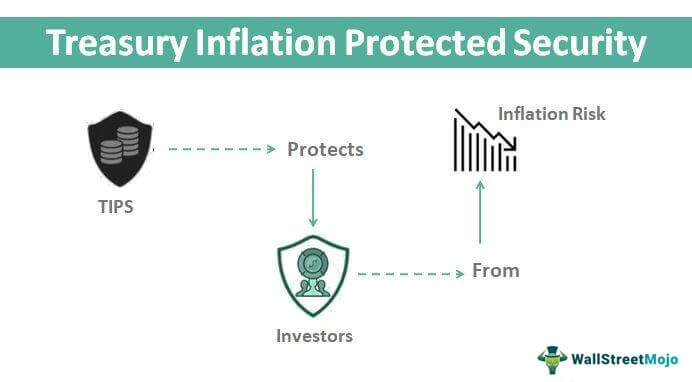
Además, los bonos TIPS (Treasury Inflation Protected Securities) son a prueba de inflación, ya que su principal aumenta a medida que sube la tasa de inflación.
Aunque son más caros que los bonos normales (ya que proporcionan protección contra la inflación), son apropiados para obtener beneficios financieros a corto y medio plazo. Los TIPS son también una alternativa adecuada para quienes se acercan a la edad de jubilación y desean evitar poniendo su dinero en peligro.
4. Realice inversiones eficientes desde el punto de vista fiscal
Considere la posibilidad de maximizar las ventajas fiscales de todas sus inversiones. Para ello, puede utilizar varios instrumentos fiscales eficientes. estrategias de inversión como:
- Invertir en activos que pierden un porcentaje menor de sus rendimientos por impuestos en cuentas imponibles.
- Invertir en activos que pierden un mayor porcentaje por impuestos en cuentas con ventajas fiscales
5. Reasigne sus fondos a acciones
Si vuelve la inflación, el mercado de bonos normalmente sufrirá, pero el la bolsa puede beneficiarse. Considere la posibilidad de trasladar 10% de su cartera de renta fija a renta variable para aprovechar esta posible tendencia.
Una cartera 60/40 de acciones y bonos se considera una combinación prudente y conservadora de acciones y bonos. En Dimensión DFA Global Allocation 60/40 Portfolio (I) (DGSIX) es un ejemplo de cartera de acciones/bonos.
Una cartera de acciones/bonos 60/40 es una estrategia de inversión sencilla que le ayudará a protegerse de la inflación, pero tenga en cuenta que a largo plazo su rendimiento será inferior al de una cartera exclusivamente de acciones debido al impacto de interés compuesto. Puede perder rentabilidad en comparación con una cartera con un mayor porcentaje de acciones.
Otra opción es adquirir acciones preferentes. Estos valores líquidos proporcionarán una mayor rendimiento que la mayoría de los bonos y pueden no depreciarse tanto como los bonos cuando se produce la inflación.
Las acciones de servicios públicos son una tercera opción en la que las acciones Los precios suben y bajan de forma razonablemente previsible. a lo largo del ciclo económico, al tiempo que se obtienen dividendos constantes.
6. Comprar préstamos bancarios
Cuando los precios suben debido a la inflación, algunas empresas pueden prosperar. Los bancos, por ejemplo, se benefician del encarecimiento de los préstamos y aumentan sus ingresos a medida que la inflación aumenta. suben los tipos de interés.
Adquirir préstamos bancarios garantizados es una forma inteligente de aumentar los rendimientos y, al mismo tiempo, evitar caídas de precios en caso de que los tipos de interés empiecen a subir. Sin embargo, hay que tener en cuenta que puede producirse un desfase significativo antes de que el valor de los préstamos aumente cuando suben los tipos. El Lord Abbett Floating Rate Fund es un ejemplo de este tipo de fondo (LFRAX).

7. Busque valores de consumo básico con gran capacidad de fijación de precios
Las necesidades de los consumidores, como la energía y los alimentos, tienen un gran poder de fijación de precios. Esto se debe a que pueden equilibrar cualquier gasto adicional subiendo los precios sin afectar a la demanda.
En consecuencia, las existencias de bienes de consumo se han mantenido constantes a pesar de la subida de los precios. Así, en tiempos de inflación, invertir en renta variable sobre materias primas suele ser una apuesta segura.
8. Evite invertir en empresas con elevados costes laborales
Las empresas que dependen de su personal, como la sanidad y el comercio minorista, intentan subir los sueldos en periodos inflacionistas para mantener y contratar personal. Estos aumentos pretenden seguir el ritmo de la subida de los precios de los bienes de consumo. Sin embargo, el aumento de los salarios provoca subidas de precios aún mayores, lo que da lugar a una espiral inflacionista.
Además, la mayoría de los inversores experimentados, como Warren Buffet, evitan invertir en estas empresas ya que necesitan grandes inyecciones de capital para mantenerse a flote durante las recesiones económicas.
Cuando seleccione acciones de una empresa, asegúrese de investigarla y comprender su dependencia de la mano de obra. En tiempos de inflación, busque empresas que no necesiten mucho capital para compensar el aumento de los costes laborales.
9. Evite los valores de alto crecimiento y riesgo
Las empresas que dependen de los tipos de interés para su rápida expansión son especialmente vulnerables durante los periodos de inflación. Esto se debe a que la Reserva Federal de los Estados Unidos habitualmente sube los tipos de interés para desincentivar el endeudamiento en periodos de alta inflación.
En consecuencia, el aumento de los tipos de interés puede perjudicar a las empresas emergentes.
Si busca empresas prometedoras de alto crecimiento, asegúrese de que su expansión esté impulsada por un apalancamiento operativo constante. Estas empresas suelen tener cotizaciones bursátiles estables y se ven menos influidas por el aumento de la inflación y la consiguiente subida de los tipos de interés.
10. Controla tus gastos y esfuérzate por ahorrar
La subida del índice de precios al consumo refleja un aumento de los costes de los productos básicos. Y el aumento de los precios reduce poder adquisitivo al tiempo que aumenta presión inflacionista.
Simplemente empiece a llevar un registro de todos sus gastos y esfuércese por hacerlo:
- Encuentre sustitutos más baratos para algunos de los artículos de su compra.
- Prescinda de algunos de los artículos menos importantes que compra habitualmente.
- Fija un presupuesto mensual e intenta ceñirte a él.
11. Abrir una cuenta de ahorro
Incluso en periodos de inflación creciente, abrir un cuenta de ahorro es un buen método para ganar intereses sobre su dinero. Basta con crear un cuenta y depósito al menos seis meses de fondos.
Ganar un pequeño tipo de interés es preferible a no recibir ninguno, a pesar de que la mayoría de las cuentas de ahorro no ofrecen tarifas extremadamente elevadas.
Como alternativa, puede intentar buscar en Internet cuentas de ahorro, ya que en ocasiones ofrecen tipos de interés muy superiores a los habituales en el sector.
También puede poner dinero en un certificado de depósito si estás intentando ahorrar por poco tiempo.

12. Examinar las tendencias anteriores de la inflación
Investigar el pasado alto tendencias de inflación pueden ayudarle a detectar ciertas patrones de inflación. Entre estos patrones se encuentran:
- Destacado rendimiento de los valores de materias primas
- Estabilidad del sector energético
- Bien rendimiento de los activos inmobiliarios y otros activos alternativos clases
Reflexiones finales
Todo inversor está sujeto al riesgo de inflación. El dinero tiende a depreciarse con el tiempo, y la cuantía de la inflación en una economía varía en función de la actualidad.
Sin embargo, existen otras estrategias a disposición de los inversores para protegerse de la inflación, entre ellas las especializadas en inversiones y clases de activos que se han cubierto contra la inflación. Su cartera puede crecer independientemente de la economía si vigilas ciertos activos y compras cuando empiece la inflación.
¿Le duele la indecisión financiera? ¿Quiere invertir con Adam?

Adam es un autor reconocido internacionalmente en temas financieros, con más de 830 millones de respuestas en Quora, un libro muy vendido en Amazon y colaborador de Forbes.