
Actualizado el 29 de febrero de 2021
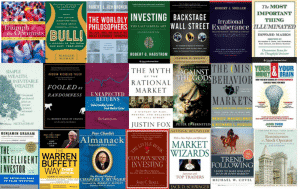
30 Mejores Libros de Inversión para Principiantes e Intermedios - ese será el tema de este artículo. También puede ver mi los mejores libros financieros de todos los tiempos para más opciones.
A menudo me preguntan qué libros de inversión deberían leer los inversores, así que he copiado la siguiente lista de los mejores libros de inversión de todos los tiempos para principiantes.
A los que no les guste leer, les sugiero que prueben la versión gratuita de Amazon Audible (audiolibros) y los escuchen de camino al trabajo o en casa. Normalmente se pueden escuchar 2 libros gratis.
Antes de empezar, diré que he leído muchas preguntas en Quora, Reddit y Medium que se centran en la nacionalidad o el año.
Sin embargo, es irrelevante si vives en Reino Unido, Estados Unidos, Singapur, India, Dubái , Canadá o Australia. Tampoco es importante si usted está leyendo estos libros en 2017, 2018 o 2019.
Los fundamentos de la buena inversión siguen siendo los mismos. Los mejores libros de inversión de todos los tiempos no cambian con facilidad; cada año se crean pocos libros de inversión de categoría mundial.
Tampoco importa mucho si eres mayor, de mediana edad o millennial. Un estudiante universitario, un profesor o un abogado. Veinteañero, treintañero o sesentero.
Vivir en casa o como expatriado. La lectura de una amplia selección de los libros que figuran a continuación abarcará la asignación de activos para todas las edades y situaciones.
En cuanto a lo específico, yo recomendaría empezar con 2-3 libros como se explica en el vídeo de abajo.
Los interesados en invertir pueden enviarme un correo electrónico a advice@adamfayed.com o utilizar la función de chat que aparece a continuación.
La lista completa
Explore los mejores libros de inversión para principiantes e intermedios y tome decisiones informadas sobre diferentes productos de inversión disponible que se adapte a usted.
1.El millonario de al lado, Thomas Stanley
- Un gran libro para principiantes, ya que Stanley cuestionará muchas de sus ideas erróneas sobre quiénes son realmente los ricos. Probablemente no ganan tanto como crees.
- Puede que vivan en la misma calle que tú.
- No es el libro más académico, pero sí muy accesible y ecuánime.
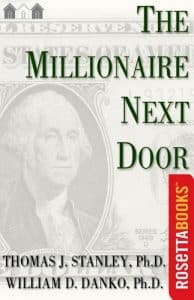
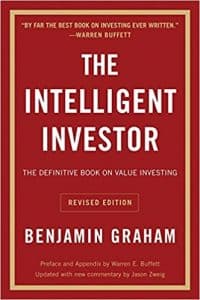
2. El “Inversor Inteligente” de Benjamin Graham.”
- Según el título del libro, Warren Buffett cree que este libro es, con diferencia, el mejor libro sobre inversión jamás escrito.
- Está un poco desfasado desde el punto de vista de que se escribió antes de los fondos indexados. Fue escrito antes de que los inversores institucionales y los robots hicieran tan difícil batir al mercado. Fue escrito antes de que la inversión en valor fuera tan difícil, pero sigue siendo una gran lectura.
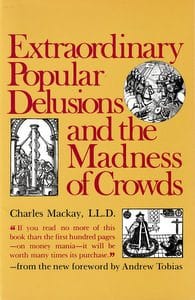
3. Extraordinary Popular Delusions y The Madness of Crowds, Charles Mackay.
- Un gran libro sobre la naturaleza humana y la inversión, aunque sólo 1-2 capítulos se centran en la inversión.
- Hay muchos médicos gordos en el mundo. Y también hay muchos expertos financieros que especulan. Este libro examina algunas de las razones por las que la naturaleza humana contribuye a los malos resultados de las inversiones.
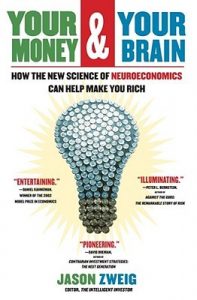
4.Su dinero y su cerebro - Jason Zweig
- ¿Por qué incluso las personas inteligentes hacen estupideces con su dinero? Ese es el tema de este excelente libro
- Al igual que el anterior, combina la inversión con temas relacionados con la naturaleza humana.
Los siguientes libros también son excelentes:
Los ensayos de Warren Buffett - Buffett habla de algunas de las lecciones que aprendió de Benjamin Graham , su mentor, y de todos los años en los negocios. Habla de conocer bien los negocios, de un círculo de competencia y de otras ideas clave del libro.
Un paseo aleatorio por Wall Street - Burton Malkiel - Burton habla de cómo algunas técnicas de inversión populares, como el análisis técnico y el análisis fundamental, no funcionan a largo plazo.
Paul Farrell - La guía del perezoso para invertir: Un libro para procrastinadores, personas con problemas financieros y todos aquellos que se preocupan por su dinero. -Uno de los mejores libros para entender cómo invertir de forma segura, con poco compromiso de tiempo y productiva.
Philip Fisher Acciones comunes y beneficios no comunes - Uno de los libros favoritos de Buffett. De hecho, a finales de los 80, Buffett identificó este libro como uno de los que influyeron en su estrategia de inversión. Buffett afirma que es 85% Graham Graham y 15% Fisher. Sin embargo, al igual que los libros de Graham, este libro se publicó en 1958. Así que muchas de las enseñanzas están desfasadas. Por ejemplo, los fondos indexados no estaban disponibles en ese momento.
Burton Malkiel y Charles Ellis. Los elementos de la inversión - Otro libro excelente para principiantes. Enseñan a centrarse en el largo plazo y no en el corto plazo. Muestran cómo la disciplina es una de las claves del éxito.
Larry Swedroe. La única guía para una estrategia de inversión que necesitará - Larry Swede explica las diferencias entre inversiones activas y pasivas y los estudios que demuestran por qué las inversiones pasivas pueden superar a las activas.
Larry Swedroe. La búsqueda de Alfa: El Santo Grial de la inversión - Explica con más detalle cómo fracasa la mayoría de la gente que intenta superar a los mercados
John Bogle, El pequeño libro de la inversión con sentido común: la única forma de garantizar su parte justa de los beneficios bursátiles (Pequeños libros. Grandes beneficios) - Posiblemente el libro más famoso de Bogle. Habla de los costes, de ser a largo plazo, de lo que impulsa los mercados a largo plazo, de los rendimientos compuestos, etc.
William Bernstein Los cuatro pilares de la inversión: Lecciones para construir una cartera ganadora - Un libro realista que analiza las 4 claves de una buena cartera de inversiones. Es importante destacar que el libro habla de los peligros de la selección activa de valores, en lugar de invertir en todo el mercado y el comportamiento financiero y cómo el estado de ánimo puede afectar negativamente a la toma de decisiones.
John Bogle - Sentido común sobre los fondos de inversión: Nuevos imperativos para el inversor inteligente - Bogle habla de los principales pilares de la indexación en este libro
El choque de culturas“ de John Bogle” - Bogle habla de cómo el auge de los ETF ha llevado a que muchos de los llamados fondos pasivos se utilicen para especular. Señala cómo el comercio de alta frecuencia ha dado lugar a flujos de ingresos adicionales de las instituciones financieras. Lo más interesante de este libro es cómo señala que, en los años 90 y 2000, la mayoría de los bancos presionaron para evitar que bajaran los costes de negociación. Ahora han dejado de hacerlo. Y la razón es que se dieron cuenta de que los operadores y los especuladores negocian más si los costes de negociación son más bajos.
David Swensen, Éxito no convencional: Un enfoque fundamental de la inversión personal - Swensen cuestiona en este libro algunas de las creencias más extendidas. También examina algunos datos sobre el rendimiento de los fondos de inversión.
Análisis de valores” de Benjamin Graham -Graham, mentor de Buffett, produjo otro clásico con análisis de valores. Podría decirse que es un libro más adecuado para estudiantes de nivel intermedio que para principiantes.
Carl Richards, The Behavior Gap, Simple Ways to Stop Doing Dumb Things with Your Money.Richards habla aquí de algunas de las razones conductuales por las que fracasan los inversores. Demasiada gente asume que la falta de conocimientos es la causa del fracaso de los inversores, cuando el comportamiento suele ser el número 1.
Adam Fayed- 6 Pasos hacia la Libertad Financiera: Los Secretos que los Mercadólogos y Wall Street no quieren que sepas. - En este libro resumo algunas de las pruebas para principiantes e intermedios. Prácticamente me centro en la importancia de los hábitos de gasto e inversión, los consejos financieros para expatriados y cómo hacerse rico con una renta media.
Todos los libros anteriores están disponibles en Amazon o, en algunos casos, en PDF. Los audiolibros y las reseñas también están disponibles en Internet.
Para un trabajo más académico sobre cómo funciona en la práctica la regla 4%, recomendaría lo siguiente:
Sustainable Withdrawal Rates From Your Retirement Portfolio, por Philip L. Cooley, Carl M. Hubbard y Daniel T. Walz - https://afcpe.org/assets/pdf/vol1014.pdf
Otros libros académicos que pueden consultarse son:
Bengen, W. P. (1994). Determinación de las tasas de retirada a partir de datos históricos. Journal of Planificación financiera, 7(1), 171-180.
Bengen, W. P. (1996). Asignación de activos para toda la vida.Journal of Financial Planning, 9(3), 58-67.
Bengen, W. P. (1997). Conservar la cartera del cliente durante la jubilación, parte III. Journal of Financial Planning, 10(5), 84-97.
Bierwirth, L. (1994). Invertir para la jubilación: utilizar el pasado para modelar el futuro. Journal of Financial Planning, 7(1), 14-24.
Cooley, P. L., Hubbard, C. M. & Walz, D. T. (1998). Retirement spending: choosing a sustainable withdrawal rate. Journal of the American Association of Individual Investors, 20(2), 16-21.
Ferguson, T. W. (1996). Dote usted mismo. Forbes, 157(12), 186-187.
Ho, K., Milevsky, M. y C. Robinson. (1994). Asignación de activos, esperanza de vida y carencia. Financial Services Consulte., 3(2), 109-126.
Ibbotson Associates (1996). Anuario de acciones, bonos, letras e inflación. Ibbotson Associates, Chicago, IL.
Ibbotson Associates (1998). Stocks, bonds, bills, and inflation yearbook (V ersión en CD-ROM). Ibbotson Associates, Chicago, IL.
Lynch, P. (1995). El miedo a estrellarse. Worth 2(1), 79-88. Scott, M. C., (1996). Assessing your portfolio allocation from a retiree's point of view. Journal of the American
Asociación de Inversores Particulares. 18(8), 8-11.
Para algunos libros no relacionados con la inversión que me han resultado útiles para comprender el comportamiento humano, que afecta indirectamente a las decisiones de inversión y a menudo conduce a malas decisiones, sugeriría los siguientes libros:
Dale Carnegie, Cómo ganar amigos e influir sobre las personas - En los libros de Carnegie, habla de que la gente necesita sentirse importante. Eso suele ser así. Es la naturaleza humana, y no siempre es algo malo. Sin embargo, puede ser algo malo, porque los inversores con un ego más grande asumen más riesgos. Especulan más. Seleccionan valores. Así que aunque este no es un libro de inversión, tiene muchas advertencias para el inversor medio
Nassim Taleb, Engañados por el azar No habla de invertir, pero demuestra que volatilidad y estabilidad no van unidas
Los 7 Hábitos de la Gente Altamente Efectiva: Lecciones poderosas sobre el cambio personal- Un buen libro para la productividad y para hacer las cosas.
Para quienes no tengan tiempo de leer la mayoría de estos libros, trataré algunas preguntas frecuentes sobre inversión:
Preguntas frecuentes
¿Se traducen muchos de estos libros a otros idiomas?
Muchos de estos libros también se han traducido al español, hindi, tamil, árabe, gujarati, francés, japonés, coreano y otros muchos idiomas.
¿Sigue siendo relevante el Inversor Inteligente?
Sí y no. Probablemente sea el mejor libro de inversión de la historia, pero se escribió antes de los fondos indexados. También se escribió antes de que los inversores institucionales dificultaran la selección de valores. Aun así, merece la pena leerlo.
¿Es el Inversor Inteligente para principiantes?
Muchos principiantes pueden leerlo. Yo empezaría con algo como El millonario de al lado. No es difícil de leer, en gran parte.
¿Sigue siendo relevante el millonario de al lado?
Más relevante que nunca. La mayoría de los millonarios proceden de hogares de renta media. Desde que se ha escrito este libro, cada vez hay más millonarios en China e India. Algunos de estos millonarios son de renta media, ya que proceden de culturas que retrasan la gratificación.
¿Es Padre Rico, Padre Pobre un buen libro?
Es muy entretenido pero poco académico. Se ha desarrollado un culto a la personalidad en torno a Robert Kiyosaki, y se han popularizado juegos de mesa como el cuadrante de flujo de caja y otros de marketing. Hay algunas cosas buenas en el libro, sobre la importancia de la mentalidad, y muchas otras cosas, que sin duda contribuyen a la riqueza.
Sin embargo, algunos aspectos del libro son erróneos desde el punto de vista de los hechos, como por ejemplo sugerir que el oro puede ser una buena inversión y que nunca se debe trabajar por cuenta ajena. Por tanto, está bien leer un resumen del libro.
¿Qué tal libros sobre expatriación, inversión e impuestos?
Algunos de los libros citados tratan de expatriados, y la gente vivir en el extranjero. Los fundamentos de una buena inversión siguen siendo los mismos. La eficiencia fiscal es una parte de la ecuación, y para los expatriados, eso significa invertir en paraísos fiscales cuando se vive en el extranjero.
Con la excepción de los expatriados estadounidenses, no tiene ningún sentido enviar dinero a tu país de origen.
Invertir en paraísos fiscales significa invertir fuera de su país de residencia. Por lo tanto, si usted es expatriado en Shanghai, Hong Kong o Bangkok, por ejemplo, está invirtiendo en un paraíso fiscal si lo devuelve al Reino Unido (continente o territorio de ultramar) o a cualquier otro país, aparte del país en el que reside.
Enviar cantidades importantes de dinero a casa puede acarrear consecuencias fiscales imprevistas, y no está permitido tener cuentas individuales de ahorro cuando se muda al extranjero.
¿Y después de leer los libros?
Leer libros es sólo el primer paso. Muchos médicos son gordos, fuman y beben en exceso, a pesar de tener los conocimientos necesarios. Algunos abogados se han metido en líos legales y muchos profesores no aprenden bien.
Tengo muchos amigos que fueron a la escuela de negocios y estudiaron finanzas y están arruinados. Conozco a innumerables gestores de patrimonios y asesores financieros que no tienen mucho patrimonio.
Así que el paso más importante es poner en práctica la lectura, de forma coherente. En muchos sentidos, es propio de la naturaleza humana especular, ser codicioso, egoísta y pensar que se puede ver el futuro.
Invertir bien, en muchos sentidos, va en contra de la naturaleza humana. Por eso, a la hora de invertir, rasgos como el control de las emociones, el autocontrol y la autodisciplina son tan importantes como los conocimientos.
¿Es seguro invertir?
A menudo se plantean preguntas como si merece la pena invertir, si es seguro o si es un juego de azar. Invertir es seguro, si se hace de la manera correcta; a largo plazo y no basándose en la especulación.
$10.000 invertidos en el S&P en 1942 valdrían hoy $52 millones, como señaló recientemente Warren Buffett, pero ha habido muchas -50% caídas en los últimos 70 años. No hay más que ver el largo plazo.
Cuáles serán las mejores inversiones de 2019?
Ninguno de los libros mencionados puede responder a esa pregunta. Cualquiera que intente responder a esa pregunta es un charlatán; nadie puede ver el futuro. Los libros anteriores se centran en las pruebas académicas relacionadas con la inversión y en cuál es la mejor forma de invertir el dinero a largo plazo.
¿Cuál es la mejor manera de invertir dinero a largo plazo?
La evidencia académica demuestra que la mejor manera de invertir dinero a largo plazo es centrarse en fondos indexados de bajo coste. Bien diversificados y de bajo coste, y aumentar su asignación a la deuda pública a medida que envejece. Muchos de estos libros contienen carteras modelo.
¿Son fiables CNBC y Bloomberg?
Hay algunos buenos invitados, pero los medios de comunicación son sensacionalistas y propagan algunos sentimientos poco académicos y afirmaciones incorrectas.
¿Es Bitcoin una buena inversión?
Cualquier cosa puede subir o bajar, por las leyes de la oferta y la demanda. Eso no lo convierte en una buena inversión. Se supone que Bitcoin es una moneda, no una inversión. El precio de Bitcoin viene determinado por si la persona que se sienta a tu lado lo quiere, y no por los beneficios empresariales o un rendimiento. Así que es mejor evitarlo.
Se desplomará la Bolsa en 2019?
Nadie sabe cuándo se producirá un desplome. Lo que sí sabemos es que se ha perdido mucho más dinero preparándose para los desplomes que en los propios desplomes, como señaló Peter Lynch en una ocasión.
¿Qué es una acción, un índice y un fondo indexado?
Apple tiene acciones. También las tiene Microsoft. Un índice es simplemente las mayores acciones de una categoría. Así, el FTSE100 son las 100 mayores empresas del Reino Unido. Dow Jones son las 30 mayores empresas de EE.UU.. S&P500 son las 500 mayores empresas de Estados Unidos.
¿Qué es un ETF?
Los fondos cotizados funcionan de forma similar a los fondos de inversión, pero pueden negociarse diariamente, es decir, se puede vender y comprar en cuestión de segundos.
¿Funciona el market timing?
No. Según la cita de Peter Lynch, comprar y mantener funciona. Hay demasiadas incógnitas desconocidas e incógnitas conocidas para cronometrar los mercados. ¿Quién podría haber predicho que los mercados estadounidenses lo harían tan bien después de la victoria electoral de Trump? Ni siquiera sus partidarios lo esperaban.
O en 2008-2009, casi nadie esperaba caídas 50%, y la mayoría de los que lo hicieron, no vieron venir la enorme recuperación después de 2010. El timing, y tener suerte una vez, puede funcionar. Se puede batir al mercado durante 1, 5 o incluso 10 años. Durante 50 años, es casi imposible.
¿Tengo que pagar impuestos por el dinero ganado en bolsa?
Depende de dónde vivas. En muchos países hay formas fiscalmente eficientes de ahorrar e invertir, como las ISA en el Reino Unido. El impuesto típico son las plusvalías, y ese impuesto sólo se aplica al final de tu vida inversora, porque las plusvalías sólo se aplican una vez que vendes una ganancia. Esa es otra razón por la que la sincronización con el mercado no funciona: conduce a impuestos más altos.
¿Qué pasa si quiero que me devuelvan el dinero?
Normalmente puedes vender tus inversiones con relativa rapidez, en la mayoría de las plataformas online. Pero como dejan claro los libros, comprar y mantener durante 50 años tiene más sentido que pedir que te devuelvan el dinero. Esto sólo debería hacerse en caso de verdadera emergencia.
¿Cómo empiezo a invertir en bolsa?
Encuentre un bróker en línea o una plataforma de bricolaje. Abrir una cuenta es fácil. Solo necesitas documentos acreditativos como el DNI y un justificante de domicilio.
¿Qué son los dividendos?
La mayoría de las empresas que cotizan en bolsa pagan dividendos anuales, o ingresos, a los accionistas. El índice S&P y el FTSE británico han tenido históricamente una tasa de dividendos de alrededor de 2%, aunque los dividendos en el FTSE británico se sitúan ahora en torno a 4,5% anuales.
¿Qué son los fondos de inversión?
Los fondos son selecciones de acciones y otros activos. Un fondo tecnológico puede estar compuesto por empresas tecnológicas, mientras que un fondo estadounidense tendrá acciones estadounidenses.
¿Qué son los bonos del Estado y los necesito?
Los gobiernos se endeudan y necesitan vender esta deuda para financiar el déficit. Pagan a los inversores una pequeña cantidad de dinero para que les presten. Tradicionalmente, los bonos en EE.UU. han sido un activo que ha tenido un rendimiento inferior al de los mercados, pero que sube durante los periodos en que los mercados bajan, como en la Gran Depresión de los años treinta. Los inversores más jóvenes no necesitan muchos bonos, pero más cerca de la jubilación, tener más bonos en su cartera tiene sentido.
¿Qué es FATCA para los expatriados estadounidenses?
FATCA - Son las siglas de Foreign Account Tax Compliance Act (Ley de Cumplimiento Fiscal de Cuentas Extranjeras). FATCA exige a todas las instituciones financieras extranjeras (bancos, agentes de inversión, etc.) que informen a las autoridades fiscales estadounidenses sobre las cuentas financieras de ciudadanos estadounidenses o de entidades extranjeras en las que los contribuyentes estadounidenses tengan una participación sustancial. Ahora muchos estadounidenses no pueden abrir fácilmente cuentas bancarias y de corretaje en países extranjeros, especialmente cuentas de inversión.
Cuáles son los mejores brokers online en 2019?
Demasiada gente entra en parálisis por análisis y sobreanaliza cosas como el corretaje en línea. La mayoría de las agencias de valores del Reino Unido, Canadá y otros países ofrecen opciones de inversión similares y acceso a fondos indexados. Lo que importa son las opciones de inversión que elija y si la agencia de valores puede aceptarlas.
¿Cuáles son los mejores corredores en línea para expatriados?
Una vez más, no sobreanalices. Sin embargo, lo que es cierto, es que muchos corredores no pueden aceptar expatriados estadounidenses y algunos otros.
Por lo tanto, lo más importante es si la agencia de valores puede aceptarle, lo fácil que es abrir una cuenta, las comisiones, etc.
Datos de contacto


Muchas gracias , quiero leer o recibir mensajes tuyos por correo siempre .
Muchas gracias
Olayinka Babatunde adewuyi
Gracias
Gracias por este artículo
Hola Adam, gracias por los puntos de vista con mucha información. Estoy interesado en aprender más en la inversión con su orientación y tutoría. Muchas gracias y aprecio mucho.