
Stock picking means making an active choice in terms of which individual stocks should be added to your portfolio.
Considera algo por un momento. Si usted stock pick (individual stocks) rather than buying funds, you have an 80%+ chance of not beating the market over a 5 year period. That goes down to about 98%+ over a 40 year + investment career. Hay muchas razones para ello.
Si desea invertir como expatriado o particular con un elevado patrimonio neto, que es en lo que estoy especializado, puede enviarme un correo electrónico (advice@adamfayed.com) o WhatsApp (+44-7393-450-837).
Esto incluye si busca una segunda opinión o inversiones alternativas.
Algunos de los hechos pueden cambiar desde el momento de la redacción, y nada de lo aquí escrito constituye asesoramiento financiero, jurídico, fiscal o de cualquier tipo, ni una invitación a invertir.
Incluso los pequeños gastos de compraventa se acumulan. Good short-term returns, moreover, increase egos, and complacency comes into play. One of the biggest reasons is that the information is all there transparently, so there is no such thing as a free lunch. Remember, all the information about companies is publicly available and there are people whose job it is to look at this information and weight the pros and cons of all that information.
Tomemos como ejemplo la tecnología. En la década de 1990, los frikis de la informática que predijeron correctamente el futuro podrían haber ganado mucho dinero. Sin duda, los primeros inversores en Facebook o Amazon lo hicieron. Sin embargo, habría sido una locura invertir un porcentaje significativo de su patrimonio en Amazon en 1995. Un inversor racional sólo puede tomar decisiones basándose en la información de que dispone en ese momento. Predicting the future is almost impossible and those who get it right once, probably won’t next time. This is something cryptocurrency advocates should know too well, considering many believed in hyperinflation and a depression as bad as the Great Depression 5-10 years ago.

There are so many unknown unknowns and know unknowns for all companies, and especially start-ups. If Amazon’s CEO would have died 20 years ago, or there would have been a huge scandal or employees would have joined a competitor on mass, the company would never have succeeded. Quién sabe, tal vez Amazon estuvo a punto de quebrar antes de revelar públicamente la información que sólo se convierte en un requisito legal una vez que se hace pública. Y lo que es más, a pesar de que, por término medio, la tecnología ha obtenido buenos resultados en los últimos 20 años, la mayoría de las empresas tecnológicas han quebrado.
Comprar el mercado y una amplia cesta de empresas no es especular. Es sólo suponer que, como siempre, a largo plazo, las 100-200-300 empresas más grandes de EE.UU. o de cualquier otro país valdrán más dinero dentro de 10-20-30 años que hoy. Así que, independientemente de si en 2050 la mayor parte del S&P son servicios financieros, derecho, bienes de consumo o incluso empresas de minería de bitcoins (¡aunque lo dudo!), un inversor que compre el mercado obtendrá beneficios. Simplemente no se beneficiarán tanto como alguien que invierte 100% de su riqueza en la única moneda que bate al mercado. One of the reasons the average DIY investors only makes on average 4%-5% per year when markets have gone up (historic average) 10% per year, is because they assume they are smarter than others due to `research`.
Es propio de la naturaleza humana creerse más listo que la media, pero la evidencia académica es clara: un mayor conocimiento no le permitirá batir sistemáticamente la rentabilidad media del mercado. Es casi seguro que algunos años batirá al mercado, pero por término medio, perderá a largo plazo.
This whole mania around cryptocurrency is another case in point. The price could go up or down, but very few people (or any) are buying `a basket of coins` which tracks the average price of the market. Instead they tend to buy 1, 2 or a maximum of 3 coins. This means, that even if the market increases in the future, many people in the market are engaging in something akin to stock picking.
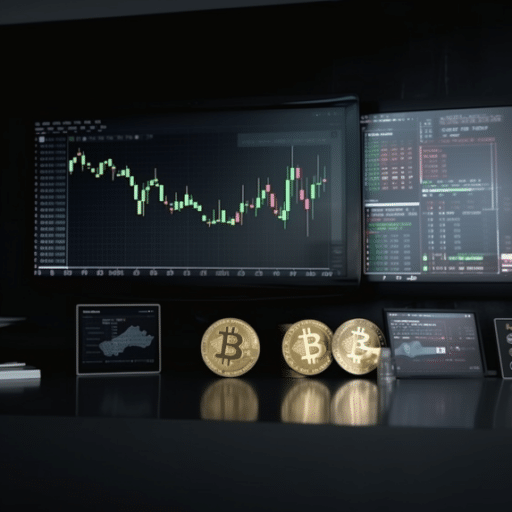
Let’s say somebody owns one coin, and that coin is implicated a political scandal after a dictator stashes and it is subsequently outlawed across numerous countries, then the price will go down. Not to mention, let us imagine for a second the coins become a victim of their own success, they do become a threat to the state’s ability to raise revenue, and therefore becomes a libertarian’s dream. State regulation will hammer the price. I have heard some people say the ridiculous phrase that `regulation can’t affect the price`. That is silly. Let’s give an extreme example now. Let’s say in 2019 there is a terrorist attack funded by some of the coins, as terrorists use it to fund themselves. If there is a popular backlash and the coins are banned globally or even just in the OECD, the price could go close to $0. Every time a new regulation is announced, the price goes down. It could be made an illegal offence to own or trade any coin tomorrow or the day after tomorrow, in an extreme event.
The price of bitcoin and other coins may skyrocket, but that doesn’t mean that an investor is irrational to say no to it in 2018. It is pure speculation and at best should represent 5% of a portfolio if somebody can’t resist the temptation.
¿Le duele la indecisión financiera?

Adam es un autor reconocido internacionalmente en temas financieros, con más de 830 millones de respuestas en Quora, un libro muy vendido en Amazon y colaborador de Forbes.



Worth staying that Crypto currencies have come back to ground (loosing 50%+) since this article was written. Adam advise is still very sound that individual stocks or bitcoins don’t beat the market consistently. Stay with Index funds, and get rich slowly!