
Stock picking means making an active choice in terms of which individual stocks should be added to your portfolio.
Riflettete un attimo su una cosa. Se stock pick (individual stocks) rather than buying funds, you have an 80%+ chance of not beating the market over a 5 year period. That goes down to about 98%+ over a 40 year + investment career. Le ragioni sono molteplici.
Se state cercando di investire come espatriati o individui con un alto patrimonio netto, che è ciò in cui sono specializzato, potete inviarmi un'e-mail (advice@adamfayed.com) o un messaggio WhatsApp (+44-7393-450-837).
Questo vale anche per chi è alla ricerca di un secondo parere o di investimenti alternativi.
Alcuni fatti potrebbero cambiare rispetto al momento della stesura del presente documento e nulla di quanto qui scritto rappresenta una consulenza finanziaria, legale, fiscale o di qualsiasi tipo, né una sollecitazione a investire.
Anche i piccoli costi di acquisto e vendita si accumulano. Good short-term returns, moreover, increase egos, and complacency comes into play. One of the biggest reasons is that the information is all there transparently, so there is no such thing as a free lunch. Remember, all the information about companies is publicly available and there are people whose job it is to look at this information and weight the pros and cons of all that information.
Prendiamo ad esempio la tecnologia. Negli anni '90 era vero che gli smanettoni dell'informatica che avevano previsto correttamente il futuro avrebbero potuto fare un sacco di soldi. Sicuramente i primi investitori di Facebook o Amazon lo hanno fatto. Tuttavia, sarebbe stata una follia investire una percentuale significativa del proprio patrimonio in Amazon nel 1995. Un investitore razionale può prendere decisioni solo in base alle informazioni che ha a disposizione in quel momento. Predicting the future is almost impossible and those who get it right once, probably won’t next time. This is something cryptocurrency advocates should know too well, considering many believed in hyperinflation and a depression as bad as the Great Depression 5-10 years ago.

There are so many unknown unknowns and know unknowns for all companies, and especially start-ups. If Amazon’s CEO would have died 20 years ago, or there would have been a huge scandal or employees would have joined a competitor on mass, the company would never have succeeded. Chissà, forse Amazon ha rischiato di fallire all'inizio, prima di rivelare pubblicamente le informazioni, che diventano un requisito legale solo quando vengono rese pubbliche. Inoltre, anche se negli ultimi 20 anni il settore tecnologico ha registrato in media buoni risultati, la maggior parte delle aziende tecnologiche è fallita.
Acquistare il mercato e un ampio paniere di società non significa speculare. Si parte dal presupposto che, come sempre, nel lungo periodo le 100-200-300 aziende più grandi negli Stati Uniti o altrove varranno di più tra 10-20-30 anni rispetto ad oggi. Quindi, indipendentemente dal fatto che nel 2050 la maggior parte dell'S&P sia costituita da servizi finanziari, legali, beni di consumo o persino da società di estrazione di bitcoin (ma ne dubito!), un investitore che acquista il mercato ne trarrà profitto. Semplicemente non otterranno lo stesso profitto di chi investe 100% del proprio patrimonio nell'unica moneta che batte il mercato! One of the reasons the average DIY investors only makes on average 4%-5% per year when markets have gone up (historic average) 10% per year, is because they assume they are smarter than others due to `research`.
È nella natura umana pensare di essere più intelligenti della media, ma le prove accademiche dimostrano chiaramente che una maggiore conoscenza non vi permetterà di battere costantemente i rendimenti medi del mercato. In alcuni anni batterete quasi certamente il mercato, ma in media perderete nel lungo periodo.
This whole mania around cryptocurrency is another case in point. The price could go up or down, but very few people (or any) are buying `a basket of coins` which tracks the average price of the market. Instead they tend to buy 1, 2 or a maximum of 3 coins. This means, that even if the market increases in the future, many people in the market are engaging in something akin to stock picking.
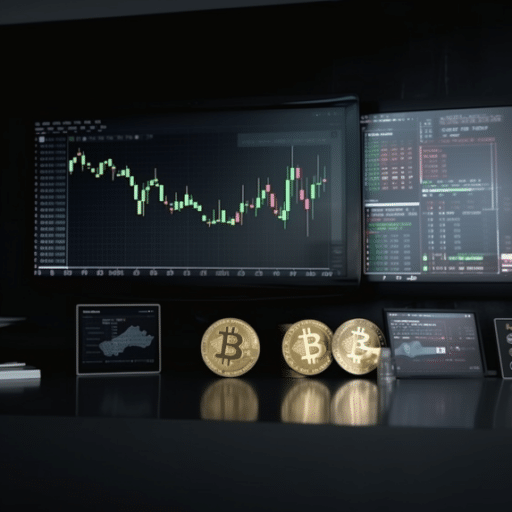
Let’s say somebody owns one coin, and that coin is implicated a political scandal after a dictator stashes and it is subsequently outlawed across numerous countries, then the price will go down. Not to mention, let us imagine for a second the coins become a victim of their own success, they do become a threat to the state’s ability to raise revenue, and therefore becomes a libertarian’s dream. State regulation will hammer the price. I have heard some people say the ridiculous phrase that `regulation can’t affect the price`. That is silly. Let’s give an extreme example now. Let’s say in 2019 there is a terrorist attack funded by some of the coins, as terrorists use it to fund themselves. If there is a popular backlash and the coins are banned globally or even just in the OECD, the price could go close to $0. Every time a new regulation is announced, the price goes down. It could be made an illegal offence to own or trade any coin tomorrow or the day after tomorrow, in an extreme event.
The price of bitcoin and other coins may skyrocket, but that doesn’t mean that an investor is irrational to say no to it in 2018. It is pure speculation and at best should represent 5% of a portfolio if somebody can’t resist the temptation.
Siete afflitti dall'indecisione finanziaria?

Adam è un autore riconosciuto a livello internazionale in materia finanziaria con oltre 830 milioni di visualizzazioni di risposte su Quora, un libro molto venduto su Amazon e un contributo su Forbes.



Worth staying that Crypto currencies have come back to ground (loosing 50%+) since this article was written. Adam advise is still very sound that individual stocks or bitcoins don’t beat the market consistently. Stay with Index funds, and get rich slowly!