15 Football Clubs On Stock Market
Se volete investire come un espatriato o un individuo con un alto patrimonio netto, che è ciò in cui sono specializzato, potete inviarmi un'e-mail (advice@adamfayed.com) o utilizzare WhatsApp (+44-7393-450-837).
Introduzione
Did you know that there are currently more than twenty top football clubs on stock market that are publicly traded?
Professional football has grown into a multi-billion dollar industry in recent years, with significant revenue being earned and spent each season. Investors can choose from a wide variety of football trading strategies.
In this article, we list some of the football clubs on stock market to keep an eye on.
The Football Industry
Alcuni dei biggest and most valuable sports clubs in the world are represented in the enormous industry of football. Football clubs are constantly becoming more valuable due to their massive broadcasting deals and extensive fan bases.
Companies like Nike, Adidas, and Puma have sponsorship agreements with clubs and national teams. TV providers like BT and Sky may consent to six-figure contracts with the organizations in order to obtain the rights to broadcast football competitions.
Football clubs draw local, regional, and international fan bases in addition to paying customers. Due to this, ardent football fans frequently purchase shares of football clubs on stock market.
If the club is successful, this could give football fans a sense of ownership over their preferred players or teams, and it could also be a profitable investment.
Financial Performance Trends of Football Clubs on the Stock Market
Overview of Market Trends
In the past 25 years, the total revenue from the highest earning Football Clubs On Stock Market has increased more than sevenfold.
This remarkable growth, rising from €1.1 billion in the 1996/7 season to an astonishing €8.2 billion in the 2020/21 season, demonstrates the lucrative nature of these investments.
Deloitte’s Football Money League 2022 report suggests a continued upward trend, with revenues expected to reach record levels, surpassing €10 billion as clubs recover from the pandemic’s impact.
Top Clubs by Market Capitalisation
The top 10 Football Clubs On Stock Market by market capitalization span across Europe, with four clubs from Portugal, two from Italy, and one each from the UK, Germany, France, and Denmark.
Manchester United, Juventus Turin, and Borussia Dortmund are among the most notable, with Manchester United leading with a market capitalization of $3.52 billion.

Club-Specific Financial Trajectories
Manchester United (MANU)
Manchester United, the largest publicly traded Football Club On Stock Market, is listed on the New York Stock Exchange. Despite multiple revenue streams, the club’s stock performance has been volatile, particularly since 2014.
The stock price, which peaked at $26.20 per share in August 2018, has seen fluctuations, with a recent decline following a collapsed takeover deal in 2023, resulting in a market cap of around $2.9 billion.
Juventus (JUVE)
Juventus, listed on Milan’s Borsa Italiana, has experienced a declining stock value, with shares trading below €1 since February 2020. Noteworthy events like the 2006 match-fixing scandal significantly impacted its share price.
Recent years have been challenging for JUVE investors, with the club’s value currently standing at €675 million.
Borussia Dortmund (BVB)
Borussia Dortmund, the only German Football Club On Stock Market listed on the Frankfurt Stock Exchange, has seen its share price decline to new lows in 2023, trading below €4. This decline reflects the club’s current financial performance challenges.
Broader Financial Insights
Football Clubs On Stock Market have showcased impressive revenue figures through various streams, including broadcast deals, ticket sales, and sponsorships.
However, most top revenue-generating clubs are not available for public investment, and those that are publicly traded often have lower liquidity, affecting investment flexibility and transaction costs.
Are Football Club Stock Investments A Wise Choice?
Even though it’s not unheard of, you wouldn’t typically invest in a team that plays against the one you support because doing so will almost certainly result in you getting a pie in the face if you show up at a Liverpool game and declare you own stock in Manchester United.
Since different European football clubs have experienced wildly disparate results over the last five years, it is impossible to predict how the market will behave.
For instance, Manchester United has only increased in value by 4.47% over the past five years; you could have achieved the same results with a conto di risparmio. Juventus, meanwhile, has grown by 156.25% over the past five years.
Il stock of Borussia Dortmund has decreased 14% over the past five years, while the stock of AS Roma has decreased 9.76%. Clubs have also lost money.
As always, past success does not guarantee future success. Before making an investment, carefully recensione the financials of any football club.
What Factors Influence Football Stock Prices?
- Price is ultimately determined by supply and demand.
- Club Finances. Some groups must make large debt payments. For instance, according to some, Juventus’ debt increased to €384 million in 2018 from €280 million in 2017, and this increase is attributed to the club’s high wage structure.
- Game Results. A team’s prezzo delle azioni might rise if it had a particularly successful season.
- Player Sales or Recruitment. Investor sentiment can be boosted by the buzz surrounding a potential new signing, but it is frequently negatively impacted by player sales.
- Scandals. Share prices can fall precipitously in the wake of contentious incidents involving players, managers, or related behaviors.
- Sponsorships. New sponsorships from well-known companies may signal increased financial support for the club, which would improve its financial situation.
The Advantages And Disadvantages Of Trading Football Club Stocks
Pros Of Trading Football Club Stocks
Trading football shares has several benefits, including:
- It can be a good substitute for other conventional stock market indices and it occasionally outperforms them.
- It gives you the chance to diversify your portfolio by investing in a market that operates outside of the typical economic cycle.
- Football fans will find it simpler to predict potential mercato azionario increases or decreases based on news or events pertaining to their favorite team.
Cons Of Trading Football Club Stocks
Even the most successful trading tactics for football have risks, including the following:
- There is little liquidity in the market.
- Although the market’s high volatility offers fantastic opportunities for potential gains, it also carries a significant risk of significant losses.
- The market is frequently unpredictable, and prices frequently reflect feelings more so than rational considerations.
Investment Risks and Rewards in Football Club Stocks
Understanding the Football Club Stock Market
When a football club floats itself on the stock market, it becomes open to investment, though gaining control at the board level typically requires a substantial investment, often in the millions.
The availability of stocks also plays a crucial role. Controlling shares in a club, especially, can be hard to acquire if the current holders are unwilling to sell.
Price Fluctuations and Factors Influencing Stock Value
The share price of football clubs, just like other businesses, fluctuates. These fluctuations are influenced by various factors, including supply and demand, team financials (like debt), game results, player transactions, public scandals, and sponsorships.
For instance, Manchester United’s shares were valued at $14.21 in January 2022, while Celtic’s were at $1.37, illustrating the variability in club stock values.
Risks of Investing in Football Club Stocks
Football’s unpredictable nature translates to significant risks in investments. The performance of a team can drastically affect its stock value, and these investments are subject to high price volatility.
Other risks include the reliance on a club’s brand strength, which can impact revenue through sponsorships and fan support, and the global nature of football, which, while offering diversification opportunities, also adds complexity.
Opportunities and Strategic Approaches
Despite these risks, football continues to offer lucrative opportunities for investors. Technology is creating new avenues in data analytics and virtual reality, expanding the scope of investment in the sport.
To mitigate risks, experts suggest thorough research before investing, diversifying investments across different clubs or areas (like players or TV rights), and focusing on long-term investment strategies.
“Fooball Clubs on Stock Market” investment offers a unique blend of risks and rewards, reflecting the dynamic and global nature of football as a business. Understanding these dynamics is crucial for investors aiming to navigate this exciting yet challenging market.
The 15 Football Clubs On Stock Market
1. Manchester United (NYSE:MANU)
Manchester United is one of the wealthiest sports organizations in the world. It is also one of the best football clubs on stock market today. Old Trafford, where the team plays at home, was built in 1878 and has a seating capacity of over 70,000.
The club from Manchester participates regularly in top-tier European competitions and plays its domestic football in the Premier League.
Over the years, it has developed into one of the most dominant clubs in football, having won numerous league championships and experiencing success in Europe, particularly during the Sir Alex Ferguson era, when the club was led by its most successful manager.
In 2005, the club ceased trading on the London Stock Exchange after being privately acquired by another company. In 2012, its shares were once again listed on the New York Borsa valori.
Three key areas contribute to the club’s financial success:
- Broadcasting: The Premier League, UEFA club competitions, and other competitions’ global television rights generate broadcasting revenue. includes MUTV and award money.
- Commercial
- Sponsorships: Companies pay the team to display their logos in front of the fans.
- Retail, Merchandising, Apparel, and Product Licensing: Sportswear, leisure wear, bed spreads, coffee mugs, and other products with the Manchester United logo are sold by brands.
- Matchday: selling tickets for the 74,140 seats at Old Trafford. It is the biggest football club stadium in the UK and reportedly draws more than 99% of its maximum crowds for Premier League games.
2. Juventus (BIT:JUVE)
Juventus is among the biggest and most expensive football clubs on a national and international level. It is also one of the best football clubs on stock market today.
The Turin-based club was established in 1897, and since then, it has grown to be among the best-performing groups in Italian football.
Juventus, also referred to as “La Vecchia Signora” (The Old Lady), has a rich history in Italy and has made a name for itself as a fierce rival in prestigious European leagues.
The club has a long, tradition-rich history, and since the 1990s, people have regarded it as one of the wealthiest clubs in the world. The Italian juggernauts began listing their stock on the Borsa Italiana in 2001.
3. Borussia Dortmund (DB:BVB)
German football club Borussia Dortmund competes in the Bundesliga, the top division in Germany.Borussia Dortmund is one of the best football clubs on stock market today.
Since its founding in 1909, the club has enjoyed a great deal of success, including multiple league championships, domestic cups, and a UEFA Champions League.
In the 1980s, it struggled financially and saw a decline in performance; however, in the 1990s, it made a stunning comeback by enjoying tremendous success both at home and in Europe.
The 80,000-capacity Westfalenstadion serves as the home field for Dortmund, which has earned a reputation for producing young football talent.
The club’s shares were initially listed on the Frankfurt Stock Exchange in the year 2000. In the modern era, it is regarded as a significant German stock.
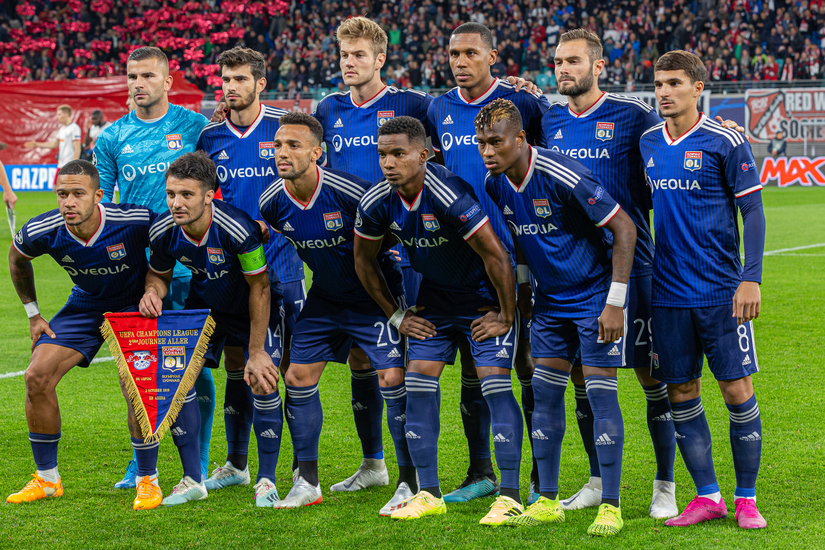
4. Olympique Lyonnais Groupe (EPA:OLG)
The Olympique Lyonnais football club, based in Lyon and established in 1950, serves as the center of the French corporation. This football club is one of the best football clubs on stock market.
The team competes in Ligue 1, which is the top division of French football, and has won the league championship seven times. It has also finished second five times.
The UEFA Intertoto Cup and the Coupe de France are additional awards. In both the UEFA Europa League and the UEFA Champions League, it has advanced to the semifinals.
The price of OLG.PA stock is up 44% year to date.
5. Parken Sport (FC Copenhagen) (CPH:PARKEN)
The year Denmark won the European Championship by defeating Germany 2-0 in the final was 1992, the year FC Copenhagen, one of the best football clubs on stock market, was established.
The club, which has historical origins dating back to the 1800s, has won numerous awards over the years, including 14 Danish Superleague championships. Eight times, it has won the Danish Cup.
FC Copenhagen’s original goals included finishing among the league’s top three, cultivating a home-town following, and playing engaging, upbeat football.
Its stock price has decreased 9.6% in 2022.
6. Ajax (AEX:AJAX)
Since its IPO in 1998, Ajax has claimed eight Dutch league championships. Ajax is one of the best football clubs on stock market.
Sports Revenue, which accounted for 66% of the total revenue, was the name Ajax gave to the revenue it received from TV rights and matchday ticket sales. The category “Others” included goods.
8 of the last 10 years saw Ajax being profitable. With the exception of 2019, when the revenue was almost €200 million, revenue generally stayed around €100 million.
Since 12 years ago, the share price has increased by 20%. The return, however, was underwhelming. Bonds had room for improvement.
7. AS Roma (BIT:ASR)
Shares of AS Roma are traded under the ticker ASR on the Italian Stock Exchange, or Borsa Italiana. This football club is one of the best football clubs on stock market.
Roma shares had a successful first year on the stock market but over the following 16 years of trading, they lost nearly 92% of their value. Many blamed the club’s ownership for the subpar stock market performance.
Since the smaller clubs don’t have English versions of their financial reports, it is more difficult to find information about them.
Most likely because they only cater to their local investors and not the international investing community. So from this point forward, I’ll just display their stock performances.
The share price of AS Roma, which was listed in 2000, has fallen by 85% over the last 20 years!
It reported a record €250 million in revenue for 2018, largely as a result of success in the Serie A league. More than 50% of the club’s income came from television rights, which was another factor contributing to the increase in revenue.
Investors will be monitoring the stock to see if Roma’s shares ever reach the high they started on as they continue their slow ascent.
8. Celtic (AIM:CCP)
Celtic is a Scottish football club and one of the least-performing football clubs on stock market. The league was dominated by Celtic, who also won 9 straight championships. It has a listing on the AIM stock market in London.
The Scottish league isn’t as popular as the English Premier League or Serie A, so Celtic didn’t receive the lucrative TV rights. Consequently, ticket sales account for a large portion of Celtic’s income.
In the past 24 years, the share price of Celtic has decreased by 43%. This is true even though most years are profitable.
9. SS Lazio (BIT:SSL)
Lazio is a member of Borsa Italiana and last won the Serie A in 2000. It is one of the worst football clubs on stock market.
It has been the least successful of the group, and its share price has decreased by 99% since 12 years ago!
10. Sport Lisboa e Benfica (LS:SLBEN)
Benfica is a publicly traded company on the Euronext Lisbon stock exchange. It has taken five of the league’s ten championships.
Since then, 13 years ago, the share price has increased by 7%. Benefica is one of the best football clubs on stock market.
11. Sporting CP (LS:SCP)
Although it participates in the Portuguese league, Sporting CP hasn’t had the same level of success as FC Porto and Benfica.
In the previous 18 years, the stock price fell by 80%. With that, Sporting CP is one of the worst football clubs on stock market.
12. Bali United (IDX:BOLA)
The only football club from Southeast Asia that is listed. Liga 1’s most recent champion in 2019 is Bali United.
However, the share price underperformed, dropping 58% in just over a year.
13. FC Porto (LS:FCP)
The primary rival of Benfica, FC Porto, has won five Portuguese league championships in the previous ten years.
In the previous 18 years, the share price fell 76%.
14. Sporting Clube de Portugal (ELI:SCP)
Sporting Lisbon is a well-known football club. In 1906, it was established. It is one of the clubs with the most decorations in the nation. Its stock price has dropped 13% so far this year (2022).
15. Sporting Clube De Braga (ELI:SCB)
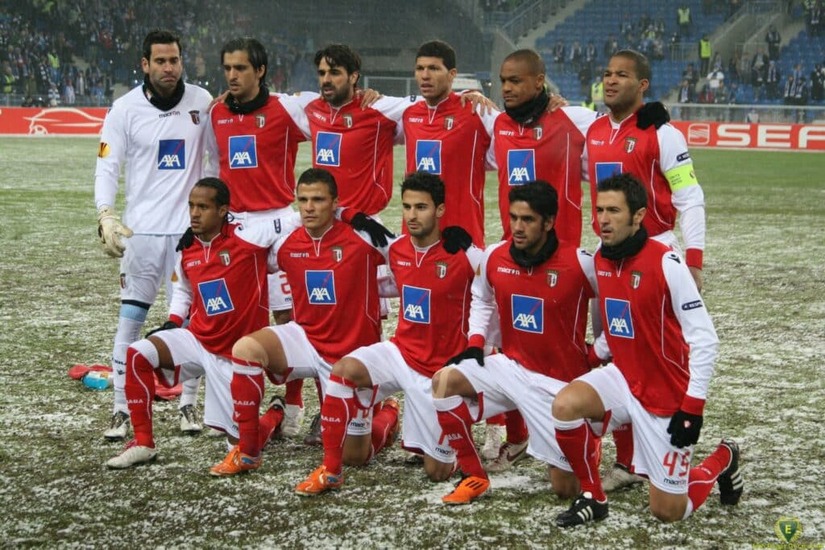
The football club SC Braga represents the Braga City in Portugal. It is ranked second in the Primeira Liga standings as of this writing.
The Impact of Major Tournaments on Football Club Stocks
The impact of major tournaments on football club stocks is a multifaceted and dynamic topic. As football clubs have become publicly listed entities in stock markets, their financial performance is increasingly influenced by various factors related to their on-field activities.
Here is an elaboration on this topic, structured with necessary headers, and avoiding cliché phrases as requested.
Football Clubs on Stock Market: An Overview
Football club shares have become a popular investment, especially for fans seeking a closer connection to their teams. These shares are listed on major US and European stock exchanges, with clubs like Manchester United, Juventus, Borussia Dortmund, and AS Roma being prominent examples.
Market Performance of Football Clubs
The performance of football club stocks can vary. For instance, Manchester United has shown strong performance on the New York Stock Exchange, influenced by factors like takeover bids and robust commercial revenue.
Conversely, clubs like Juventus have faced challenges that affected their share prices, such as board shakeups and accounting penalties. This demonstrates the volatility and unique factors influencing football clubs on the stock market.
Impact of Major Tournaments on Club Stocks
Major tournaments significantly impact the footballing landscape, affecting club stocks in various ways. Here are some key factors:
Player Transfers and Market Valuation
High-profile performances in major tournaments can lead to a surge in player transfers, altering clubs’ competitive dynamics and market valuation. This was evident with the transfer of Luka Modrić to Real Madrid following the 2018 FIFA World Cup.
Challenges of Player Fatigue and Injuries
Player fatigue and injuries from major tournaments can negatively affect clubs’ performance in domestic leagues. This was seen with Liverpool’s decline in the Premier League standings during the 2018 World Cup due to Mohamed Salah’s injury.
Enhanced Visibility and Fan Engagement
Major tournaments increase the visibility of domestic leagues and clubs, leading to a surge in fan engagement and potentially expanding the fan base and viewership. The English Premier League’s global recognition is partly due to the success of its players in international tournaments.
Tactical Influences on Domestic Clubs
Managers in domestic leagues often adopt tactical innovations from major tournaments, influencing the playing styles and strategies of their clubs. This adoption of diverse playing styles can be seen in clubs taking cues from the tactical approaches of national teams.
Youth Development and Investment
International tournaments inspire investment in youth academies and development programs. Clubs are motivated to cultivate homegrown talents, as seen with the emphasis on youth development following the emergence of players like Kylian Mbappé and Matthijs de Ligt in the 2018 World Cup.
What Impact Does The FIFA World Cup Have On Stock Prices?
Companies that are either official sponsors, partners, or producers of goods that are in demand during FIFA World Cup will probably receive more exposure than usual during the football season and major events.
The competition’s host nation should anticipate a surge in football supporters. Millions of tourists are anticipated to arrive in the host nation to cheer on their team in the competition. In the short term, this will increase business activity and support the economy of the host nation.
Hotels are likely the best situated on the ground to benefit from the highest rates applied during the sporting event. This could then result in a potential increase in hotel stock prices as earnings are likely to increase during this specific time frame.
Additionally, when brands and businesses participate in sponsorship and partnerships with the FIFA World Cup, their branding may receive enormous exposure, which may increase demand for their goods or services.
There is no assurance that exposure will result in money in the short term with FIFA World Cup sponsorship, which frequently entails high costs.
Football clubs that are publicly traded on the stock market may experience effects from the FIFA World Cup. The share value of a professional football player’s football club may be affected if he or she wins the competition or performs well.
Diversification Strategies of Publicly Traded Football Clubs
The Rise of Football Stocks in the Market
Over the past 25 years, the revenue of top football clubs has increased dramatically, with Deloitte’s Football Money League 2022 report highlighting a growth from €1.1 billion in the 1996/97 season to an impressive €8.2 billion in 2020/21.
This upward trend is expected to continue, with forecasts suggesting these clubs could reach collective revenues of €10 billion.
Market Capitalisation of Leading Football Clubs
When we examine the top football clubs by market capitalization, a diverse picture emerges. The list includes four clubs from Portugal, two from Italy, and one each from the UK, Germany, France, and Denmark.
Manchester United leads with a market cap of $3.52 billion, followed by Juventus and Borussia Dortmund.
The Dynamics of Football Stocks
Football stocks, which are shares of publicly listed football clubs, offer a way for fans to invest in their favorite teams. It’s a unique blend of passion and investment, with these stocks influenced by club results, revenue streams, and even scandals.
The broader term ‘football stocks’ can also include companies that sponsor teams or provide equipment, and hospitality businesses benefiting from match days, like Adidas or Budweeper.
Investment Considerations in Football Stocks
Investing in football stocks is more than a show of support; it represents a stake in a business seeking profit through various avenues like broadcast deals, ticket sales, sponsorships, and player transfers.
However, significant share ownership is required to influence club management. It’s also worth noting that top revenue-generating clubs are often not available for public investment, with only a handful like Manchester United, Juventus, and Borussia Dortmund being exchange traded.
Case Study: Manchester United’s Stock Performance
Manchester United, as the largest publicly traded football club, offers an insightful case. Listed on the NYSE, its financial performance is closely tied to its sporting success.
Since its NYSE listing at $14 per share in 2012, the stock has seen fluctuating fortunes, reaching a high of $26.20 in 2018 but declining in subsequent years due to various factors including the Covid-19 pandemic. As of 2023, its market cap stands at approximately $2.9 billion.
Digital Innovation and Revenue Generation in Football Clubs
The Emergence of Football Clubs on the Stock Market
In recent years, the concept of football clubs on the stock market has garnered significant attention. This trend is a testament to the burgeoning economic footprint of professional football, with clubs evolving into substantial business entities.
The integration of digital innovation within these clubs has been pivotal, not only in enhancing fan engagement but also in opening new revenue streams.
Market Presence and Financial Growth
The presence of football clubs on the stock market is a reflection of their financial maturity. The total revenue of the highest-earning clubs has increased more than seven-fold in the past 25 years, as reported by Deloitte’s Football Money League 2022.
This dramatic rise, from €1.1 billion in the 1996/97 season to a staggering €8.2 billion in the 2020/21 season, underscores the significant economic impact of these clubs.
Top Clubs on the Stock Market
The top football clubs by market capitalization are a diverse mix from various countries.
As of 2023, this includes Manchester United from the UK with a market cap of $3.52 billion, Juventus Turin from Italy at $0.74 billion, and Borussia Dortmund from Germany at $0.42 billion, among others. This diversity reflects the global nature of football’s appeal and its financial clout.
The Dynamics of Football Stocks
Football stocks, representing shares of publicly listed football clubs, offer a unique investment opportunity.
They provide a way for fans and investors alike to financially engage with their favorite clubs. However, it’s important to recognize that substantial share ownership is required to have any influence over club management decisions.
Financial Performance and Influences
The performance of football stocks is tied to various factors, including match results, revenue streams from broadcasting deals, ticket sales, sponsorships, merchandising, and player transfers.
For instance, Manchester United, the largest publicly traded football club, has seen its share prices influenced heavily by match results and management decisions. Its listing on the New York Stock Exchange (NYSE) under the ticker MANU reflects its global appeal and financial strategies.
Trading and Investment Considerations
Trading football stocks can be a strategic move, allowing investors to speculate on the rise or fall in value of these shares.
The market for these stocks, however, is not without its challenges, including liquidity issues and higher transaction costs for smaller clubs. This aspect requires careful consideration by potential investors, balancing their passion for the sport with prudent financial decisions.

Pensieri finali
Few things are more satisfying for a football fan than owning stock in the team they support, almost regardless of how well the club does financially. Prospective investors must be aware that the most successful teams one year may be easily defeated the following.
You should do extensive research before investing in football-related stocks. Always do your own research before making a decision. Before making any trading decisions, take a look at the most recent news, technical analysis, and the thoughts of numerous analysts.
It’s important to remember that past success does not guarantee future success. Additionally, never trade with funds that you cannot afford to lose.
Siete afflitti dall'indecisione finanziaria? Volete investire con Adam?

Adam è un autore riconosciuto a livello internazionale in materia finanziaria con oltre 830 milioni di visualizzazioni di risposte su Quora, un libro molto venduto su Amazon e un contributo su Forbes.