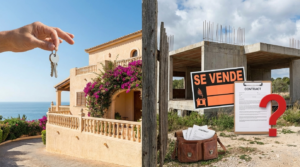
Buying real estate in Mexico carries real risks, including unclear titles, restricted-zone rules, and market volatility, but these can be managed with proper planning and professional guidance.
Compared to other Latin American markets, Mexico’s legal and regulatory requirements make due diligence especially important, helping investors decide whether Mexican property or alternative investments better suit their goals.
This article covers:
- What is the restricted zone in Mexico for buying property?
- What is a common risk associated with real estate investments in Mexico?
- Which location is best for property investment?
- Do I need to declare foreign property in the US?
- Is there a tax treaty between Mexico and the US?
Key Takeaways:
- Foreigners can own property in most areas of Mexico but must follow restricted-zone rules.
- Risks include legal disputes, unclear titles, and market volatility.
- Choosing the right location and professional guidance reduces risks.
- Understanding tax and inheritance implications is critical for US citizens.
My contact details are hello@adamfayed.com and WhatsApp +44-7393-450-837 if you have any questions.
The information in this article is for general guidance only. It does not constitute financial, legal, or tax advice, and is not a recommendation or solicitation to invest. Some facts may have changed since the time of writing.

What are the rules for buying property in Mexico?
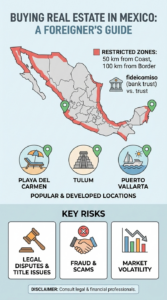
Foreigners can purchase property in Mexico, but those within 50 km of the coast or 100 km of the borders must use a bank trust (fideicomiso) or a Mexican corporation to hold ownership.
Outside these restricted zones, foreigners can own property directly.
All buyers must have a valid passport, work with a notary public (notario), and ensure proper title registration with the Public Registry of Property.
Following these steps ensures legal ownership and reduces the risk of disputes.
What are the risks of buying real estate in Mexico?
The main risks of buying property in Mexico include legal title issues, fraud, market volatility, regulatory complications, and financial risks tied to currency and ownership structures.
- Title and ownership disputes are one of the most common problems for foreign buyers because Mexico’s property registry system does not guarantee clear title the way systems in the US or Canada do.
- Unclear or incomplete documentation can lead to long, costly legal battles or even loss of the investment.
- Fraud and scams are widespread, especially in popular tourist markets, including fake property titles, double sales of the same property, misrepresentation of ejido land (which cannot legally be sold to foreigners), and unlicensed agents posing as brokers.
- Market volatility and developer risks can impact property values, particularly in areas with rapid overdevelopment or speculative growth; prices may fluctuate sharply based on tourism trends, infrastructure completion, or changes in local demand.
- Regulatory and zoning changes may affect your rights to develop, expand, or even use the property as originally planned, especially in environmentally sensitive or coastal areas with special protections.
- Currency exchange and financing risks can erode returns if the Mexican peso fluctuates significantly against your home currency, and foreigners often face limited financing options and may pay higher costs for loans.
Working with a reputable notary public, attorney, and experienced real estate agent and conducting thorough due diligence before purchase, are crucial steps to mitigate these risks and protect your investment.
Where is the safest place to buy property in Mexico?
Playa del Carmen and other well-established tourist and expat areas are the safest places to buy Mexican property due to strong legal systems and reliable markets.
Other safe locations include Tulum (Quintana Roo), Puerto Vallarta (Jalisco), San Miguel de Allende (Guanajuato), and select neighborhoods in Mexico City.
These areas offer reliable title registration, active real estate markets, and access to professional legal and real estate services, which helps reduce ownership and investment risks.
What is the restricted zone in Mexico for buying property?
The restricted zone in Mexico, defined by Article 27 of the Mexican Constitution, includes land within 50 km of the coast and 100 km of international borders.
Foreigners cannot directly hold title in this zone and must use a fideicomiso (bank trust) or a Mexican corporation to comply with national ownership laws.
Understanding the restricted zone is crucial because failure to follow these legal requirements can invalidate property purchases, create title disputes, or lead to fines.
Buyers should also verify compliance with municipal zoning laws, as these can affect development rights, building permits, and property usage.
Is it difficult to buy a house in Mexico?
Buying a house in Mexico is generally manageable for foreigners.
Success depends on following legal procedures, navigating fideicomiso trusts if in restricted zones, understanding local regulations, and addressing language or cultural differences.
Working with a reputable real estate agent and attorney helps simplify the process and reduce risks.
Is it good to invest in real estate in Mexico?
Investing in Mexican real estate can be profitable, particularly in tourist destinations and growing urban centers.
Benefits include potential rental income, long-term appreciation, and lifestyle opportunities for retirees or second-home owners.
However, success depends on location, property type, legal compliance, taxes, and awareness of market trends.
Foreign investors must consider Mexican property taxes (predial), rental income taxes, capital gains on sale, and US tax reporting obligations, so careful research and professional guidance are recommended.
What happens to property in Mexico when the owner dies?
When a property owner dies in Mexico, the property passes according to Mexican inheritance laws, which require probate and formal title transfer.
Foreign owners should have a will recognized under Mexican law to ensure heirs inherit the property as intended.
Without proper planning, the process can be lengthy, complex, and subject to legal disputes.
How does buying property in Mexico affect US taxes?
US citizens must report foreign property ownership to the IRS. While owning property itself is not taxed, any rental income or capital gains are subject to US taxation.
Additionally, Mexican property taxes (predial) and inheritance taxes may apply.
Consulting a US tax advisor familiar with Mexican real estate is recommended.
Is there double taxation between the US and Mexico?
Yes, US citizens owning property in Mexico may be subject to taxation in both countries, but the US-Mexico Tax Treaty helps prevent double taxation.
Rental income or capital gains earned in Mexico are taxed locally, and US taxpayers must report this income to the IRS.
Foreign tax credits can often offset Mexican taxes paid, reducing or eliminating additional US tax liability.
Consulting a tax professional familiar with both jurisdictions is essential to ensure compliance and optimize tax outcomes.
Alternatives to Buying Real Estate in Mexico
If investing directly in Mexican real estate feels too risky, there are safer or more flexible options to consider, including:
- Resort or managed rental properties: Professionally managed vacation rentals reduce hands-on responsibility and limit exposure to legal or administrative issues.
- Real estate investment trusts (REITs) or property funds: Mexican REITs let investors access commercial and residential property markets without holding physical assets, offering liquidity and diversification.
- Long-term rental units in established urban areas: Cities like Mexico City, Guadalajara, or Monterrey have more stable rental markets and clearer title systems compared to tourist-heavy zones.
- Fractional ownership or co-investment structures: Shared ownership models spread risk across multiple investors and properties.
- Alternative investments outside real estate: For risk-averse investors, equities, bonds, or international REITs provide growth and income opportunities with fewer legal complications than direct property ownership.
These alternatives allow investors to capture potential returns in Mexico’s property market while mitigating risks linked to restricted zones, currency fluctuations, or legal uncertainties.
Your choice should reflect your risk tolerance, investment horizon, and level of involvement in property management.
Conclusion
Buying real estate in Mexico can be a pathway to lifestyle freedom, rental income, or long-term investment growth, but it carries risks that foreign buyers must actively manage.
Success hinges on understanding the interplay of local laws, market trends, and cross-border tax obligations.
Treat the process as a combination of legal diligence, financial strategy, and cultural awareness rather than a simple purchase.
With the right preparation and professional guidance, the risks can be managed, turning Mexico’s vibrant property market into a rewarding opportunity rather than a gamble.
FAQs
Can a foreigner buy real estate in Mexico?
Yes, foreigners can buy property in most areas, though a fideicomiso or corporation is required in restricted zones.
How much is 1 acre of land worth in Mexico?
Prices for 1 acre of land in Mexico range from $5,000–$15,000 in rural areas, $20,000–$50,000 near towns or suburbs, and $60,000 to over $200,000 in prime coastal or tourist destinations like Riviera Maya, Tulum, Puerto Vallarta, and Los Cabos.
Costs vary widely depending on location, access, and development potential.
Is $2,000 a month enough to live in Mexico?
Yes, in many areas $2,000/month covers comfortable living, including housing, utilities, food, and leisure, though costs vary by city and lifestyle.
What is the adverse possession law in Mexico?
Mexican law allows for acquisition of property through continuous, public possession over a period (typically 5–10 years), but it’s complex and requires legal advice.
Pained by financial indecision?

Adam is an internationally recognised author on financial matters with over 830million answer views on Quora, a widely sold book on Amazon, and a contributor on Forbes.