Since I wrote this review, the Cayman Islands insurer associated with Premier Trust, Premier Assurance Group SPC Ltd., has entered liquidation. This makes it especially important for affected policyholders to review their situation.
If you already have this investment, or been proposed it, and are looking for better alternatives as an expat, you can contact me. My contact details are hello@adamfayed.com and WhatsApp +44-7393-450-837.
The information in this article is for general guidance only. It does not constitute financial, legal, or tax advice, and is not a recommendation or solicitation to invest. Some facts may have changed since the time of writing.
Who are Premier Trust?
Premier Trust has offered unit-linked savings and investment plans to international investors, including expats.
The majority of the clients are in Africa, East Asia and Latin America, with a mix of locals and expats buying the plans.
What are the main plan names and features?
Premier Trust have two solutions – principle protection and flexible.
The principle protection plans are downside-protected solutions, linked to markets such as the S&P500, MSCI World and Euro Markets. There are six market indexes to pick from overall.
The way this works in simple terms is that these plans were designed to provide a degree of principal protection if the linked markets declined over the long term, subject to the policy terms and the insurer's ability to meet its obligations.
There are different investment options within this family of products:
The Premier Principal Protection Series II is available in USD, Euros and Pounds and is 100% principle-protected, with a minimum $10,000 contribution. This is a lump sum product.
The Provest 10 Principal Protection Series III is a regular savings plan, which has a ten-=year term, and is 115% principle protection.
The Provest Principal Protection Series III, has the highest levels of protection, coming in at 140%, 160%, or 180% principle protection, depending on whether you pick the 15, 02 or 25 year option.
With these plans, your levels of protection are higher, the longer the term.
What are the fees like?
The fees do depend partly on the advisor, but the typical charges are around 2% per annum on the regular savings plans, reducing for the longer-term accounts.
The lump sum accounts have lower fees, with most being abolished after the initial period (usually 5-8 years) is over.
Concerned About Your Premier Trust Investment?
Understanding which insurer issued your policy, what protections apply and how your investment fits your wider portfolio can help you assess your next steps.
Discuss Your OptionsWhat are the positives associated with the plans?
The biggest positives about this plan are
- For conservative investors you get downside-protection. Whilst it is unlikely that you will need this protection, it gives emotional support in difficult market conditions
- The advertised 180% principal protection was a notable feature of certain plans, although the benefit was subject to the policy terms and conditions.
- Certain arrangements provided for segregation of client assets, which may offer some protection if an insurer becomes insolvent. However, segregation does not guarantee that policyholders will recover their investments in full.
What are the negatives?
- The lump sum product doesn’t have any strong unique selling points. The protection is low, and assets available small.
- You can get the same protection elsewhere, with other benefits
- The plans are expensive compared to some of the alternatives on the market
- You do have to pay into this solution until the end to get the principle protection. If you stop paying in, this causes problems in the plan. So, although the plan might looks flexible on paper, with the ability to make withdrawals “free of charge”, that doesn’t mean that doing so is without consequences.
- Premier Assurance Group SPC Ltd., the Cayman Islands insurer associated with certain Premier Trust policies, entered official liquidation in April 2021. This highlights the importance of examining the insurer behind a policy and understanding the protections available to policyholders.
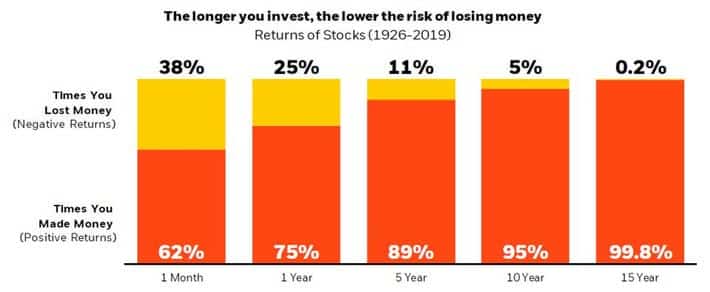
- Stock markets do tend to go up over time. As per the graph below, you probably don’t need the downside-protection on the S&P500:
Conclusion
Premier Trust's plans offered features such as principal protection, but these benefits need to be weighed against their fees, contribution commitments and the financial strength of the underlying insurer.
Investors should also establish which entity issued their policy and whether it has been affected by regulatory or insolvency proceedings.
For most, better solutions exist in the market.